Guide to Exploring Þórsmörk Valley in Iceland
| All, Travel Guide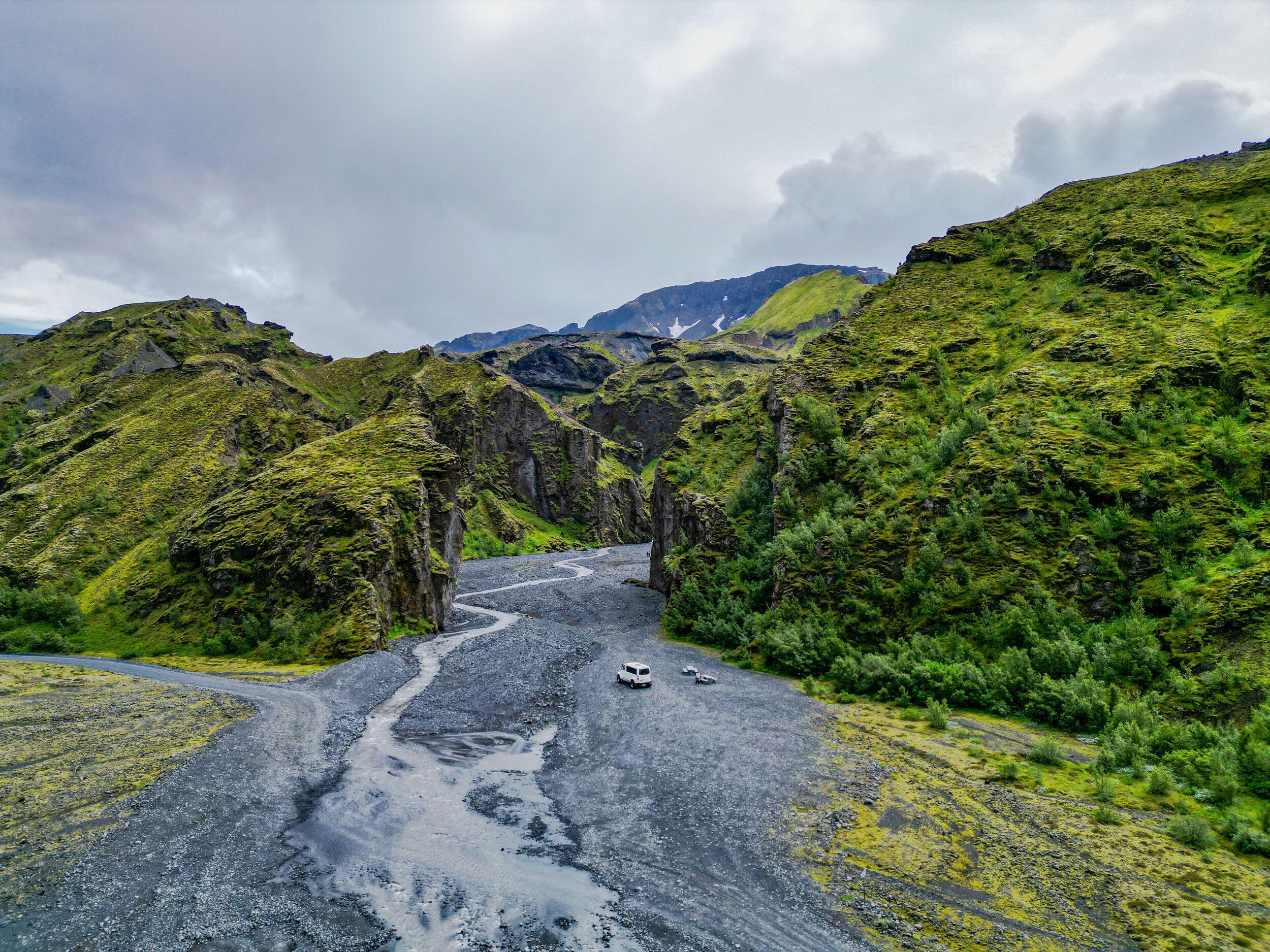
What Makes Þórsmörk Special?
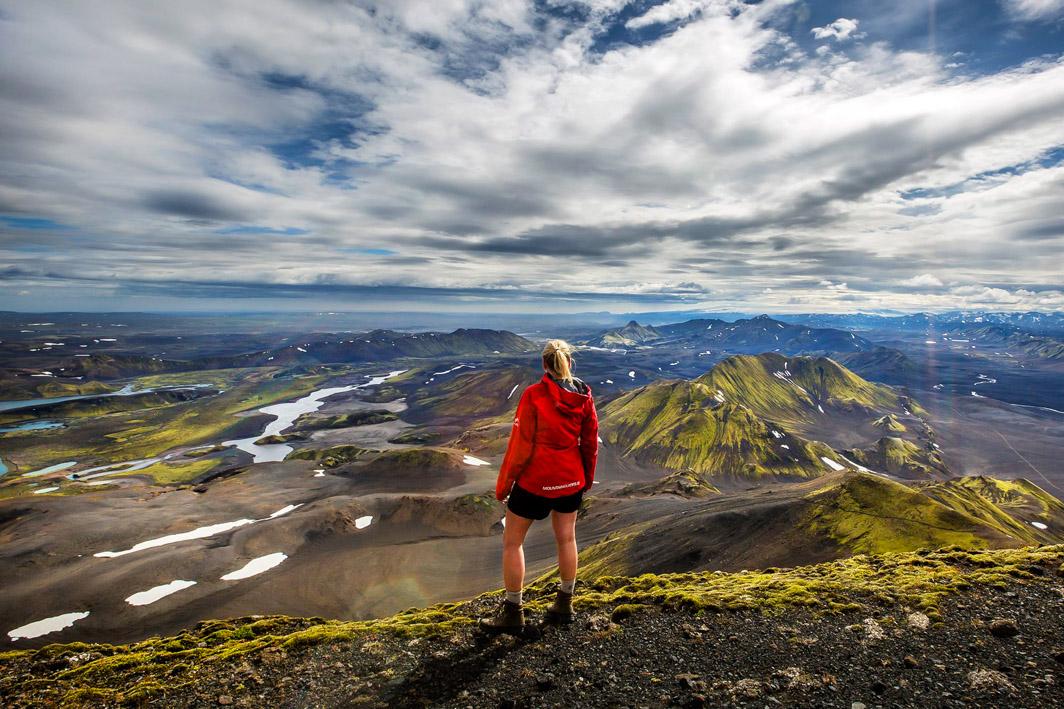
Iceland has become one of Europe’s leading trekking destinations for good reason. The country’s landscapes shift constantly across relatively short distances. Hikers move between lava fields, volcanic deserts, moss-covered valleys, glacier tongues, hot springs, and high mountain passes in a single journey.
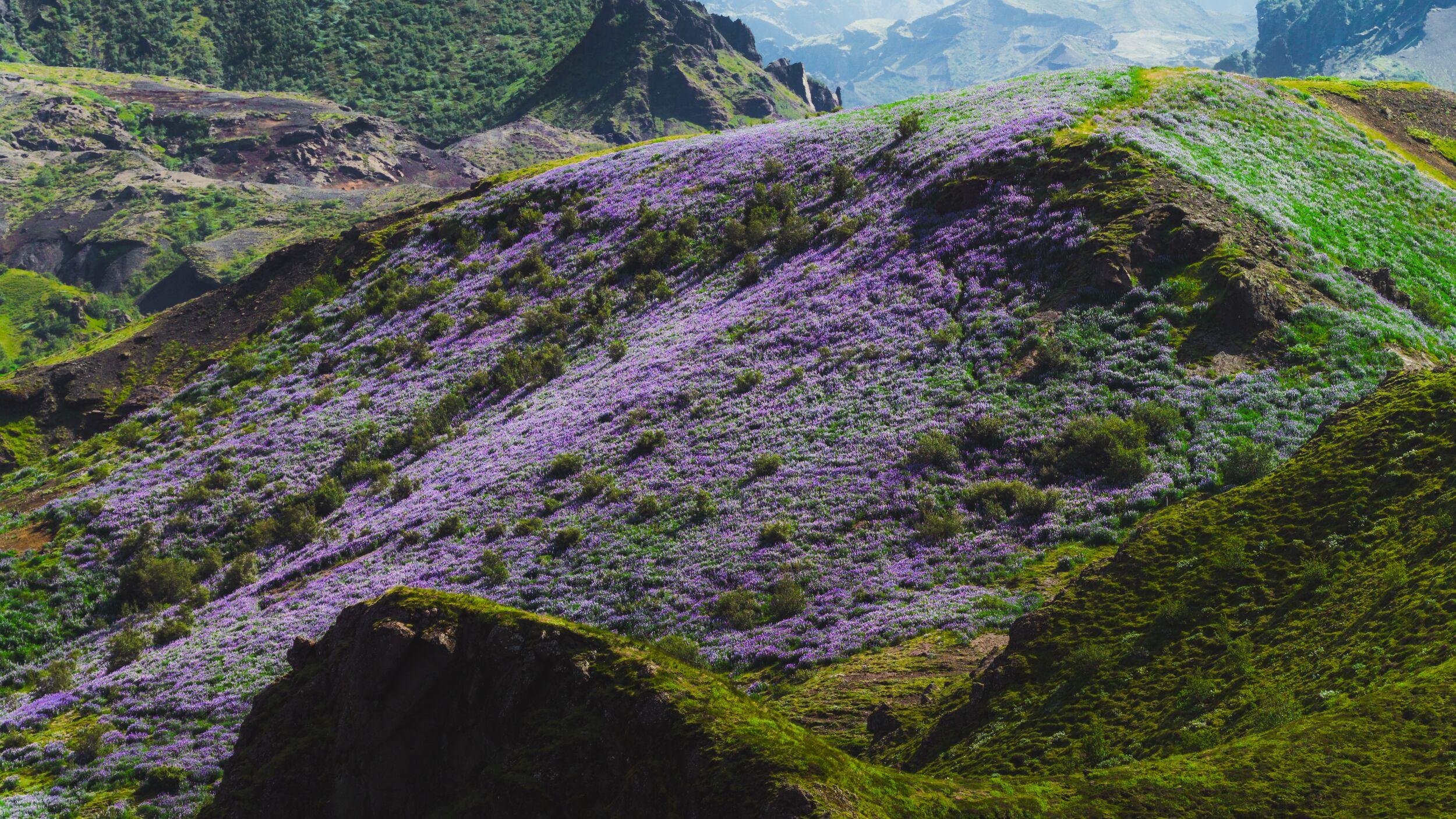
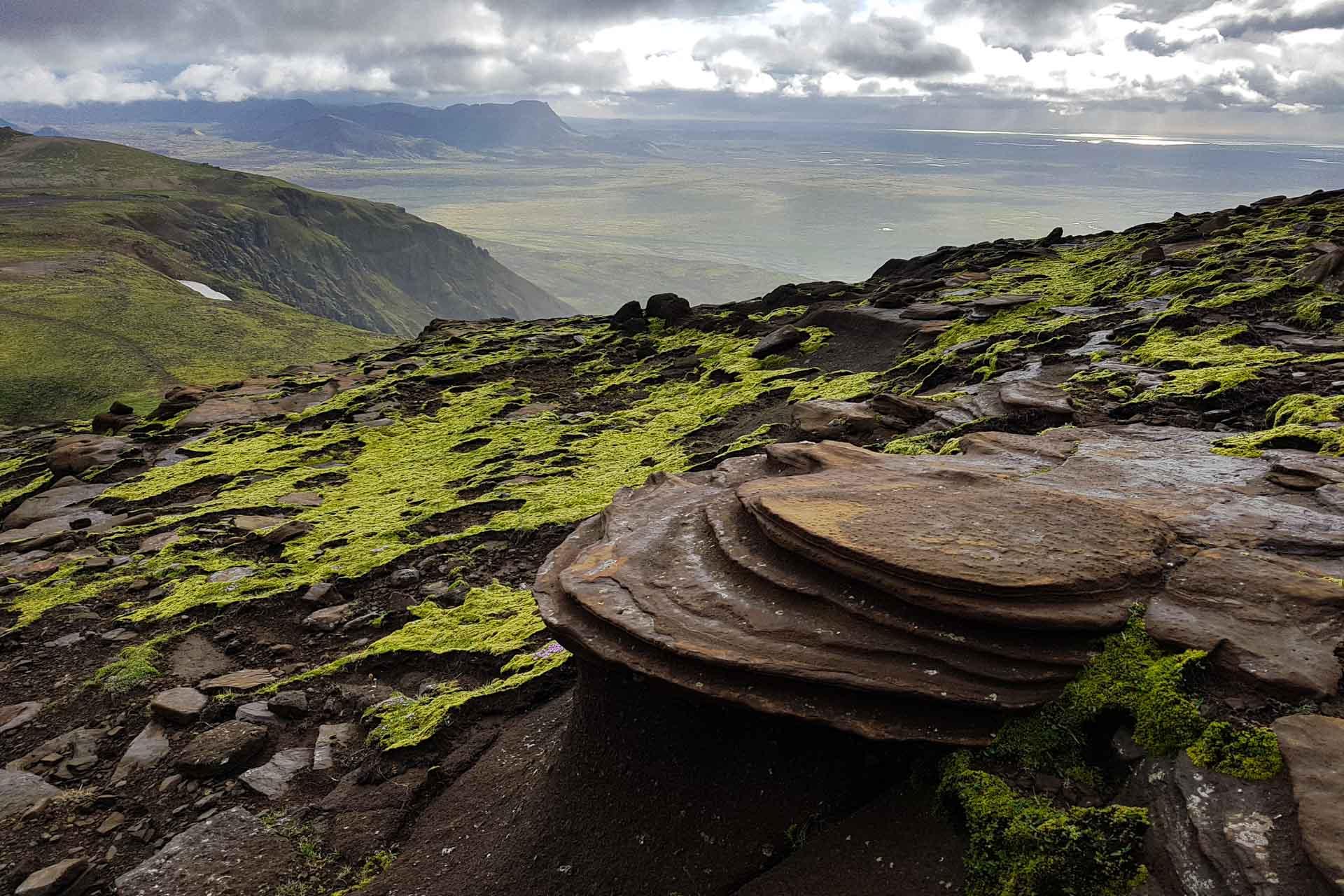
Many visitors begin by researching the "Best hiking trails in Iceland," where Þórsmörk consistently stands out because of how much terrain it packs into one region. Unlike the rugged highlands, Þórsmörk valley is surprisingly green and sheltered. Birch woodland thrives here, protected by surrounding glaciers and mountain ridges.
The area also connects several of Iceland’s most popular hiking routes. The famous Laugavegur Trail, one of the best hikes in Iceland, ends in Þórsmörk, while the Fimmvörðuháls route crosses volcanic terrain between Eyjafjallajökull and Mýrdalsjökull before descending into the valley. Alongside these longer routes, there are excellent day tours and short hikes suitable for strong beginners and experienced trekkers alike.
For travellers planning their first trekking trip in Iceland, this Guide to hiking in Iceland offers useful background on weather, safety, and trail conditions across the country.

That balance between accessibility and wilderness is part of what draws experienced hikers back year after year.
Getting to Þórsmörk
Reaching Þórsmörk is part of the adventure.
Most travellers begin from Iceland’s south coast near the Ring Road before turning onto Road 249. Conditions change quickly after the paved sections end. Several unbridged rivers cross the route, including channels fed by glacial meltwater.
Standard rental cars are not suitable for driving into Þórsmörk. Access usually requires:
- Modified 4x4 vehicles
- Super jeep tours
- Guided transport with experienced drivers
River crossings are the main challenge. Water levels change throughout the day depending on temperature and rainfall. Drivers unfamiliar with Icelandic highland roads can easily get into trouble.
For many visitors, joining guided day tours or multi-day hiking trips is the simplest and safest option. Local guides monitor conditions continuously and adjust routes based on weather, river levels, and trail safety.
Travellers staying in Reykjavík often combine Þórsmörk with other southern Iceland adventures. Those looking for easier hikes beforehand may find inspiration in this guide to Hiking near Reykjavík.
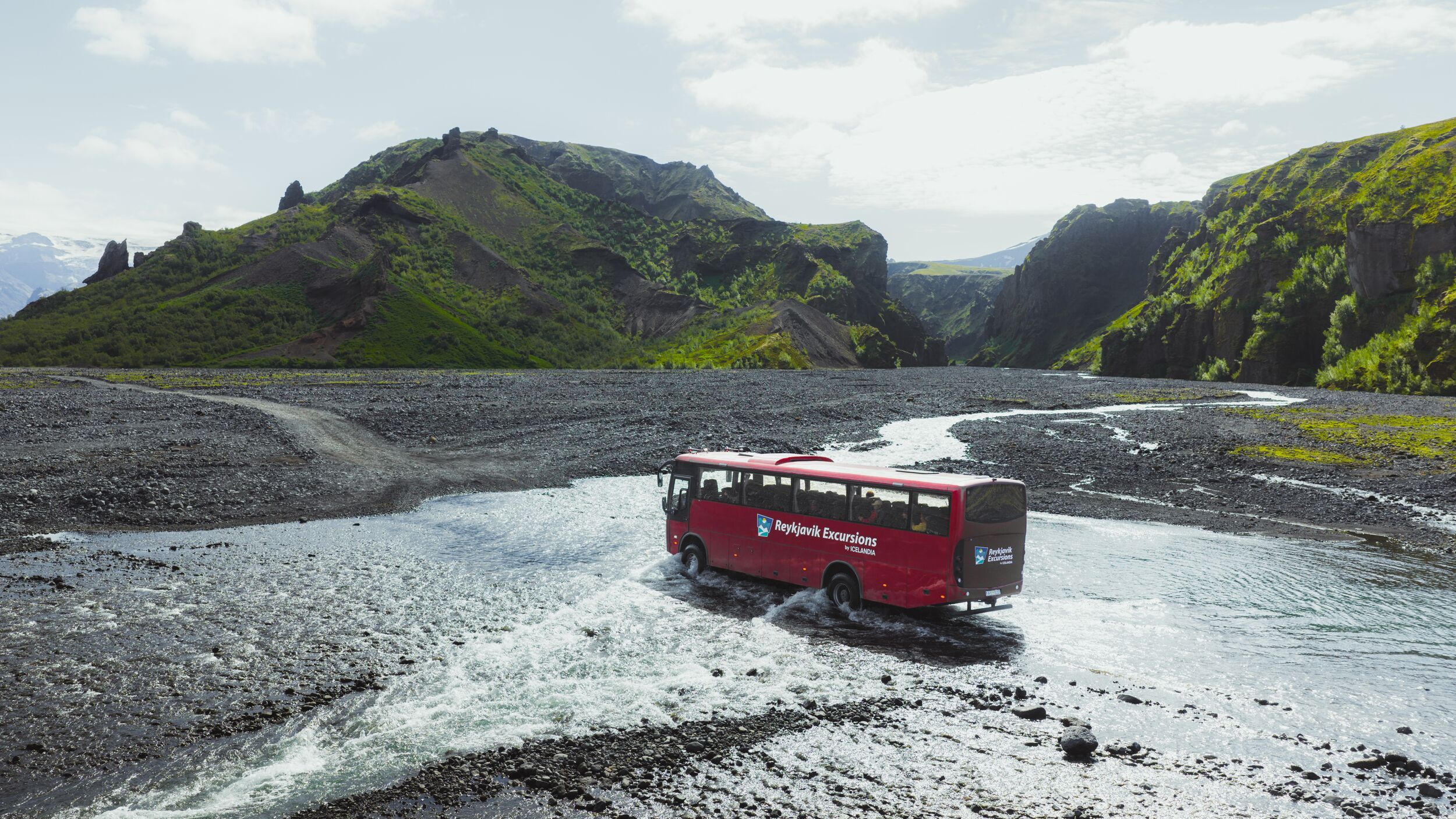
The Highland Bus
Best Hiking Trails in Þórsmörk
Þórsmörk hiking trails range from short panoramic walks to full-day mountain traverses. Here are some of the standout routes.
Valahnúkur Panorama Trail
This is one of the most accessible hikes in Þórsmörk and an excellent introduction to the valley.
The route climbs steadily to panoramic viewpoints overlooking glaciers, braided rivers, and forested ridges. Although relatively short, the trail delivers some of the best scenery in the region with minimal technical difficulty.
Expect:
- Moderate uphill sections
- Well-marked paths
- Excellent views over the river Krossá
- A hike suitable for most reasonably fit travellers
It is often recommended as a first walk after arriving in Þórsmörk valley.
Tindfjöll Circle
The Tindfjöll Circle is a quieter and more demanding route that explores volcanic ridges and remote sections of the valley.
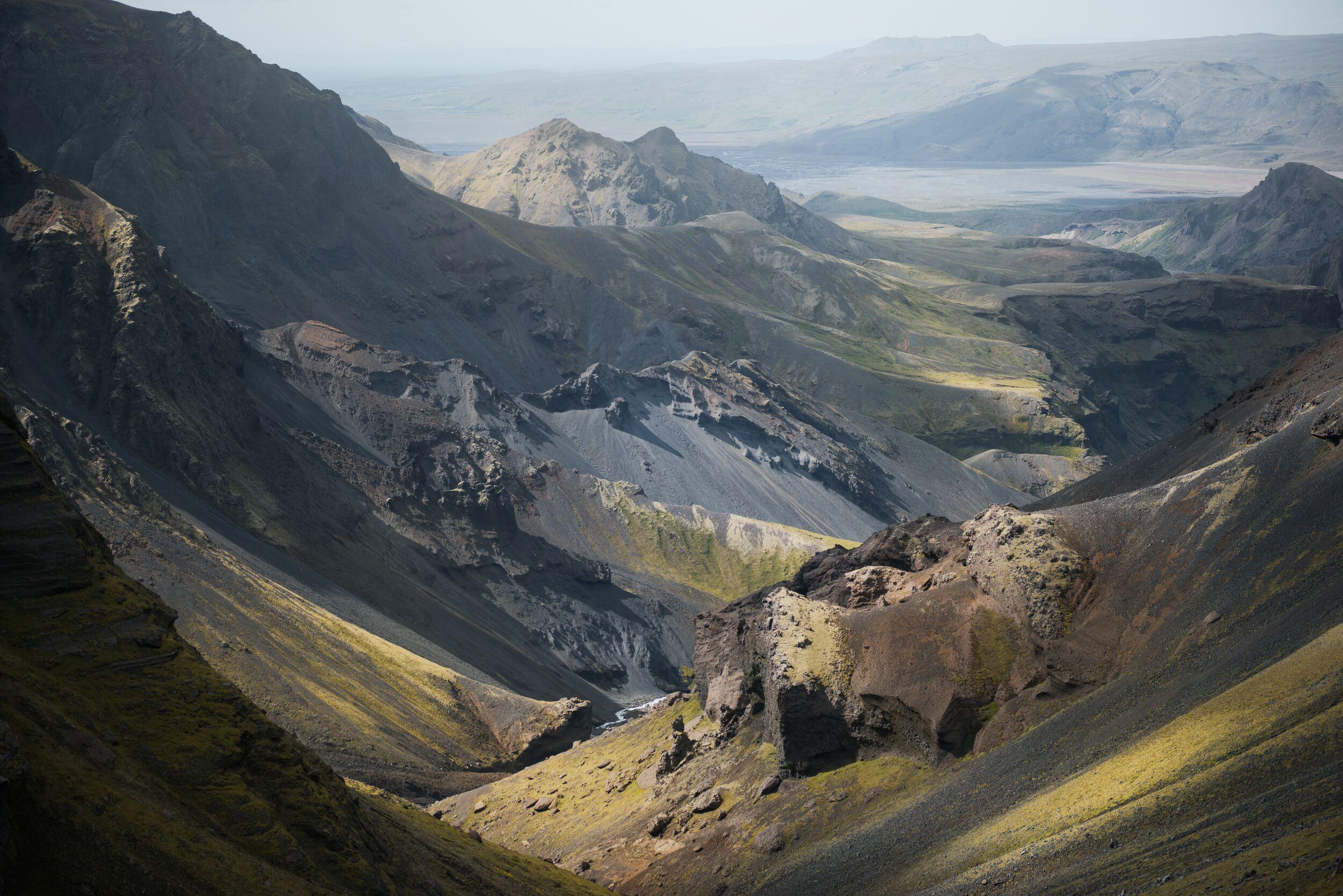
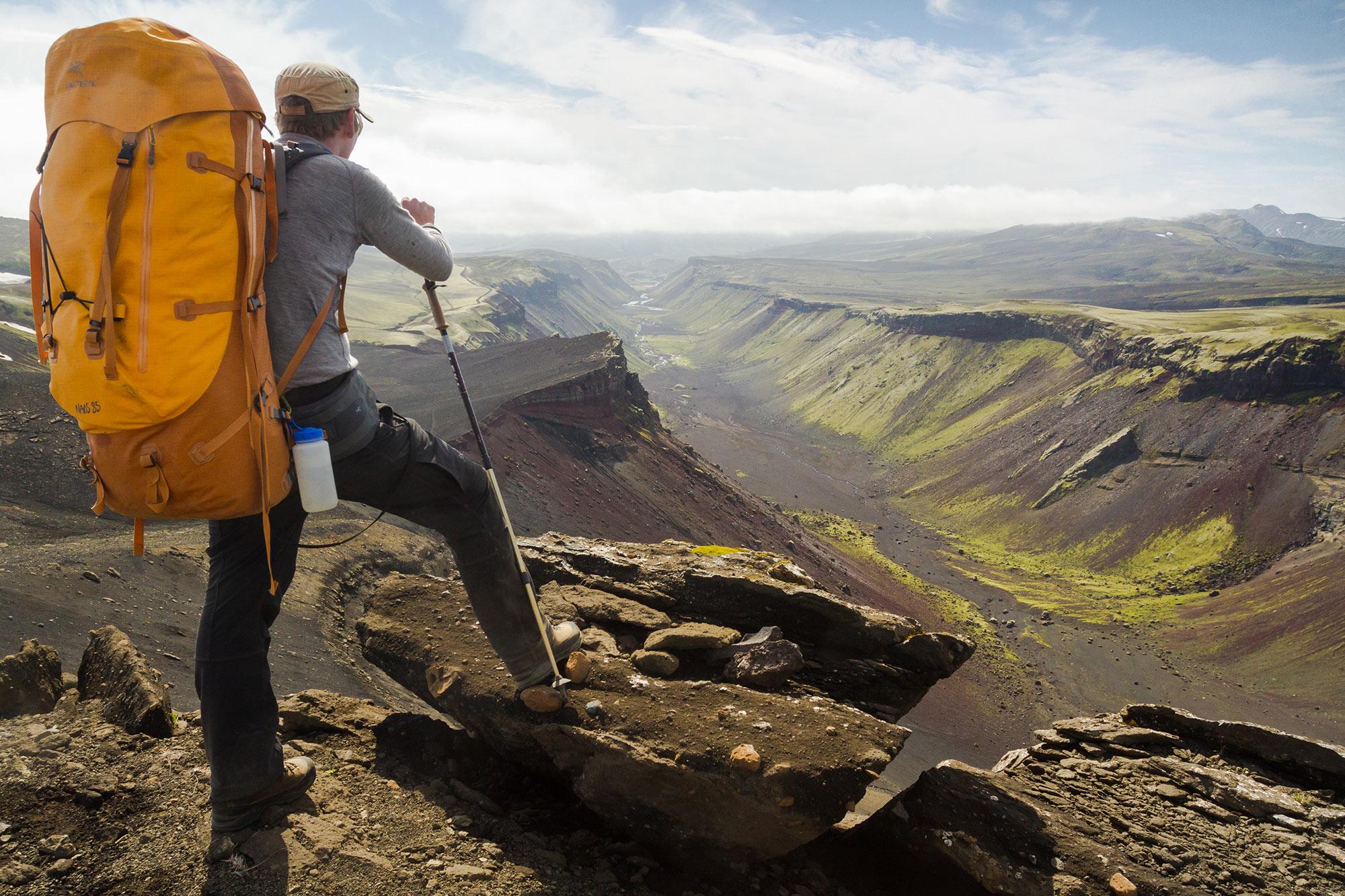
This hike suits experienced trekkers looking for fewer crowds and more varied terrain. Sections can be steep and exposed, especially in poor weather. On clear days, the views across glaciers and black sand plains are exceptional.
Highlights include:
- Remote mountain scenery
- Ridge walking
- Deep valleys and volcanic formations
- Fewer hikers than the more famous trails
Fimmvörðuháls Pass
The Fimmvörðuháls route is one of Iceland’s classic hikes. The trail crosses between glaciers and passes directly through landscapes shaped by the 2010 eruption.
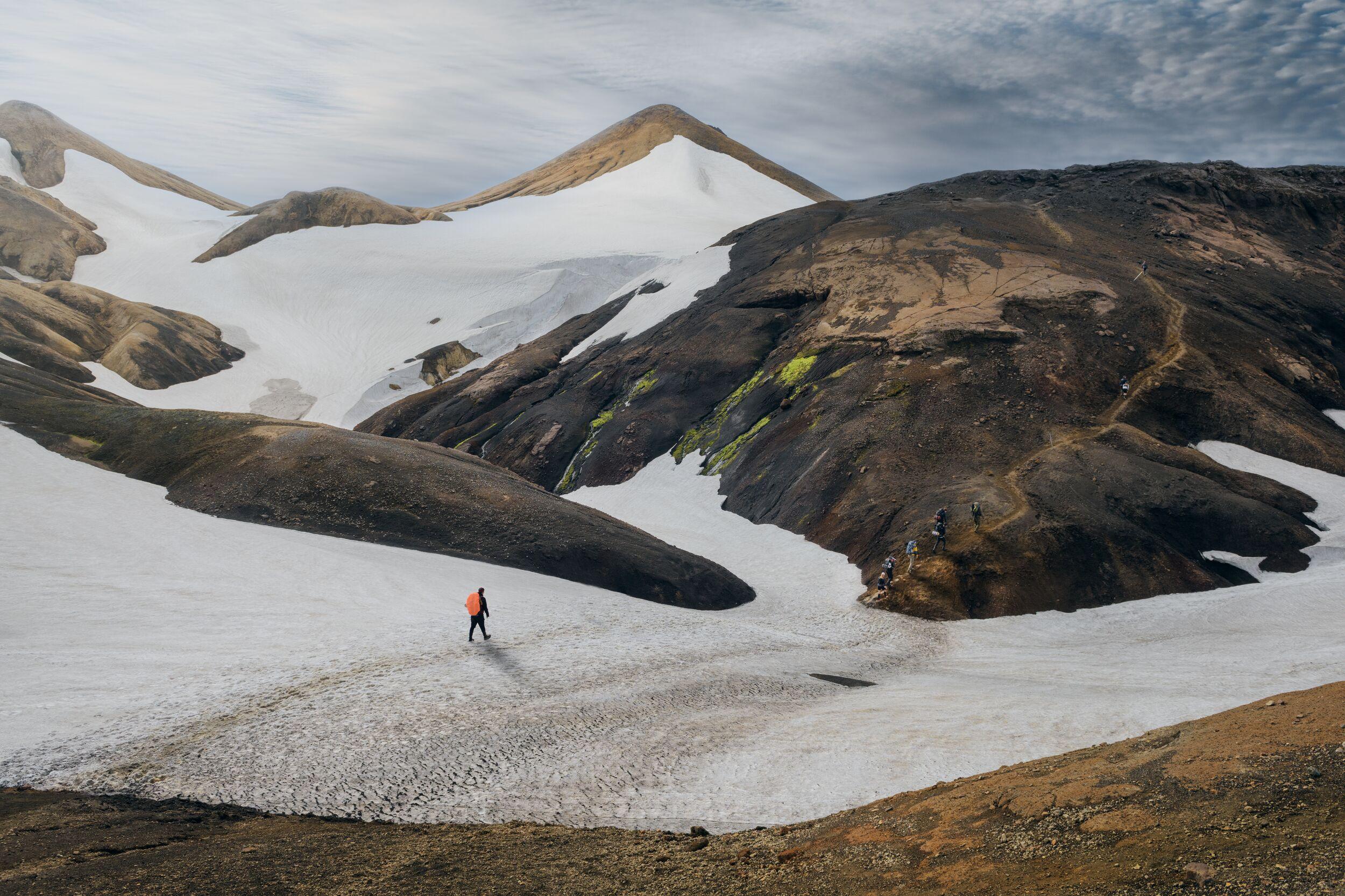
Hikers encounter lava fields, volcanic craters, snow patches, waterfalls, and exposed highland terrain before descending into Þórsmörk. Conditions can change rapidly even in summer.
The full route is demanding and requires strong fitness, but experienced guides help make the day more manageable and safer.
Check out the Day Hike Over Fimmvorduhals.
Laugavegur Trail (Þórsmörk Section)
The final stages of the Laugavegur Trail into Þórsmörk are often hikers’ favourite section of the entire trek.
After crossing black sand deserts and geothermal valleys further north, the landscape suddenly shifts into green forested terrain as the trail approaches Þórsmörk. The contrast feels dramatic after several days in the highlands.
Visitors interested in a longer trekking experience should check out the 4-Day Thorsmork Glacier Valley Hiking Adventure.
Where to Stay in Þórsmörk
Accommodation in Þórsmörk is comprised mainly of mountain huts and basic highland lodges.
Popular areas include:
- Þórsmörk Langidalur
- Básar
- Húsadalur
Options range from shared dormitory-style huts Þórsmörk is known for to camping facilities and more comfortable volcano huts with basic amenities.
Visitors should expect:
- Shared facilities
- Limited power and charging access
- Simple but functional accommodation
- Advance booking requirements during summer
Staying overnight allows access to early morning and evening hiking when the trails are quieter and conditions are often calmer.
When to Visit Þórsmörk
The main hiking season runs from June through September.
Summer (June–August)
This is the most popular period to visit Þórsmörk. Trails are generally accessible, mountain huts operate fully, and daylight hours are long.
Advantages:
- Best trail access
- Milder temperatures
- Easier river conditions
- Most transport options available
Early Autumn (September)
September can be excellent for experienced hikers. Crowds thin out, autumn colours appear in the birch forests, and the first northern lights sometimes become visible.
Conditions are less predictable, however, and weather windows become shorter.
Winter and Spring
Winter access is limited and highly dependent on conditions. Snow, ice, avalanche risk, and severe storms make independent hiking inappropriate for most travellers.
Guided winter travel into Þórsmörk requires specialist knowledge, equipment, and careful planning.
What to Pack for Hiking in Þórsmörk
Packing properly matters in Iceland. Weather changes quickly, even on shorter hikes.
Essential gear includes:
- Waterproof jacket and trousers
- Insulated mid-layer
- Sturdy hiking boots
- Trekking poles
- Hat and gloves
- Small daypack
- Reusable water bottle
- Sunglasses and sunscreen
River crossings are common on some routes, especially outside the main paths, so quick-drying layers and spare socks are worth carrying.
Safety and Conditions Throughout the Year
Þórsmörk is accessible, but it is still a serious mountain environment.
Key considerations include:
- Weather: Conditions change rapidly. Clear mornings can become cold, wet, and windy within hours.
- River Crossings: Glacial rivers fluctuate daily. Water levels often rise in the afternoon due to melting ice upstream.
- Trail Conditions: Snowfields can remain well into summer at higher elevations. Mud, loose rock, and steep descents are common on many Þórsmörk hiking trails.
- Communication: Mobile coverage may be inconsistent. Visitors should not rely entirely on phone navigation.
These are some of the reasons guided hiking is a great choice. Experienced guides understand local conditions, monitor forecasts carefully, and adjust plans when necessary. Professional guiding also reduces environmental impact by keeping groups on established routes and promoting responsible travel practices.
Guided Hiking in Þórsmörk with Mountain Guides
For many travellers, guided hiking offers a deeper and more relaxed experience in Þórsmörk.
Experienced guides provide:
- Route planning
- Weather assessment
- Navigation support
- River crossing expertise
- Local geological and cultural insight
Small-group trekking also allows for a steadier pace and more flexibility than large bus-based excursions. Rather than rushing through viewpoints, guides can adapt based on fitness levels, weather, and trail conditions.
Icelandic Mountain Guides has long experience operating in glacier and highland environments throughout Iceland. Their teams are trained to manage real mountain conditions safely while keeping the experience approachable for strong hikers who may be new to Icelandic terrain.
The focus is generally practical rather than theatrical. Þórsmörk does not need exaggeration. The landscape speaks for itself.
Þórsmörk does not need exaggeration. The landscape speaks for itself.
Guided Hikes in and around Þórsmörk
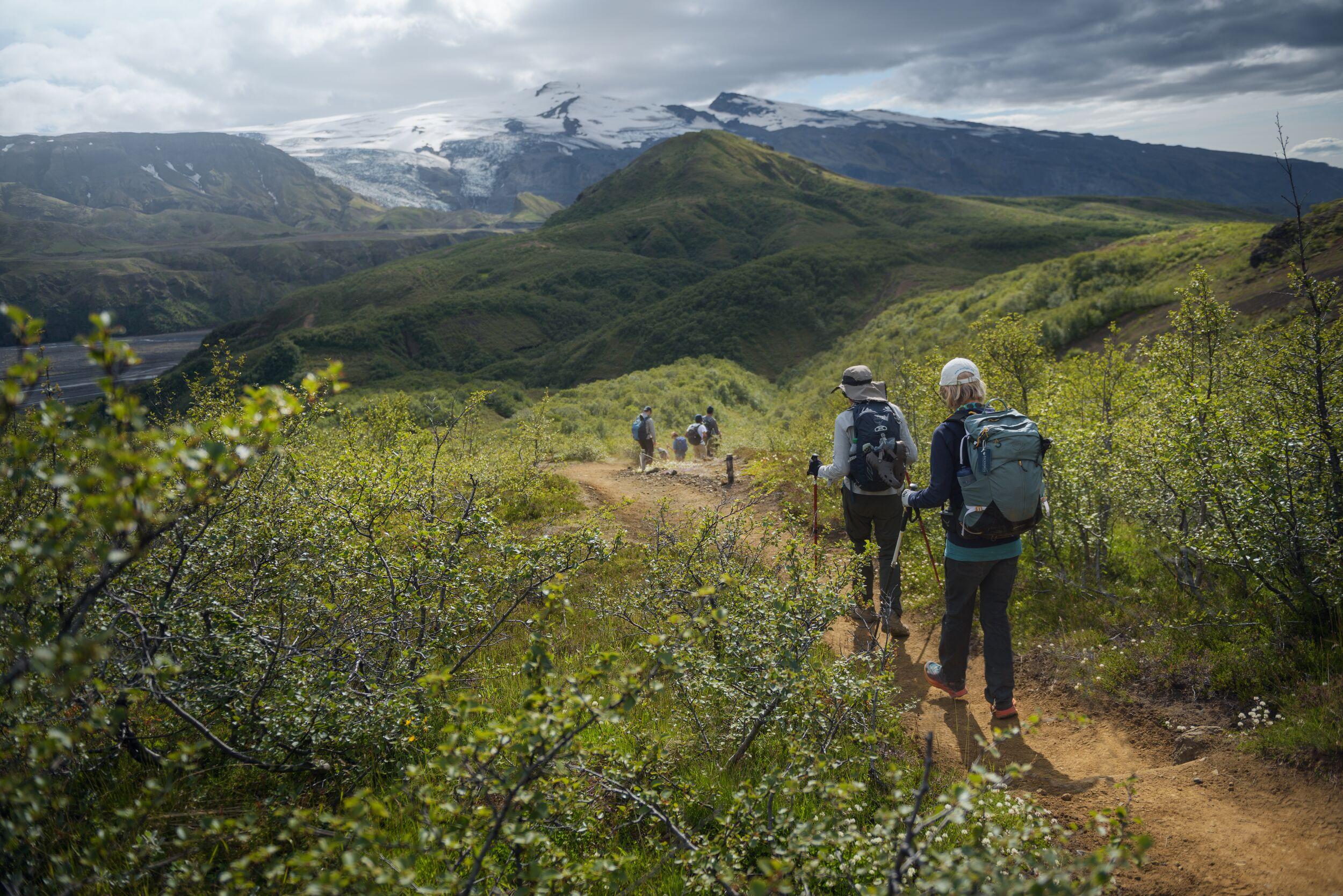
4-Day Thorsmork Glacier Valley Hiking Adventure
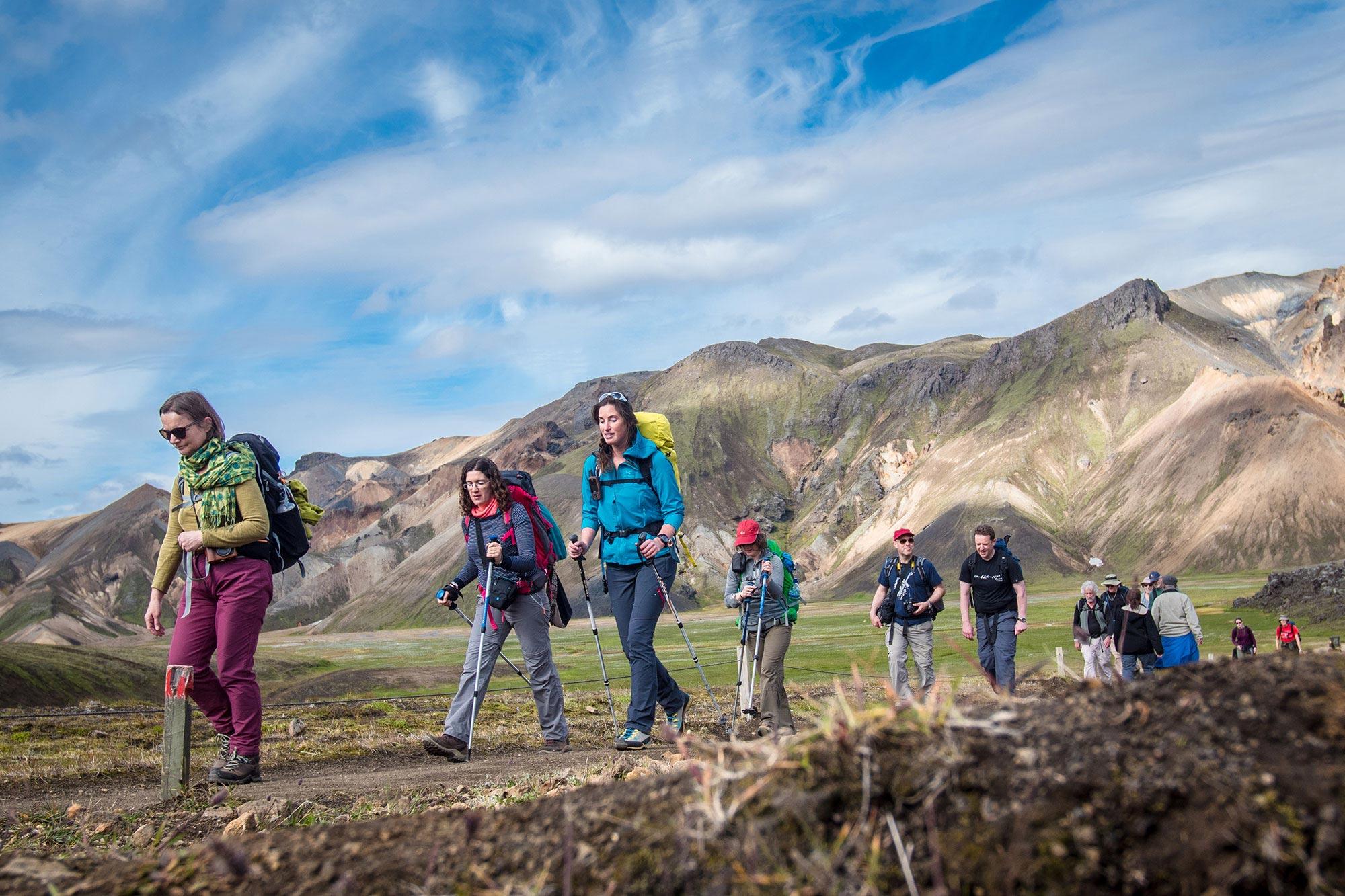
Laugavegur Trek Classic (Huts)
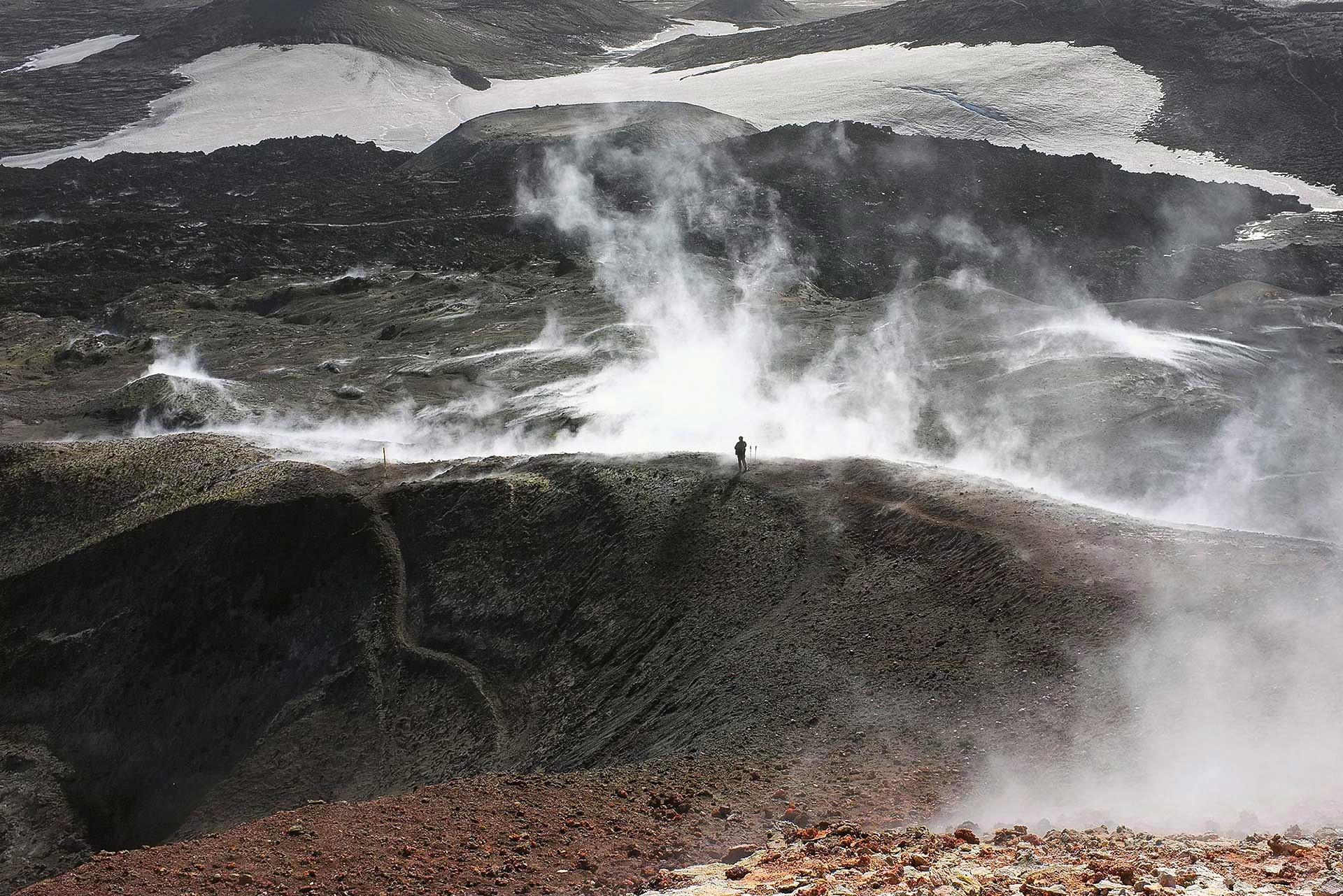
Day Hike over Fimmvörðuháls
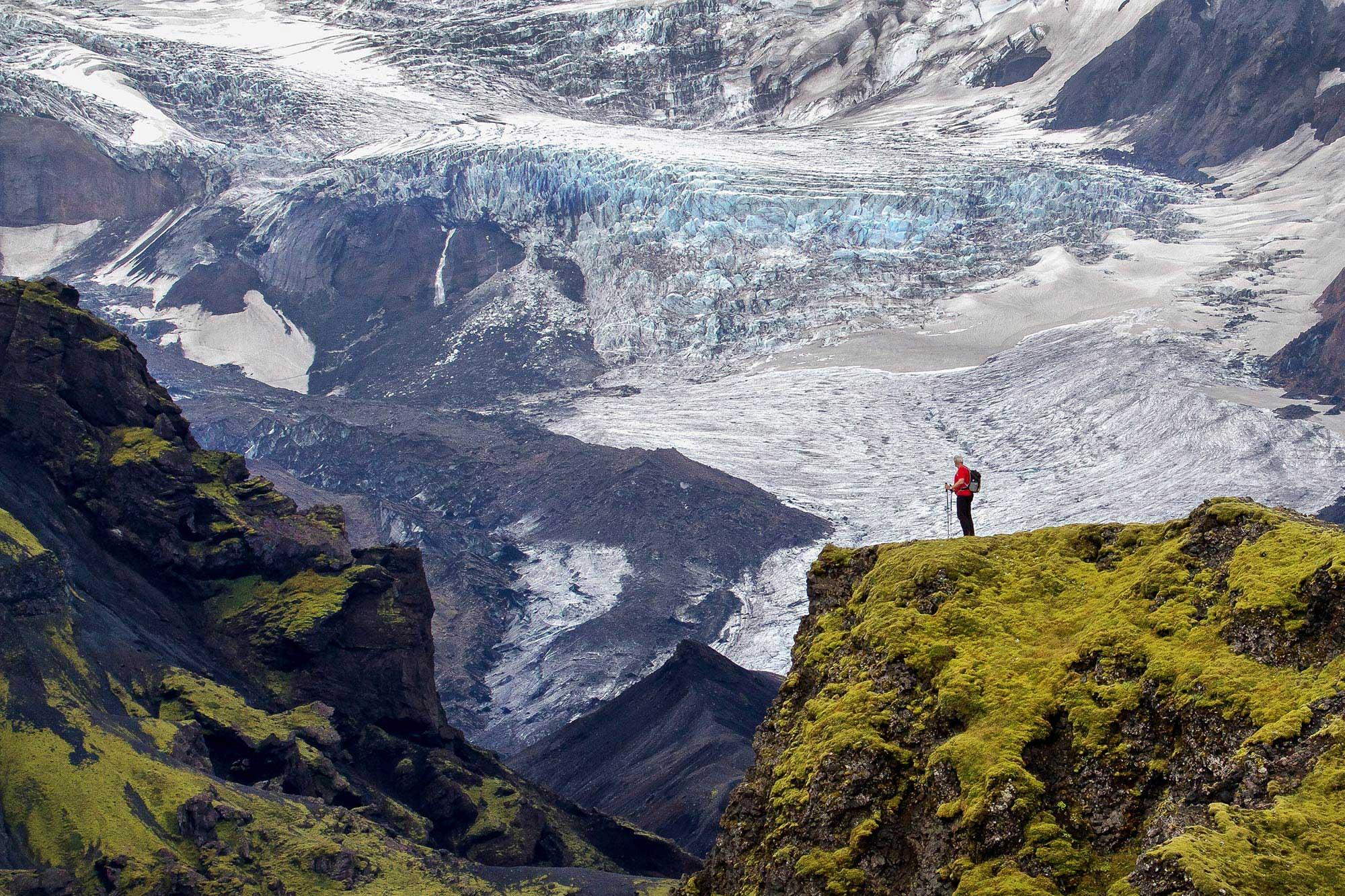
Laugavegur & Fimmvörðuháls Combo Tour
Final Thoughts
Þórsmörk is one of Iceland’s most distinctive trekking destinations because it combines accessibility with genuine wilderness. Few places offer such a varied mix of glaciers, forests, volcanic ridges, and river valleys within a relatively compact area. That sense of space is not unique to this valley. There are geological and historical reasons why untouched nature in Iceland remains the norm rather than the exception.
Some visitors come for short hikes and panoramic viewpoints. Others arrive to complete demanding multi-day crossings through the Icelandic highlands. Either way, Þórsmörk rewards preparation, patience, and respect for the environment.
For travellers willing to lace up their boots and embrace changing conditions, Þórsmörk offers a side of Iceland that feels active, immersive, and deeply connected to the landscape itself.
Frequently Asked Questions
How long is the Þórsmörk hike?
Hiking in Þórsmörk can range from short 2–3 hour walks to full multi-day treks.
Popular day hikes like Valahnúkur take a few hours, while longer routes such as the Laugavegur Trail or Fimmvörðuháls can take a full day or several days to complete. The right hike depends on your fitness level, experience, and how much of the valley you want to explore.
Is Fimmvörðuháls a difficult hike?
Yes, Fimmvörðuháls is considered a challenging hike. The route crosses high mountain terrain between Eyjafjallajökull and Mýrdalsjökull glaciers and includes steep sections, changing weather, snow patches, and long distances. Strong fitness and good hiking experience are recommended. Many travellers choose to hike it with experienced local guides for added safety and navigation support.
Can you drive to Þórsmörk, Iceland?
You can drive to Þórsmörk, but access is difficult and only suitable for properly equipped 4x4 vehicles with experienced drivers. The route includes rough mountain roads and several unbridged glacial river crossings that can become dangerous. Most visitors reach Þórsmörk by the Highland Bus, super jeep, or guided tour rather than driving themselves.
What does Þórsmörk mean?
Þórsmörk means “Thor’s Valley” or “Thor’s Forest” in Icelandic. The area is named after Thor, the Norse god of thunder, reflecting the valley’s dramatic landscapes, powerful rivers, and surrounding volcanic mountains.
Keep me informed about the Icelandic Mountain Guides Blog
Outdoor adventure in Iceland is our specialty. Subscribe to our free monthly newsletter to learn when to go, what to do and where to have the best adventures in Iceland.
Related Blog Posts
Related Tours
4-Day Thorsmork Glacier Valley Hiking Adventure