Which Iceland glacier should you visit in winter?
| glaciers, Ice Caves, All, Travel Guide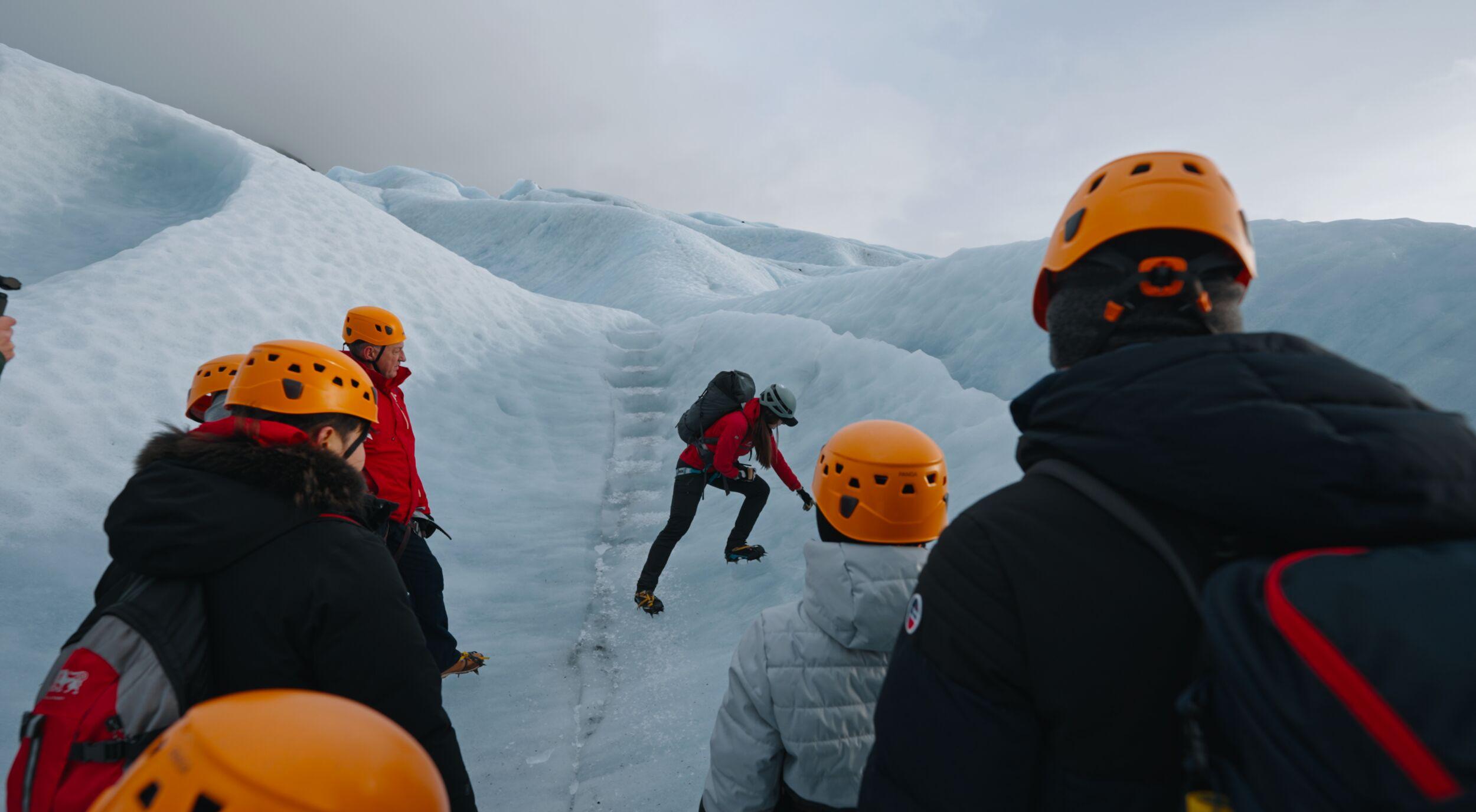
Though it’s Iceland’s volcanoes that have been making global headlines in recent years — hello, Reykjanes eruptions! — this place is more than lava and fire. It’s also a whole lot of ice. We’re talking vast swathes of ancient glaciers, shimmering blue crevasses, towering icefalls and plates of ice that stretch as far as the eye can see.
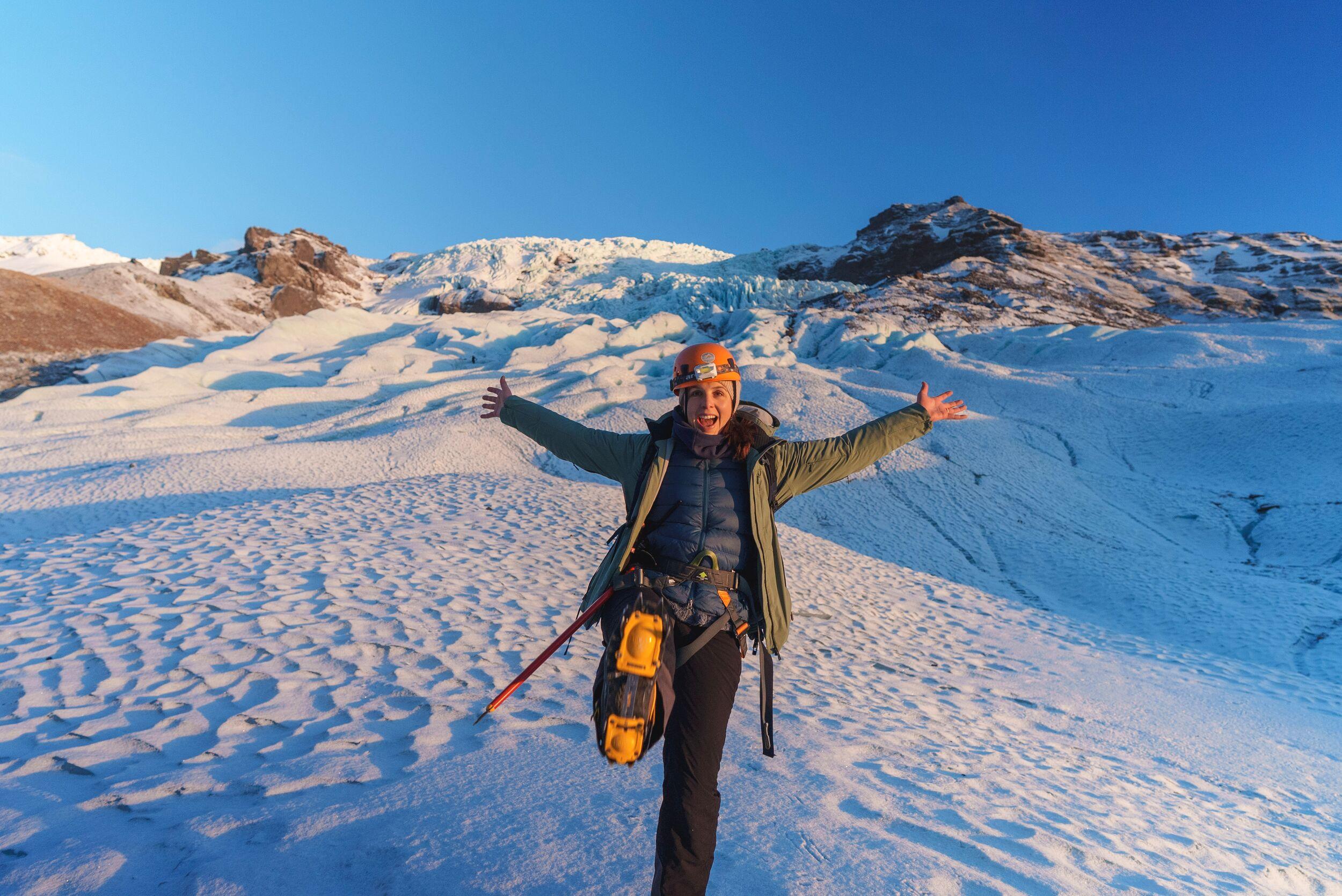
For any traveller drawn to adventure, nature and landscapes that feel (excuse the cliché) “otherworldly,” exploring glaciers is a rite of passage. Whether you’re a seasoned mountaineer craving the crunch of crampons on ice, or a curious traveller eager for a surreal walk on glacial ice, there’s a glacier-based experience in Iceland that’s just right for you.
An Introduction to Iceland’s Glaciers
The TL;DR here is that a glacier is a river of ice. They are formed when snow accumulates, compresses under its own weight, turns into ice and gradually flows outward thanks to gravity. Over centuries and millennia, glaciers have formed Iceland’s landscape, shaping valleys, carving out lagoons, feeding rivers and sculpting the country’s dramatic geography.
No shade to the likes of Norway or Pakistan, but Iceland is our favourite glacial powerhouse. There are around 269 named glaciers across the island, ranging from massive ice caps to small outlet or valley glaciers. In fact, glaciers cover roughly 11% of Iceland’s land area — that’s a mammoth 11,400 square kilometres.
These glaciers come in various types:
Ice caps: high-altitude blankets of ice that spread over plateaus or mountain massifs.
Outlet glaciers: tongues of ice that flow down from ice caps or fill mountainous hollows.
Many of the large ice caps we know today formed in colder climate periods over the last few thousand years; their margins expand and contract with climate fluctuations. Today, most of them are in retreat and losing mass due to global warming.
That makes glacier experiences in Iceland inherently time-sensitive: a magical landscape still alive, but fragile, shaped by the forces of climate and time.
So, Which Glacier Is Right For You?
Sólheimajökull — A Gateway Glacier for All Travellers
If you’re new to glacier travel or you just don’t want to venture far from the Ring Road, Sólheimajökull is the perfect starting point.
Where is Sólheimajökull?
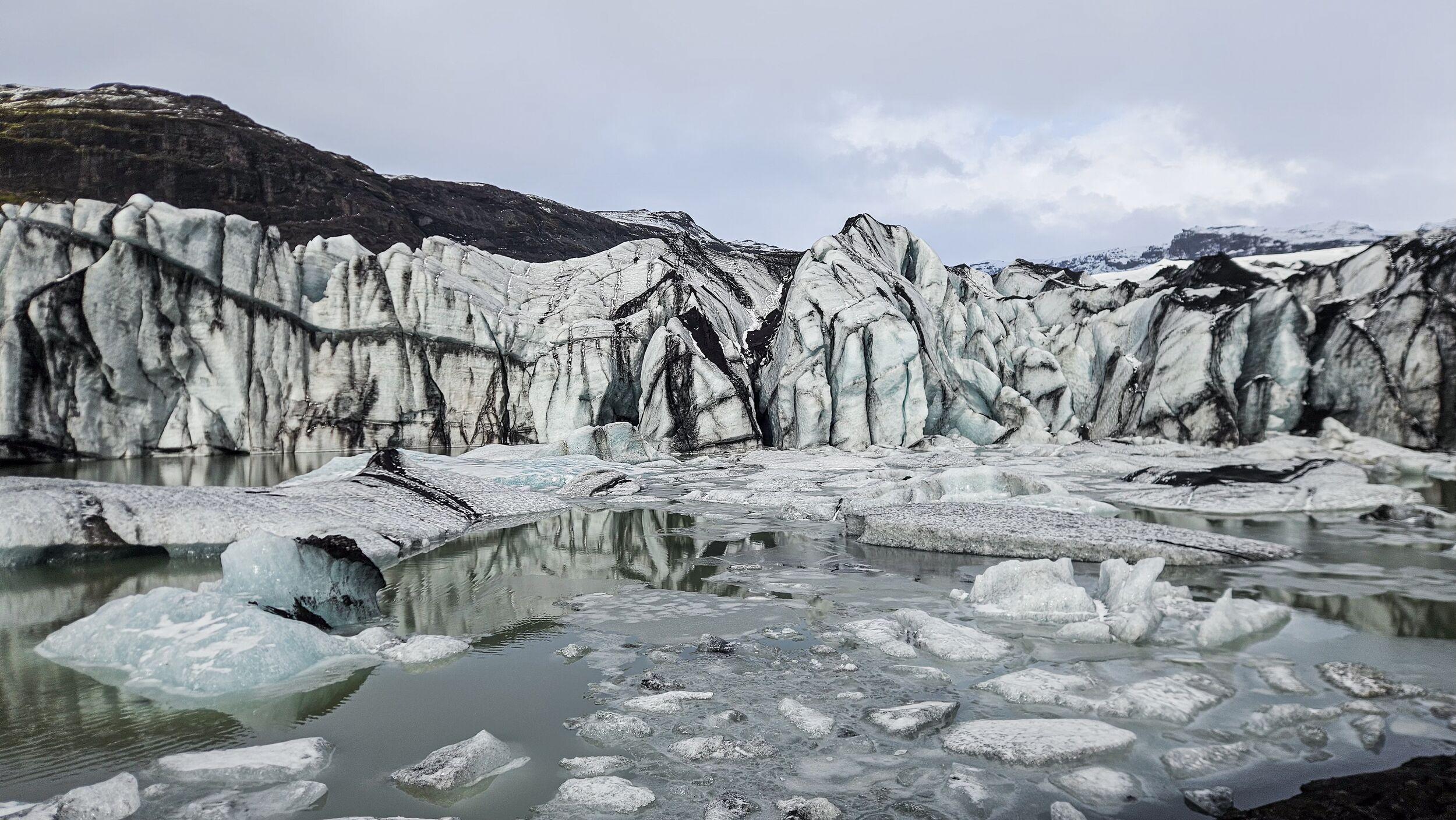
Sólheimajökull sits in southern Iceland, between the volcanoes Katla and Eyjafjallajökull, and is part of the larger Mýrdalsjökull ice cap. The glacier lies near the town of Vík í Mýrdal, about 180 km southeast of Reykjavík.
Although Sólheimajökull is comparatively small — it’s an outlet glacier rather than a vast ice cap — its modest scale is part of what makes it accessible and popular with explorers.
Is it accessible?
The beauty of Sólheimajökull lies in its accessibility. There is road access and parking nearby, meaning that your guided glacier adventures don’t need to kick off with a long trek or mountaineering expedition. This makes it an ideal choice for travellers who want a taste of glacial ice without committing to major gear or a strenuous climb.
Moreover, the relative ease of access makes Sólheimajökull a great entry point for first-time glacier-goers, families with older children, or for those wanting to slot a glacier experience into a broader South-coast itinerary exploring waterfalls, black-sand beaches and volcanic terrain.
Experience Sólheimajökull
Sólheimajökull Glacier Hike and Ice Climbing: Strap on crampons and plunge into icy wonder as you hike across the crevassed surface of Sólheimajökull — then try your hand at a short, guided ice climb. In four hours you’ll traverse ridges, peer into deep moulins, and ascend a vertical wall, all under expert supervision.
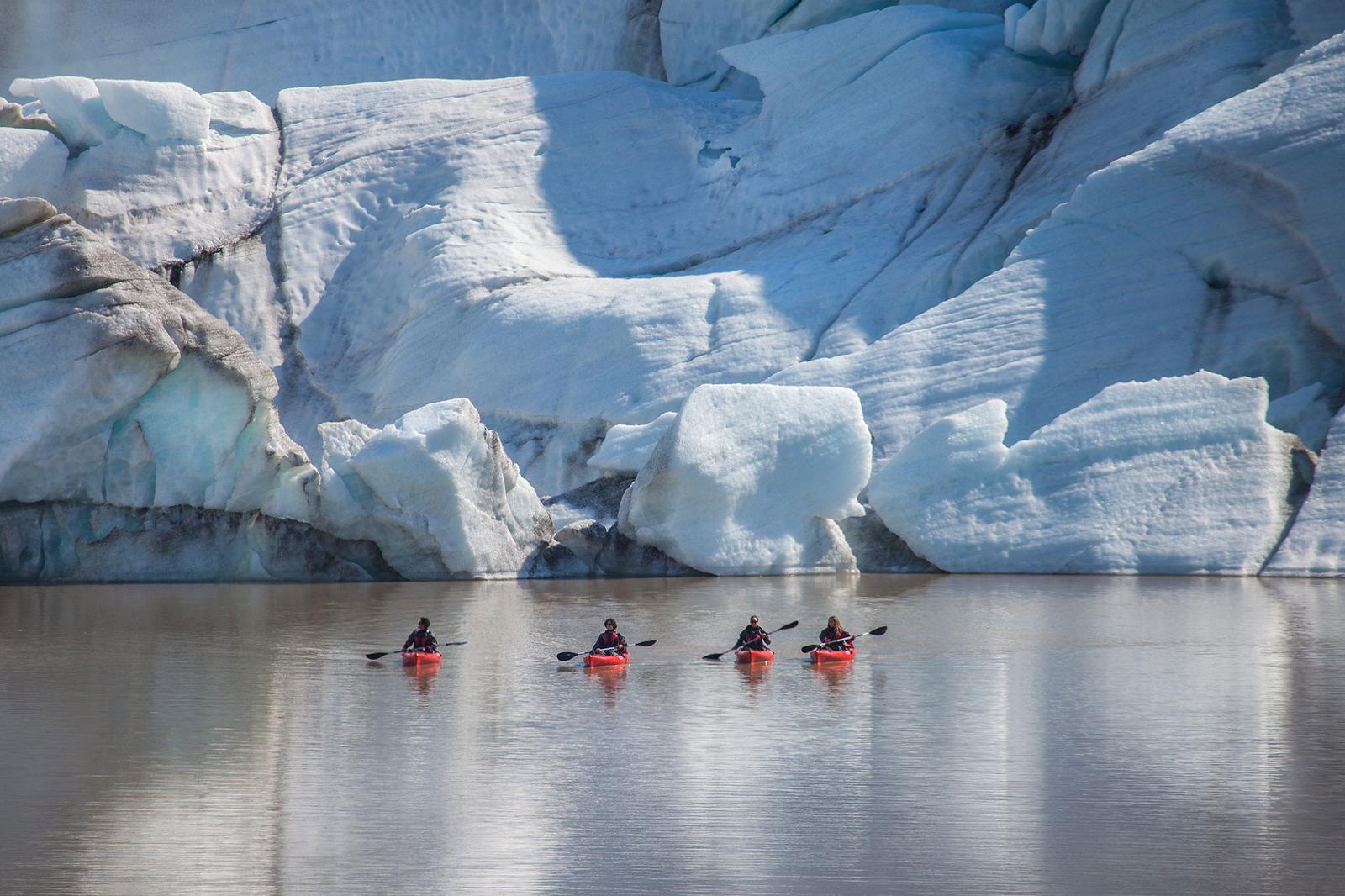
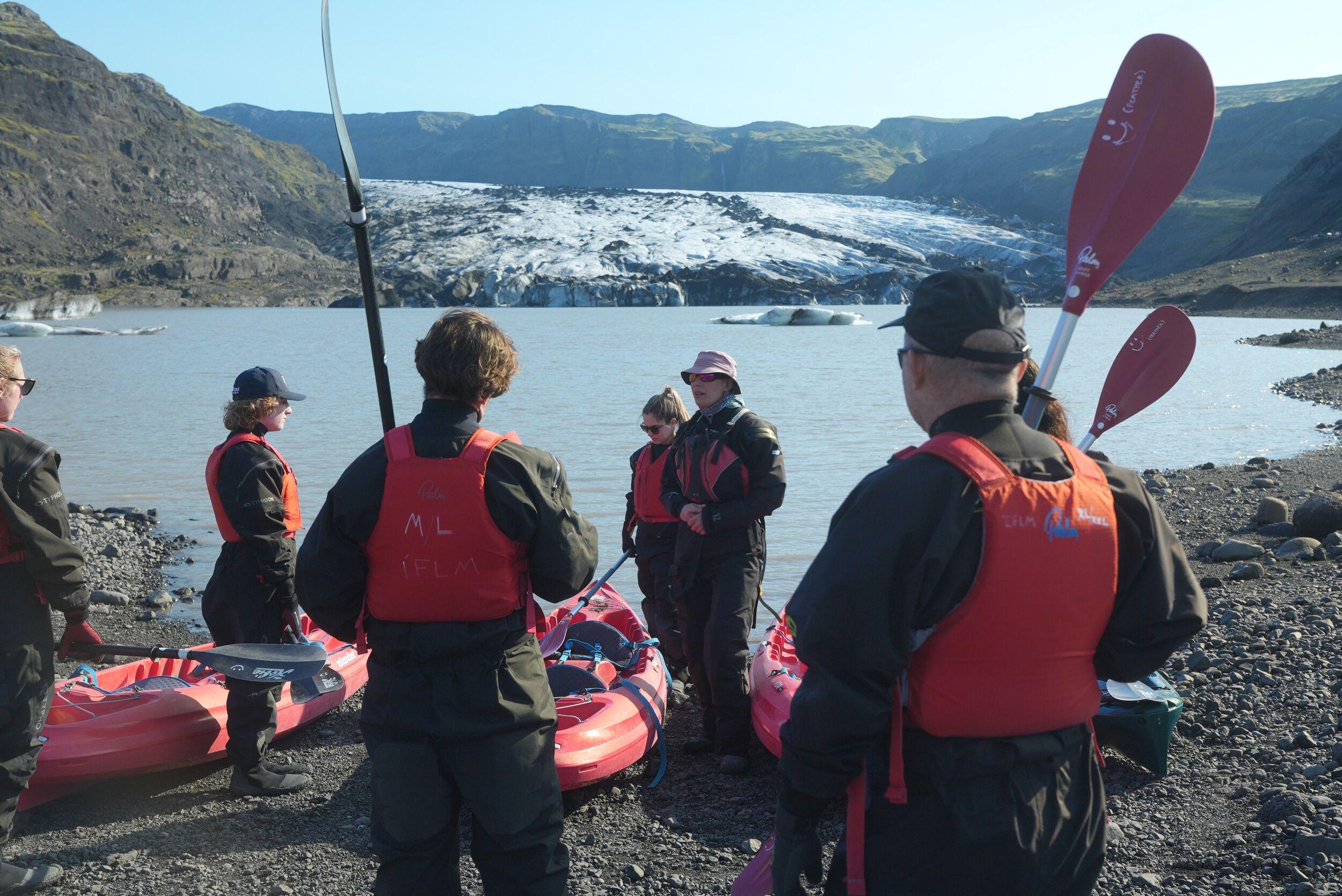
Make it a combo: A glacier walk on Sólheimajökull is an adventure in and of itself, but you can also make a longer day of it, by combining your glacier experience with kayaking in a glacier lagoon, zipping across the terrain on an ATV, or even hunting for the Northern Lights.
Vatnajökull — For the Adventurous and Curious
If Sólheimajökull is Iceland’s approachable, entry-level glacier, Vatnajökull is the icy boss level. For those craving scale, adventure or a deeper glacial journey — this is where to look.
Where is Vatnajökull?
Vatnajökull lies in southeastern Iceland. It is by far the largest ice cap in the country (and one of the largest in Europe), covering roughly 7,900 km². This enormous sheet of ice feeds dozens of outlet glaciers, some of which reach down toward coastal lagoons and glacier lakes that have formed in recent decades.
This scale — ice cap thousands of square kilometers in size, thick ice mass, multiple glacial outlets — is what gives Vatnajökull its status as a glacial icon.
But Is It Accessible?
Travelling to Vatnajökull is generally feasible along Iceland’s south-east ring road or via detours through the national park areas. The variety of landscape around it — glacier tongues, lagoons, ice caves, volcano-ice interplay — means there are many ways to experience it depending on your ambition (or energy levels).
For travellers searching for the best glaciers to visit in Iceland, Vatnajökull stands out because you can combine glacier hikes with ice-cave exploration, long-distance glacier treks, or even more technical ice climbs — depending on the season and your travel group’s level of experience and fitness.
The ice cap’s multiple outlet glaciers and glacial lagoons make it ideal for more immersive and varied glacier excursions.
Experience Vatnajökull
Blue Ice Experience - Glacier Hike: Step aboard a monster-truck ride to the edge of a Vatnajökull outlet glacier, then strap on crampons and dive into a shimmering world of blue ice, crevasses and ridges. This 3.5-hour hike brings you into the heart of an icy wilderness — wild, epic, unforgettable. Or make it a combo tour with a boat ride on Fjallsárlón Glacier Lagoon.
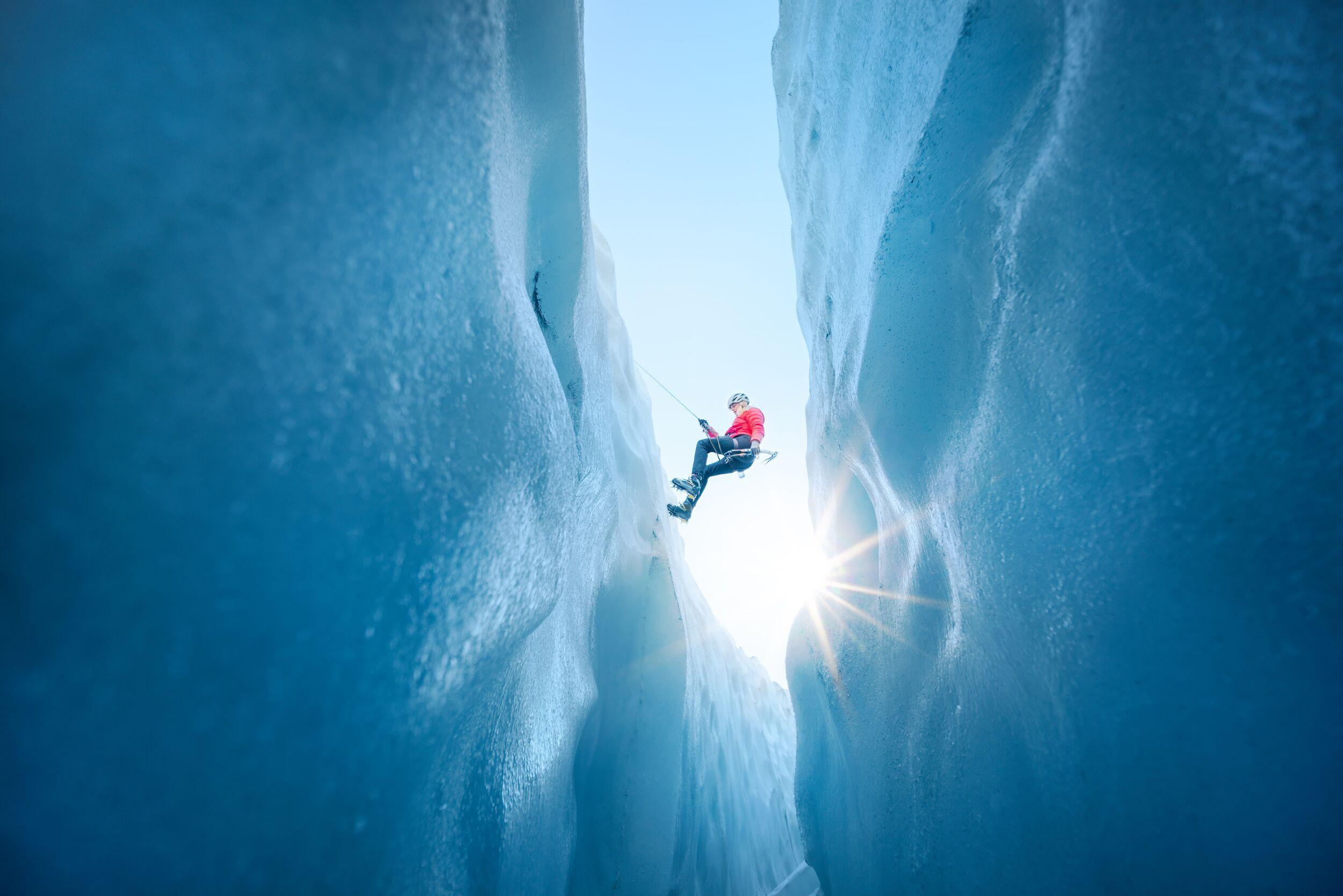
Skaftafell Glacier Hike and Ice Climbing: Wander across glacial plains high in Vatnajökull National Park and then channel your inner mountaineer with a guided ice-climb up a frozen wall. This 4.5-hour ice-venture delivers raw glacier energy and thrilling vertical challenge, all under expert supervision.
Custom Skaftafell Adventure: Ditch the schedule and embrace the unknown. Over 8–9 hours, your guide responds to conditions and group rhythm — whether that means glacier crossings, ridge hikes, ice caves or alpine ascents. Every day is different. Expect solitude, wild terrain and pure adventure.
Eyjafjallajökull — The Infamous Volcanic Glacier
For many travellers familiar with Iceland’s volcanic reputation, Eyjafjallajökull likely rings a bell. Its 2010 eruption spewed out enough ash to ground planes throughout much of Europe. (Sorry ‘bout that.) It stands out not only as a glacier but as a glacier-covered volcano — a true combination of ice and fire.
Where is Eyjafjallajökull?
Eyjafjallajökull is a stratovolcano draped in an ice cap that lies along Iceland’s South Coast, just south of the stunning Þórsmörk nature reserve. The ice cap covered about 66 km² in 2019; down from more than 80 km² a few decades ago. The volcano’s peak reaches about 1,666 m above sea level.
How about that accessibility?
Because Eyjafjallajökull lies in southern Iceland — relatively near the Ring Road and close to other South Coast attractions — it’s relatively accessible for travellers willing to detour in the name of adventure.
However, because this glacier sits atop a volcano, the landscape can be more rugged and changing. Ash fall from volcanic activity — such as from past eruptions — can affect the glacier surface, while the glacier’s tongues and outlets may shift over time.
Experience Eyjafjallajökull
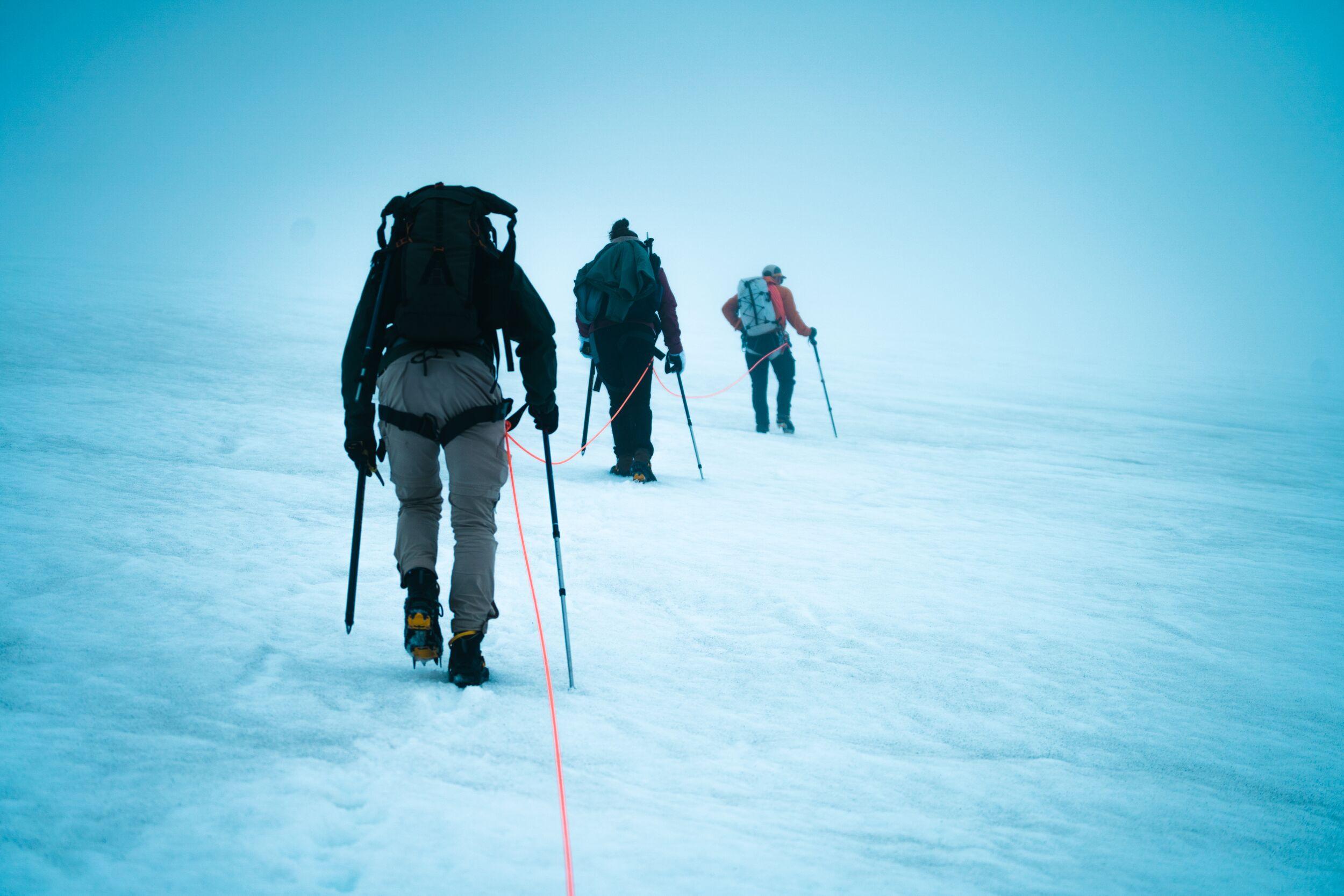
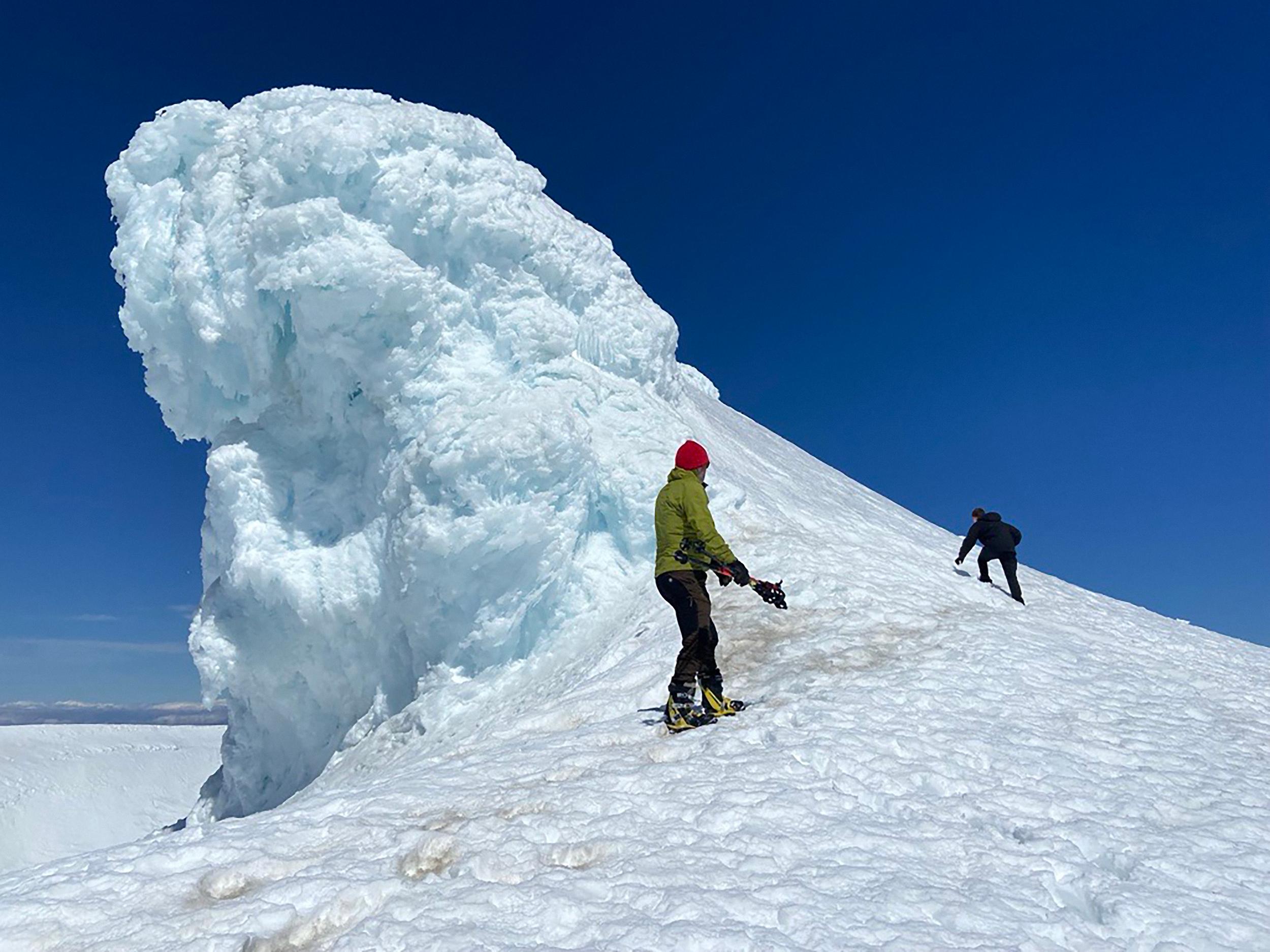
Eyjafjallajökull Summit Hike: This new experience from Icelandic Mountain Guides will see you climb from Seljavallalaug over steep foothills. You’ll strap on crampons around the 950 m mark, then ascend ~1,600 m over glacier and snow to reach the summit of Eyjafjallajökull. Expect sweeping views over the crater, the Atlantic coast and distant glaciers. This is an epic day of rugged Icelandic mountain magic.
Snæfellsjökull — Iceland’s Mystical Glacier-Volcano
Far from the massive ice fields of the South Coast lies Snæfellsjökull: a small but hugely significant glacier-volcano on the western tip of the country — mystical, accessible and perfect for travellers with some mountaineering experience.
Where is Snæfellsjökull?
Snæfellsjökull sits at the western tip of the Snæfellsnes Peninsula. Its peak rises to 1,446 m above sea level. The glacier itself is relatively small (around 11 km² in area), which makes it the thirteenth largest glacier in Iceland.
Though small compared to Vatnajökull or Mýrdalsjökull, Snæfellsjökull’s fame and character lie in its dramatic volcanic backdrop, cultural resonance (think legends, folklore, literature), and accessibility from Reykjavík. On a clear day, the glow of the glacier can even be seen from the capital.
How Accessible Is It?
Reaching Snæfellsjökull is straightforward: drive along the Snæfellsnes peninsula (via the Hvalfjörður tunnel from Reykjavík), or take a guided tour. The peninsula is well served with roads, and the lower slopes of the glacier — as well as nearby coastal villages like Arnarstapi and Hellnar — offer nice base points for rest, coffee, meals, or coastal walks before or after the glacier hike.
Experience Snæfellsjökull
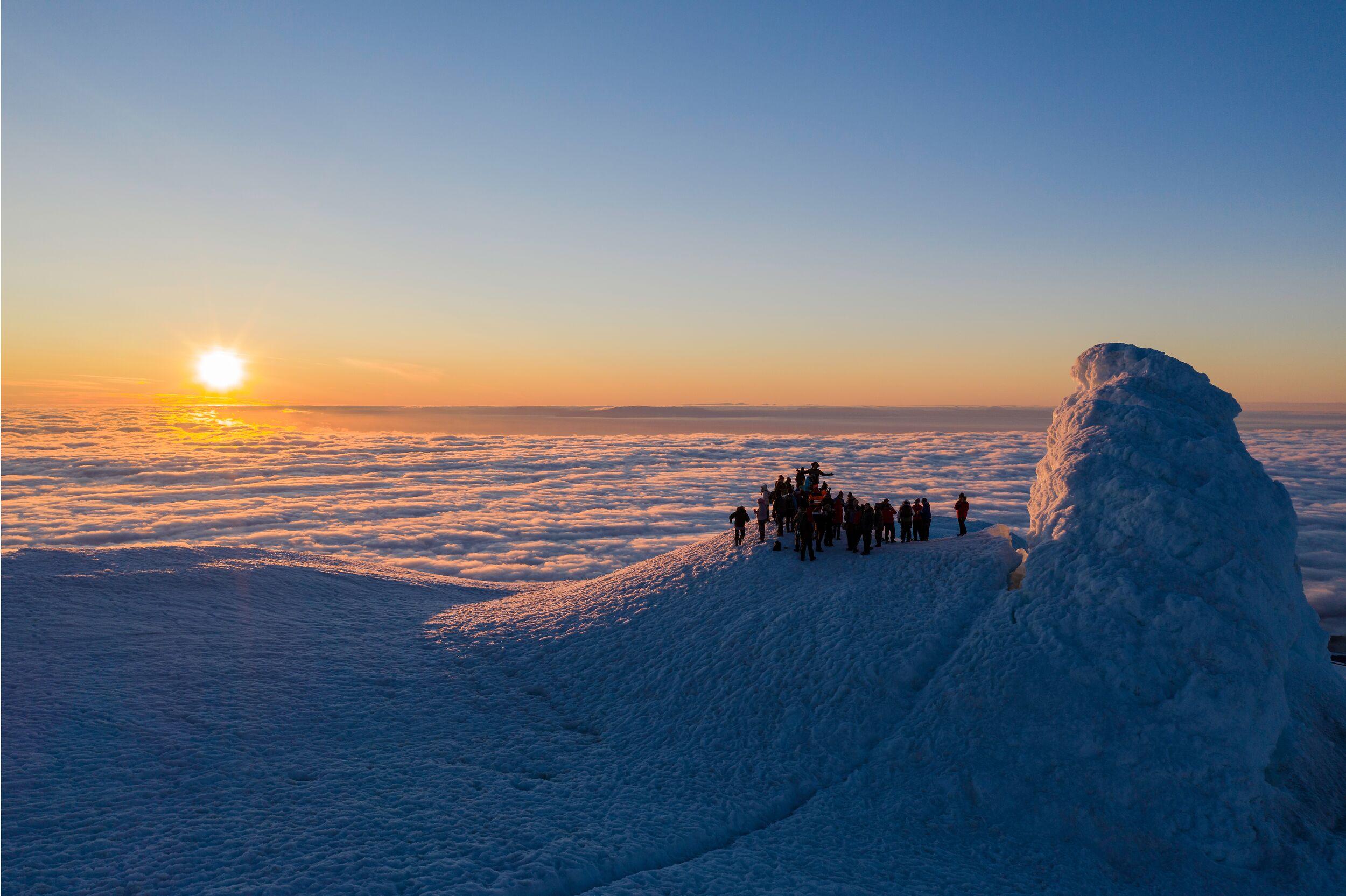
Iceland Eclipse 2026 Glacier Hike – Summit Snæfellsjökull for Totality: Wait just one second… this tour combines an epic glacier summit and a once-in-a-lifetime total solar eclipse!? Yep! You’ll hike up to the 1,446 m glacier-volcano summit of Snæfellsjökull to the best vantage point in the world to witness the 2026 total solar eclipse. It’s a rare blend of ancient ice, volcanic mystery, and celestial spectacle.
What to Expect on Glacier Tours with Icelandic Mountain Guides
Glaciers are beautiful — but they are also potentially dangerous terrains. Crevasses can open without warning, while ice can shift and meltwater can form unstable caves. Weather changes fast and visibility can drop in a heartbeat. For anyone looking to explore Iceland’s glaciers at any time of year, safety must be at the forefront.
Here’s what you can expect on a glacier adventure with Icelandic Mountain Guides
Professional guides and local knowledge: Our guides know the glacier — its current shape, weak spots, safe zones and seasonal quirks. They follow changing conditions and know when to redirect or cancel tours for safety.
Specialized gear: For most glacier walks or hikes, you’ll be equipped with crampons, ice axe, harness, ropes and helmets when needed. For ice climbing or more technical excursions, extra gear (ropes, anchors, helmets) is used to ensure safe ascents and descents.
Training and guidance: Even for “easy” glacier walks, guides teach participants how to walk in crampons, how to use ice axes, what to do near crevasses, and how to self-arrest if sliding on ice. On more technical trips, they manage roped teams, set up anchor points, and navigate glacier crevasse zones.
Route planning and weather monitoring: Weather in Iceland can be fickle. Guides choose safe routes, monitor forecasts and may postpone or reroute tours if wind, snow, or visibility makes glacier travel unsafe.
We’ll take care of all the planning and safety considerations, but you should make sure you’re dressed for the occasion. Wear warm layers, waterproof outerwear and sturdy hiking boots. Pack a good pair of gloves, sunglasses (to combat ice glare), snacks and water. IMG also has some outerwear available for rent, so be sure to ask if there’s anything you need.
In short: when you book a glacier tour with reputable guides, you’re experiencing the ice under conditions optimized for safety — giving you more freedom to appreciate the privilege of walking on ancient ice, without undue risk.
So, Which One Glacier is Right For You?
Glaciers are among Iceland’s greatest treasures — gigantic slow-moving rivers of ice, carved by time and climate, shaped by volcanic fire, and sculpted by wind, rock, and snow. They cover about 11% of the land, and are made up of nearly 270 named glaciers, from huge ice caps to small valley glaciers.
Yet each glacier offers a unique window into Iceland’s wild heart:
Sólheimajökull — easily accessible, small but dramatic outlet glacier, ideal for first-time glacier walkers, glacial hikes, and travellers on a South-Iceland loop.
Vatnajökull — the great ice cap, perfect for long glacier hikes, ice-cave tours, technical expeditions, and travellers craving scale and glacial diversity.
Eyjafjallajökull — a glacier-capped volcano near the south coast, combining volcanic drama with glacial texture; a good fit for those balancing glacier visits with other southern Iceland adventures.
Snæfellsjökull — small, mystical glacier-volcano on the west coast, accessible from Reykjavík and ideal for travellers wanting a glacier experience without heading far east or deep into the highlands.
At the same time, safety — experienced guides, good gear, and respect for ice — is essential. That’s why guided glacier walks and tours remain the best way to explore.
Whether you’re lacing up crampons for the first time, drawn to blue-ice caves, or planning an epic traverse, glacier travel in Iceland offers adventure, wonder, and a deep connection to a landscape shaped by elemental force. So pack your layers, check the weather, and step into the ancient ice — because experiencing Iceland’s glaciers is something you’ll remember forever.
Frequently Asked Questions about Picking a Glacier
What is the difference between a winter glacier walk and an ice cave tour?
A winter glacier walk focuses on exploring the glacier surface—its crevasses, ridges, blue ice formations, and dramatic winter landscapes. Guests wear crampons and walk on the ice with an expert glacier guide, learning about glacier movement, geology, and climate.
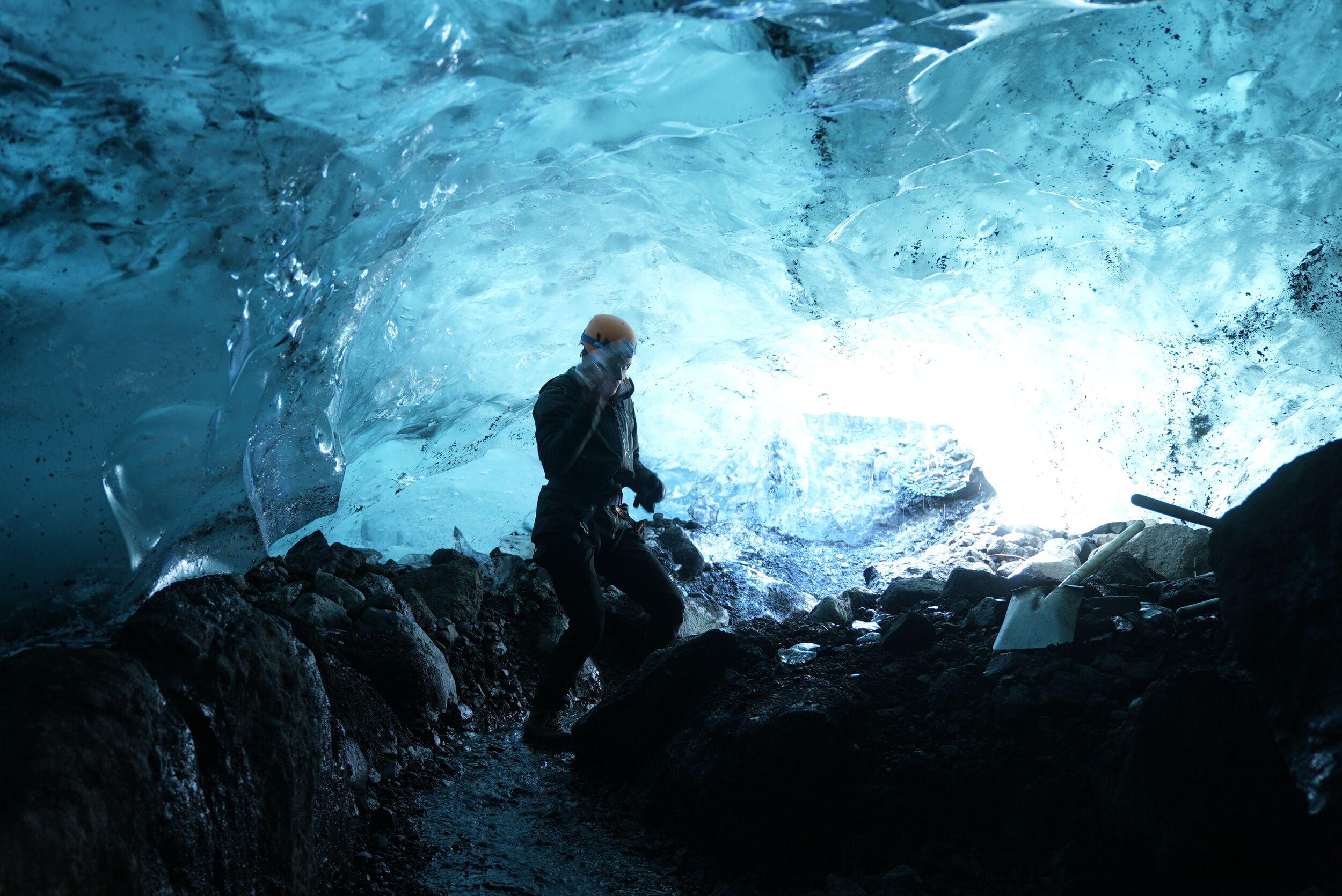
An ice cave tour, on the other hand, takes you inside naturally formed caves and tunnels that appear each winter as meltwater carves paths through the glacier. These caves glow with deep blue ice, arches, and textures that can only be seen from within the glacier itself.
- Glacier walk: Active, outdoors, on the ice surface → more consistent availability.
- Ice cave tour: Inside the glacier → highly weather-dependent and limited to the winter season.
Many IMG tours combine both experiences when conditions allow.
Which glaciers are safest and most accessible in winter?
The safest and most accessible Icelandic glaciers for guided winter tours include:
Sólheimajökull
- Closest major glacier to Reykjavík
- Reliable winter access
- Excellent for shorter glacier walks
Falljökull (part of Vatnajökull National Park)
- Stable glacier tongue with varied terrain
- Excellent for scenic, less crowded glacier hikes
Katla Ice Cave (Mýrdalsjökull region)
- Strong winter ice cave destination because caves form in the volcanic ice cap
The safety of any glacier depends on conditions, snowfall, temperature, and guide assessment. IMG only operates tours on glaciers that are continuously monitored by expert certified guides.
How long is the drive and travel time to each option?
Approximate travel times from Reykjavík:
- Sólheimajökull / Mýrdalsjökull Base Camp: ~2.5 hours
- Skaftafell / Falljökull: ~4.5 hours
- Jökulsárlón area: ~5 hours
Most winter glacier tours are full-day experiences once driving and activity time are combined.
Tours departing from the region (Sólheimajökull, Skaftafell) have minimal transport time—typically 5–15 minutes from meeting point to the glacier.
What physical level is required?
Winter glacier walks are suitable for anyone with moderate fitness who can comfortably walk on uneven surfaces for 2–3 hours.
General guidelines:
- Easy/moderate glacier walks: Suitable for beginners; slow pace; minimal elevation gain
- Longer or more technical glacier hikes: Require better stamina and a steady step
- Ice cave tours: Usually easy to moderate, but may involve crouching, short climbs, or walking on slippery ice
Guests with knee, hip, or balance issues should consult IMG before booking to choose the right difficulty level.
Can children join glacier tours in winter?
Yes — children can join many glacier tours, but age limits vary depending on difficulty and conditions.
Typical guidelines:
- Glacier walks: Minimum age ~8–10 years
- Ice cave tours: Minimum age typically 6–10 years depending on cave accessibility
- More advanced glacier hikes: Often require ages 12–14+
IMG evaluates conditions daily, and safety is always the top priority.
What gear and clothing is needed for winter glacier walks?
IMG provides:
- Crampons
- Ice axe (if required)
- Helmet
- Harness (for certain tours)
Guests must bring:
- Sturdy hiking boots (required for crampons; rentals often available)
- Warm, waterproof outer layers
- Thermal base layers
- Gloves and hat
- Backpack for snacks and water
Winter conditions change rapidly, so dressing in warm, windproof, and waterproof layers is essential.
How does weather or daylight impact glacier tours in winter?
Weather affects winter tours more than any other factor. High winds, heavy snowfall, or poor visibility may require delays, rerouting, or cancellations for safety.
Daylight is limited from November to January, but glacier tours still operate successfully because:
- Guides use high-quality headlamps
- Glaciers reflect available light, making surface travel surprisingly bright
- Many ice caves look even more striking in low light
IMG monitors conditions continuously and adjusts departure times to maximize safety and visibility.
When is the ice cave season, and is it reliable?
The natural ice cave season in Iceland typically runs from:
Mid-October to late March
However, reliability changes year to year because ice caves:
- Are formed naturally
- Are affected by temperature, meltwater, snow, and glacier movement
- Can change shape or collapse between seasons
IMG locates and monitors ice caves throughout the winter, and tours only operate when conditions are safe.
Artificial or “man-made” ice tunnels (like Into the Glacier) offer year-round access, but natural caves remain a winter-only experience.
How do glaciers compare in scenic quality and diversity?
Each glacier offers something different:
Sólheimajökull
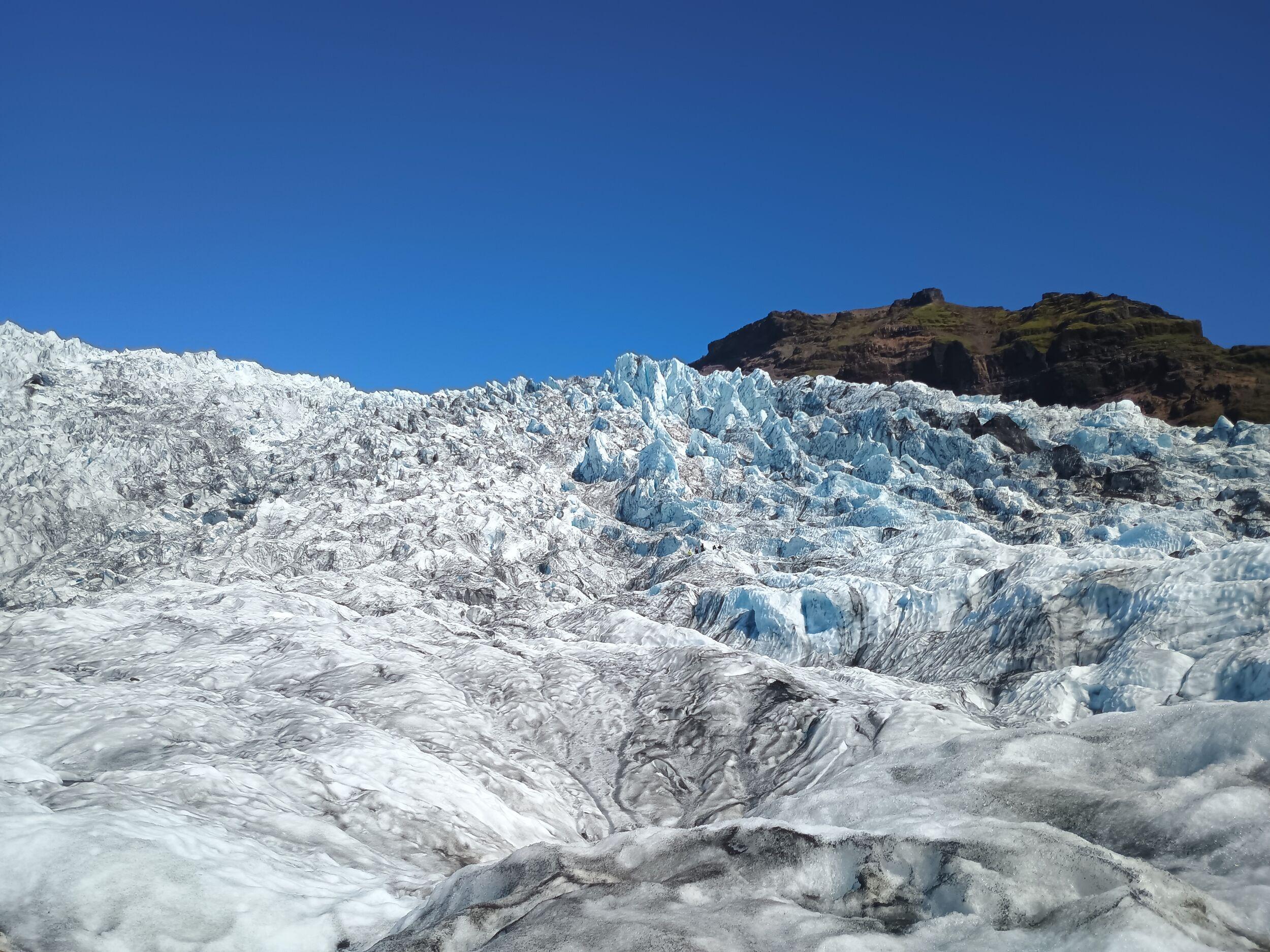
- Dramatic crevasses, ash stripes, and rugged textures
- Very accessible
Falljökull / Skaftafell
- Towering icefalls, blue ice walls, and sweeping glacier valleys
- Ideal for photography
Vatnajökull Ice Caves
- Deep blue ice, arched ceilings, crystal textures
- The most dramatic ice cave visuals in Iceland
Katla Ice Cave (Mýrdalsjökull)
- Unique mix of volcanic ash and ice
- Reliable winter accessibility
There’s no “best” glacier — only the one that matches your style, fitness level, and travel route.
Keep me informed about the Icelandic Mountain Guides Blog
Outdoor adventure in Iceland is our specialty. Subscribe to our free monthly newsletter to learn when to go, what to do and where to have the best adventures in Iceland.
Related Blog Posts
Related Tours
Eyjafjallajökull Summit hike
Skaftafell Glacier Hike and Ice Climbing