Eyjafjallajökull Volcano Travel Guide
| Travel Guide, All, glaciers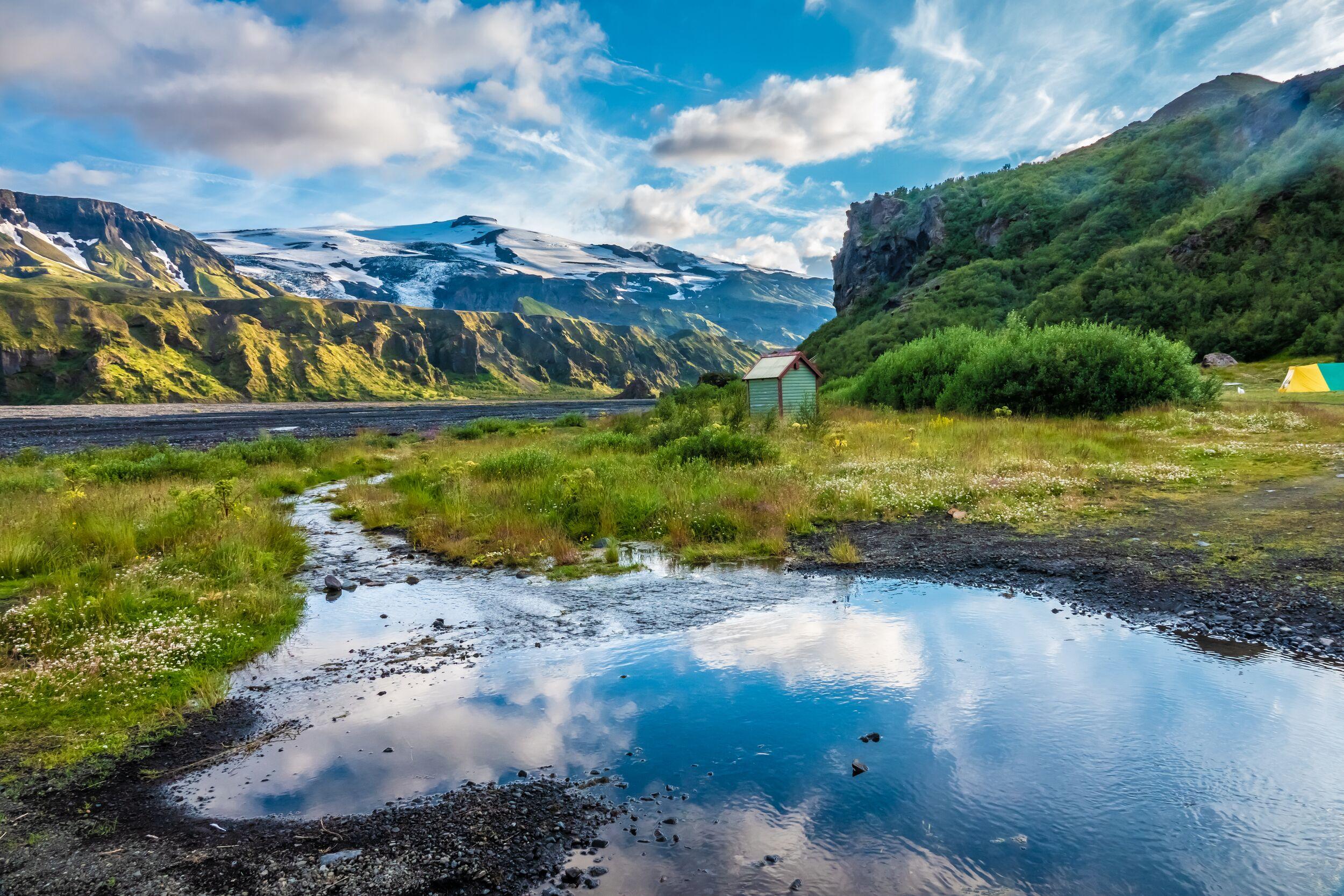
Exploring Eyjafjallajökull, Iceland's Glacier-Capped Giant
Iceland is one of the few places where mountaineering feels raw and deeply connected to the land, while still being remarkably accessible. Within a single day, you can move from moss-covered lava fields to ice-capped summits, crossing glacial rivers and navigating terrain shaped by the elements. This constant contrast is what makes the country such a compelling destination for serious adventure travellers.
Among these landscapes, Eyjafjallajökull stands out as one of the most recognisable and rewarding objectives. This glacier-covered volcano in Iceland offers a rare combination for nature-lovers: accessible routes for strong hikers, real alpine conditions, and a history that has shaped both the land and global awareness of Iceland's geology.
Mountaineering here is all about moving deliberately through a dynamic environment — you know, the whole thing about it being about the journey, rather than the destination. The weather here shifts quickly. The conditions evolve. The glacier creaks and shifts beneath your feet. But with the right preparation and guidance from Icelandic Mountain Guides, Eyjafjallajökull becomes an achievable and deeply memorable experience.
Whether you're exploring a lower-elevation hiking trail or going for the summit, Eyjafjallajökull delivers an authentic introduction to Icelandic mountaineering.
Eyjafjallajökull: The Where, The What and The Geological Significance
Eyjafjallajökull is a glacier-covered stratovolcano located in southern Iceland, just west of the larger Mýrdalsjökull ice cap. Rising to approximately 1,651 metres (5,417 feet), it may not be Iceland's tallest peak, but it is among the most iconic.
Key facts
Type of volcano: Stratovolcano (composite volcano)
Location: Southern Iceland, near the south coast
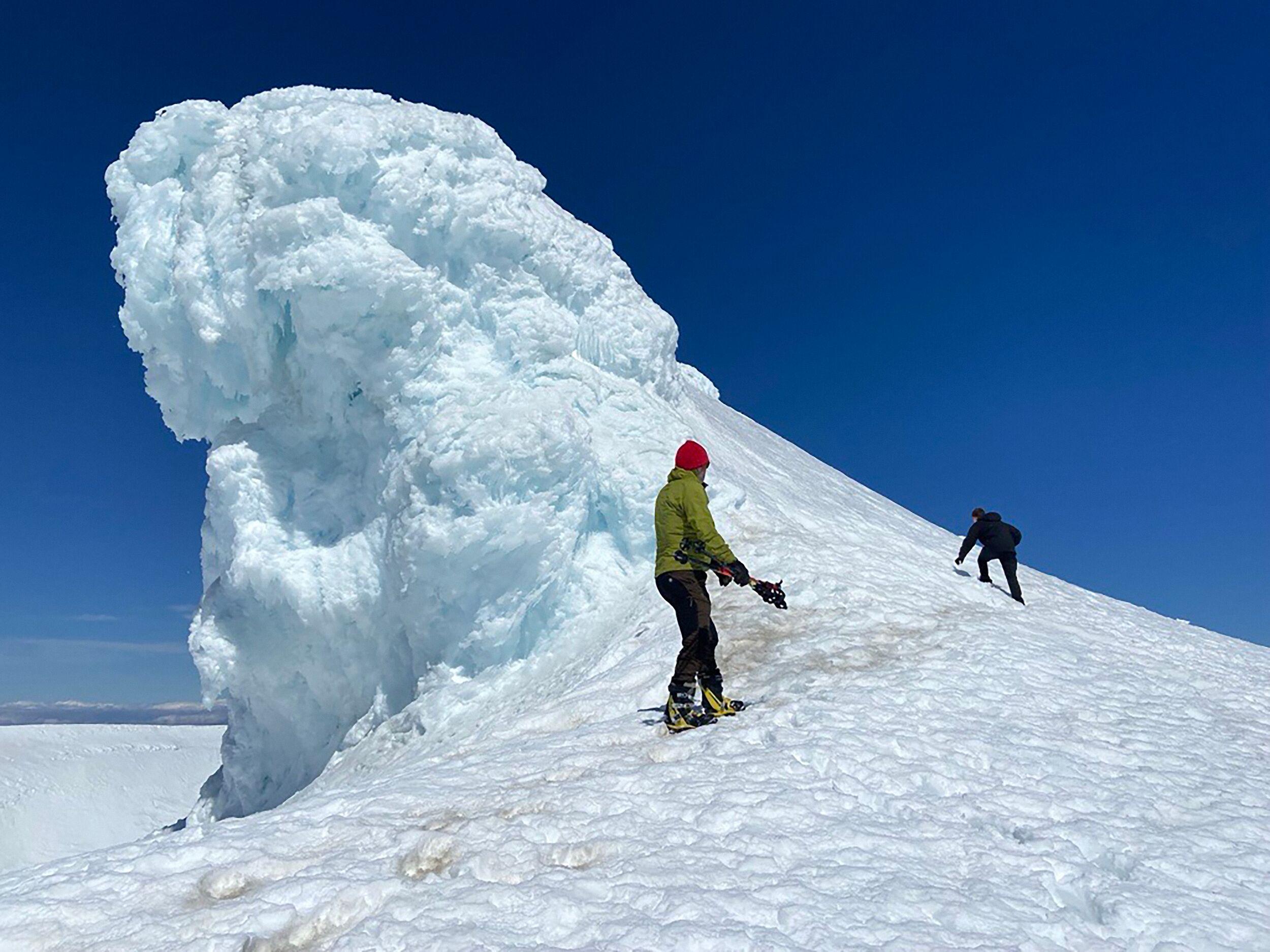
Ice cap coverage: Yes — the summit is glacier covered
Nearby features: Glacial rivers, black sand plains and the famous Þórsmörk valley
As a stratovolcano, Eyjafjallajökull is built from layers of lava flows, ash and volcanic debris. This structure contributes to its steep profile and the varied terrain you can encounter on ascent.
The volcano sits along a tectonic boundary where the North American and Eurasian plates diverge. This makes it an active volcano, with periodic seismic activity, including small earthquakes that signal movement beneath the surface.
The 2010 Eruption
Eyjafjallajökull entered global consciousness when it began erupting on April 14, 2010. While the volcano had erupted before, the 2010 eruptions were particularly disruptive due to the interaction between magma and the overlying ice cap.
When the volcano erupted, it melted large volumes of ice, triggering glacial floods and sending massive plumes of volcanic ash into the atmosphere. These ash clouds drifted across Europe, grounding air travel on an unprecedented scale.
Visible effects today
Dark streaks in the ice
Altered glacial formations
Expanded outwash plains formed by meltwater
The eruption also highlighted the power of Iceland's landscapes, reminding visitors that this is not a static environment, but one that continues to evolve.
How to Pronounce Eyjafjallajökull (and What It Means)
Air traffic was affected for just six days, but that was long enough to make Eyjafjallajökull world-famous, with international media and grounded travellers struggling to pronounce its name. Admittedly, Eyjafjallajökull is not an easy word to say.
A practical pronunciation guide: "AY-ya-fyat-la-yeu-kutl"
What does the name mean?
Eyja = "island" / Fjalla = "mountains" / Jökull = "glacier"
So, Eyjafjallajökull roughly translates to: "The glacier of the island mountains." It's a fitting name. From a distance, the volcano rises like a solitary mass above the surrounding lowlands, its glacier cap defining its silhouette.
Don't worry about perfect pronunciation — most visitors don't get it right on the first try.
Experiencing Eyjafjallajökull with Icelandic Mountain Guides
Eyjafjallajökull is not just something to look at from the roadside. It’s a mountain you can experience directly — with the right approach and guidance. Icelandic Mountain Guides (IMG) offer structured, expert-led access to this terrain through two distinct tours:
Glacier Trail Panorama
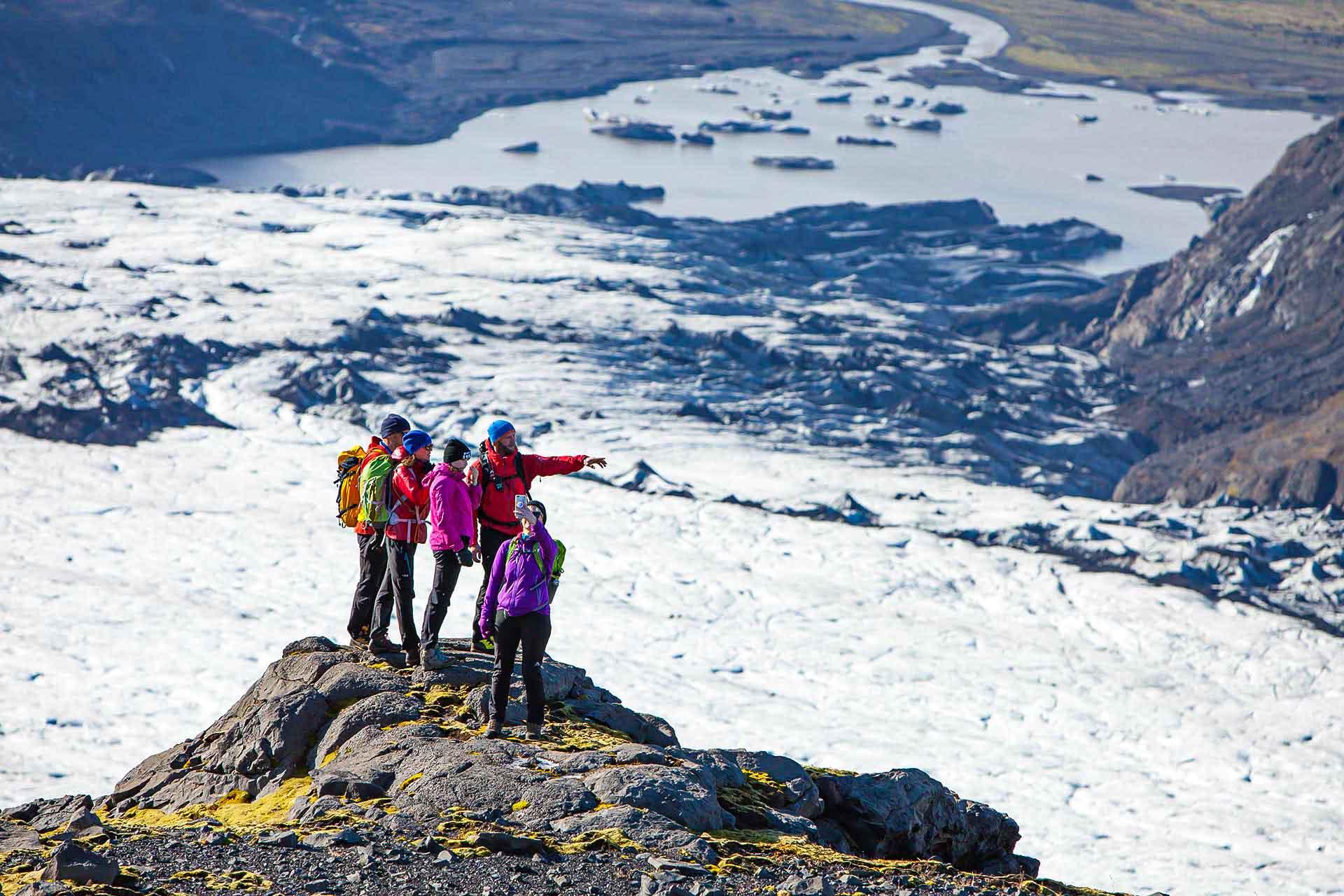
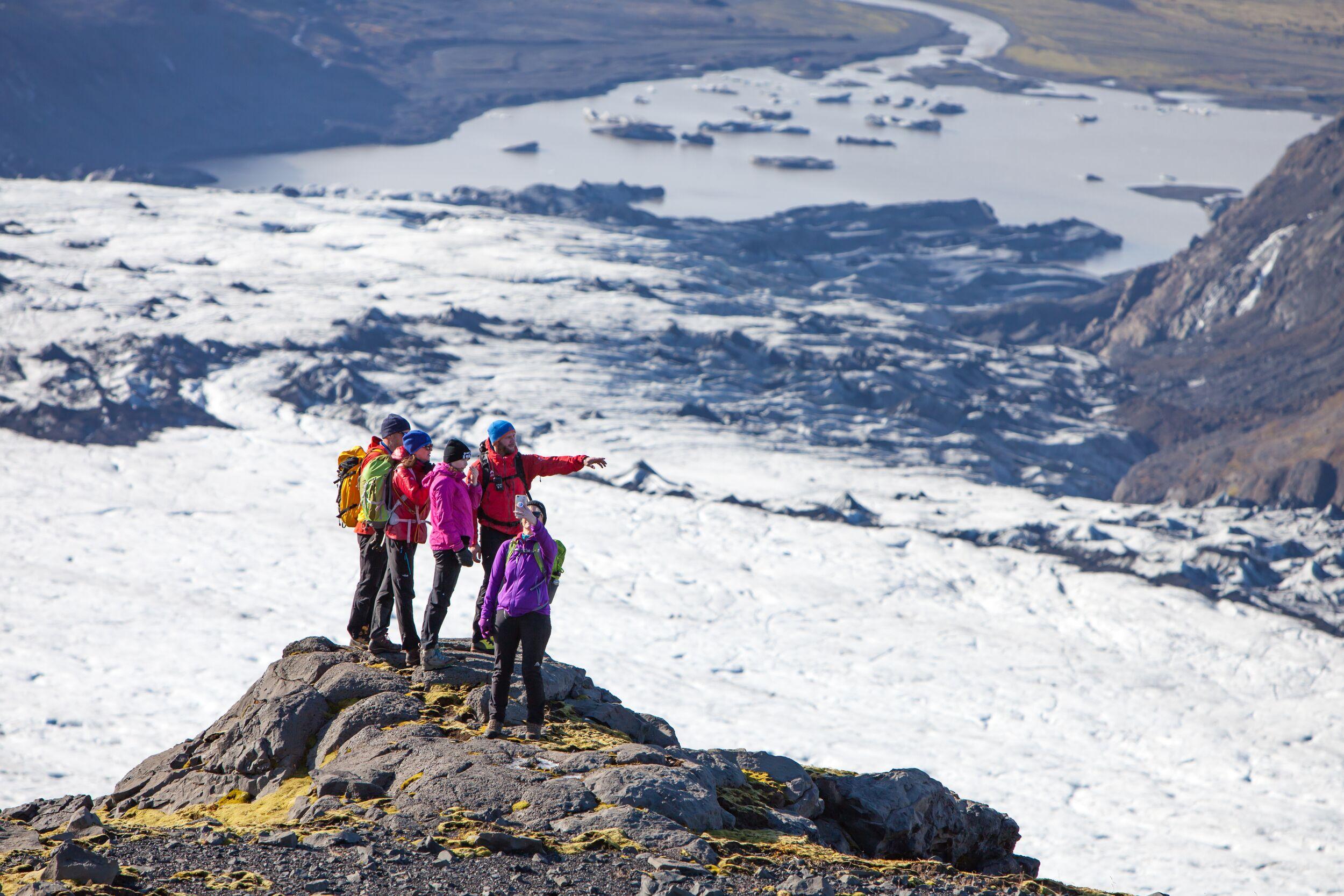
The Glacier Trail Panorama is designed for travellers who want a meaningful introduction to Iceland’s glacier environments without committing to a full summit attempt.
What to expect:
- A guided hiking trail across glacier edges and surrounding terrain
- Views of Eyjafjallajökull and neighbouring ice caps
- Exposure to real glacial features, including crevasses, ice formations and meltwater channels
- Moderate physical demand, making it suitable for active travellers
This experience focuses on understanding the landscape. You’ll learn how glaciers move, how volcanic systems interact with ice, and how to travel safely in this environment. It’s a strong choice if you want to experience Eyjafjallajökull up close while keeping the day manageable.
Eyjafjallajökull Summit Hike
For those seeking a more ambitious objective, the summit hike offers a full ascent of Eyjafjallajökull — this tour is the way to go.
What to expect:
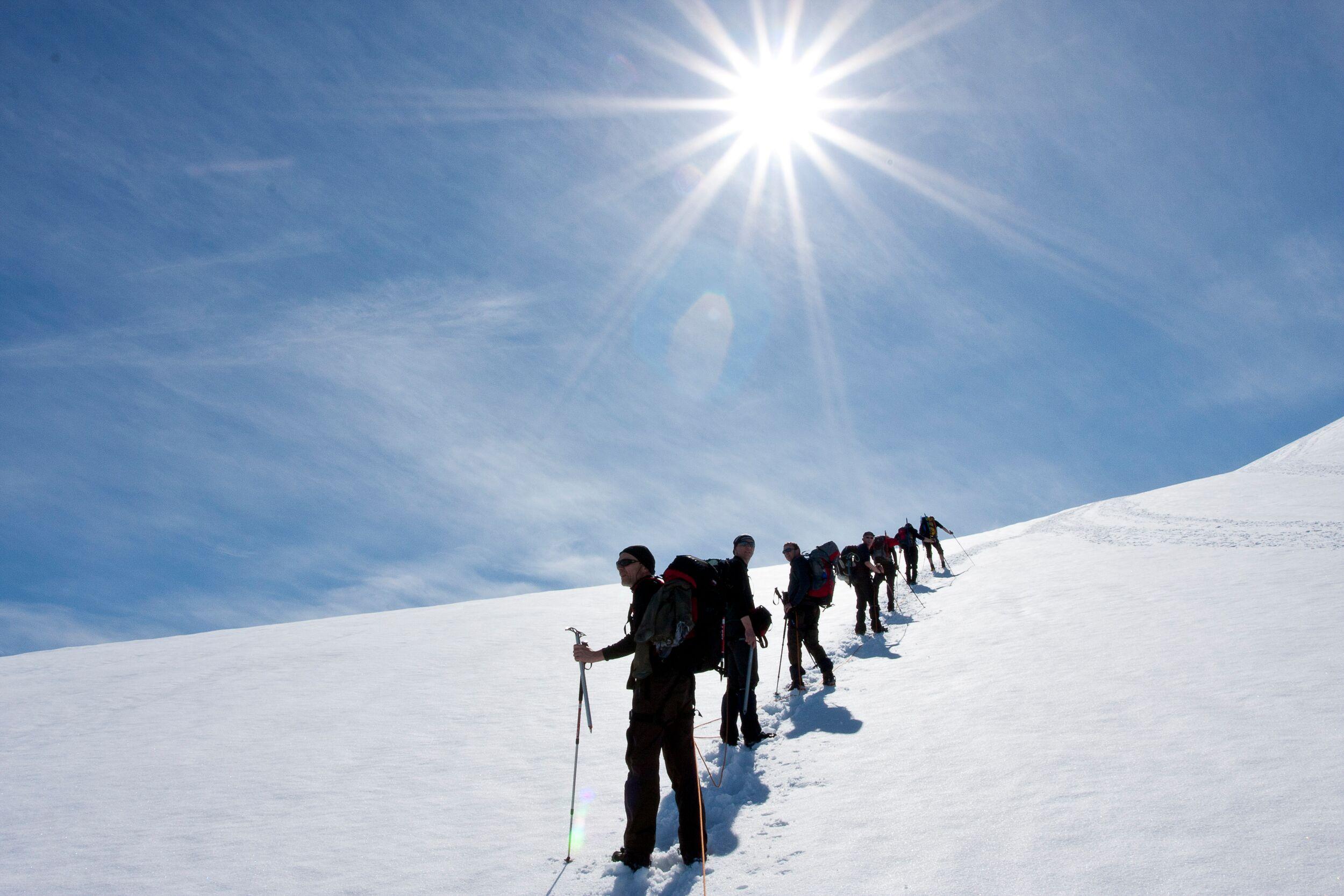
- A full-day mountaineering experience
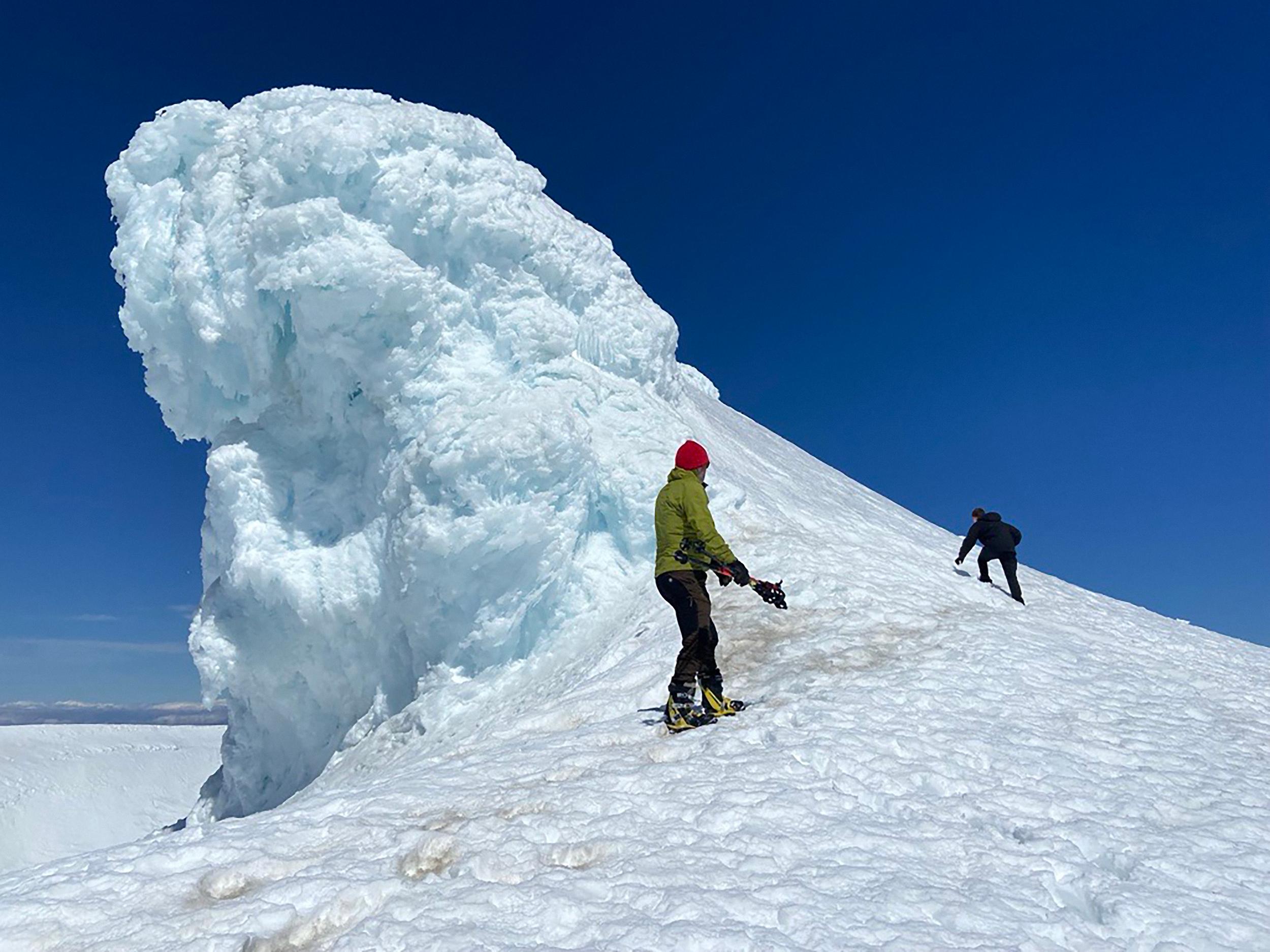
- Travel across glacier terrain using crampons and ice axes
- Steady ascent with significant elevation gain
- Panoramic views over southern Iceland, including the Atlantic coastline
This is not a casual hike. The conditions can be demanding and weather plays a major role. However, with experienced guides and proper preparation, the summit is achievable for fit, motivated travellers. The reward is perspective — standing on a glacier-covered volcano that has shaped both the land and global history.
What You Need To Experience Eyjafjallajökull Yourself
Travelling on a glacier is fundamentally different from hiking on a standard trail. Conditions can include ice, snow, wind and rapidly changing visibility.
Exploring the Glacier Panorama Trail?
You should bring:
- Waterproof hiking boots (sturdy, ankle support)
- Warm layers (base, mid, outer shell)
- Gloves and hat
- Sunglasses and sunscreen
- Small backpack with water and snacks
IMG provides:
- Crampons (if required)
- Helmet
- Safety briefing and guidance
Giving it Your All On the Eyjafjallajökull Summit Hike?
You should bring:
- Mountaineering boots (compatible with crampons)
- Full layering system (including insulated jacket)
- Waterproof outer shell (jacket and trousers)
- Gloves (multiple pairs recommended)
- Hat and neck protection
- Backpack with food, water, and essentials
IMG provides:
- Crampons
- Ice axe
- Helmet
- Harness and safety equipment
- Technical guidance throughout the ascent
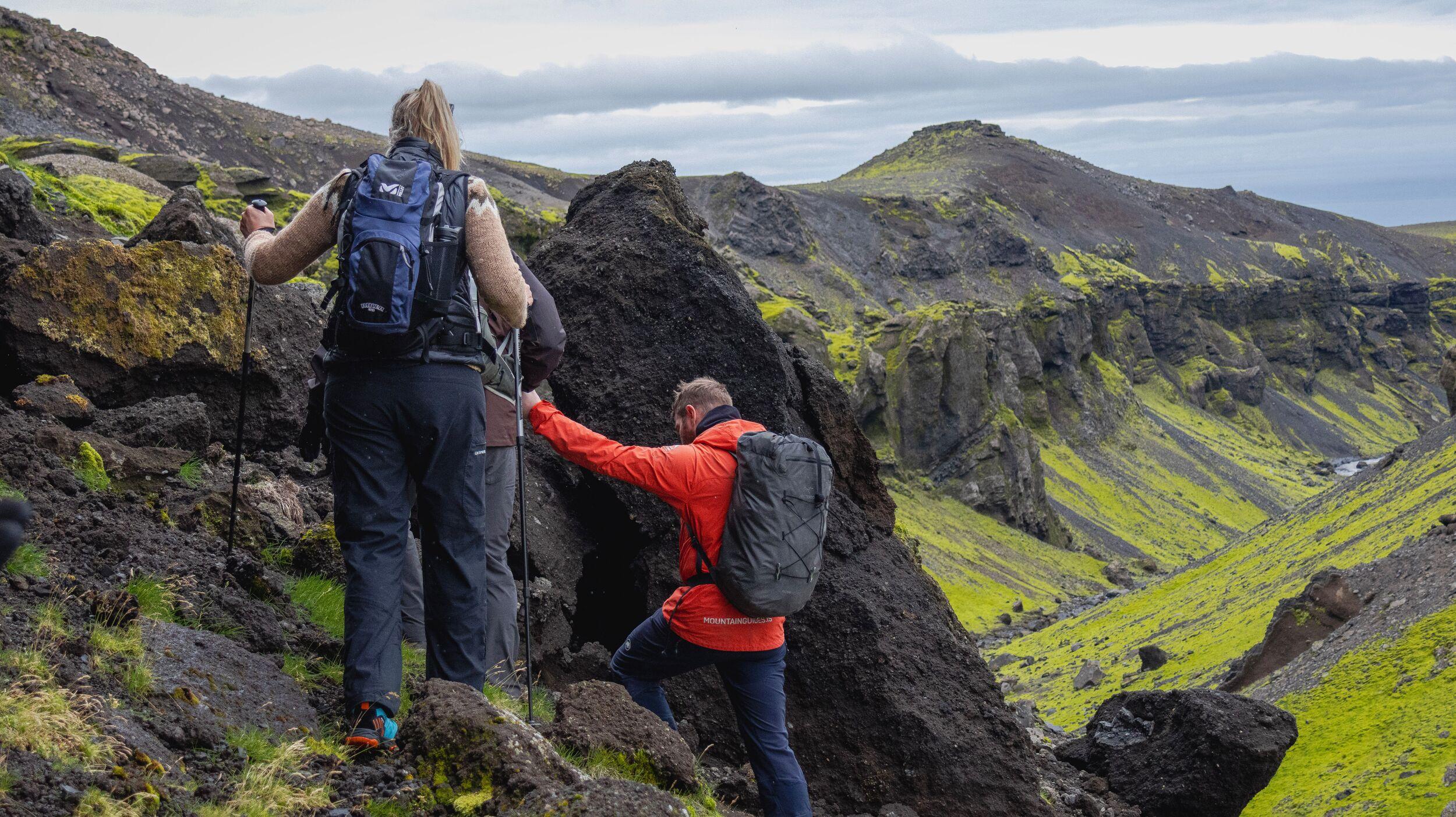
Preparation is key when exploring the great outdoors in Iceland. This is a real glacier environment, and conditions can shift quickly. Being properly equipped allows you to focus on the experience rather than managing discomfort or risk.
Why Travel with Icelandic Mountain Guides
Eyjafjallajökull is accessible, but it’s not casual terrain. Choosing the right guiding team makes a meaningful difference.
Expert-led adventure
Guides are trained professionals with extensive experience in glacier travel and volcano ascents. They understand the nuances of Eyjafjallajökull, from route selection to hazard management.
Safety and professionalism
Safety systems are well-established and continuously refined. From equipment checks to decision-making in changing weather, the focus is on controlled, informed progress.
Small groups
Group sizes are kept manageable. This allows for better pacing, clearer communication, and a more personal experience.
Authentic Icelandic experience
Guides bring local knowledge—not just of the terrain, but of the culture and history tied to it. You’re not just climbing a mountain; you’re understanding its place in Iceland.
Respect for nature
Operations are designed to minimise environmental impact. Glacier travel is approached with care, acknowledging that these landscapes are both fragile and powerful.
Access to unique terrain
IMG offers routes and experiences that go beyond standard tourist access, including full summit attempts on Eyjafjallajökull.
Why Eyjafjallajökull Belongs on Your Travel Wish List
Eyjafjallajökull is so much more than a headline from 2010. It is a living, evolving part of Iceland’s landscape, and a place where glaciers and volcanic systems meet in a way few other destinations can match.
Whether you choose to embark on a glacier panorama hike or commit to the full summit ascent, the experience with Icelandic Mountain Guides will be grounded and real. You’ll navigate terrain that has been shaped by eruptions of Eyjafjallajökull, cross ice formed over centuries, and gain a clearer understanding of what makes Iceland unique.
Like much exploration in Iceland’s wilderness, experiencing Eyjafjallajökull is all about engaging with a landscape on its own terms.
For travellers willing to prepare, listen and move with intention, Eyjafjallajökull offers something rare: a chance to stand on an active volcano, surrounded by the forces that continue to shape this island.
If you’re planning a trip to southern Iceland and want an experience that goes beyond the surface, Eyjafjallajökull is well worth your time.
FAQ
How do you pronounce Eyjafjallajökull?
A helpful approximation is: “AY-ya-fyat-la-yer-kutl.”
Icelandic pronunciation is nuanced, but focusing on rhythm rather than perfection is enough. Locals will understand you—and appreciate the effort.
Is the Eyjafjallajökull volcano still active?
Yes. Eyjafjallajökull is an active volcano. It sits within Iceland’s East Volcanic Zone and has erupted multiple times throughout history.
While it is currently dormant, ongoing seismic activity means it remains geologically active.
What does Eyjafjallajökull mean in Icelandic?
The name translates roughly to “the glacier of the island mountains.”
It reflects the landscape: a glacier (jökull) covering mountains (fjöll) near the coast, historically associated with nearby islands.
How likely is Eyjafjallajökull to erupt again?
Like all active volcanoes in Iceland, future eruptions are possible but unpredictable. Eyjafjallajökull has erupted several times over the past 1,000 years, often following periods of small earthquakes and increased geothermal activity.
There is no reliable way to forecast exact timing, but Iceland’s monitoring systems track activity closely.
Can you visit Eyjafjallajökull volcano?
Yes! It’s best experienced with a qualified guide.
The volcano is glacier covered, and the terrain includes crevasses, ice slopes, and changing weather. Guided tours allow you to:
- Hike along glacier edges
- Explore volcanic and glacial features
- Attempt a full summit ascent (for prepared hikers)
Independent travel on the glacier is not recommended due to safety risks.
How did the 2010 eruption of Eyjafjallajökull impact air travel?
The April 14, 2010, eruption sent large plumes of volcanic ash into the atmosphere.
These ash clouds drifted across Europe, leading to widespread airspace closures that saw more than 100,000 cancelled flights and millions of passengers stranded. Flights were grounded because volcanic ash can damage aircraft engines and systems.
What makes Eyjafjallajökull one of the most famous volcanoes in Iceland?
Several factors set it apart:
- The 2010 eruption, which disrupted global air travel
- Its glacier-covered summit, where ice and fire interact
- Its accessible location in southern Iceland
- The visible impact of past eruptions on the landscape
- It’s one of the few places where travellers can directly experience a volcano shaped by both ice and magma
What equipment is essential for hiking around a glacier volcano?
Personal clothing and gear to bring:
- Waterproof jacket and trousers
- Insulating layers
- Gloves and hat
- Sturdy hiking or mountaineering boots
Technical equipment (typically provided on guided tours):
- Crampons
- Ice axe (for steeper terrain)
- Helmet
- Harness (for glacier travel where needed)
Proper equipment (and knowing how to use it) is key. On guided trips, you’ll be briefed and supported every step of the way.
Keep me informed about the Icelandic Mountain Guides Blog
Outdoor adventure in Iceland is our specialty. Subscribe to our free monthly newsletter to learn when to go, what to do and where to have the best adventures in Iceland.
Related Blog Posts
Related Tours
Eyjafjallajökull Summit hike
Day Hike over Fimmvörðuháls
Laugavegur & Fimmvörðuháls Combo Tour