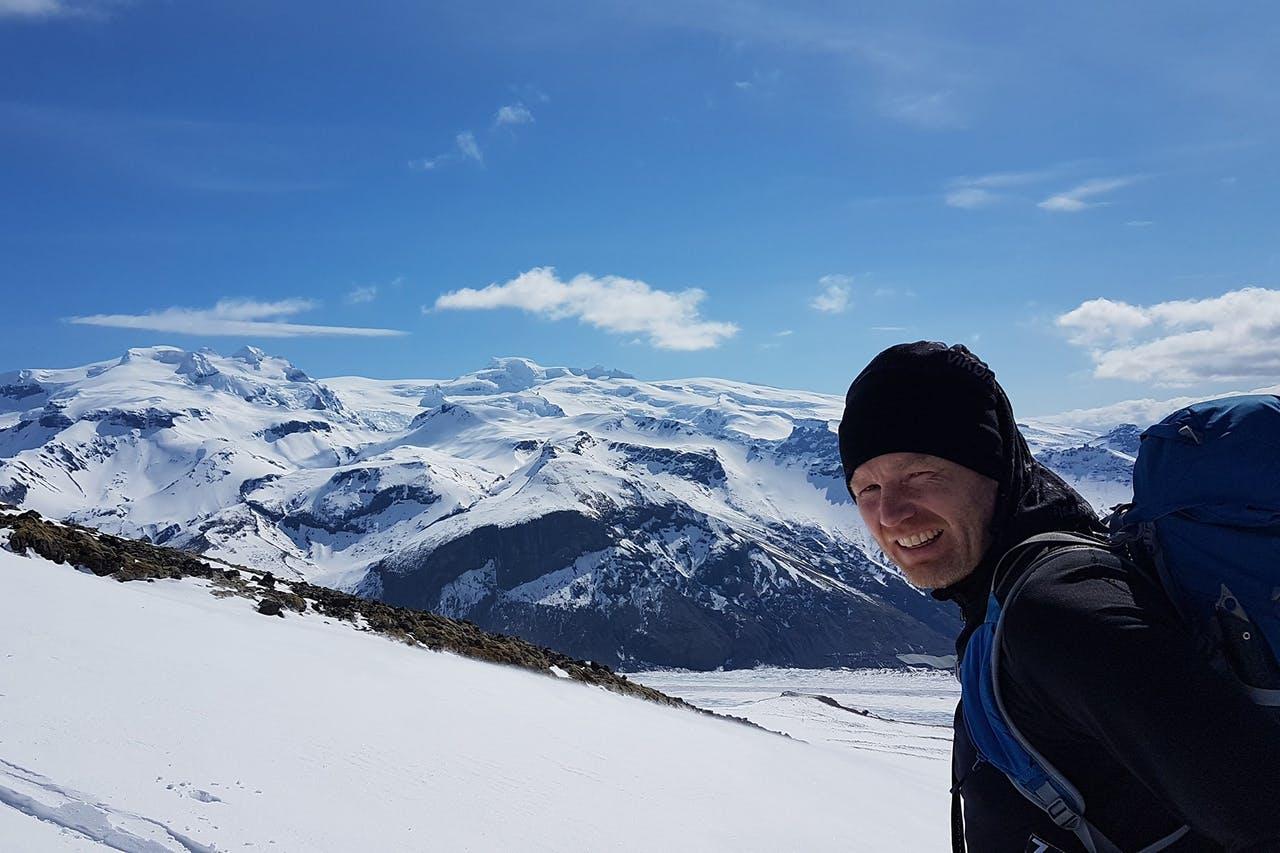
What It's Really Like to Summit Eyjafjallajökull: Step-by-Step Guide
| Travel Guide, glaciers, All, DISCOVER ICELAND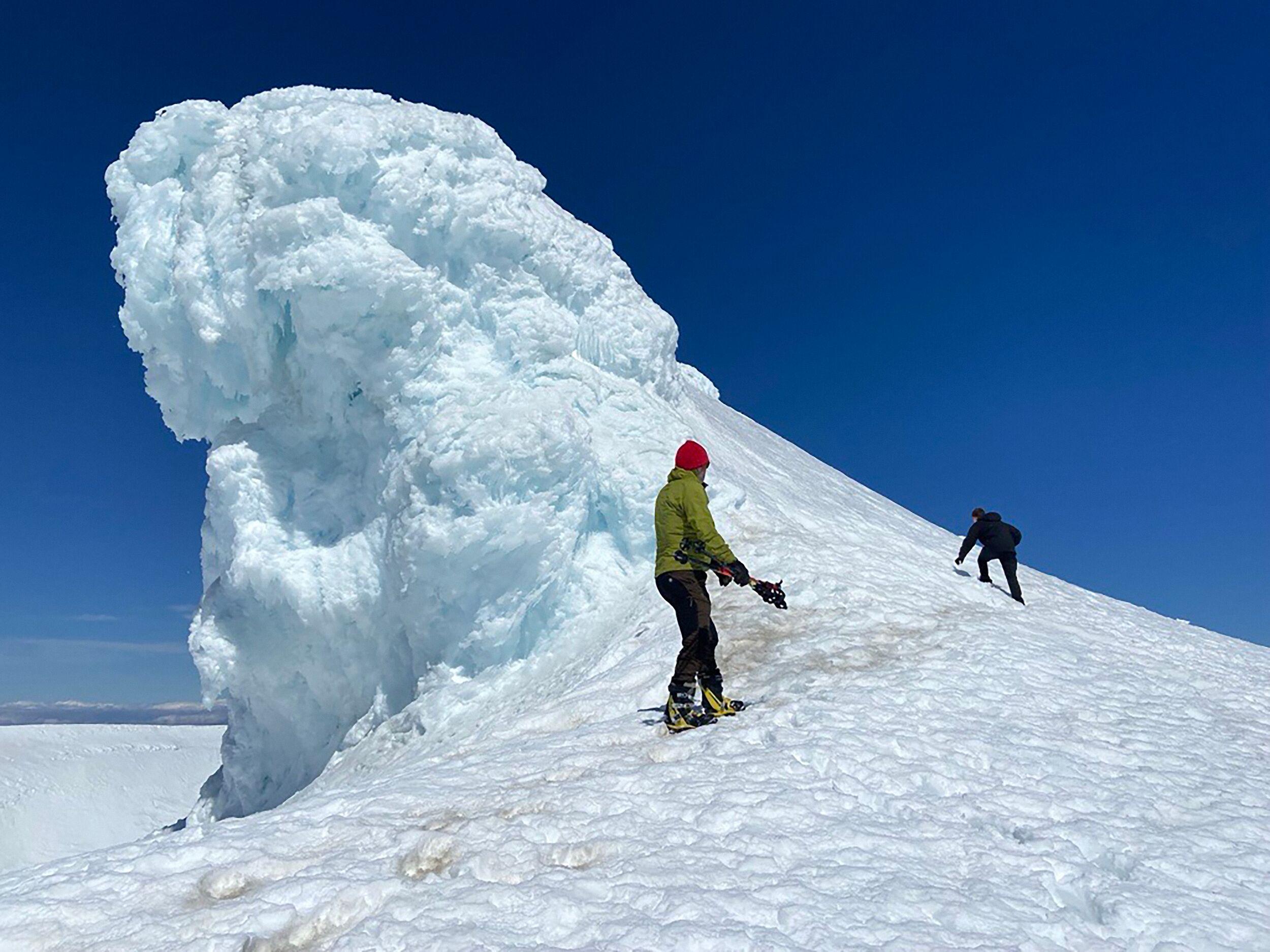
Iceland is a special place, where adventure feels raw and untamed, but somehow still accessible since the most stunning terrain is quite literally a stone’s throw away. Landscapes shift quickly here — from mossy lava fields to frosty glaciers — while the weather adds a dash of moodiness. For hikers looking to go beyond well-trodden trails, mountaineering offers a deeper way to experience the country.
Among Iceland’s many mountainous challenges, the Eyjafjallajökull summit hike stands out. Far more than a hike, this is a full-day ascent that blends trekking, glacier travel and high-altitude exposure into a single, demanding but achievable objective. For those willing to prepare, it offers a rare chance to step into the world of true mountaineering.
And there’s no better way to seize the experience than on an Eyjafjallajökull summit hike with Icelandic Mountain Guides.
The Contrasts of Mountaineering in Iceland
Mountaineering in Iceland is defined by contrast. Unlike classic alpine environments, where terrain follows a predictable progression, Iceland’s mountains feel more dynamic.
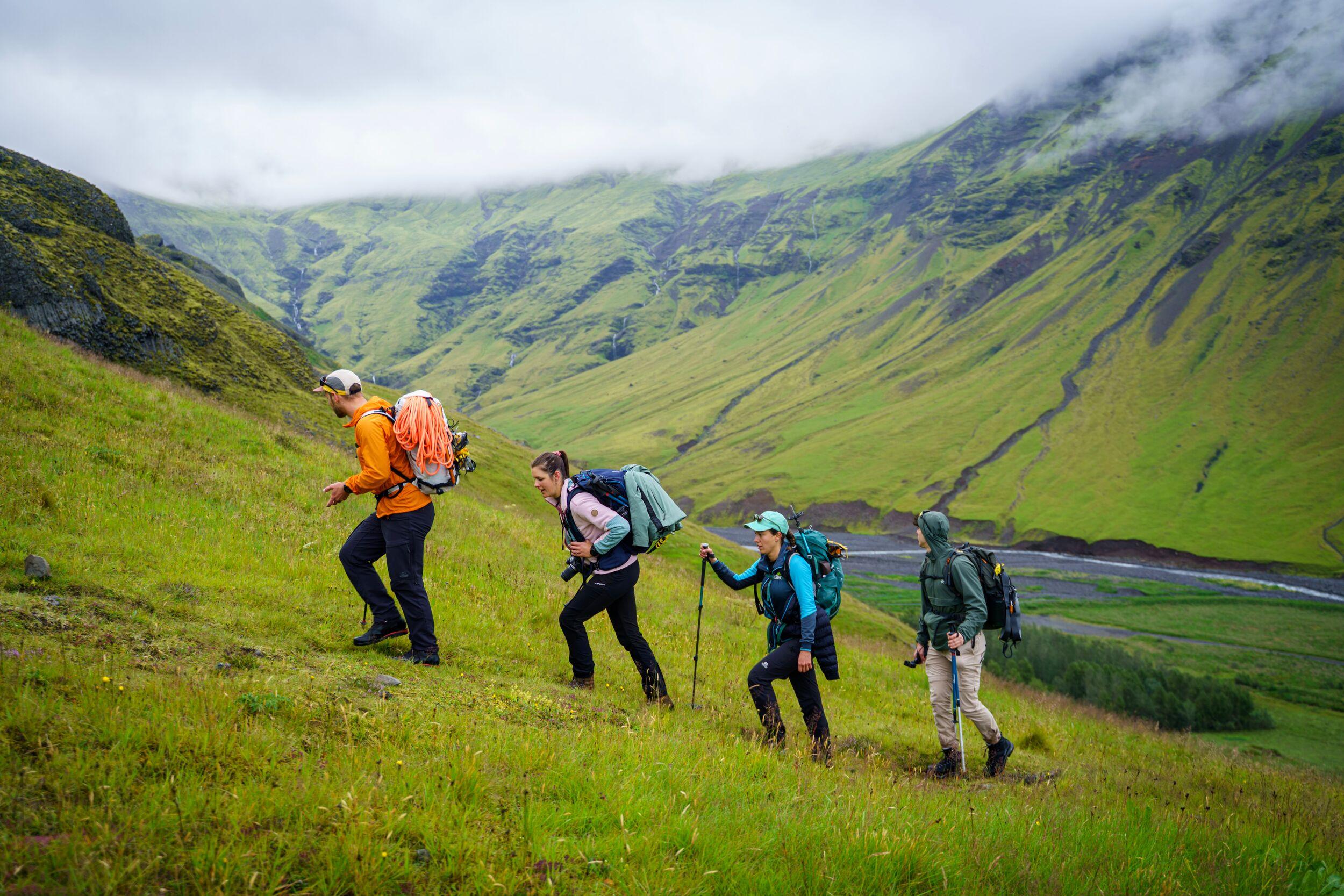
A typical Iceland volcano summit hike might begin on soft grass, cross uneven lava fields, weave through marshland and finish atop a glacier. The transitions are constant and so is the sense of discovery, making every summit a unique experience that keeps trekkers on their toes.
This diversity is what makes glacier mountaineering in Iceland so compelling. There are no fixed trails etched into the ice, no permanent routes to follow. Each ascent depends on the conditions of the day, taking snow cover, visibility and wind into careful consideration. It’s a style of hiking that rewards awareness and adaptability.
For many, that’s exactly the draw: a landscape that refuses to be predictable.
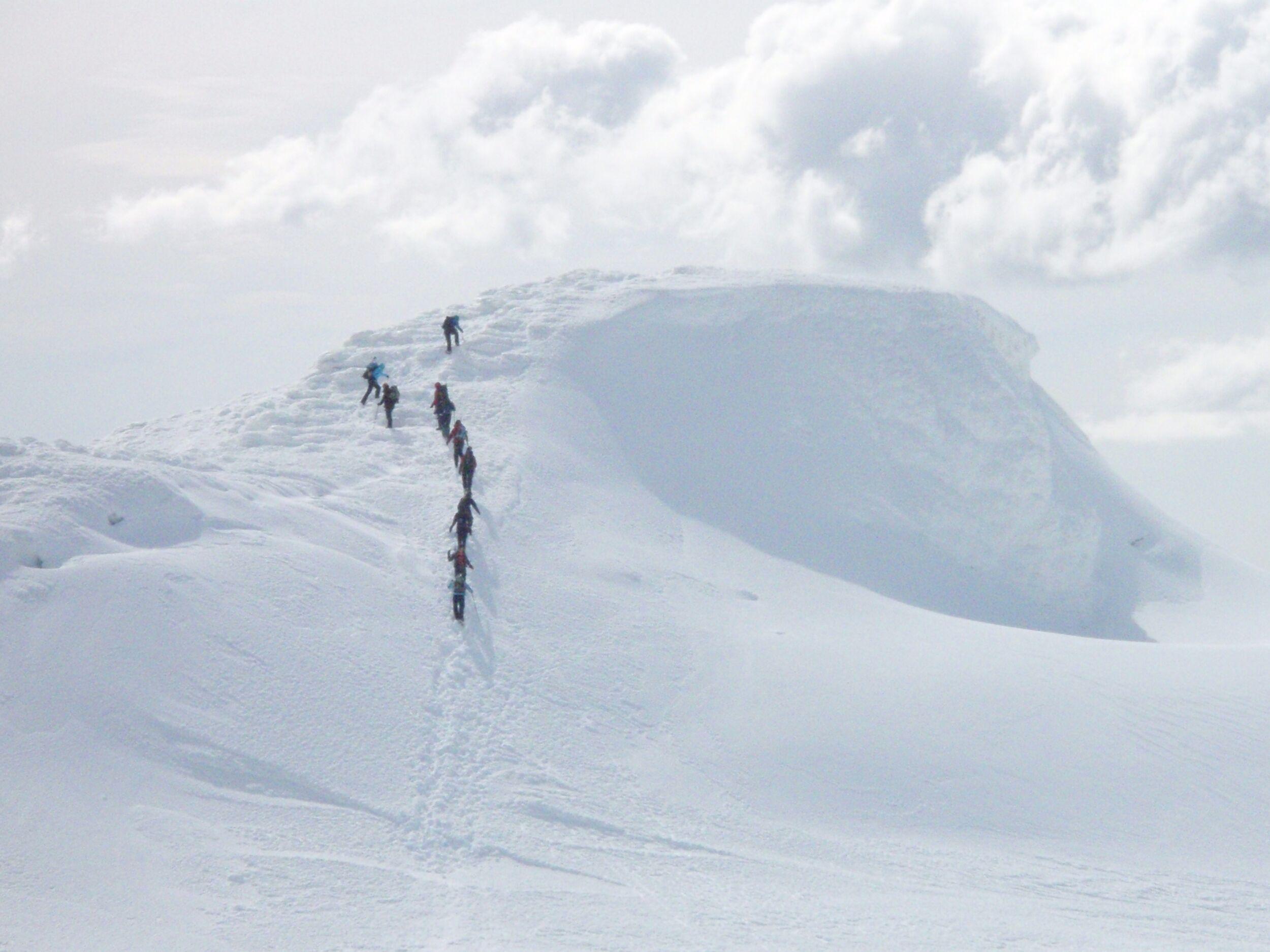

It builds gradually, asking for effort without overwhelming.
The Volcano That Captured the World’s Attention
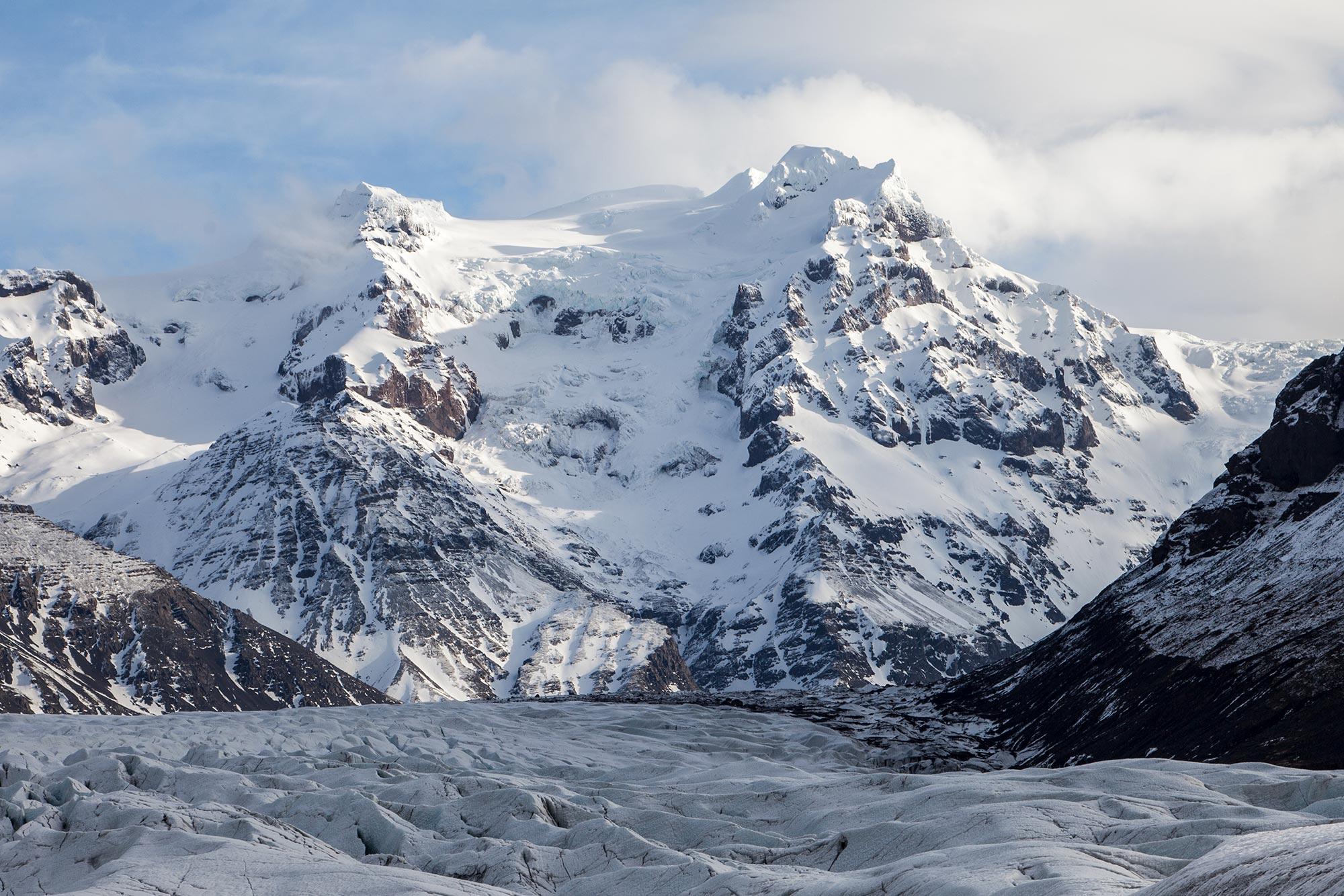
Rising to 1,666 metres along Iceland’s South Coast, Eyjafjallajökull is a glacier-capped stratovolcano and one of the country’s most recognisable peaks.
Its global fame came in 2010, when an eruption sent ash high into the atmosphere, grounding flights across Europe and thrusting the volcano’s name into international headlines — and, hilariously, onto the tongues of international television reporters who struggled to pronounce its seven syllables.
But, more than a decade later, experiencing this majestic peak is an entirely different brand of drama — one that feels quieter and more expansive.
The summit reveals a broad caldera, shaped by past eruptions, while the surrounding views stretch across black sand coastlines, farmland and neighbouring ice caps. It’s a place where the geology is tangible.
What makes the Eyjafjallajökull summit hike so distinctive is the combination of experiences it offers: a volcano ascent that culminates on a glacier. Few mountains offer both in a single climb.
How many chances do you have in the world to climb a volcano and at the same time experience glacier travelling?
The Ascent: A Changing Landscape Underfoot
A Slow Start on Green Slopes
The climb begins gently. The first steps take you across grassy slopes, where the body gradually warms into the rhythm of the day. It’s a deceptively calm opening to what will become a long and varied ascent.
For Andrea Fiocca, a shift supervisor with Icelandic Mountain Guides, this early phase remains a highlight. He describes “the slow awakening of the body in the morning while hiking the grassy slopes,” noting how the distant summit gradually comes into view, setting the tone for the day ahead.
“The first time that I went to Eyjafjallajökull was in 2019 and it was one of my first experiences of mountaineering in Iceland,” Andrea recalls. “I'm not sure about what I was expecting but Icelandic wilderness always fascinated me, and the idea of hiking this volcano, so famous due to the eruption of 2010, it was surely an experience that I was craving.”
As elevation increases, the terrain begins to shift. Grass gives way to rockier ground and occasional marshy sections, requiring more attention to footing. The hike becomes more dynamic, with subtle changes underfoot keeping you engaged.
This section sets the pace for the Eyjafjallajökull summit hike. It’s not technically difficult, but it demands consistency. A solid level of fitness makes a noticeable difference here.
Andrea points out that prior mountaineering experience isn’t essential, but a strong base helps. Those who regularly hike, run, or cycle tend to find the rhythm more easily, making the climb an ideal introduction to Iceland high-altitude hiking.
Snow Underfoot: A Shift in Conditions
Higher up, patches of snow begin to appear. Depending on the season, these can range from scattered remnants to deep, energy-draining drifts.
“It surprised me how tough conditions were,” he admits of his first experience summitting Eyjafjallajökull. “We went in March, and there was still a lot of deep snow to walk through and some fairly strong wind. Fighting with nature was surely an experience, but I always loved that part of Iceland — it makes the reward way more meaningful.”
It’s often at this stage that hikers begin to feel the mountain’s character more clearly. The wind picks up, the air cools, and the environment becomes more exposed.
Stepping onto the Glacier
Reaching the glacier marks a clear transition in the trek — not just in terrain, but in mindset.
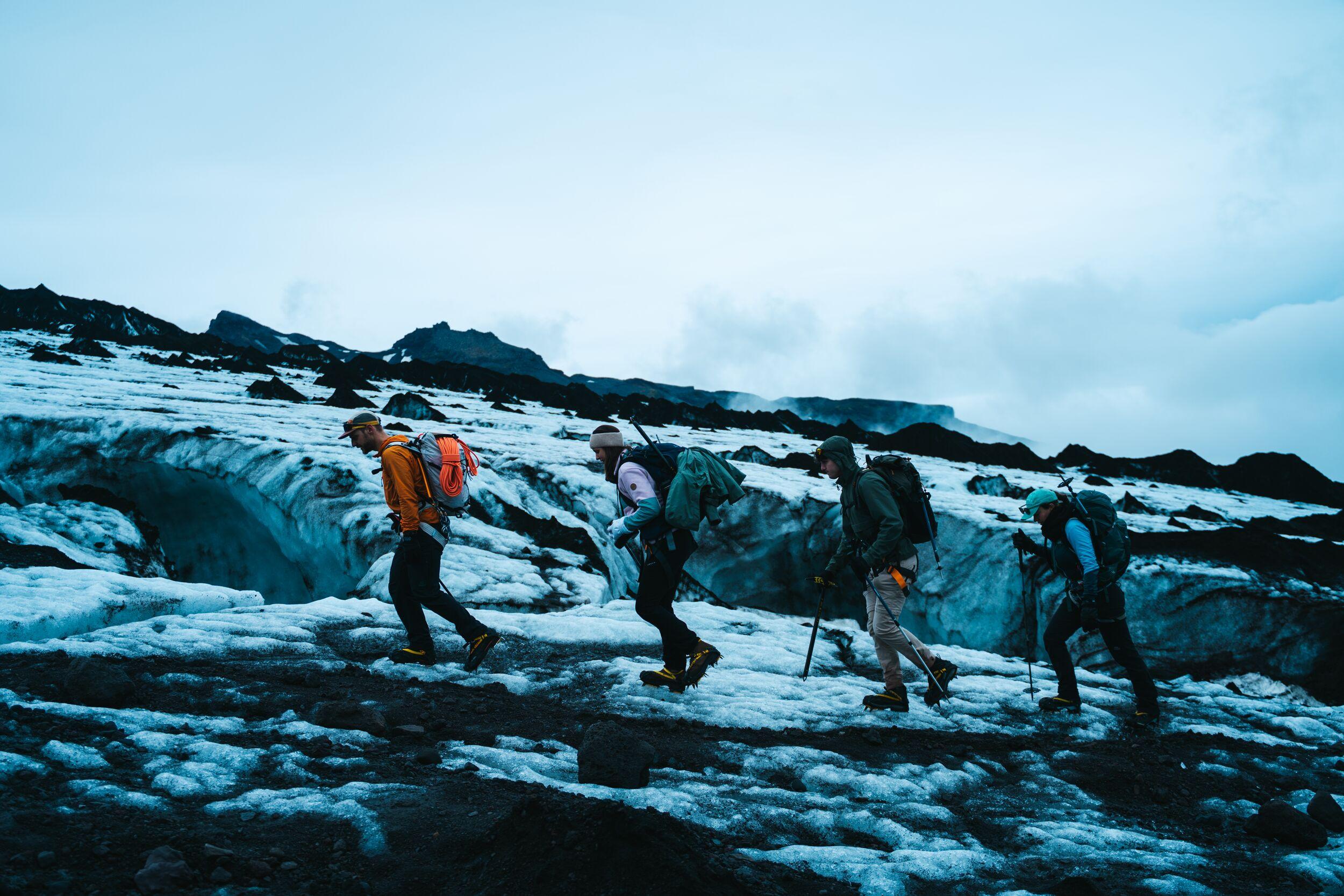
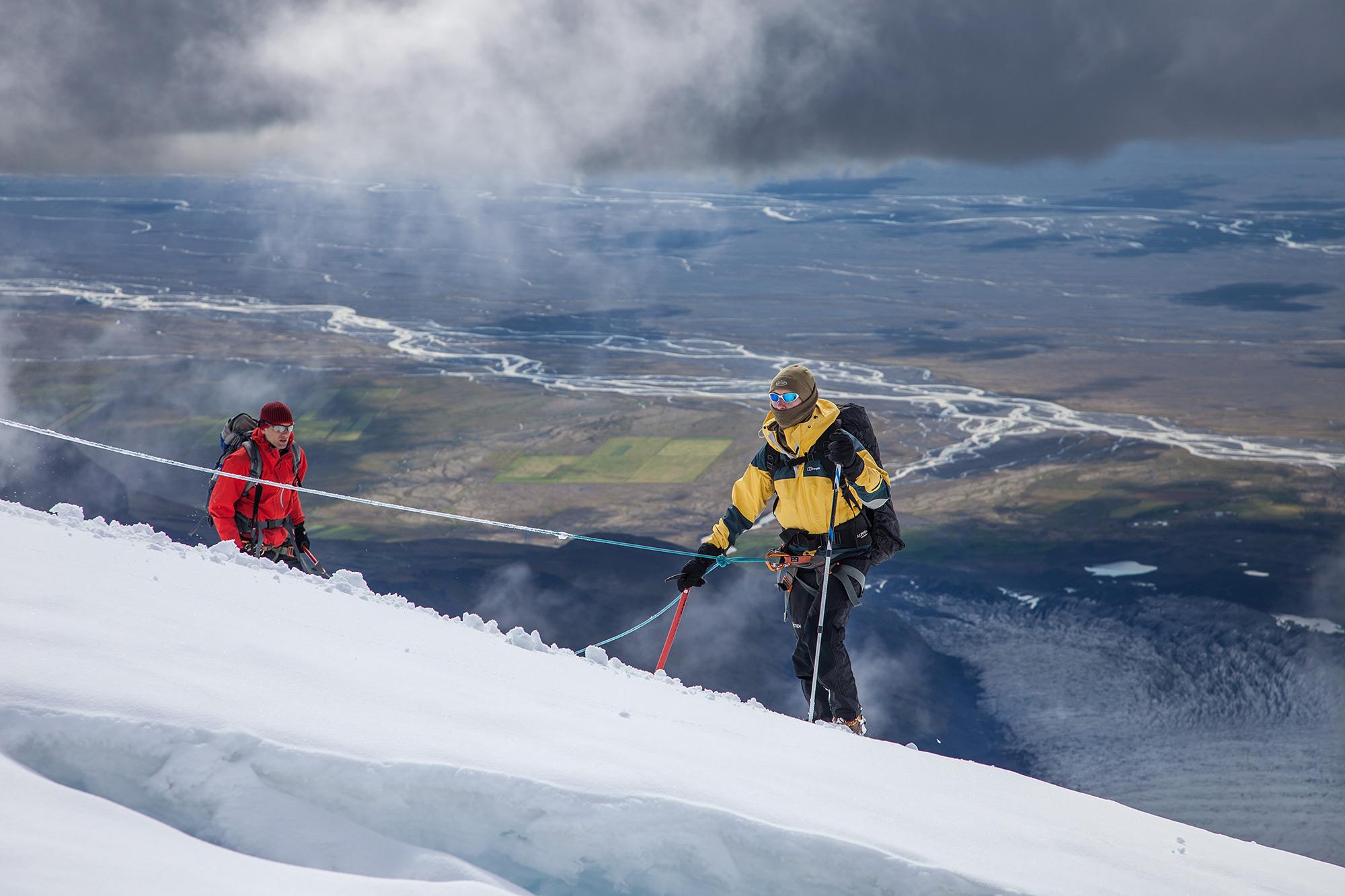
Here, the group pauses. Harnesses are fitted, crampons attached and ice axes prepared. The rope comes out, linking everyone together for the next phase of the climb.
Andrea describes this moment as a shift toward focus and teamwork. Once roped up, “the team is all tied together and we keep a constant but slow pace to get to the summit.” Movement becomes more deliberate, with each step placed carefully.
The Eyjafjallajökull glacier hike introduces a new set of considerations. Crevasses — often hidden beneath snow — require careful navigation, and the steady incline demands sustained effort.
The Long Glacier Slope
The glacier itself is a continuous, moderate incline that tests endurance rather than technical ability. It’s here that pacing becomes crucial.
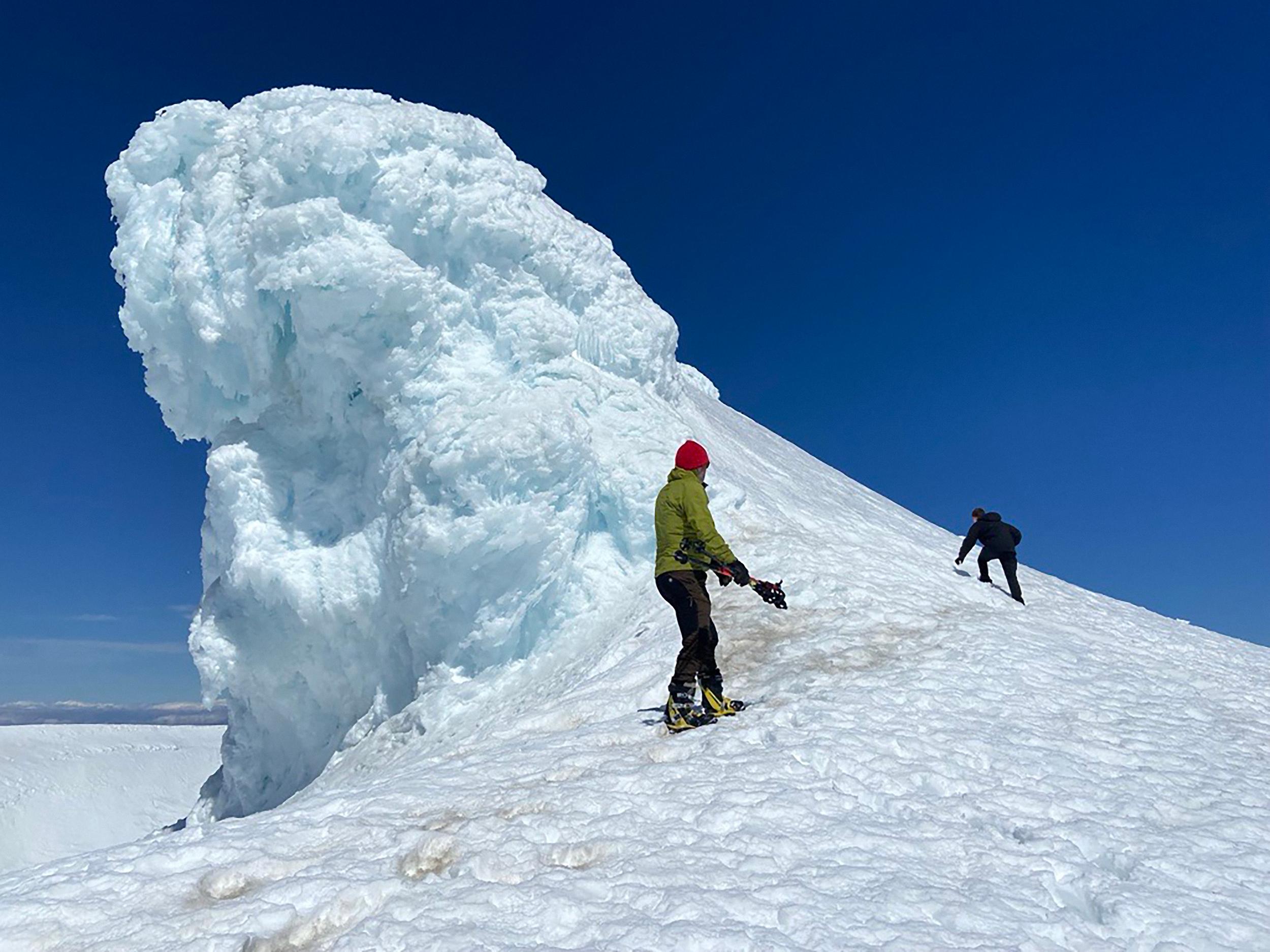
Step by step, the group moves upward, maintaining a rhythm that balances effort and efficiency. The landscape varies depending on the season: early in the year, snow blankets the glacier, while later months reveal hard ice and streaks of volcanic ash that serve as dark reminders of past eruptions.
This is hiking on a glacier in Iceland at its most authentic. There are no markers, no crowds, just open space and the quiet crunch of crampons on ice.
The Final Push
As the summit approaches, the effort becomes more noticeable. The final 150 metres are often the most demanding.
“Usually, the last 150 m of the climb are the hardest for anyone,” Andrea explains. “It's the time that everybody starts to feel the fatigue accumulated from the start, and at the arrival at the summit you feel you worked hard for it — it’s so satisfying.”
“I heard from many that the ‘summit push’ fatigue towards the end was hard but also the reason why summiting felt so great and rewarding,” he says. “It’s a stretch that requires determination as much as physical strength.”
Many hikers later reflect on this section as the defining moment of the climb. It’s the point where the challenge becomes most tangible and the reward most meaningful.
Standing on the Summit
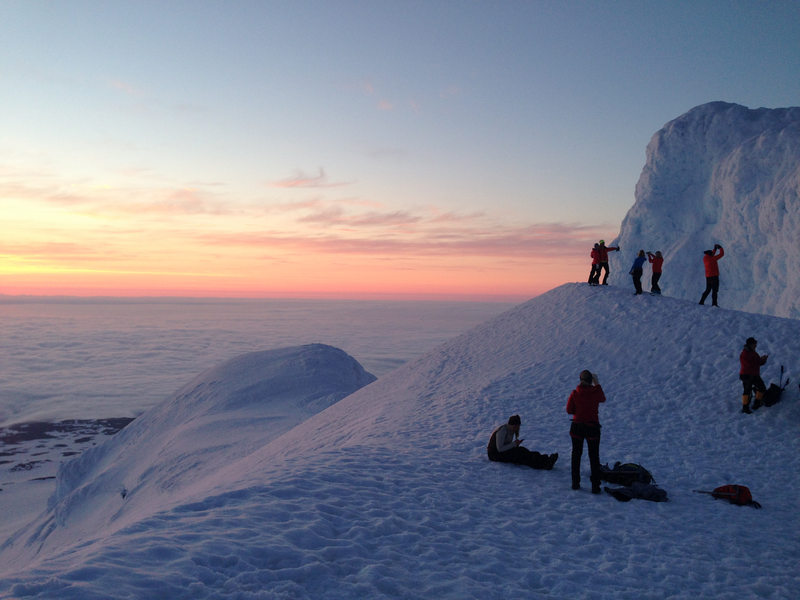
After eight to nine hours, the summit is reached.
The reward is immediate. The caldera opens up, vast and stark, while the South Coast stretches into the distance, with its black beaches, green lowlands and distant glaciers sprawled out like an epic painting.
“The views over the South Coast were so beautiful,” Andrea recalls of his first glimpses from the summit, “and surely it was the most ‘surprising’ part of the trip. As amazing were the views of the massive caldera of the volcano once reached the summit. It’s a place to pause, refuel and take in the reality of where you stand: on top of one of Iceland’s most iconic volcanoes.”
The Descent: A Balanced Finish
The descent, while long, is generally straightforward. The terrain doesn’t present the same intensity as the ascent, allowing tired legs to settle into a more relaxed rhythm.
Andrea points out that, unlike some more demanding mountains, there are no particularly punishing sections on the way down. By the end of the day, you’ll feel the effort, but not exhaustion to the point of immobility. Most hikers, he notes, are ready for a warm bath, but still able to enjoy the evening.
Surely it was the most ‘surprising’ part of the trip.
Preparing for your Eyjafjallajökull Summit Hike
Preparation is a key part of the experience. Andrea recommends building endurance through long walks in the months leading up to the climb, noting that “walking in nature is the best training.”
“I recommend also to do some hikes with the boots you're planning to use for the summit tour,” he adds. “It's good to test them out before the big adventure.”
Comfort and reliability matter over long distances
What to Bring
As Andrea explains: “Once you book a tour with us [Icelandic Mountain Guides] we send a comprehensive list with all the mandatory equipment you should bring to the hike, plus some recommended equipment that is not mandatory but that we think can be a good addition to the hiker's gear list. In addition we go deeply in detail with the clothing we recommend the clients to have.”
Recommended gear:
- Backpack – 30-40 litres
- Sunglasses – Category 3-4
- Sun protection for your face and lips — SPF 30 or more
Optional Gear
- Walking Poles
- Sun/rain hat or a baseball cap for sun protection
- Ski-goggles for windy days
Food and Drink
- Lunch – Sandwiches, biscuits, power-bars etc.
- Water – min 1 Litre (ideally 1,5 lt) of water and/or sport drink.
Icelandic Mountain Guides provides harnesses, crampons, ice axes and hiking poles, as needed.
Before the climb, participants also receive a detailed briefing—often via video call—covering weather, route expectations, and equipment checks. This ensures that everyone arrives prepared and informed.
Why Go with a Guide?
An Eyjafjallajökull summit is not just a long hike, it’s a glacier ascent with inherent risks.
Crevasses, shifting snow conditions and rapidly changing weather make independent attempts challenging, especially for those without prior mountaineering experience. Navigation on the glacier is not straightforward and safe travel requires preparation, knowledge and the right equipment.
Joining a guided Iceland volcano ascent provides more than just logistical support. It offers expertise, including route finding, safety systems and decision-making shaped by experience.
Mountaineering in Iceland still feels like an unexploited adventure — something so rare in the world of today.
A Summit Worth the Effort
The Eyjafjallajökull summit hike is not the easiest adventure in Iceland—but that’s exactly why it resonates.
It builds gradually, asking for effort without overwhelming. It introduces hikers to glacier travel in a way that feels both accessible and real. And it rewards that effort with a summit that feels earned.
As Andrea reflects, the experience is rare not just because of the terrain, but because of its authenticity. In a world where many adventures feel curated, this one still feels open-ended—an opportunity to climb a volcano, cross a glacier, and step into something that remains, in many ways, unexplored.
“How many chances do you have in the world to climb a volcano and at the same time experience glacier travelling?” Andrea posits. “There's so much pleasure to experience when mountaineering in a country like Iceland, where such environment is still truly off of the beaten track.”
“Mountaineering in Iceland still feels like an unexploited adventure — something so rare in the world of today.”
For those seeking a deeper kind of adventure, it’s hard to imagine a more complete introduction to mountaineering in Iceland.
Icelandic Mountain Guides Summit Tours
Eyjafjallajökull Summit hike
Hvannadalshnúkur - Iceland’s Highest Summit
Snæfellsjökull Summit Hike
Hrútsfjallstindar Peaks – Vatnajökull Day Hike
Sea to Summit – A Remote Ski & Sail Adventure in Iceland
The Three Peaks Challenge
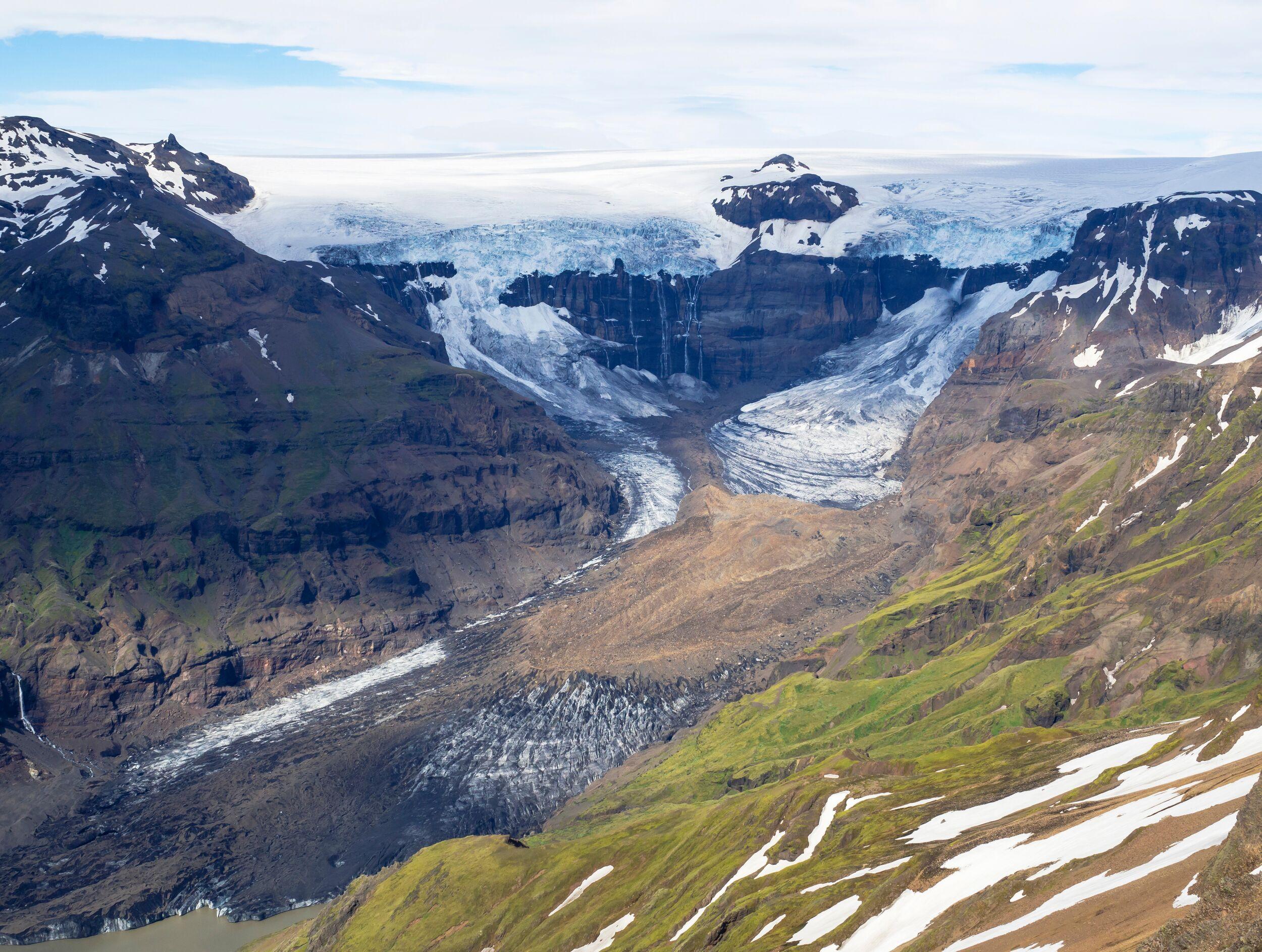
Skaftafell Panorama Hike
Frequently Asked Questions
How difficult is the Eyjafjallajökull summit hike?
The Eyjafjallajökull summit hike is considered strenuous but achievable for well-prepared hikers. It involves a long day on your feet, sustained elevation gain of around 1,666 metres, and a mix of terrain including steep slopes, uneven ground and glacier travel.
While it is physically demanding, it is not technically difficult. With the support of Icelandic Mountain Guides, it is an accessible introduction to mountaineering for those with a strong fitness base.
How long does it take to reach the summit and return?
The full round-trip typically takes nine to 12 hours, depending on group pace and conditions.
- Ascent: approximately eight hours
- Descent: approximately two to three hours
Weather, snow conditions and group dynamics can all influence the total time on the mountain.
What kind of physical fitness is required?
A very good level of fitness is essential. You should be comfortable hiking for several hours with sustained uphill effort and carrying a backpack.
This hike is best suited to people who regularly hike, run, cycle, or engage in endurance activities. Stamina matters more than speed — the ability to keep a steady pace throughout the day is key.
What technical skills are needed? Do I need previous glacier experience?
No prior technical climbing or glacier experience is required.
Your guide will provide a full safety briefing and introduce you to basic glacier travel techniques, including how to use crampons, an ice axe and rope systems. This makes the climb ideal for first-time glacier travellers who want to experience mountaineering in a controlled and supportive environment.
What gear is provided, and what should I bring?
Icelandic Mountain Guides provides all technical glacier equipment, including:
- Crampons
- Harness
- Rope
- Ice axe
You will need to bring your own personal hiking gear, including:
- Sturdy hiking boots
- Layered clothing (warm, windproof, waterproof)
- Backpack (30–40L)
- Sunglasses and sun protection
- Food and water
Dressing in layers is essential, as conditions can change quickly on the mountain.
How unpredictable is the weather on Eyjafjallajökull?
The weather on Eyjafjallajökull can be highly variable and change rapidly, even within a single day. Iceland is known for experiencing multiple weather conditions in quick succession, especially in exposed mountain environments.
Wind, visibility and temperature can shift as you gain elevation, which is why flexibility and proper preparation are essential. Routes and plans are always adapted to current conditions to ensure safety.
Is the hike suitable for experienced hikers but first-time glacier travellers?
Yes! The Eyjafjallajökull summit hike is one of the best introductions to glacier mountaineering in Iceland.
If you have solid hiking experience and good fitness but have never travelled on a glacier before, this climb is an excellent next step. You’ll gain hands-on experience with glacier travel while being guided safely throughout by the experts at Icelandic Mountain Guides.
What are the main risks of summiting a glacier-covered volcano?
The primary risks include:
- Crevasses hidden beneath snow on the glacier
- Rapid weather changes, including strong winds and low visibility
- Fatigue due to the length and elevation gain
- Slips or falls on uneven or icy terrain
These risks are managed through proper equipment, rope systems and experienced decision-making by your guide.
What makes a guided ascent safer than attempting it independently?
A guided ascent significantly reduces risk by combining local knowledge, technical expertise, and safety systems.
Guides:
- Navigate safe routes across the glacier
- Monitor weather and adjust plans accordingly
- Use rope systems to protect against crevasse hazards
- Provide instruction on glacier travel techniques
- Carry safety equipment and manage emergency situations
Glaciers are dynamic environments with hidden dangers, and safe travel requires both experience and specialised equipment. Guided climbs ensure you can focus on the experience while safety is actively managed.
When is the best season to summit Eyjafjallajökull?
The best time for the Eyjafjallajökull summit hike is spring through mid-summer (April to July).
During this period, longer daylight hours, more stable weather patterns, and favourable snow conditions make the ascent both safer and more enjoyable. Earlier in the season, snow cover can be deeper, while later conditions may expose more ice on the glacier.
Keep me informed about the Icelandic Mountain Guides Blog
Outdoor adventure in Iceland is our specialty. Subscribe to our free monthly newsletter to learn when to go, what to do and where to have the best adventures in Iceland.