Is Glacier Water Safe to Drink in Iceland?
| All, glaciers, TIPS AND TRICKS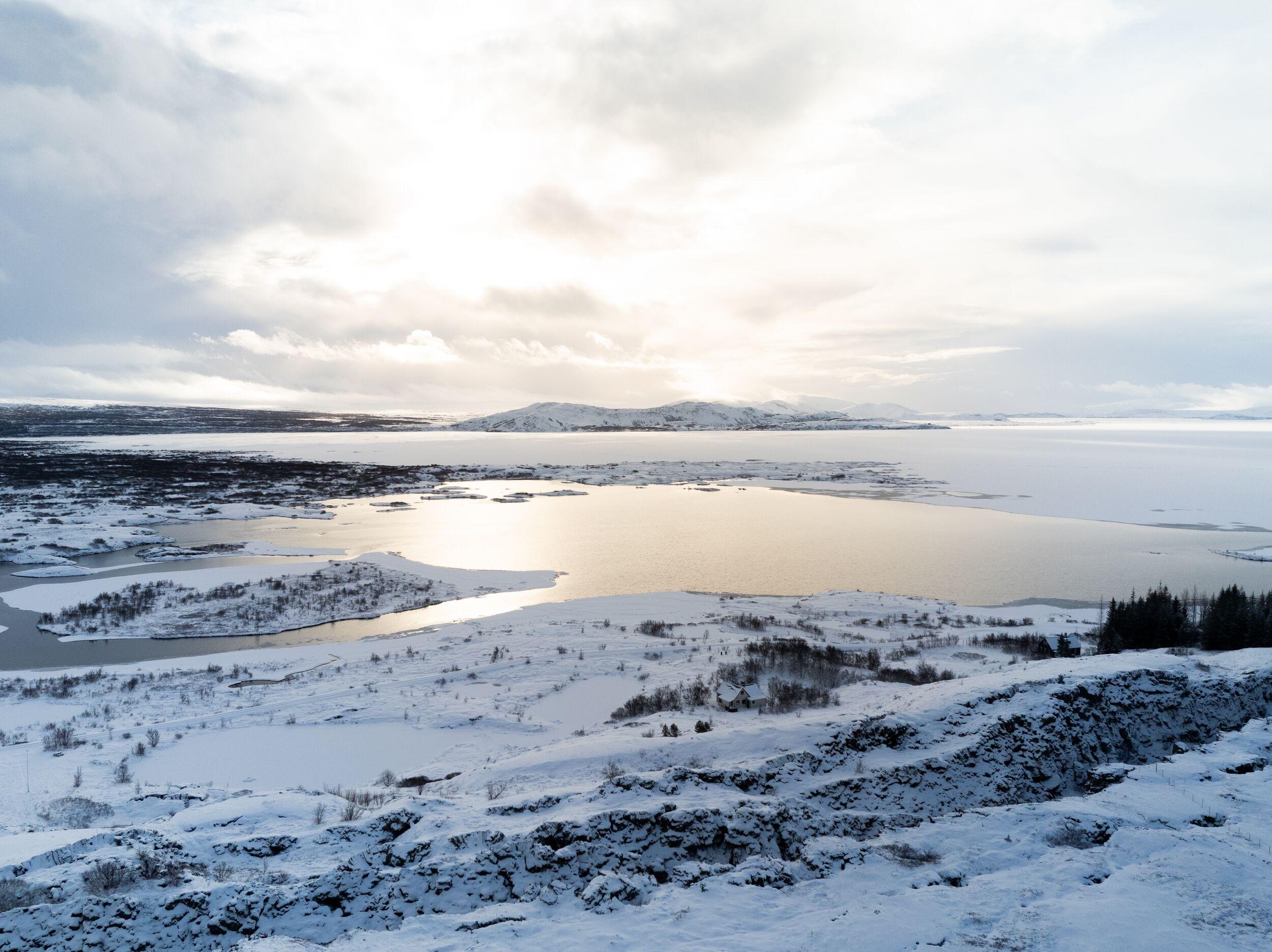
If you were to make a movie about your travels around Iceland, water would be a main character. It trickles from glaciers, tumbles over waterfalls and runs through landscapes shaped by volcanic rock. After a long hike, filling a bottle with cold, fresh water might seem like one of the simplest pleasures of being outdoors.
But not all water in Iceland is safe to drink straight from the source.
Icelandic tap water is renowned for its quality, and visitors can and should skip bottled water by bringing a reusable bottle and refilling it from the tap. But untreated water from glaciers, rivers and streams can be a different matter. Even when it looks pristine, it may contain microorganisms that can cause illness.
To understand how travellers can enjoy Iceland’s water responsibly, we spoke with Clara Vásquez-Mejía, an adjunct lecturer from the University of Iceland’s Faculty of Food Science and Nutrition. Her advice covers everything from choosing drinking water to protecting the natural environments that supply it.
The Million Krónur Question: Is Glacier Water Safe to Drink?
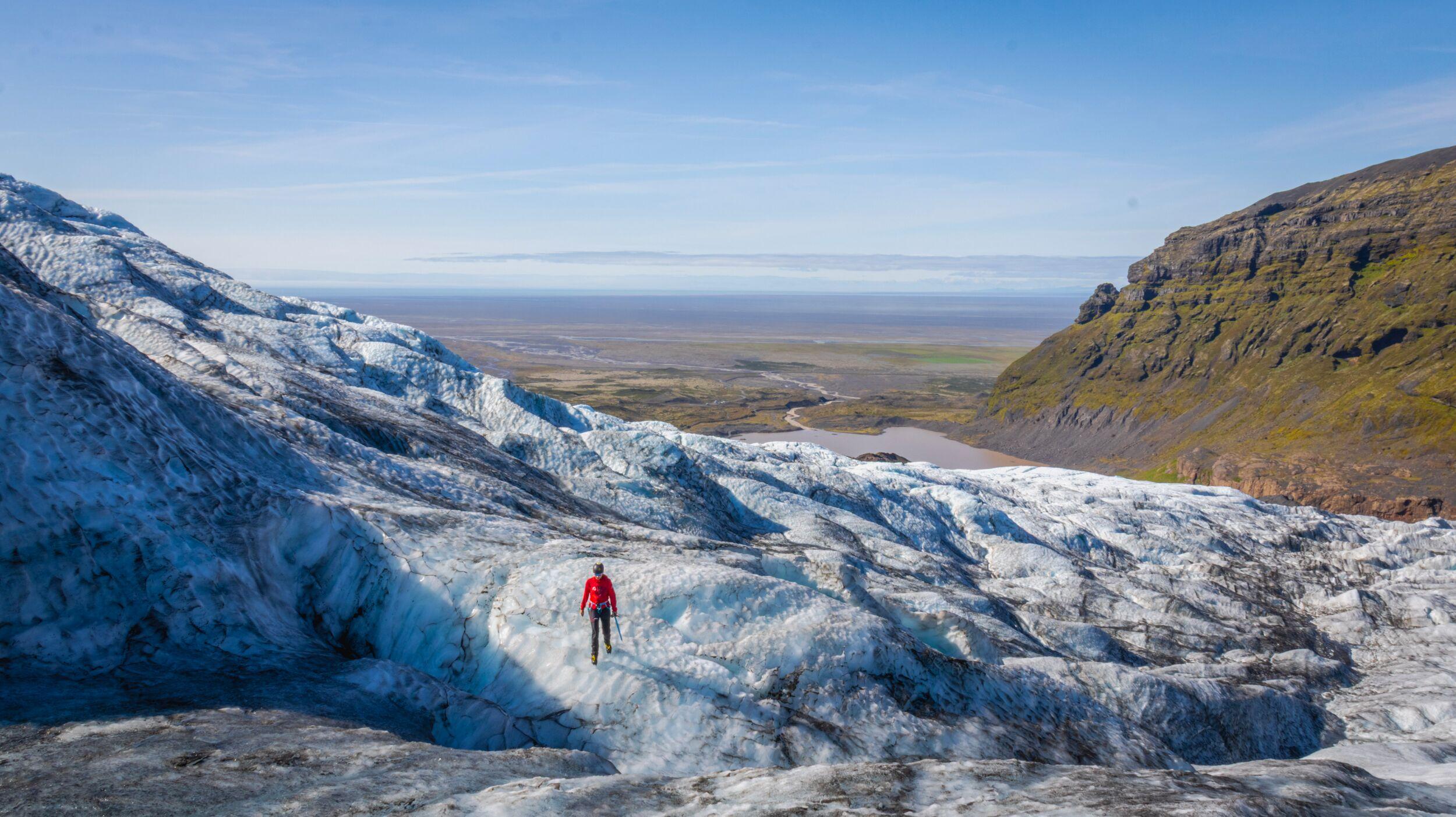
Glacier water can look exceptionally clean. It may run clear over ice or emerge from a landscape that seems far removed from human activity. It is tempting to assume that water coming directly from a glacier must be pure.
Clara strongly advises against making that assumption.
“Glacier water may still contain microorganisms that could make people sick (pathogens) coming from different sources, such as birds, soil, animals and other vectors,” she explains.
In other words, clear water is not necessarily safe water. Microorganisms can be present even when there is no obvious sign of contamination, and you cannot reliably judge water safety by its appearance alone.
There is another consideration, too: people can introduce pathogens into natural environments. Clara warns that contact with glacier water, including drinking it or washing in it, can put nearby ecosystems at risk of microbial contamination.
The same caution applies to rivers and streams. A remote location or a spectacular mountain setting does not guarantee that water is free from harmful microorganisms.
Instead, fill your bottle with treated drinking water before setting out. If you are on a long trek and might run out before reaching the next reliable refill point, a suitable water filter can be a useful backup.

In other words, clear water is not necessarily safe water.
Is Tap Water Safe to Drink in Iceland?
Yes. Icelandic tap water is excellent quality, making it the most convenient choice for visitors who want to stay hydrated without buying bottled water.
Clara describes Icelandic drinking water as being of “very high quality”. Her recommendation is simple: “I encourage visitors to drink cold tap water instead! Bring your reusable water bottle, and fill it up from the tap anytime.”
Anyone who has enjoyed a hot shower in Iceland or visited geothermal areas will know that “cold” is the key descriptor. Cold tap water in Iceland is the most refreshing sip you’ll likely ever encounter. The hot water, though clean and natural, comes from geothermal sources and may have a noticeable sulphur taste or smell.
For most visitors, there is no need to buy bottled still water simply to enjoy drinking water in Iceland. A reusable bottle makes refilling easy and reduces the number of single-use plastic bottles you use during your trip. So fill your bottle at your accommodation, campsite or another cold tap before heading out for the day.
How to Refill Safely While Hiking in Iceland
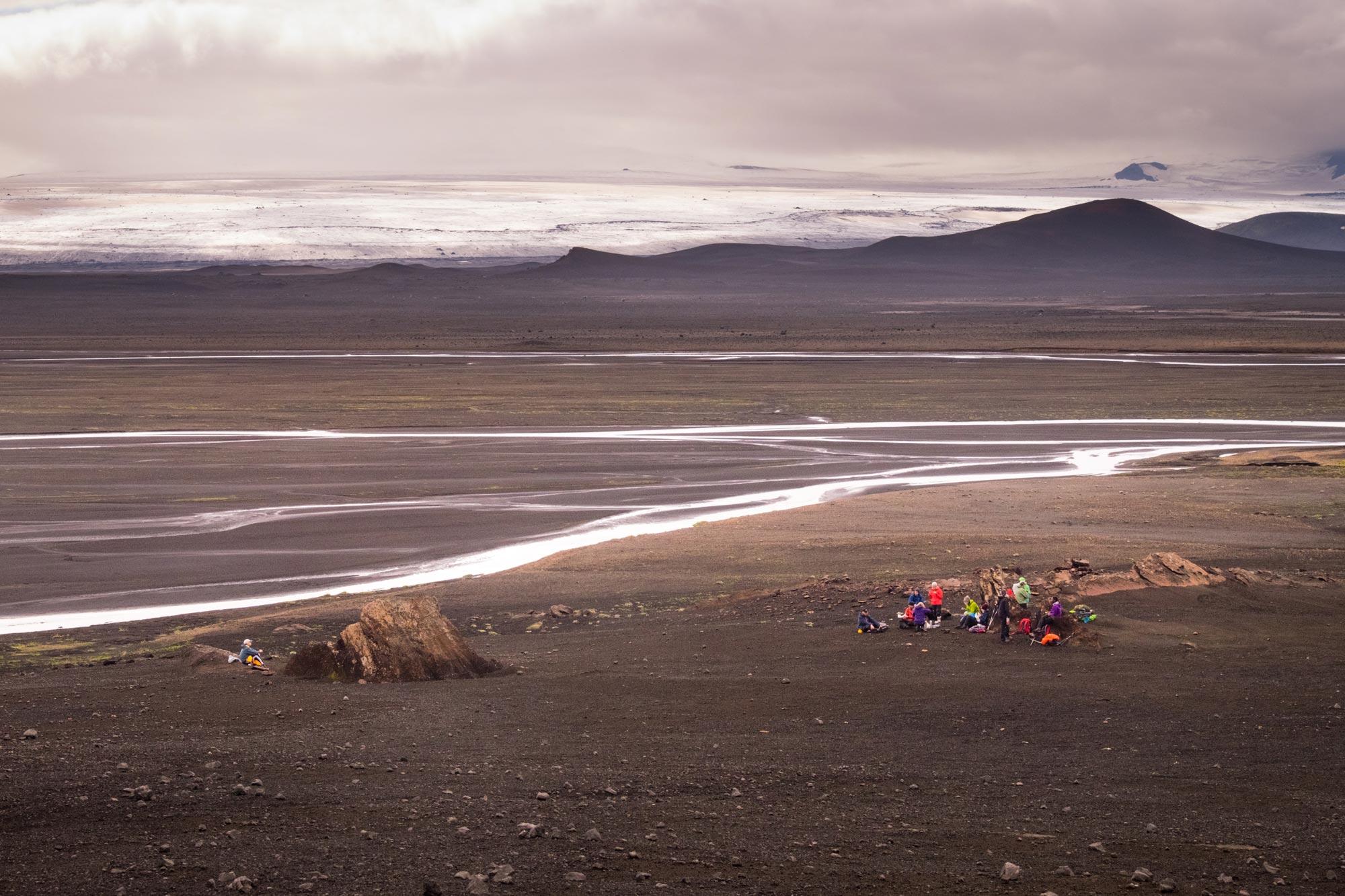
Water planning becomes more important when you leave towns and villages behind. On remote hiking routes, there may be long stretches between campsites, huts and other facilities. You cannot assume that a reliable drinking-water tap will be available whenever you need one.
Clara recommends that hikers always bring enough tap water for their planned route.
“If you are doing a longer trek, please check the trail map, plan the amount of water you bring accordingly, and follow the trail recommendations,” she says.
Before setting off, consider the length and difficulty of your hike, the weather, your pace and the availability of refill points. For multi-day treks, check the route information and any specific advice about water supplies.
A few practical habits can help:
- Fill up before you leave. Start with enough drinking water for your planned activity.
- Check refill points in advance. Campsites and huts may have water facilities, but availability varies.
- Carry enough for changing conditions. A strenuous hike or unexpected delay can affect how much water you need.
- Treat natural water if necessary. If you might run out before reaching a reliable refill point, use a suitable filter or treatment method and follow its instructions.
- Keep your bottle clean. Store drinking water in a clean, closed container and avoid contaminating the opening.
Clara recommends filtering or treating stream water if you are in a situation where your drinking water may run out before your next refill point. Your best bet, however, is to carry enough water from the start whenever possible.
How Can Hikers Protect Iceland’s Natural Water Sources?
Iceland’s water is not just a resource for visitors to enjoy. It is part of the environment that supports communities, wildlife and ecosystems. Protecting it means considering how everyday actions affect the water around us.
Clara puts the responsibility in straightforward terms: “We need to respect the ecosystem, be considerate, and not leave trash behind.”
That means understanding the difference between using water and contaminating it. Taking a drink from your own bottle beside a stream is very different from washing dishes, rinsing muddy equipment or bathing directly in the water.
Keep washing away from streams
Avoid washing yourself, your clothes, cooking equipment or hiking gear directly in a river or stream. Soap and cleaning products can affect aquatic environments, while food scraps introduce waste and may attract animals.
Clara recommends waiting until you reach designated camping facilities for cooking, cleaning and bathing. Use the facilities available at campsites rather than washing directly in natural water sources.
Even products labelled biodegradable should not be treated as harmless to every environment. Follow local guidance and keep washing activities away from streams and lakes.
Dispose of human waste responsibly
Human waste can introduce pathogens into the environment. Where toilets are available, use them. If facilities are unavailable, follow the local area's guidance on waste disposal.
Clara specifically warns hikers not to relieve themselves near water reservoirs or streams because pathogens in faeces can travel through water and cause illness downstream.
Where local rules permit digging a small hole for solid human waste, choose a location well away from water, campsites and trails, and cover the waste properly. Bag and carry out toilet paper and other hygiene products where required. Never leave them on the trail or beside a stream.
Rainfall and runoff can carry contaminants into nearby water systems. Keeping waste away from water sources helps protect people and wildlife further downstream.
Leave no trace
Take all rubbish with you, including food packaging, wet wipes and other items brought on the hike. Do not rinse waste into streams or leave scraps behind.
These habits matter even in places that appear untouched. A remote landscape is not automatically protected from contamination, and small impacts can accumulate when repeated by many visitors.
Why Protecting Catchment Areas Matters
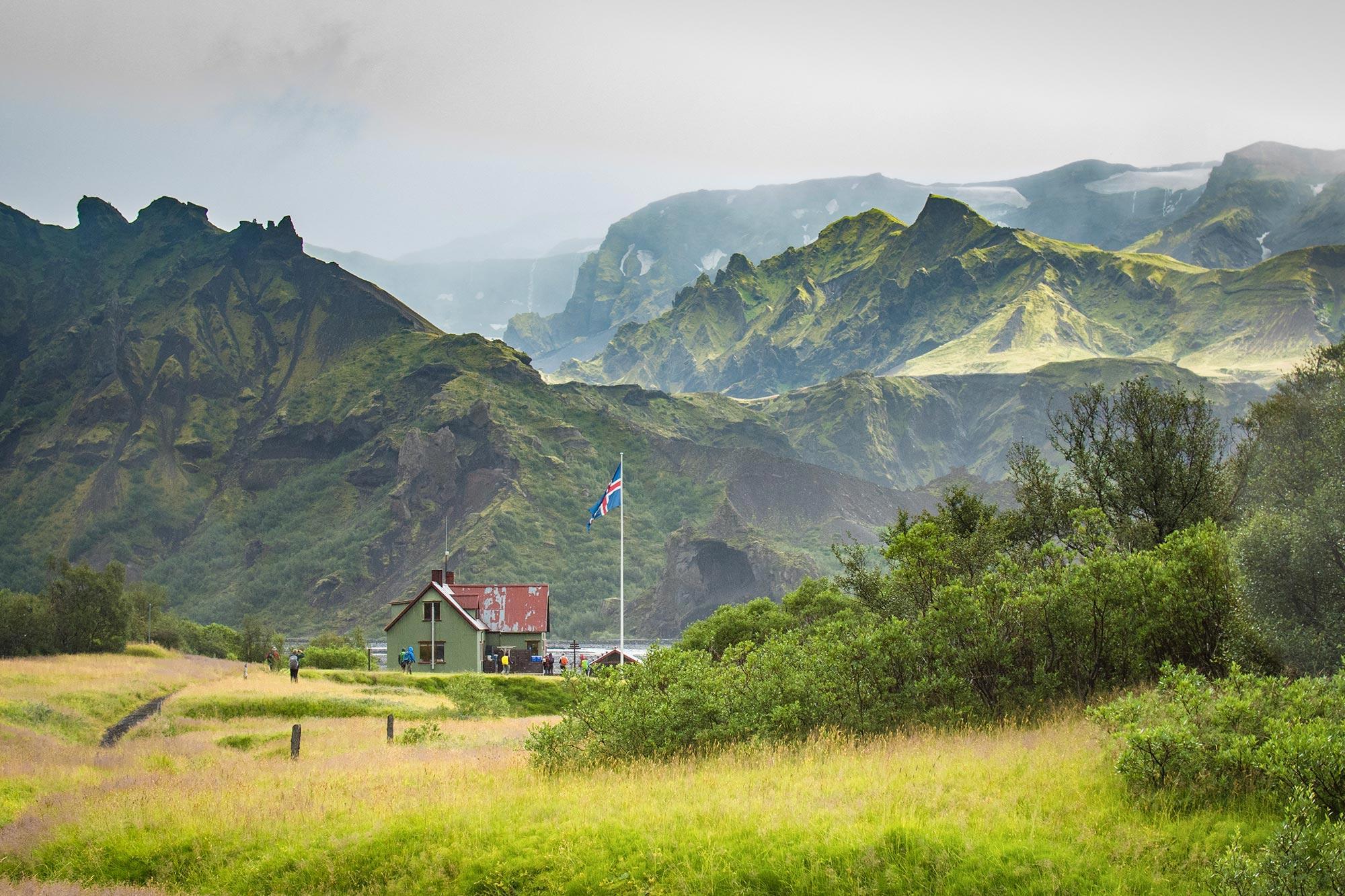
Iceland’s clean drinking water does not depend solely on glaciers, rain and abundant natural water. It also depends on protecting the areas that supply and replenish water sources.
A catchment area is land where rainfall and other water flows drain towards a particular river, lake or groundwater system. Activities on that land can affect water quality. Waste and other contaminants may enter waterways through runoff or seepage.
Groundwater is especially important because water moves through soil and rock before reaching wells and springs. Protecting the land around these systems helps maintain the quality of the water people rely on.
Clara encourages people to be mindful of how much water they use and to prevent contamination of the ecosystems and catchment areas that supply it.
For visitors, the practical steps are simple: use designated facilities, dispose of waste properly, follow local restrictions and avoid introducing contaminants into the landscape. Protecting water starts long before it reaches the tap.
Protecting water starts long before it reaches the tap.
Is Glacier Water Safe to Drink as Iceland’s Climate Changes?
Glacier water is an increasingly relevant subject as Iceland’s glaciers respond to climate change. Glaciers are shrinking, and changes in ice volume and melting patterns affect the timing and amount of water flowing into rivers.
Clara explains that freshwater runoff in Iceland could increase in the short term as glaciers melt, but this brings uncertainty around seasonal variation and infrastructure, including hydropower production. Over the longer term, freshwater contributions may decrease as less glacial ice remains available to melt.
Glacier melt also affects the ocean. Changes in freshwater input can influence sea level, salinity, ocean circulation, nutrient transport and marine ecosystems.
Clara also highlights the potential effect of melting ice from Greenland on the Atlantic Meridional Overturning Circulation (AMOC), a system of ocean currents that transports heat around the North Atlantic. Large freshwater inputs can alter ocean salinity and potentially weaken this circulation, with possible consequences for regional sea temperatures, weather patterns and marine life around Iceland.
These processes are complex, and their effects vary across timescales and locations. They are not a reason to assume that Iceland will simply run out of drinking water. They do underline why protecting freshwater resources and natural ecosystems matters.
So, is glacier water safe to drink simply because it comes from a glacier? No. Its safety depends on more than its source or appearance. Choosing treated tap water and protecting the environment are sensible habits regardless of how the climate changes.
Low-Impact Water Habits in Iceland
Before setting out to explore Iceland, use this checklist to make responsible water habits part of your travel routine.
- Bring a reusable water bottle.
- Fill it with cold tap water before leaving your accommodation.
- Check hiking routes, refill points and local water guidance.
- Carry enough drinking water for your planned activity.
- Use a suitable filter or treatment method if you must collect natural water.
- Keep soap, food waste and cleaning products away from streams.
- Use campsite facilities for washing and laundry.
- Follow local guidance for toilet use and pack out rubbish.
- Respect protected areas and notices about water sources.
- Avoid buying bottled water when safe tap water is available.
Protecting Iceland’s Water Starts With Small Habits
Water is woven into the Icelandic experience, from glacial landscapes and rushing rivers to the cold tap water you fill your bottle with before setting off for the day.
The best way to enjoy it responsibly is not complicated. Choose treated tap water when it is available, carry enough water for your adventure, and never assume that clear glacier or stream water is safe to drink untreated. When hiking, keep waste and washing away from natural sources, and follow local guidance.
Iceland’s water is a valuable resource, not something to take for granted. Protecting it rarely requires grand gestures. It depends on small, thoughtful habits repeated by thousands of visitors and residents, day after day.
Explore Iceland’s Glaciers With a Guide
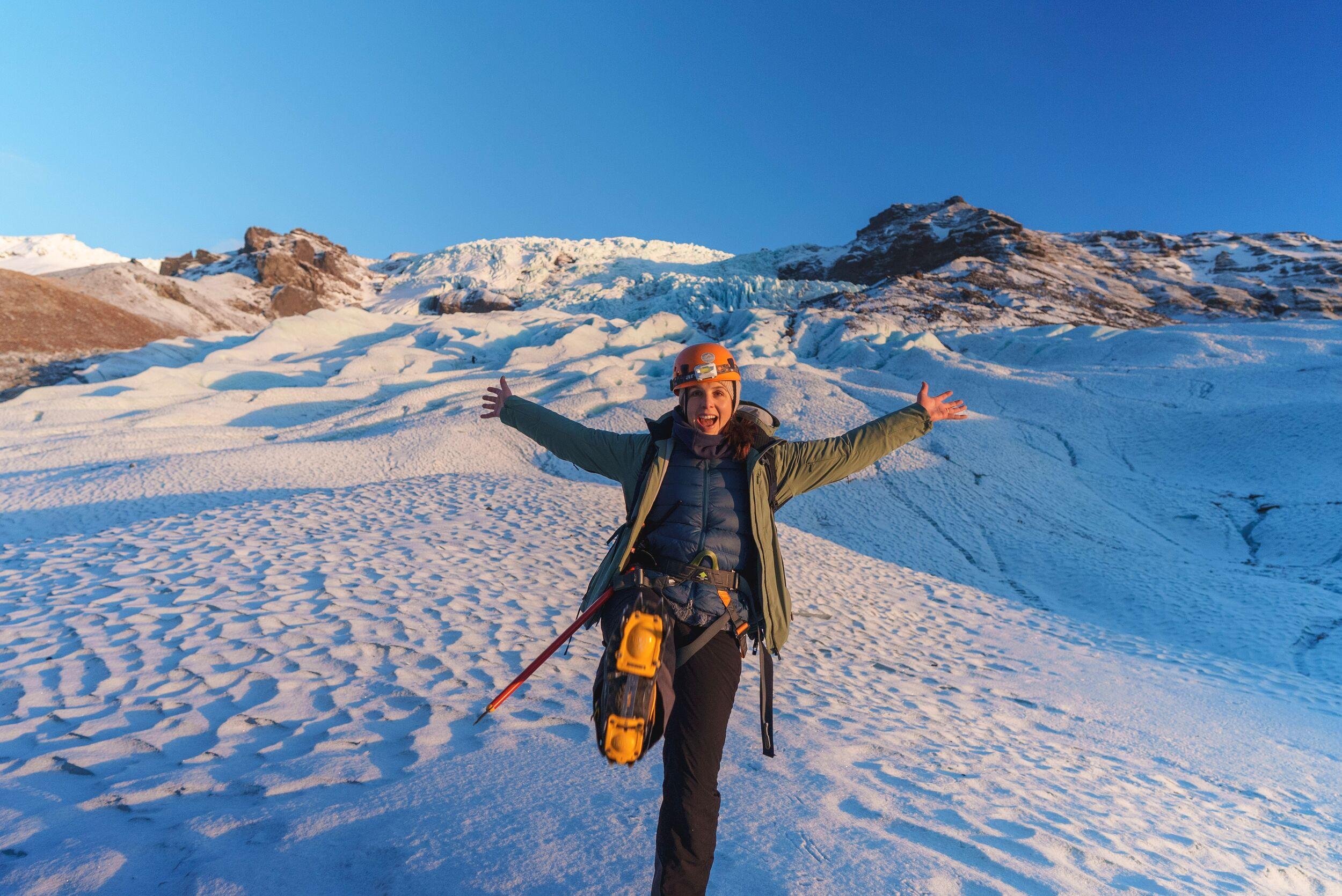
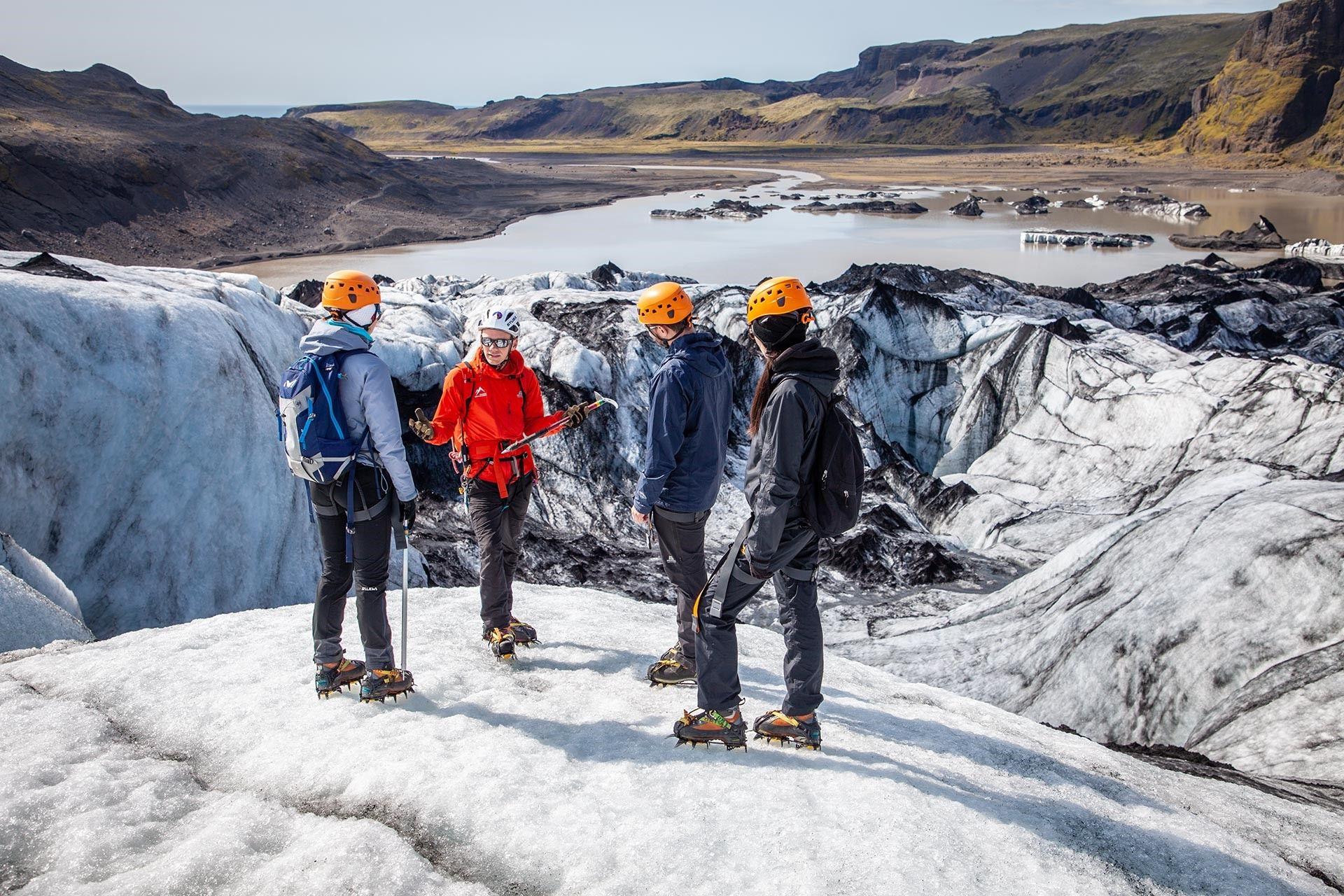
Glacier Discovery - 3.5-hour Sólheimajökull Glacier Hike
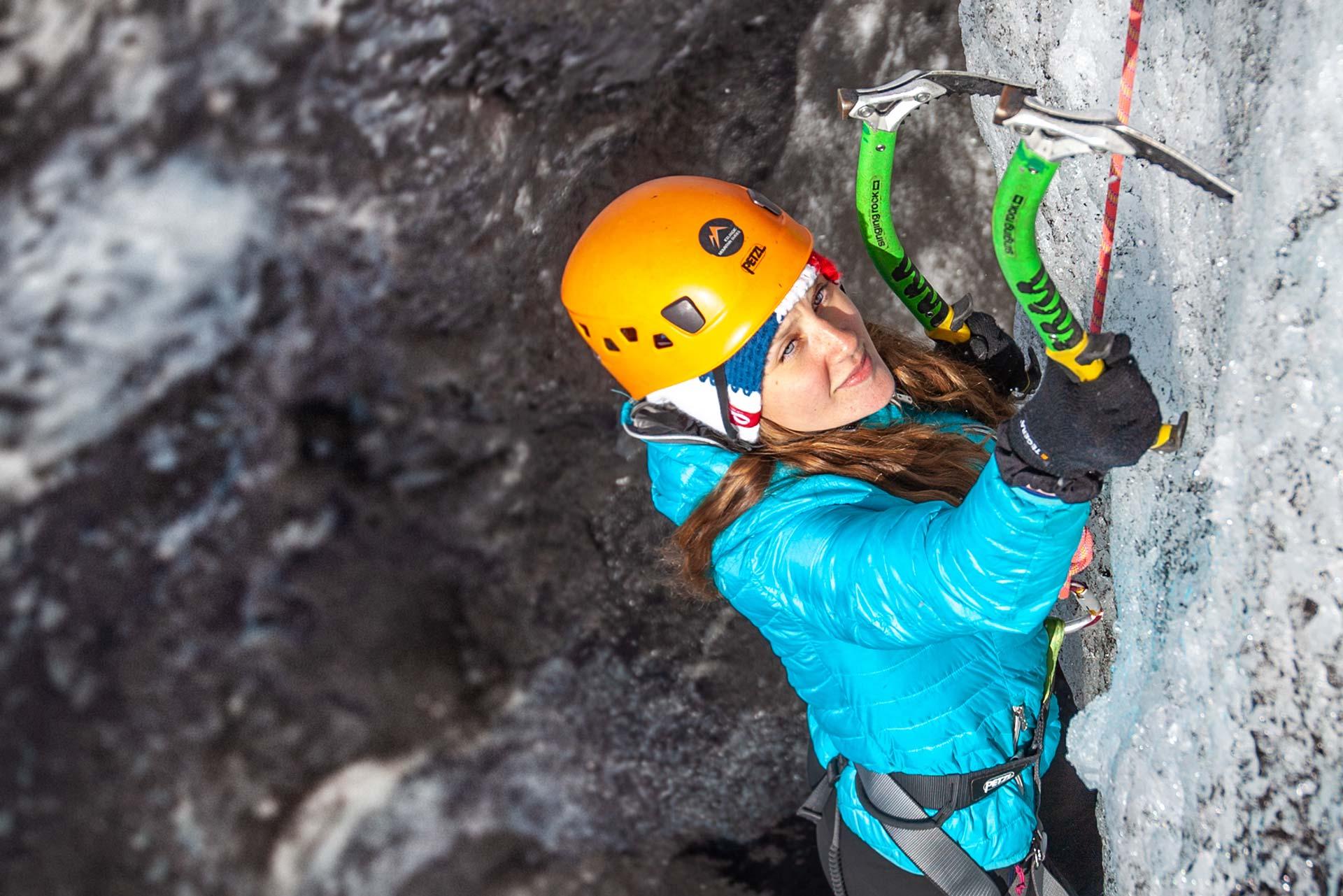
Sólheimajökull Glacier Hike and Ice Climbing
Frequently Asked Questions
Is glacier water safe to drink in Iceland?
Glacier water is not necessarily safe to drink untreated, even if it looks crystal clear. It can contain harmful microorganisms from wildlife, soil and other sources. The same caution applies to water from waterfalls, rivers, streams and natural springs. For the safest option, drink cold tap water or use an appropriate water filter or treatment method when necessary.
Is tap water safe to drink in Iceland, and why don’t Icelanders buy bottled water?
Yes. Icelandic tap water is safe to drink and is known for its excellent quality and fresh taste. Some hot water can have a sulphur smell or taste because it comes from geothermal sources, so use cold tap water for drinking. Since safe drinking water is readily available from taps, most visitors do not need to buy bottled water. Bring a reusable water bottle and refill it as you travel.
What should tourists be careful of when drinking water in Iceland?
The main precaution is not to assume natural water is safe just because it looks clean. Avoid drinking untreated glacier meltwater or water from rivers, streams, waterfalls and springs. Follow local signs and advice, and use designated drinking-water facilities where available. Protect natural water sources by keeping rubbish, soap, food waste and human waste away from streams and lakes.
Can you drink stream or river water while hiking in Iceland, and should you bring a water filter?
Do not assume stream or river water is safe to drink untreated. If you need to collect natural water during a hike, use a suitable filter or treatment method that addresses the potential contaminants, and follow its instructions. A filter can be a useful backup on remote routes, but it is best to start your hike with enough drinking water rather than relying on natural sources.
Where can you get drinking water on Iceland’s hiking trails, and how much should you carry?
Fill your reusable bottle with cold tap water before setting off, and check your route for reliable refill points at huts, campsites or other facilities. Carry enough water for the hike’s length, difficulty, weather and expected duration, allowing extra for delays. On multi-day treks, plan your water supplies for each stage and follow trail-specific recommendations. Do not rely on finding safe drinking water in the wilderness.
Why is Icelandic drinking water so clean, and should you bring a reusable water bottle?
Icelandic tap water is renowned for its high quality, making it an easy choice for staying hydrated while travelling. A reusable water bottle lets you refill from cold taps instead of buying single-use plastic bottles. Bring one for sightseeing and hiking, refill it whenever safe tap water is available, and help reduce waste while exploring Iceland.
Keep me informed about the Icelandic Mountain Guides Blog
Outdoor adventure in Iceland is our specialty. Subscribe to our free monthly newsletter to learn when to go, what to do and where to have the best adventures in Iceland.
Related Blog Posts
Related Tours
Glacier Discovery - 3.5-hour Sólheimajökull Glacier Hike