Sólheimasandur E-Bike Adventure
| All, Travel Guide, TIPS AND TRICKS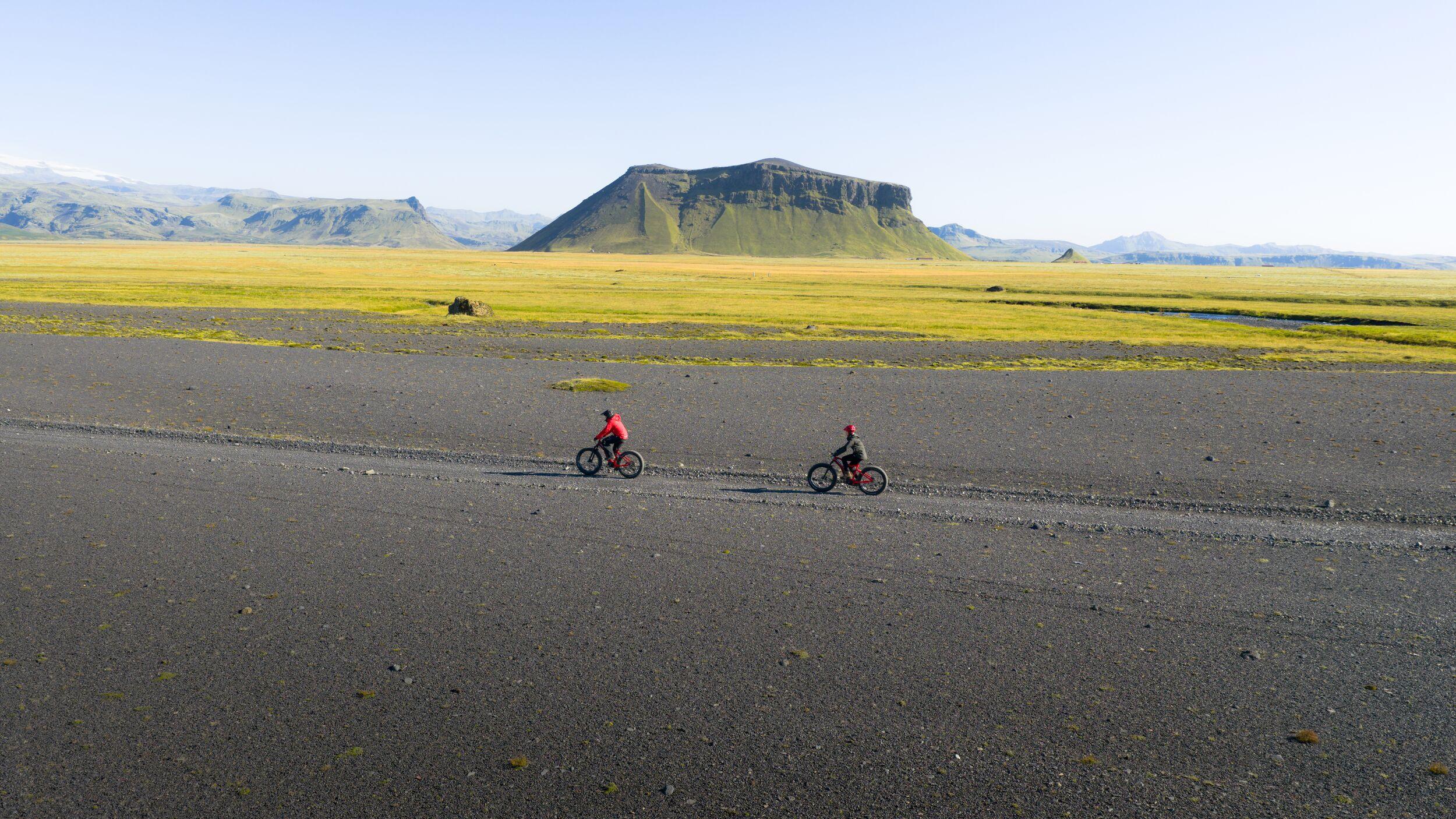
The smart way to reach Iceland’s DC-3 plane wreck
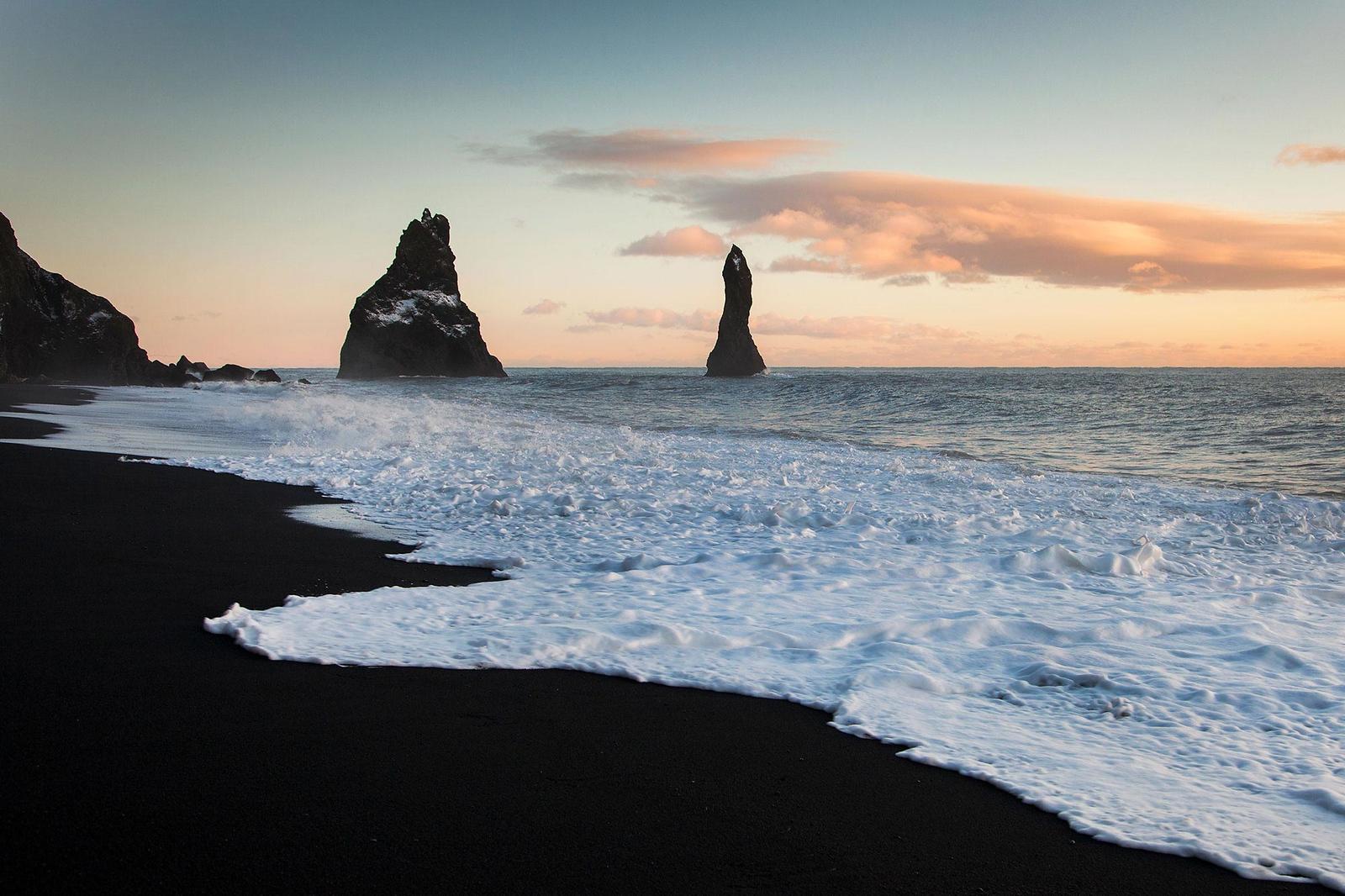
Iceland is many things, but “subtle” isn’t one of them. This is a place that presents itself in bold strokes: blinding white glaciers spilling toward the sea, emerald moss clinging to ancient lava flows, and vast plains of volcanic black sand stretching toward distant horizons. The entire country feels like a land broken down into its individual elements. One moment, you’re standing beside a roaring waterfall shrouded in mist. The next, you are surrounded by a silent desert of ash and stone, where the wind paints temporary patterns across the ground.
These contrasts define the Icelandic experience. They are not confined to remote corners of the highlands, but exist openly along the South Coast, accessible yet still wild. Here, glaciers gleam under shifting skies while black sand deserts absorb the light. Rivers weave braids across barren plains, while the North Atlantic crashes relentlessly against volcanic shores.
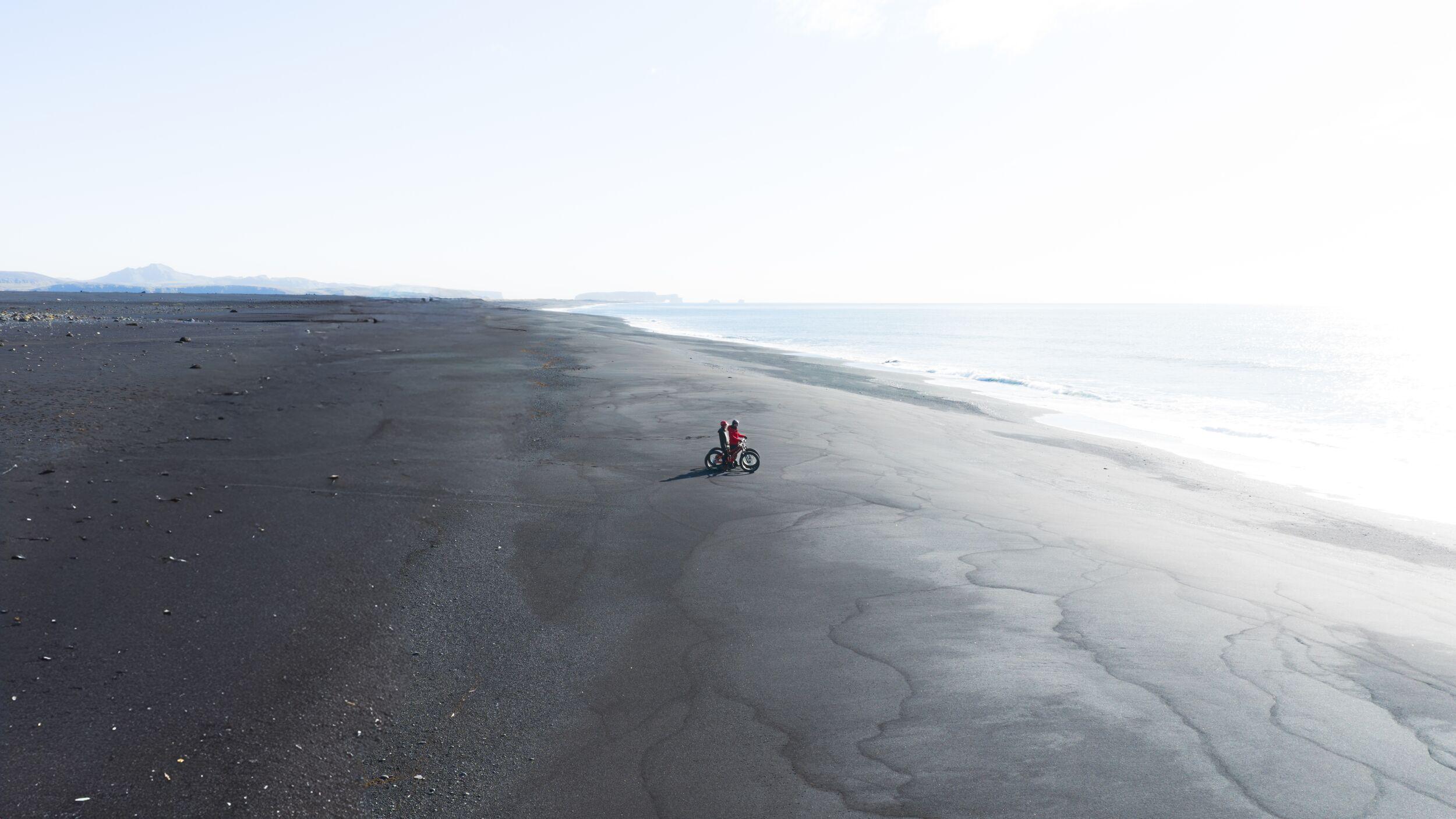
Among these landscapes lies Sólheimasandur, a vast black sand outwash plain formed by glacial floods and volcanic activity. It is not lush or colourful; it is stark, minimalist and deeply atmospheric. The emptiness of this place is the attraction. Here, the horizon feels infinite and the whipping wind reminds you that this land is always in motion.
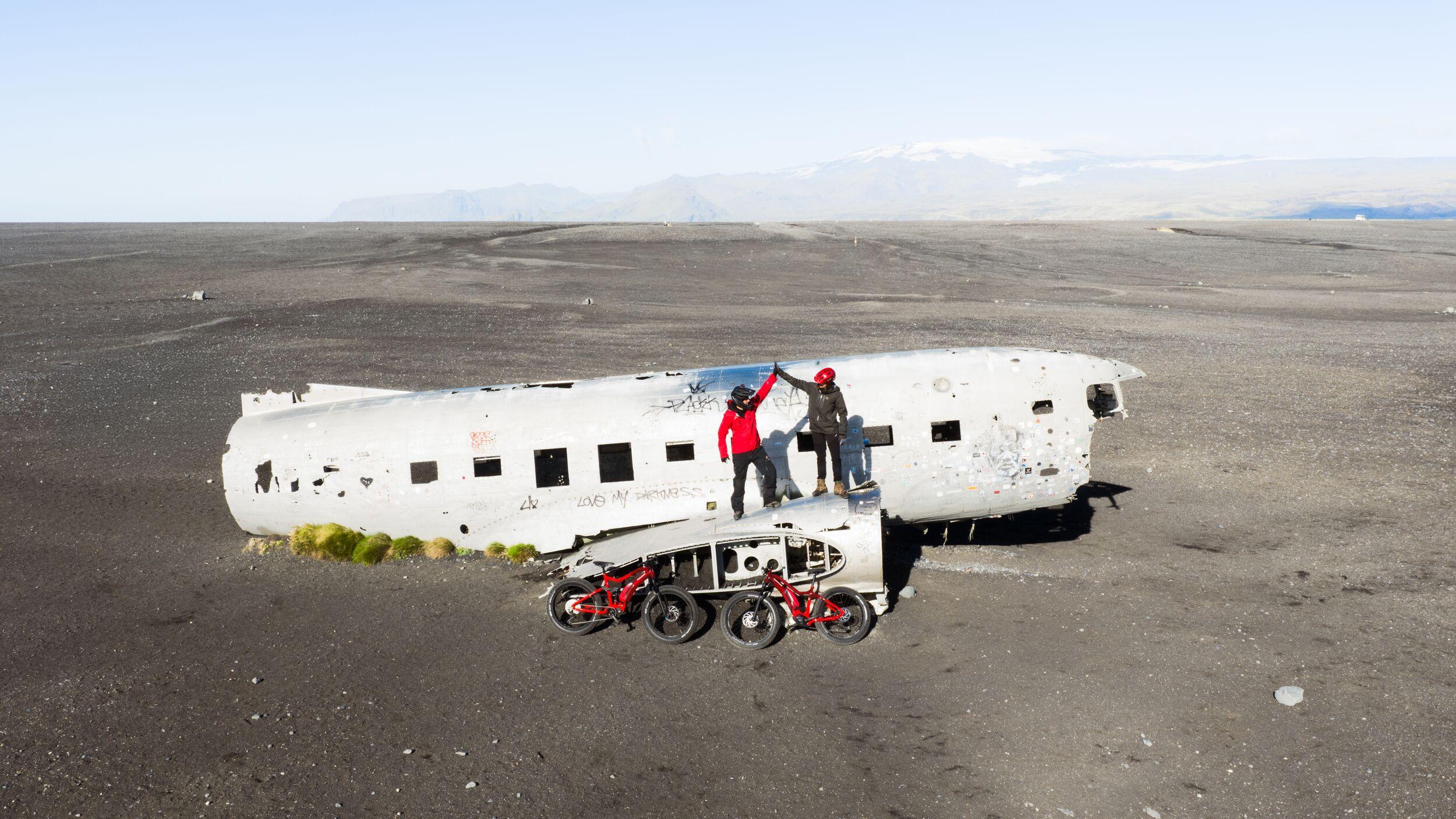
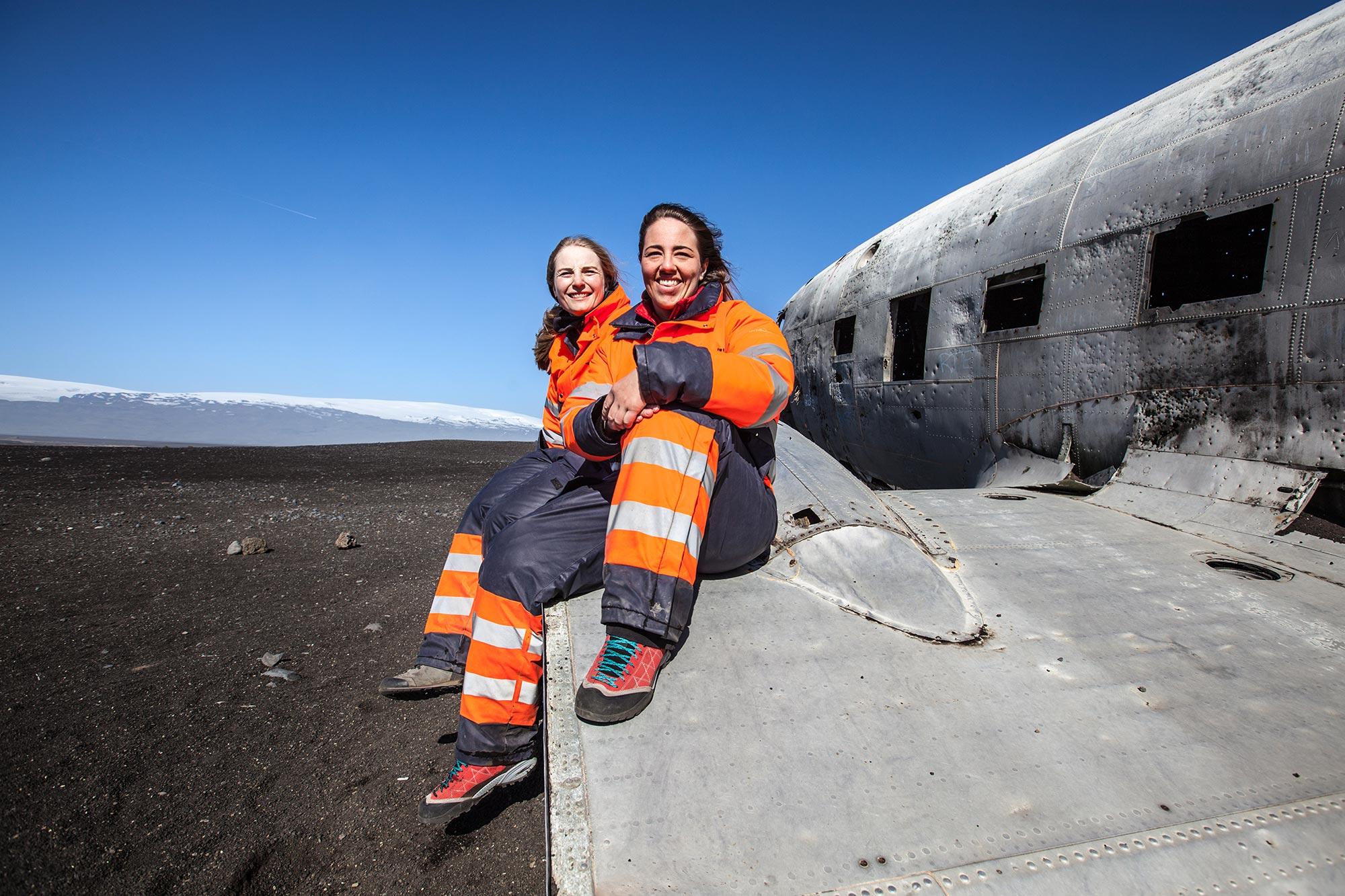
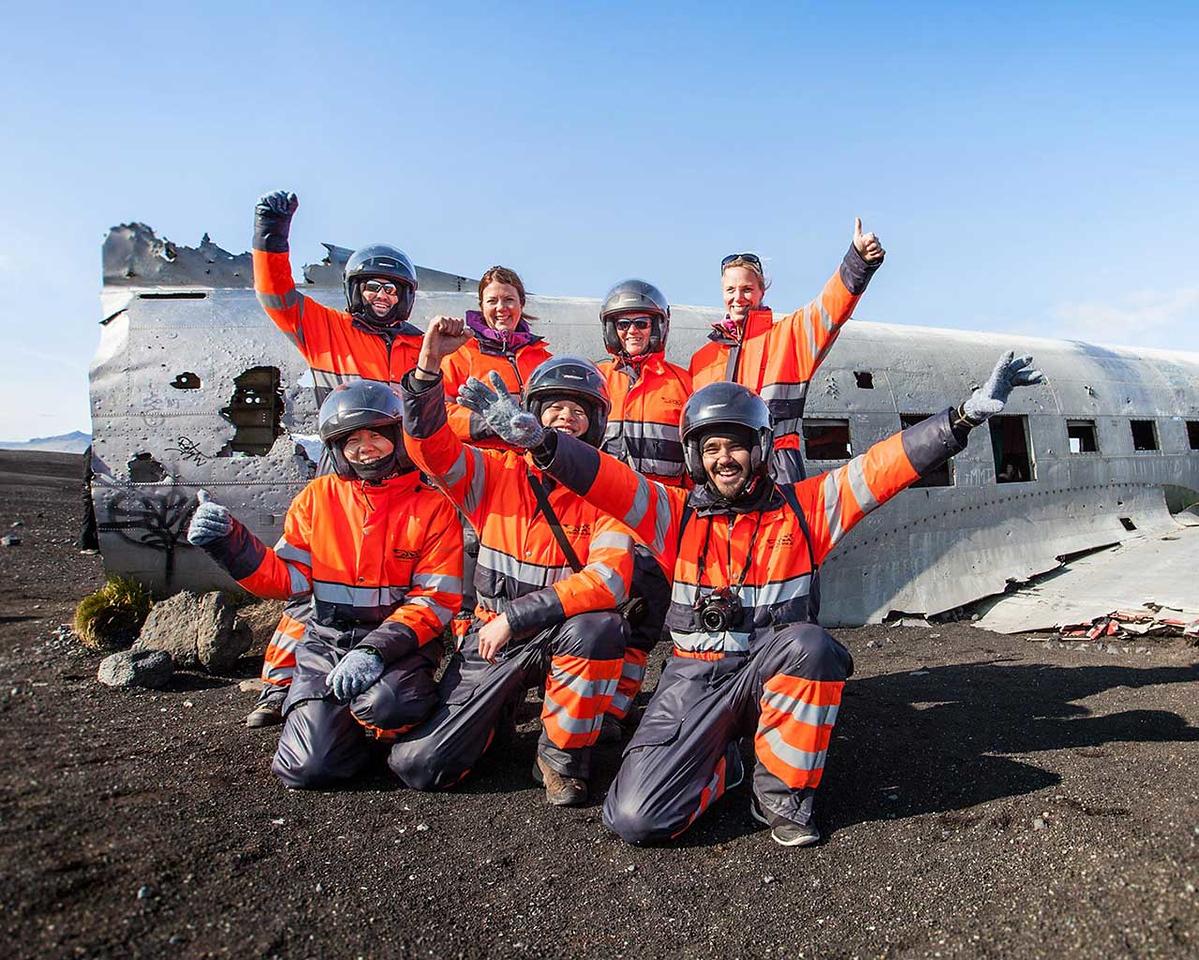
What’s more, somewhere out there, resting for eternity in this volcanic expanse, is one of Iceland’s most intriguing relics: the wreck of a Douglas C-117D that crashed onto the black sands in 1973.
For travellers seeking more than a roadside viewpoint, visiting the wreck offers something rare — not just a destination, but a journey. And for those willing to try something different, a Sólheimasandur e-bike adventure transforms that journey into one of the most memorable experiences on the South Coast.
Rent an E-Bike to the Plane Wreck
For independent travellers who want flexibility, Icelandic Mountain Guides operate an e-bike rental directly at the Sólheimasandur parking lot. Unlike a guided group tour, this option requires no advance booking and no set departure time — you arrive, rent an e-bike on a first-come, first-served basis, receive a brief orientation from our team, and head out to the plane wreck entirely at your own pace.
Rental durations are available for 1 hour or 2 hours depending on availability. This gives you complete freedom to linger at the wreck, explore at your own rhythm, and return when you're ready — without the time constraints of a shuttle or the fatigue of a long walk. Summer visitors should arrive early, as the bikes tend to fill up during peak season.
This option works well for experienced independent travellers, groups with mixed fitness levels who want to ride together, and anyone seeking the personal freedom to experience Sólheimasandur entirely on their own terms.
The Story of the DC-3 Plane Wreck
The aircraft itself is a Douglas C-117D, which was based on the Super DC-3, first flown in 1944. Built for durability, it was one of the most reliable and widely used transport planes of the 20th century.
The plane that now rests on Sólheimasandur belonged to the United States Navy. On 21 November, 1973, the aircraft had just delivered supplies to a radar station at Stokksnes and was returning to the Naval Air Station Keflavik from Hofn Hornafjördur Airport. Not long after take-off, however, ice began to build up on the body of the aircraft, blocking the oxygen intake required for fuel combustion.
Pilot Gregory Fletcher has since recalled in interviews that he surmised the crew’s chance for survival was better on the ocean than on a glacier, so he steered the DC-3 toward the coast, bringing it down on a frozen river on Sólheimasandur. The seven-person crew survived and was rescued by a U.S. Navy helicopter.
Recovering the wreck from its remote resting place was impractical so the aircraft was deemed a write-off.
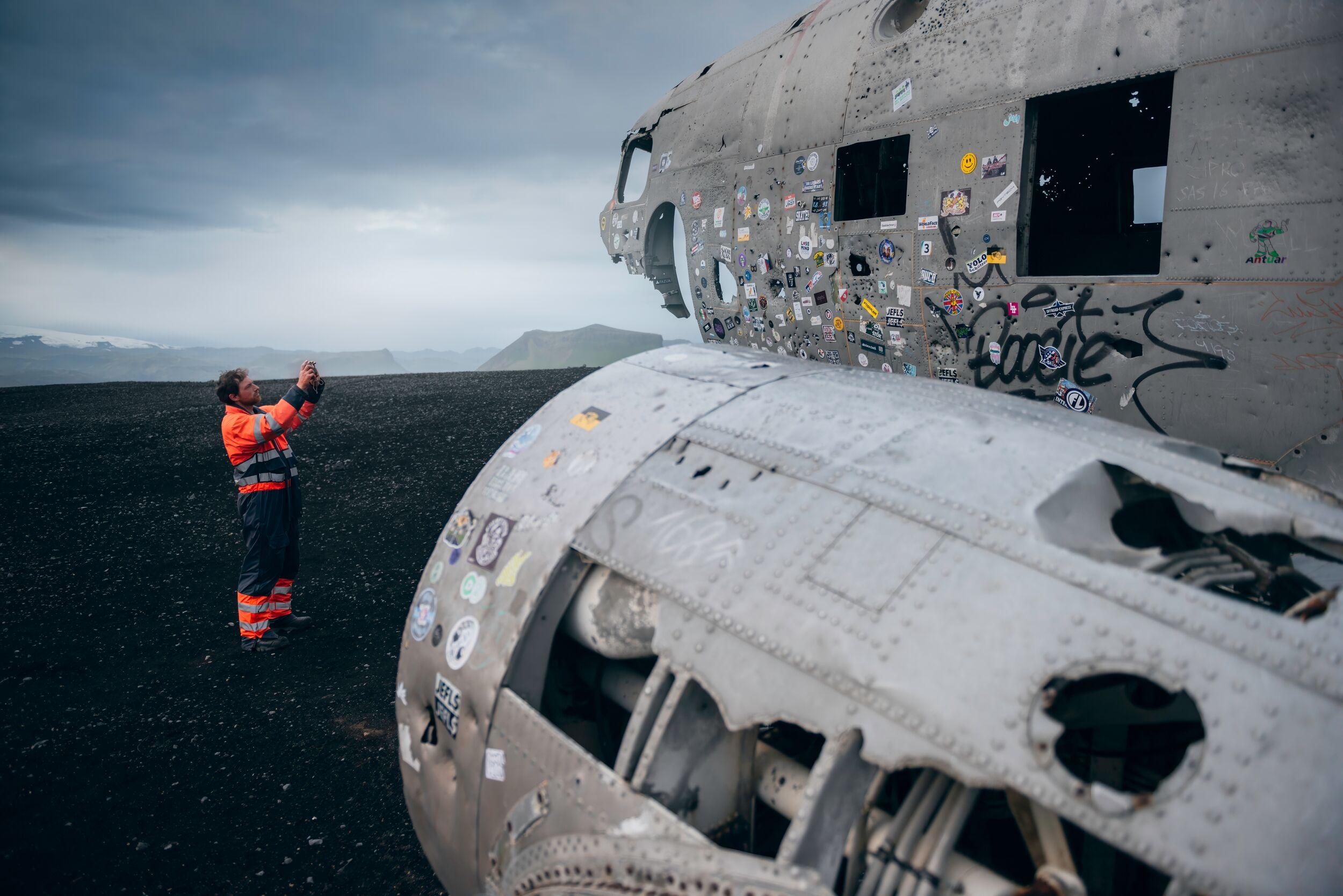
Over time, the abandoned fuselage became part of the landscape, reclaimed by locals and by nature alike. Wind scoured the aluminium surface. Storms stripped away paint and components. Locals used the wreck for target practice, pocking the aircraft with bullet holes. Decades have passed, but the aircraft’s skeleton remains — stark white against endless black sand.
Today, Iceland’s DC-3 plane wreck is no longer merely an accident site, it has become an icon of Iceland. It represents isolation, resilience and the intersection of human engineering with raw natural forces. Photographers, adventurers and curious travellers have been drawn there for years, not only to see the plane, but to experience its setting.
Unlike museums or planned monuments, nothing protects it from the elements. The erosion is evident and how much longer it will last is unclear.
Oh, and reaching it requires some real planning and effort.
The Reality of Visiting Sólheimasandur
The plane wreck sits approximately 3.5 kilometres (2 miles) from the nearest parking area. The distance of the Sólheimasandur walk is longer than many visitors expect, totalling around 7 kilometres round trip.
On paper, the path seems simple. It is mostly flat, following a gravel access track across the sand.
But Icelandic winds can be relentless, often blowing directly across the plain What begins as a calm walk can quickly turn into a battle against headwinds. Weather conditions change rapidly. Rain, snow, or fog can reduce visibility, making navigation more challenging than anticipated.
The walk typically takes 3 to 4 hours round trip at a steady pace. For travellers with tight itineraries, that represents a significant time commitment.
Fatigue also plays a role. Walking across black sand out in the unpredictability of nature expends more energy than walking on firm pavement. Many travellers reach the plane wreck already tired — and that can limit their enjoyment of the experience.

The emptiness of this place is the attraction.
Exhilaration on Two Wheels
We’ve got a better approach: the Sólheimasandur e-bike tour. Instead of spending hours walking, an e-bike equipped with fat tires allows you to glide effortlessly across the sand, conserving energy while immersing yourself fully in the landscape.
Electric assistance allows riders to cover the distance quickly and comfortably. What might take two hours on foot can take less than half that time on an e-bike, without exhaustion.
This efficiency has another advantage: it reduces environmental impact. Compared to motorized transport, e-bikes produce no direct emissions. They operate quietly, preserving the serenity of the landscape while minimizing disturbance.
For travellers seeking a sustainable, efficient and immersive way to reach the DC-3 plane wreck, fat e-bikes are a solution perfectly suited to Iceland’s wild terrain.
Electric assistance does not eliminate effort — it amplifies your ability to explore. Instead of arriving tired, you arrive energized and ready to explore, snap photos and absorb your surroundings.
Instead of spending hours walking, an e-bike allows you to glide effortlessly across the sand.
Safety in an Unpredictable Environment
Sólheimasandur is vast and exposed. Navigation may seem straightforward, but sudden weather changes can disorient even experienced travellers.
A guided small-group tour enhances safety significantly. Experienced guides understand the terrain, wind patterns, and conditions. They monitor weather, choose optimal routes, and ensure riders remain comfortable throughout the journey.
This allows independent-minded travellers to focus on the experience itself, rather than worrying about logistics or navigation.
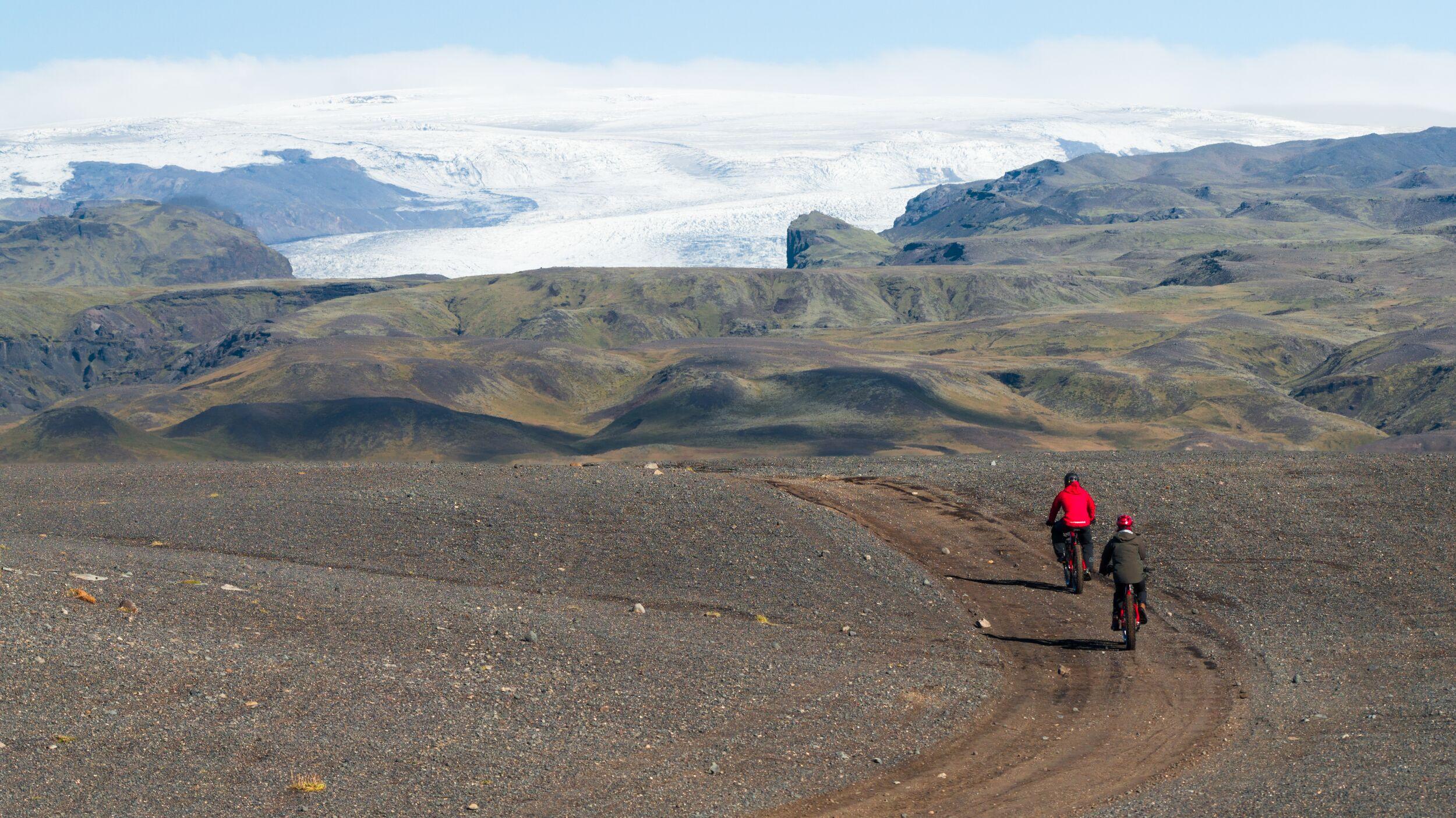
Fat E-Bikes: Built for Iceland’s Terrain
The bikes used in a Sólheimasandur plane wreck tour are not ordinary bicycles. They are fat e-bikes, specifically designed for challenging surfaces.
Fat e-bikes feature oversized tires, often 4 inches or wider. These wide tires distribute weight evenly, preventing the bike from sinking into soft sand. They provide exceptional stability, traction, and control.
Combined with electric assistance, fat e-bikes allow riders to travel smoothly across terrain that would be difficult or exhausting on a standard bike. The sensation is unique — stable, controlled, and quietly powerful.
Sustainability and Respect for the Landscape
Iceland’s landscapes are fragile. Tire tracks from motorized vehicles can scar the land for years.
E-bikes offer a low-impact alternative. They operate quietly, produce no exhaust emissions and allow travellers to move responsibly through sensitive environments.
This aligns naturally with the values of travellers who seek authentic experiences while minimizing their footprint. The journey becomes not only enjoyable, but responsible.
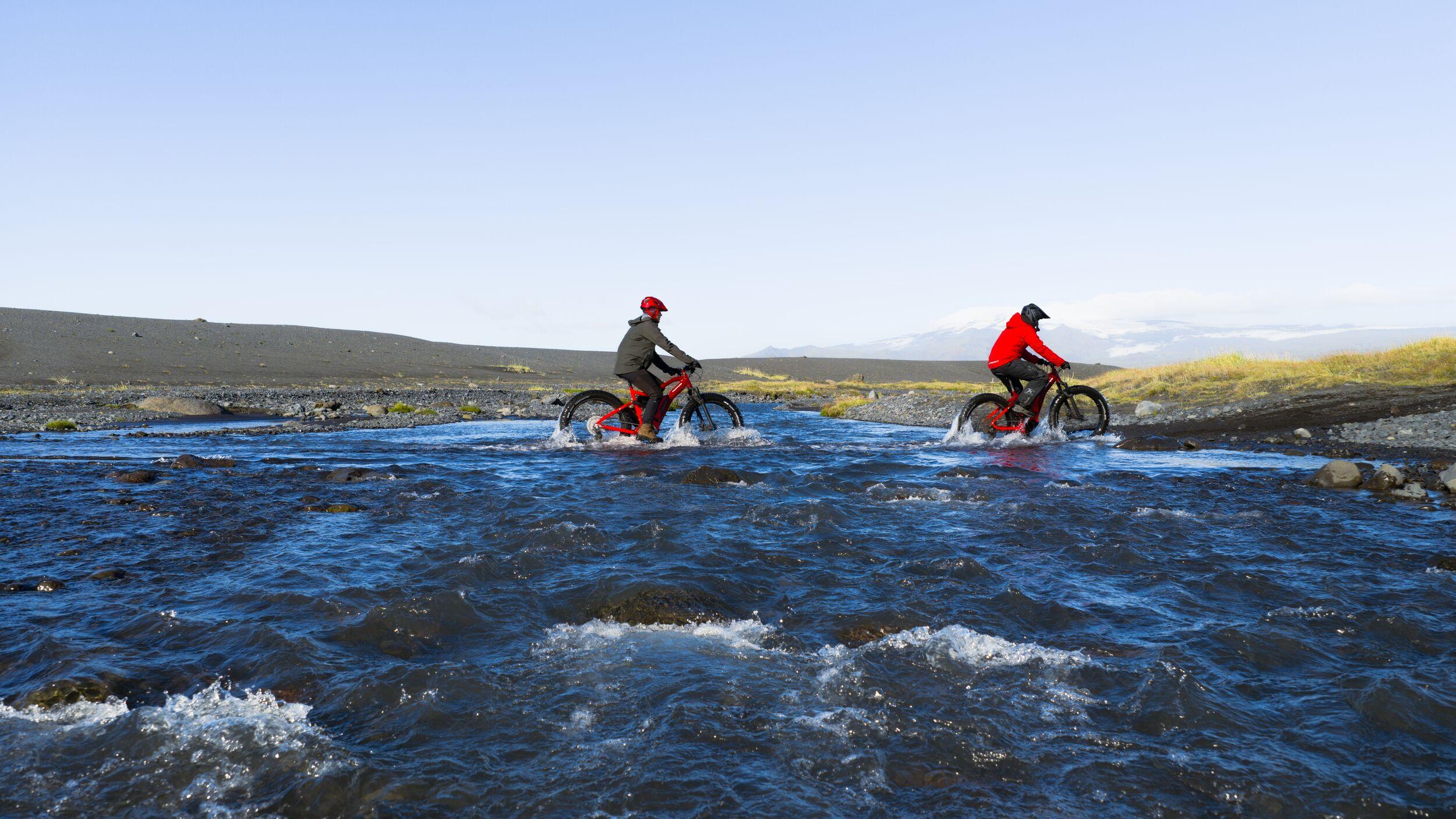
Riding Across a Volcanic Desert
The ride begins at the edge of the black sand plain.
At first, the landscape appears almost empty. But as you move deeper into Sólheimasandur, details emerge. Volcanic textures ripple across the surface. Distant mountains rise sharply from the horizon. Glaciers glint in the distance. The sense of space on this desert landscape is powerful.
Riding across this terrain on a black sand beach e-bike Iceland adventure feels surreal. The electric assistance allows you to maintain a steady pace while remaining fully connected to your surroundings.
You are not sealed inside a vehicle. You are part of the landscape, hearing the wind in your ears and the gentle crunch of sand and stone beneath your wheels.
You are not sealed inside a vehicle. You are part of the landscape.
More Than Just the Plane Wreck
One of the greatest advantages of a South Coast e-bike tour is that the experience extends beyond the wreck itself. The journey across Sólheimasandur reveals the subtle beauty of Iceland’s volcanic deserts.
You’ll experience firsthand how light changes across the sand. how clouds cast moving shadows, and how the glaciers looming in the distance appear to glow.
Going with an experienced guide means hearing insights along the way into the geology, history and natural forces that shaped the region. This deeper understanding transforms the experience.
Icelandic Mountain Guides’ small group sizes also enhance the sense of adventure. The experience feels personal, flexible and immersive.
Freedom, Motion and the Spirit of Iceland
There is a particular moment, riding across Sólheimasandur, when it feels like everything aligns.
The wind is pushing gently at your back as the horizon stretches endlessly ahead.
The bike responds effortlessly beneath you, giving you the feeling of almost being weightless.
In that moment, the plane wreck becomes more than today’s destination. It becomes part of a larger experience — a journey across one of Iceland’s most striking landscapes.
This is the essence of an Iceland e-bike adventure with Icelandic Mountain Guides.
It is not about speed. It is about connection.
Frequently Asked Questions
How far is the walk to the Sólheimasandur plane wreck?
The classic route to the DC-3 plane wreck from the nearest parking area is about 3.5 km (around 2 miles) one way, making the round-trip roughly 7 km. It’s a long, flat walk across an open black sand plain with little shelter.
Is the Sólheimasandur hike difficult or affected by strong winds?
The walk isn’t technically steep or mountainous, but the environment is very open. Strong winds are common, especially in winter and shoulder seasons, and can make the distance feel harder than it looks on a map. The black sand surface can also be tiring on foot, especially against the wind.
Why choose an e-bike instead of walking to the plane wreck?
Electric bikes allow you to cover the same ground with less physical strain and in much less time. You can still enjoy the wide-open landscapes and sense of adventure — but you arrive with energy to explore and photograph the wreck itself and get more out of your day on Iceland’s South Coast. E-bikes also have a lower carbon footprint than motorised vehicles and let you move quietly through the landscape.
Is the Sólheimasandur e-bike tour suitable for beginners?
Absolutely! You don’t have to be an expert cyclist to enjoy this tour. The electric assist helps you ride over the black sand and across varying terrain, and guides are there to help you feel confident and comfortable throughout. If you can ride a bike at a moderate pace, you can enjoy this experience.
What should I wear or bring for an e-bike tour on black sand?
Dress in layers and be prepared for changing weather. Windproof and waterproof outer layers are essential. Sturdy closed-toe shoes with good grip are recommended. Sunglasses and sunscreen help on bright days, while extra warm layers or gloves are useful when winds pick up. You’ll also want a water bottle and a small backpack for personal items. Pro tip: Bring sunglasses even if it’s cloudy, they will shield you from wind as well.
Are there safety concerns when visiting independently?
Visiting the plane wreck independently is possible, but the environment is remote and exposed. Sudden weather shifts, strong winds, and the long distance can pose challenges if you’re not prepared. Navigation across the plain is simple in good conditions, but can be harder in fog or strong wind. A guided tour adds local knowledge and support, making the experience safer and more enjoyable.
How long does the e-bike experience take compared to walking?
Walking to and from the wreck typically takes three to four hours, round trip, depending on pace and wind conditions. An e-bike significantly reduces that travel time, so you spend more time enjoying the landscape and the wreck itself. Most e-bike tours are designed to fit comfortably into a half-day schedule, while walking often takes most of the day.
What makes a guided small-group tour better than going alone?
Small-group tours combine independence with expertise. Guides know the terrain, weather patterns, and best routes across the black sand. They help with equipment, ensure everyone stays comfortable, and share insights about the landscape and history that add depth to your experience. Being with a small group also creates a sense of shared adventure without feeling crowded.
Can the tour be combined with other South Coast adventures?
Yes! The South Coast has so much to offer, from waterfalls and lava fields to sea cliffs and glaciers. The e-bike tour works well as part of a broader day of exploration. Travellers can also build the experience into a larger itinerary that includes other highlights along Iceland’s southern shoreline.
What time of year is best for exploring Sólheimasandur by e-bike?
The tour runs throughout spring, summer and early autumn. Summer generally offers calmer winds and more daylight, which many travellers find ideal. However, e-biking into the shoulder seasons can be exhilarating with crisp air and dramatic skies. Guides adjust to conditions to make the adventure rewarding no matter when you visit.
Keep me informed about the Icelandic Mountain Guides Blog
Outdoor adventure in Iceland is our specialty. Subscribe to our free monthly newsletter to learn when to go, what to do and where to have the best adventures in Iceland.
Related Blog Posts
Related Tours
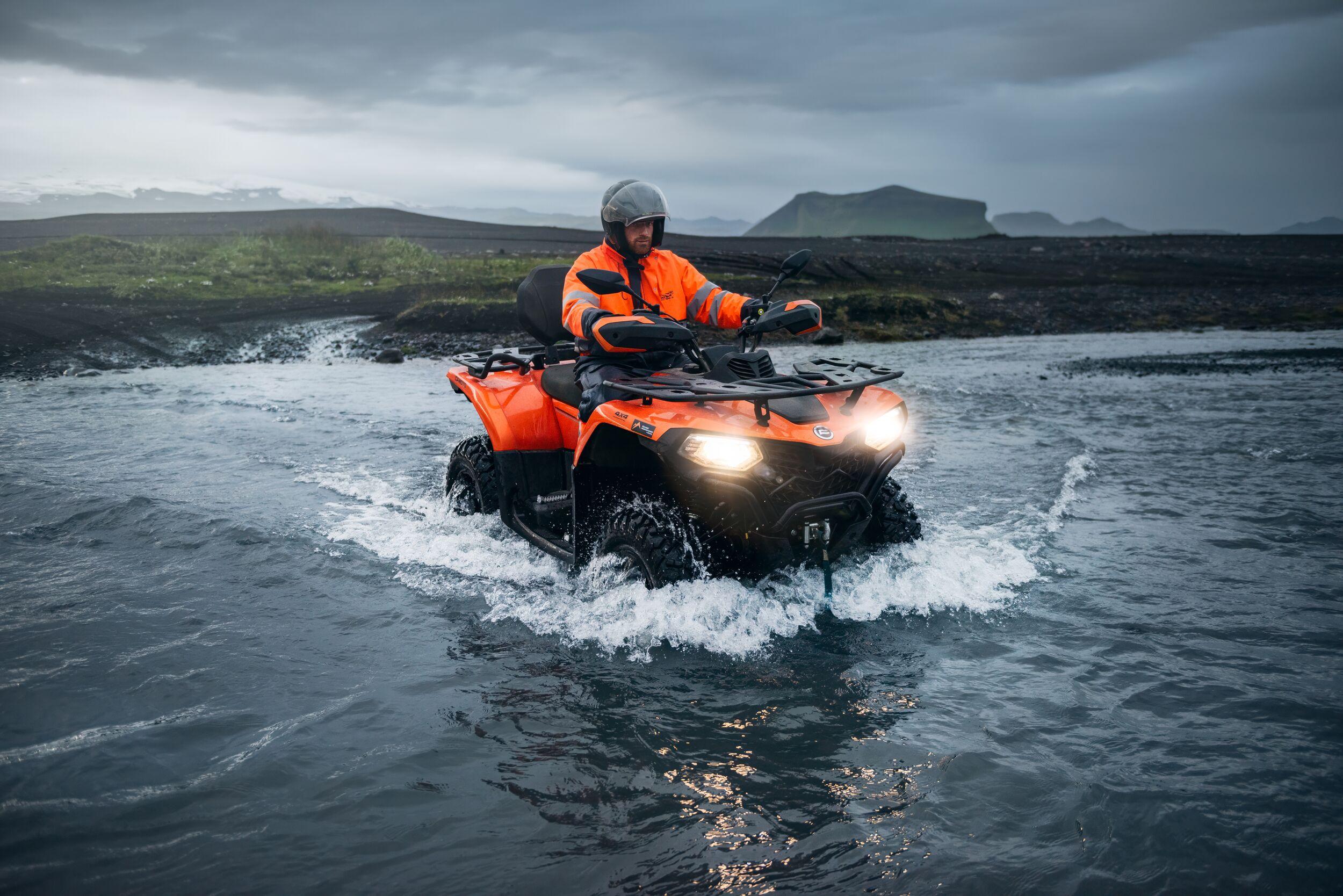
Black Sand Beach ATV Express