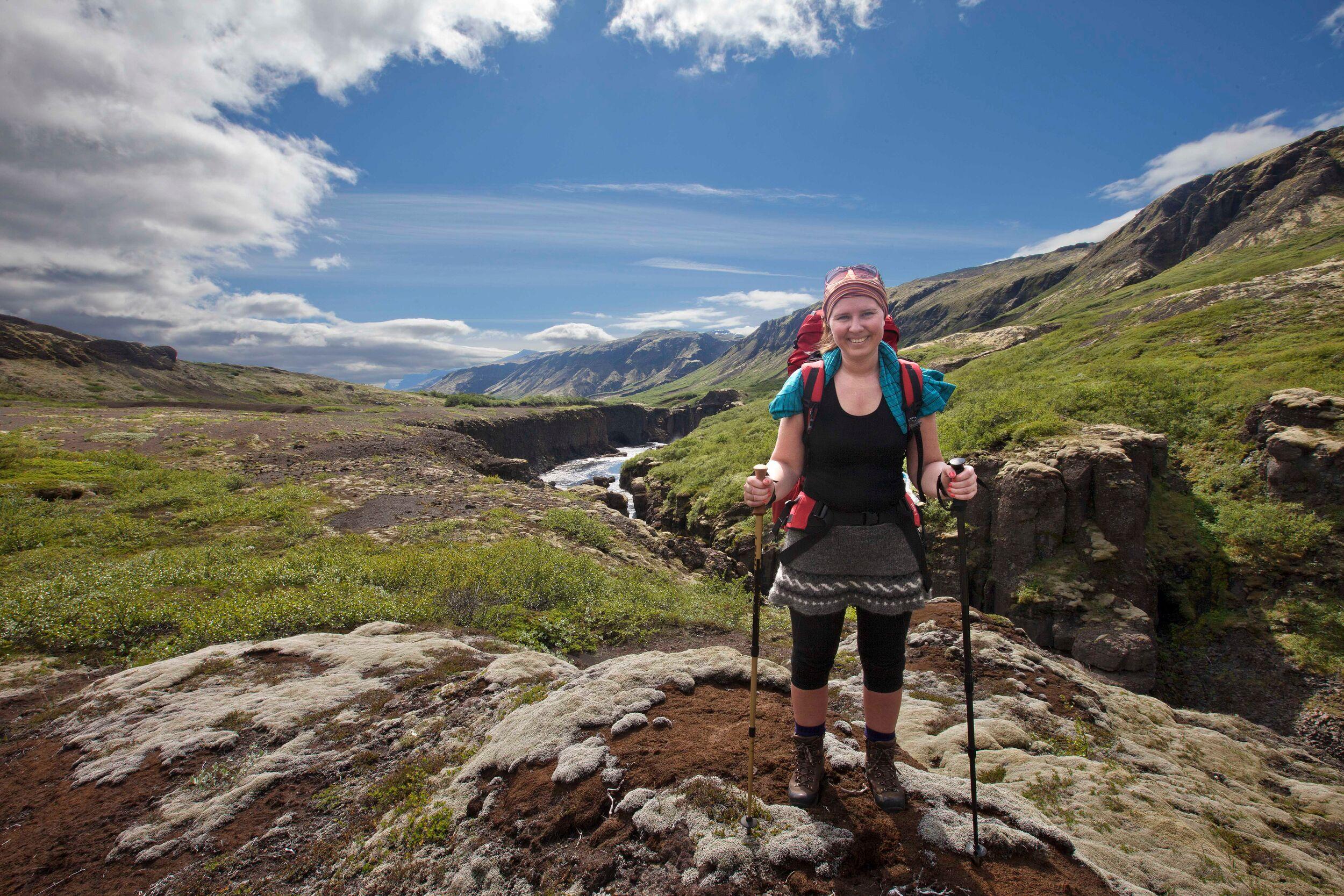
A step‑by‑step guide to climbing Hvannadalshnúkur: Iceland’s tallest peak
| All, Travel Guide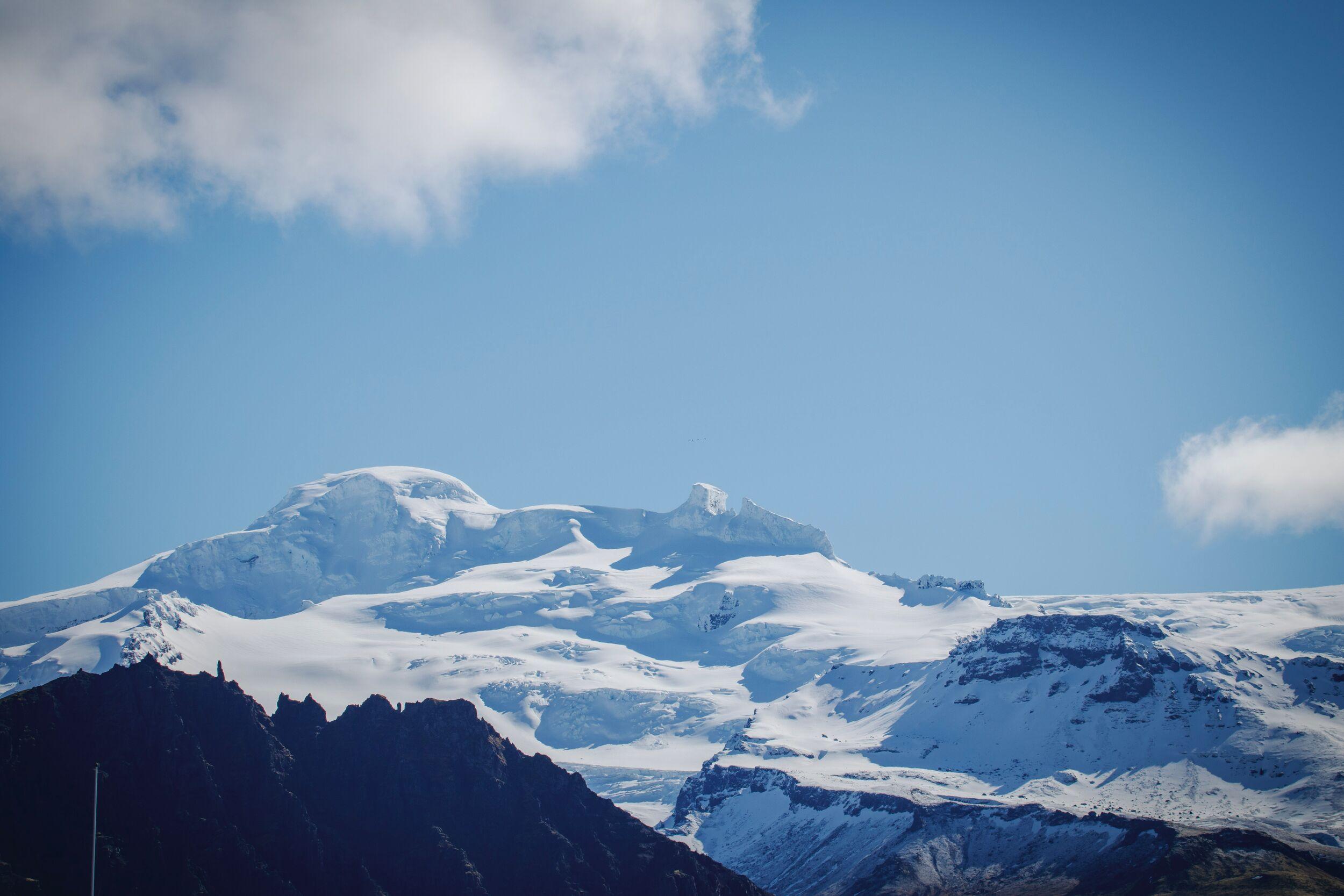
Perhaps you’ve heard its name on the lips of mountaineering enthusiasts. Maybe you’ve spied its majestic peak stretching skyward while circumnavigating the Rind Road. Or just maybe you’ve long dreamt of lacing up your hiking boots in the still dark morning, breath fogging the cold air, heart thumping with anticipation as you head out toward its summit.
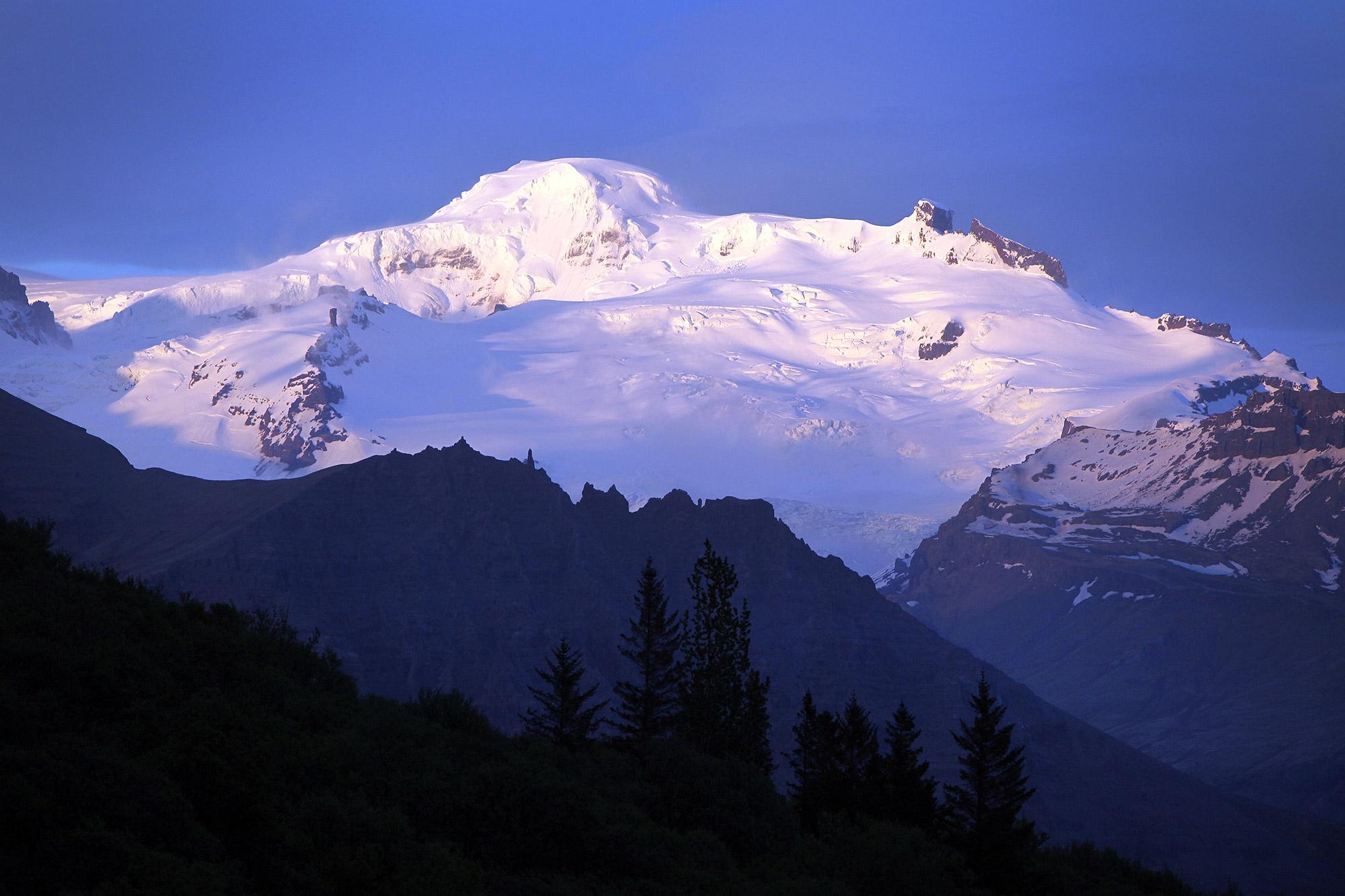
Rising above the ice cap of Vatnajökull, Hvannadalshnúkur is not just the highest peak in Iceland; it is a rite of passage for adventure travellers drawn to the country’s rawest of landscapes, long summit days, and the deep satisfaction that comes from earning every metre of elevation.
To climb Hvannadalshnúkur is to experience Iceland at its most elemental: volcanic rock and ancient ice, ocean air and high-altitude silence, exhaustion and elation folded into a single unforgettable day. This is a story of what that climb really feels like — from preparation and pre-dawn starts to glacier travel, summit pushes and the long, reflective descent.
An Intro to Mountaineering in Iceland
For the run-of-the-mill traveller, Iceland is a land of waterfalls, black sand beaches and steaming geothermal fields — and that’s fair, we have those in abundance! But for those who tend to look upward, this country offers something rarer still. Mountaineering in Iceland is defined by contrasts. Here, active volcanoes sleep beneath glaciers. Weather systems roll in fast and unapologetically. Mountains are not decorative backdrops; they are living, shifting environments that demand respect.
Unlike many classic alpine destinations, Icelandic mountaineering is less about technical rock routes and more about endurance, glacier travel and reading the land. Long summit days, variable snow conditions and rapidly changing weather mean that preparation and local knowledge are essential. The reward, however, is immense: wide-open horizons, uncrowded routes, and the chance to climb major peaks in a single, committed push.
At the pinnacle of Iceland mountaineering stands Hvannadalshnúkur — the ultimate summit hike in the country and a defining goal for anyone serious about climbing in Iceland.
Get to Know Iceland’s Highest Peak
Hvannadalshnúkur rises to approximately 2,110 metres (6,923 feet) above sea level, making it the highest peak in Iceland. It sits on the northern rim of Öræfajökull, a massive stratovolcano entirely covered by ice and forming part of the larger Vatnajökull ice cap in southeast Iceland. Yes, this is a volcano hike, a glacier climb, and a summit ascent rolled into one extraordinary journey.
What makes Hvannadalshnúkur especially notable is its accessibility relative to its stature. You begin the climb at around 100 metres above sea level, meaning you gain roughly 2,000 vertical metres in a single day. There’s no hut-to-hut approach, no multi-day expedition logistics. Instead, you wake early, climb all day, and — if all goes well — celebrate that evening with tired legs and a well-earned meal.
Despite its accessibility, the mountain commands respect. The route crosses steep scree, snowfields, and crevassed glacier terrain. Weather can turn quickly and the sheer length of the day — often around 13 hours — requires stamina, focus and steady pacing. This is why most climbers choose to summit Hvannadalshnúkur Iceland with experienced local guides who know the mountain intimately.
The Experience of Summiting Hvannadalshnúkur
For Jón Yngvi Gylfason, a mountaineering guide with Icelandic Mountain Guides, summitting Hvannadalshnúkur was a moment of revelation.
“My first ascent was before I started working with Icelandic Mountain Guides,” he recalls. “My expectation was high because at that time it was a trend here in Iceland to go to the highest summit. The guides that took us up that day were great and took the large group I was in without a fuss; they were in their elements. I got addicted to this and ended up being a guide with the company.”
“This first summit was a life changing experience and I decided that this is what I wanted to do."
That sense of transformation is a recurring theme among climbers. The day begins long before sunrise — often around 3:00 a.m. — when Skaftafell lies quiet and the headlamps come out. The first 45 minutes, Jón Yngvi admits, are his least favourite. “You are still waking up and the body is adjusting to what is ahead.” The trail climbs steeply almost immediately, a sandy, switchbacking traverse that tests sleepy legs and lungs.
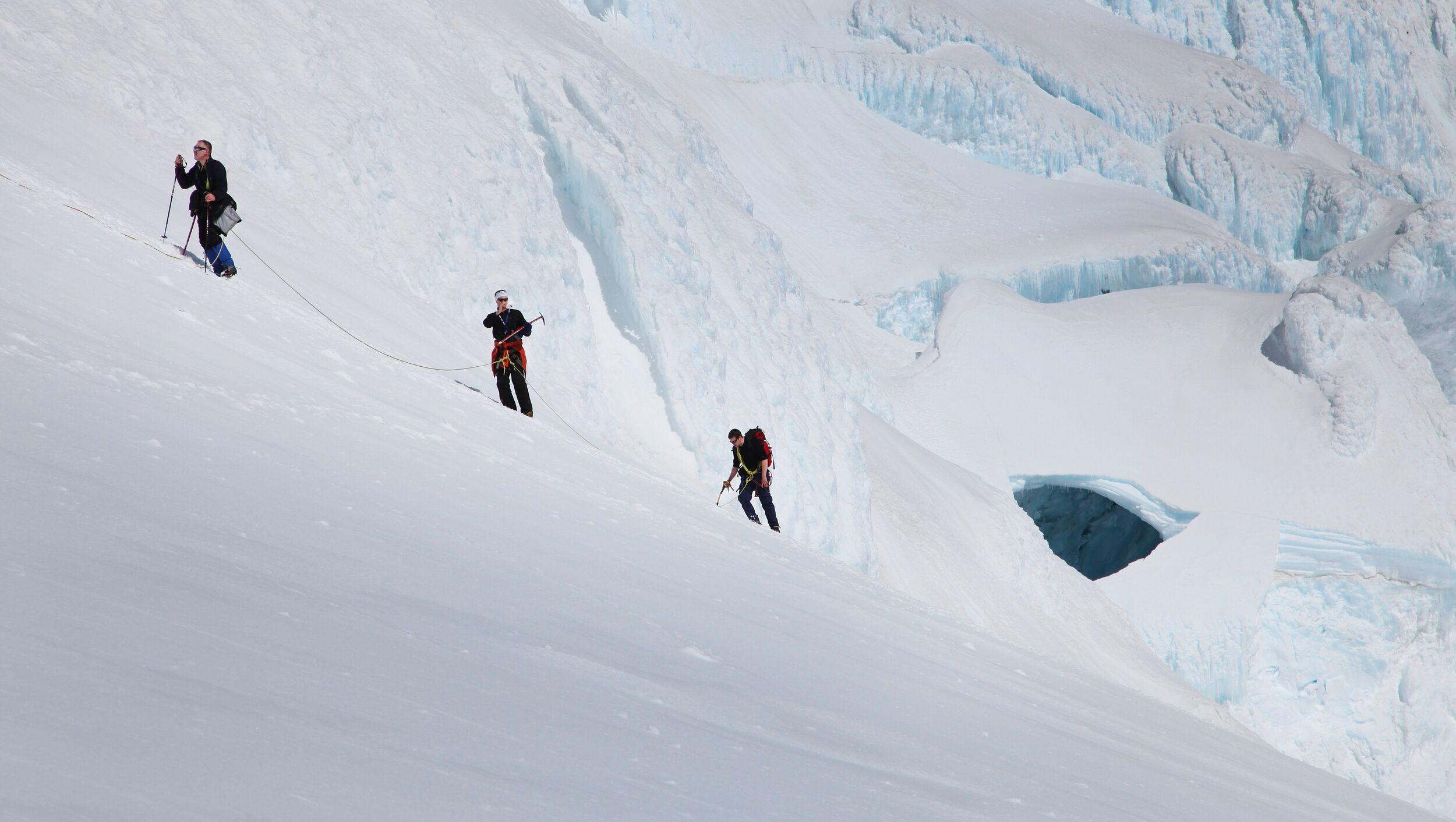
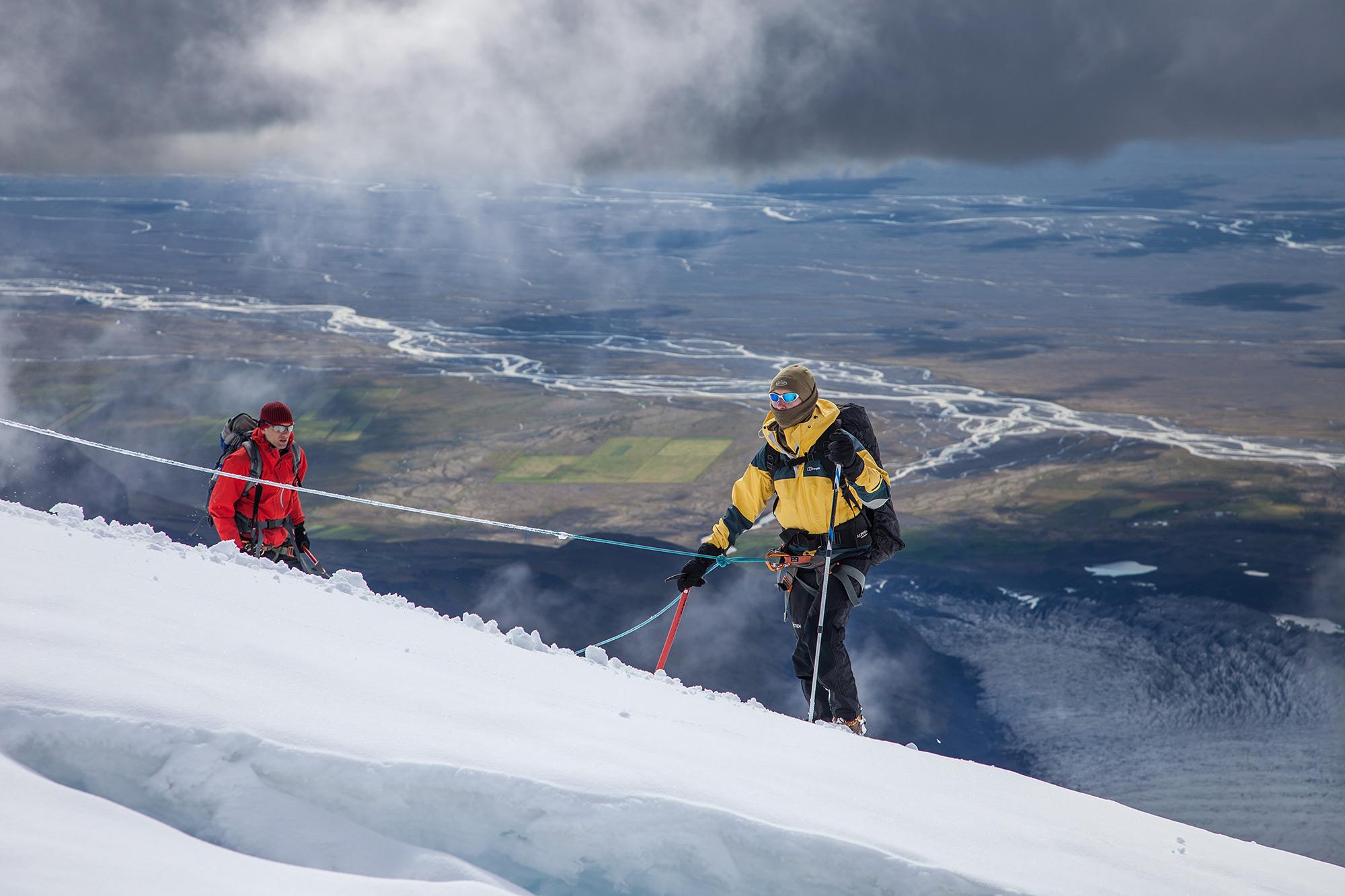
After several hours, you reach a vital water stop before continuing upward. The incline never truly relents, but the terrain gradually shifts. At around 1,100 metres, there’s a longer break and a moment to eat, drink and prepare mentally. Soon after, crampons come on and the rope comes out. You are stepping onto the glacier.
From here, the climb becomes a true Hvannadalshnúkur glacier climb. The world opens up: vast ice fields, distant peaks, and the subtle crunch of crampons biting into snow.
“It’s not a race,” Jón Yngvi emphasizes. “Pacing is super important. It’s about continuing with short breaks.”
At roughly 1,750 metres, the terrain changes again. You reach a broad plateau, which arrives like a rare gift on such a long ascent. This is Jón Yngvi’s favourite section. “Walking towards the summit, as you get closer the more thrilling it is. It’s also a break from the continuous incline.”
The summit cone rises ahead, closer now, more tangible.
The final push is the steepest and most demanding. Legs burn. Breathing becomes rhythmic and purposeful. Then, suddenly, there it is. The summit of Hvannadalshnúkur.
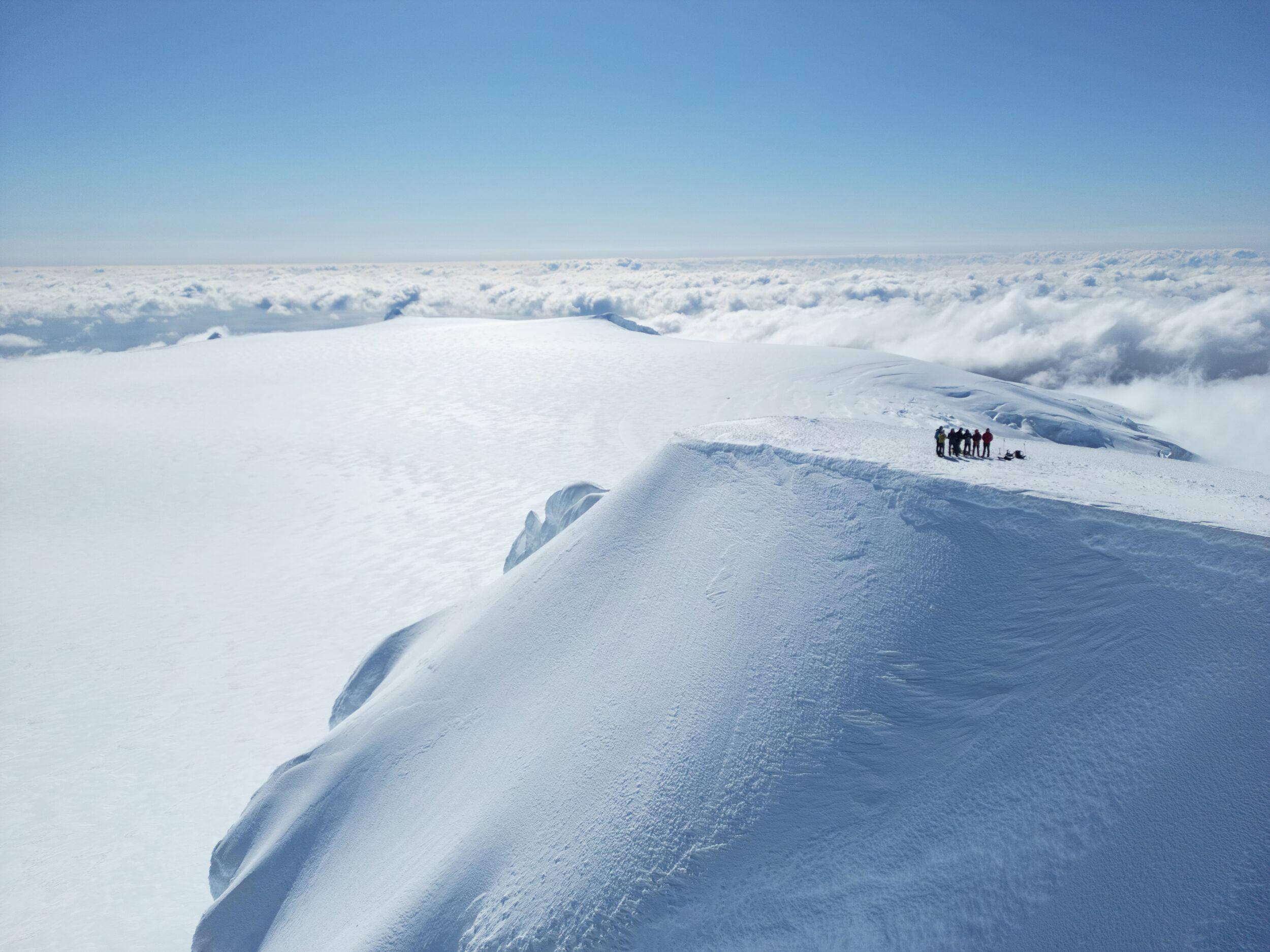
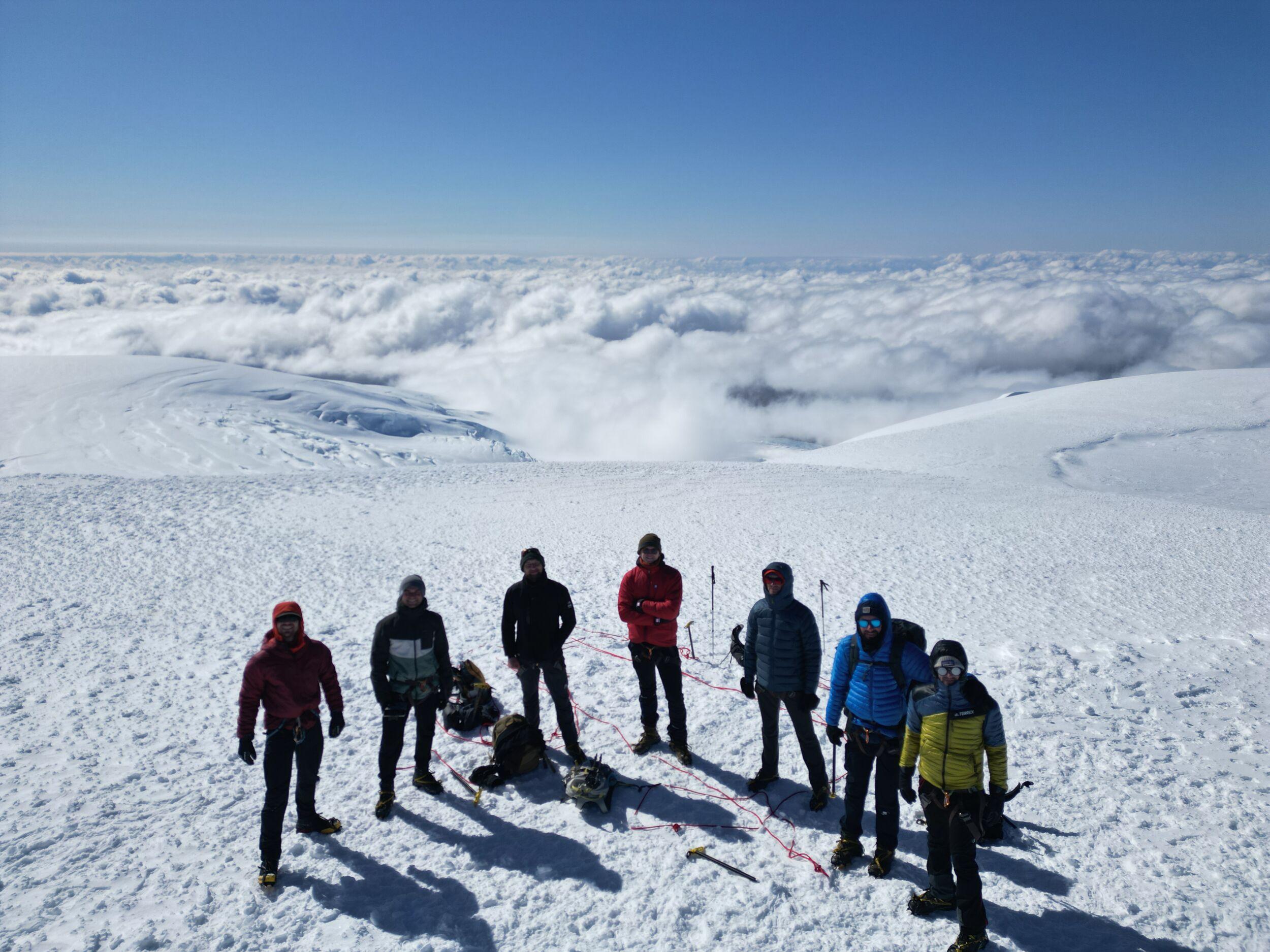
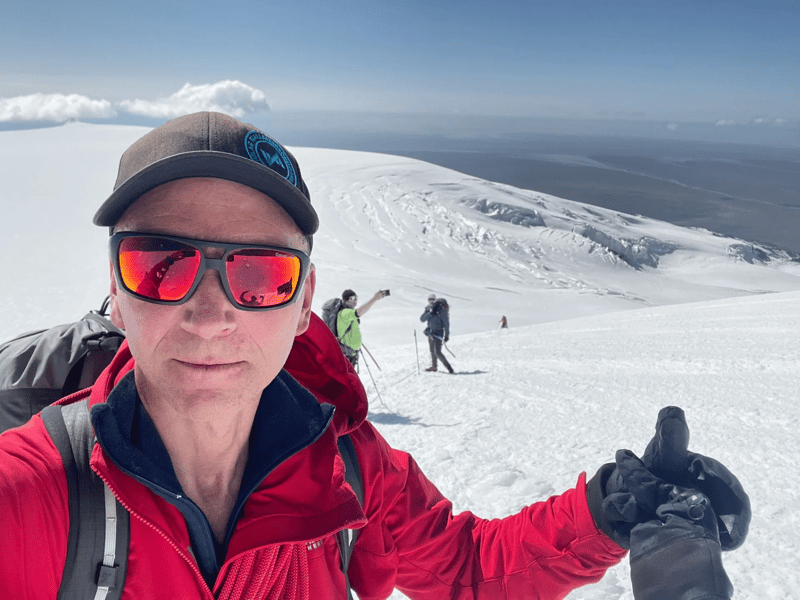
Standing on top of Iceland feels both triumphant and humbling. On clear days, you can see the Atlantic Ocean glinting far below, glaciers flowing in all directions and volcanoes stretching toward the horizon. The knowledge that you are standing at the highest point in the country settles in slowly, deeply. “The feeling of standing at the highest point is so rewarding and thrilling at the same time,” Jón Yngvi says.
After photos, high fives and a quiet moment to absorb it all, the descent begins. It is long, but lighter somehow. Gravity is now on your side and the mountain gradually releases its hold as you return to Skaftafell tired, fulfilled and changed.
Gear for Climbing Hvannadalshnúkur
Proper equipment is essential for a safe and enjoyable summit of Hvannadalshnúkur. One of the great advantages of joining an Iceland glacier summit tour with Icelandic Mountain Guides is that much of the technical gear is included.
Provided by Icelandic Mountain Guides:
- Crampons
- Harness
- Ice axe
- Rope and other group glacier safety equipment
What participants need to bring:
- Sturdy hiking boots compatible with crampons
- Waterproof jacket and pants
- Warm layers (including insulated jacket)
- Hat, gloves and spare gloves
- Backpack
- Food and high-energy snacks
- Water or hydration system
- Sunglasses and sunscreen
The evening before the climb, there is a comprehensive briefing at the base camp in Skaftafell. Jón Yngvi explains: “There you meet the guide and other participants. We hand out the gear provided, we explain thoroughly how the day is going to be, we look at the forecast, set time for the departure and we double check that everything is in order.” This preparation sets the tone for a smooth, confident summit day.
Why Climb Hvannadalshnúkur with Icelandic Mountain Guides?
While it is technically possible to attempt Hvannadalshnúkur independently, the mountain is not forgiving of inexperience or poor judgment. Glacier travel, crevasses and fast-changing weather make this a climb where local expertise matters.
Icelandic Mountain Guides has decades of experience leading summit hikes on Hvannadalshnúkur. During the season, we run tours regularly, which means guides are constantly up to date with current conditions. “That means more chance of summiting,” Jón Yngvi notes, “and our goal is always to get the group safely to the top.”
Beyond safety, guided climbs offer something equally valuable: insight. Guides share knowledge about the Öræfajökull volcano, the surrounding glaciers and the rhythms of the mountain itself. They manage pacing, logistics and decision-making, allowing climbers to focus fully on the experience.
For many, this support is what transforms a daunting objective into an achievable, deeply rewarding adventure.
The Ultimate Mountaineering Experience in Iceland
To climb Hvannadalshnúkur is to engage with Iceland in its purest form. It is a long, demanding day that asks for effort, humility, and perseverance, and gives back perspective, pride and awe in equal measure. You gain nearly 2,000 vertical metres in one push. You walk on a glacier atop a volcano. You see ocean and ice in the same sweeping glance.
As Jón Yngvi puts it, “It is an absolutely unique opportunity to gain so many altitude meters in one summit day… You have an ocean view and an amazing mountain view during the same day.”
For adventure-seeking travellers, the chance to summit Hvannadalshnúkur Iceland is more than a checkbox. It’s a defining experience, one that lingers long after the boots are unlaced and the glacier is far behind you. If you’re looking for the ultimate expression of Iceland mountaineering — this is it. Book now and tick this incredible summit off your bucket list.
FAQ
What level of physical and technical fitness is required to climb Hvannadalshnúkur?
Climbing Hvannadalshnúkur requires good physical fitness and strong endurance, but no advanced technical mountaineering background. This is a long summit day with close to 2,000 metres of elevation gain, and participants should be comfortable hiking for many hours while carrying a backpack.
The climb is not technical in terms of rock climbing, but it does involve glacier travel, walking in crampons and moving roped together on snow and ice. Previous experience with long day hikes — preferably in mountainous or snowy environments — is highly recommended. A steady pace, mental resilience and a positive mindset are just as important as strength.
When is the best and safest time of year to attempt a summit of Hvannadalshnúkur?
The main and safest climbing season for Hvannadalshnúkur runs from late spring through summer, typically April to July. During this period, snow coverage on the glacier is more consistent, crevasses are better bridged, and weather windows are more reliable.
This season also offers long daylight hours, which is ideal for such a long summit day. Outside the guided season, conditions become more unpredictable and significantly more hazardous, which is why Icelandic Mountain Guides only operates climbs during carefully selected periods.
How long does it take to complete the full climb, including both the ascent and descent?
A full climb of Hvannadalshnúkur typically takes around 12 to 14 hours from start to finish. Most groups begin very early in the morning — often around 03:00 — to take advantage of stable snow conditions and long daylight.
The exact duration depends on weather, snow conditions and the pace of the group, but climbers should be prepared for a full, demanding day on the mountain, followed by a well-earned meal and a long rest afterward.
What route do most guided tours take to reach the summit of Hvannadalshnúkur?
Most guided tours with Icelandic Mountain Guides follow the standard route from Skaftafell, ascending toward the summit via the glacier-covered slopes of Öræfajökull.
The route begins on steep but non-technical terrain before transitioning onto the glacier, where climbers rope up and continue across snowfields and gentle ice slopes. After reaching a high plateau, the route leads toward the final summit cone, where the steepest ascent of the day takes place before reaching the top of Iceland.
What equipment and gear are provided by Icelandic Mountain Guides, and what do participants need to bring themselves?
Icelandic Mountain Guides provides all essential glacier and technical equipment, including:
- Crampons
- Harness
- Ice axe
- Ropes and group glacier safety gear
Participants are responsible for bringing their personal clothing and supplies, including:
- Sturdy hiking boots compatible with crampons
- Waterproof outer layers
- Warm insulating layers
- Hat and gloves (plus spares)
- Backpack
- Food and drinks for a long day
- Sunglasses and sun protection
All provided equipment is fitted and checked during the pre-climb briefing the evening before the ascent.
How are climbing groups organized, and what safety systems are in place during the expedition?
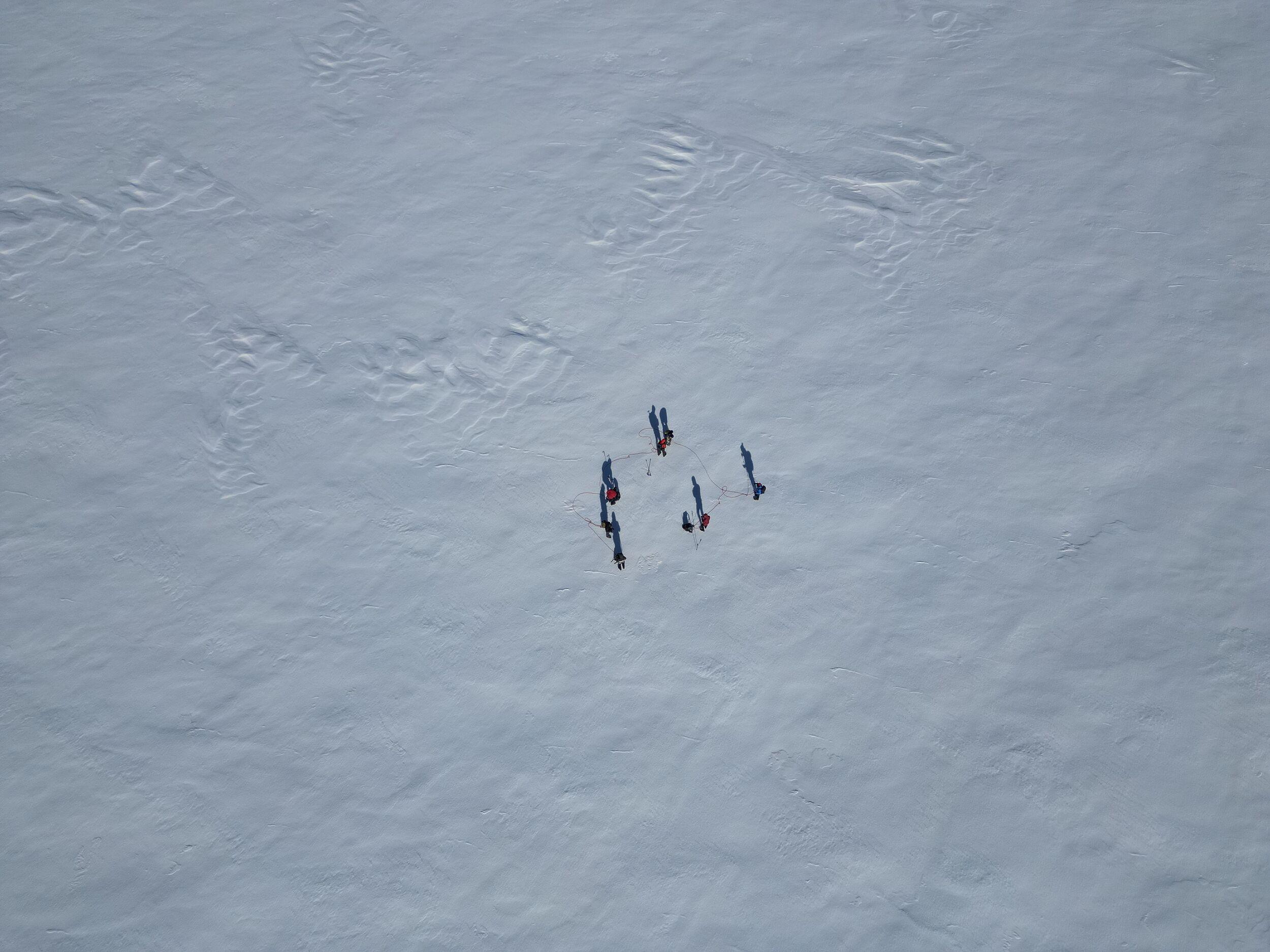
Groups are led by certified, experienced mountaineering guides who manage all safety aspects of the climb. On the glacier, participants travel roped together, which is a key safety system for navigating crevassed terrain.
Guides continuously assess weather, snow conditions and group wellbeing throughout the day. Pacing is carefully managed, regular breaks are built in and clear communication is maintained at all times to ensure a safe and cohesive group experience.
What are the most common physical and environmental challenges encountered during the climb?
The most common challenges include:
- The length of the day: Many hours of continuous movement are physically demanding.
- Early start: Beginning the climb in the early morning hours requires mental focus and energy management.
- Steady elevation gain: The route climbs almost continuously, especially in the first half of the day.
- Weather exposure: Wind, cold temperatures, and changing visibility can occur even in summer.
- Glacier terrain: Walking in crampons and maintaining balance on snow and ice requires concentration.
With proper preparation and guidance, these challenges are manageable and form part of the rewarding nature of the climb.
What travel arrangements and accommodations should climbers plan before and after the summit attempt?
Climbers should plan to stay near Skaftafell the night before the climb, as the ascent starts very early. Accommodation options include hotels, guesthouses, or campsites in the surrounding area.
After the climb, it is recommended to stay nearby for another night to allow time for rest, recovery, and flexibility in case of weather-related schedule changes. Having a buffer day in your travel plans helps reduce stress and ensures a better overall experience.
What happens if weather conditions change suddenly or the climb must be aborted?
Mountain weather in Iceland can change quickly. Guides closely monitor forecasts before and during the climb and may decide to delay, turn around, or cancel the ascent if conditions become unsafe.
If a climb must be aborted, the decision is always made with participant safety as the top priority. While reaching the summit is the goal, responsible decision-making ensures that everyone returns safely.
How does joining a guided climb with Icelandic Mountain Guides compare to attempting the summit independently?
Attempting Hvannadalshnúkur independently requires advanced glacier experience, strong navigation skills, and in-depth local knowledge. For most climbers, a guided ascent is the safest and most reliable way to reach the summit.
With Icelandic Mountain Guides, climbers benefit from:
- Local expertise and up-to-date knowledge of conditions
- Professional safety systems and glacier travel techniques
- All essential technical equipment included
- Thorough preparation and clear expectations
Guided summit climbs allow participants to focus on the experience itself—enjoying the journey to the highest point in Iceland with confidence and support every step of the way.
Keep me informed about the Icelandic Mountain Guides Blog
Outdoor adventure in Iceland is our specialty. Subscribe to our free monthly newsletter to learn when to go, what to do and where to have the best adventures in Iceland.
Related Blog Posts
Related Tours
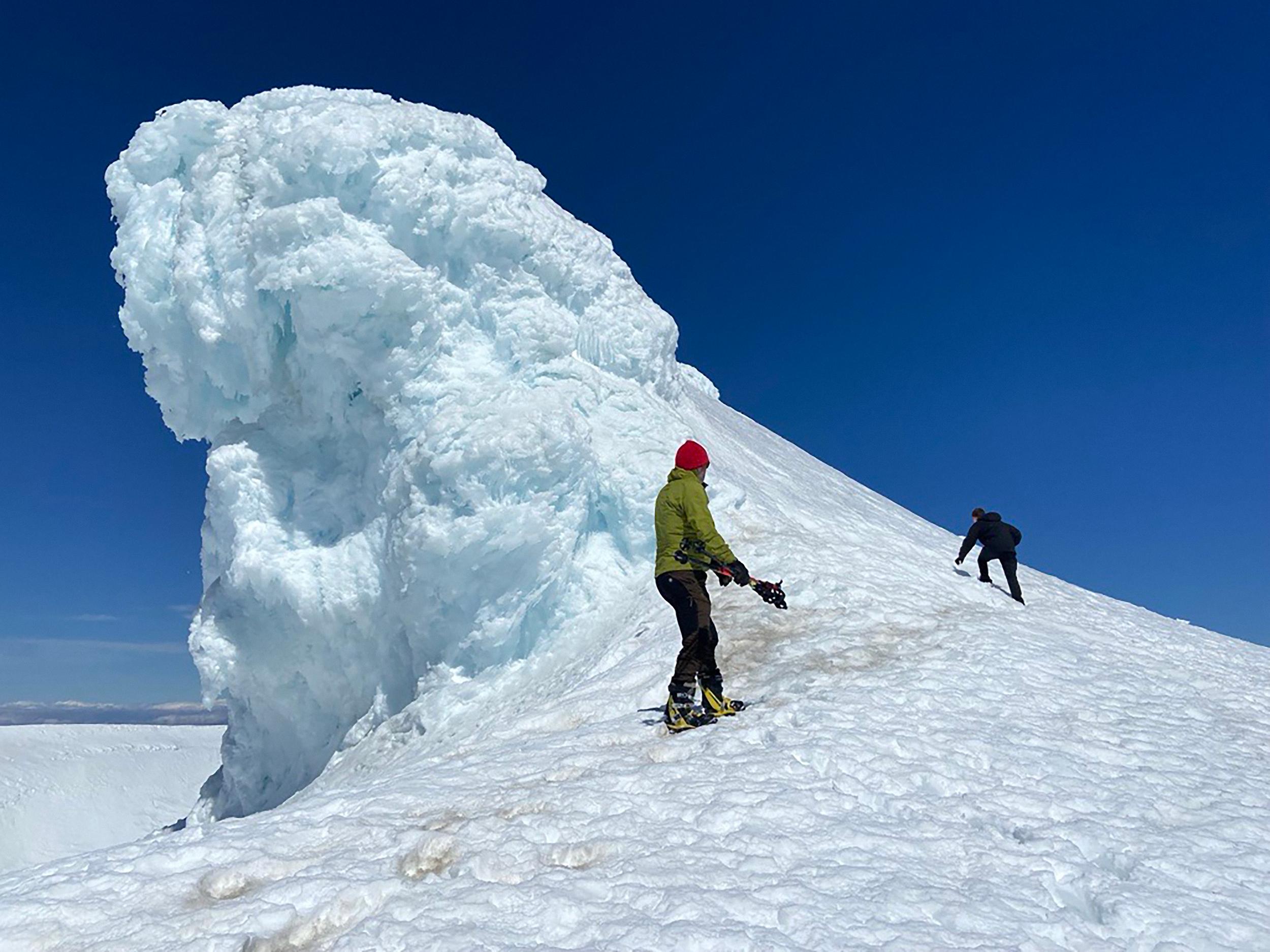
Eyjafjallajökull Summit hike
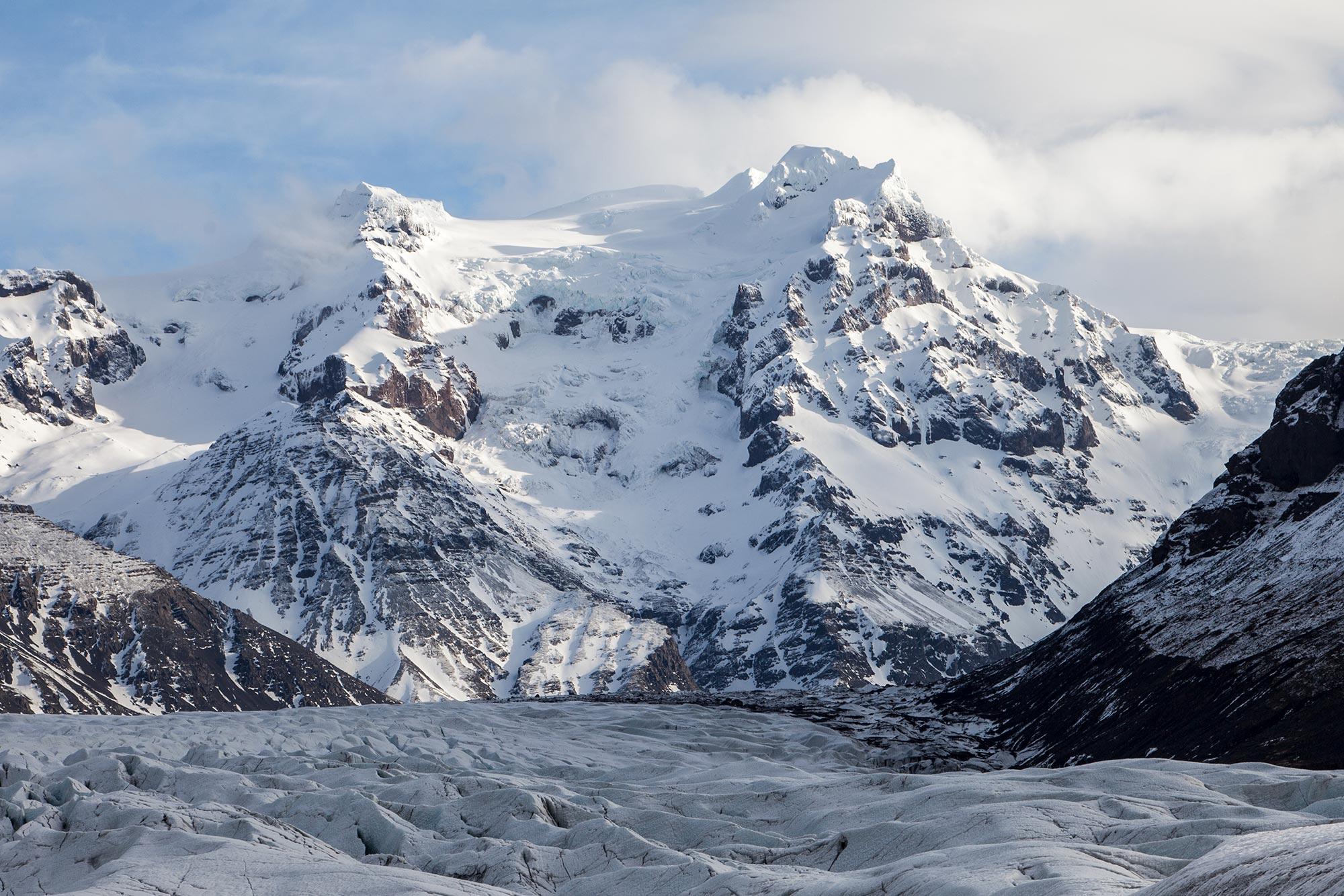
Hrútsfjallstindar Peaks – Vatnajökull Day Hike
Hvannadalshnúkur - Iceland’s Highest Summit
The Three Peaks Challenge