How Iceland’s search and rescue culture shapes your glacier tours and why it matters
| All, glaciers, CULTURE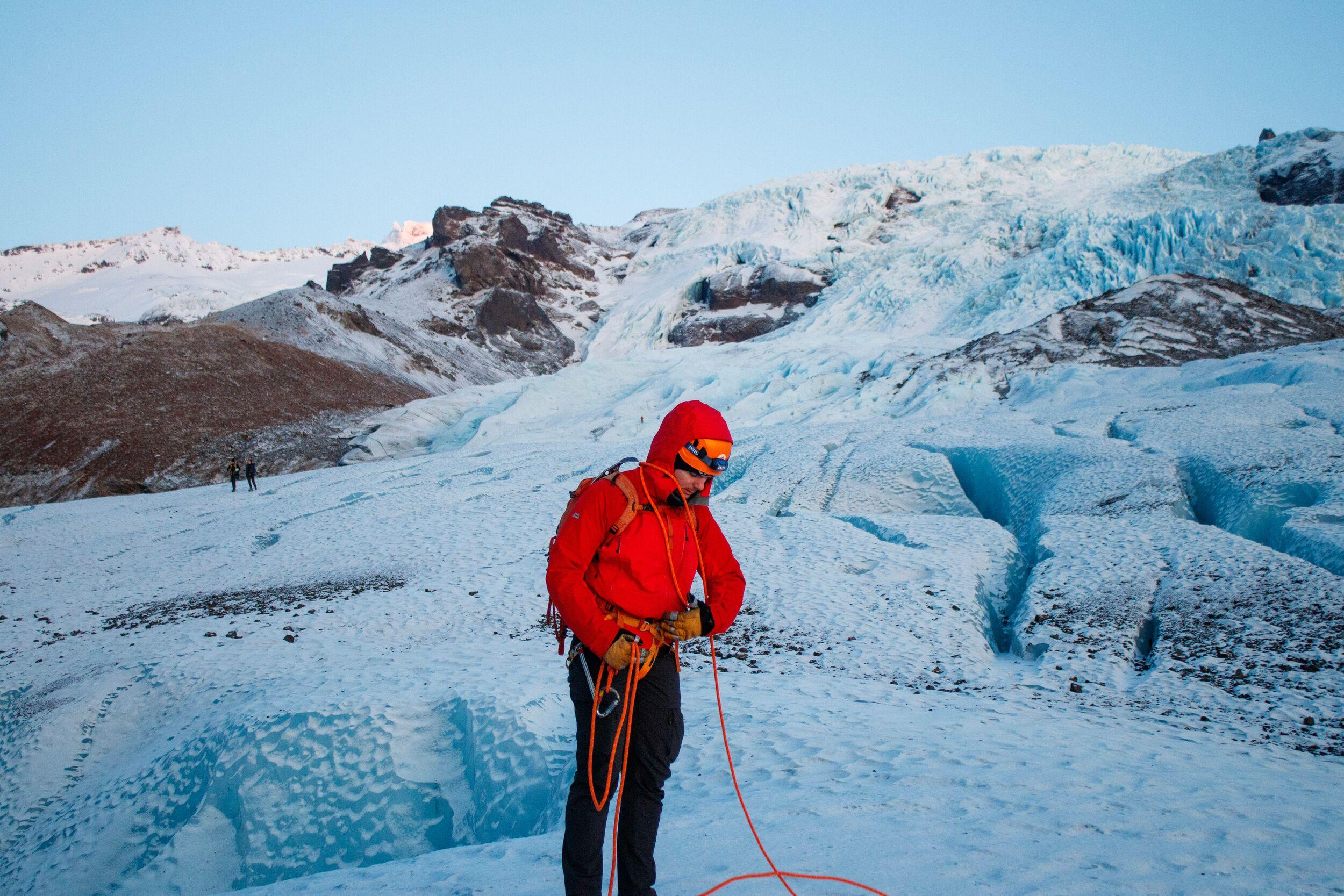
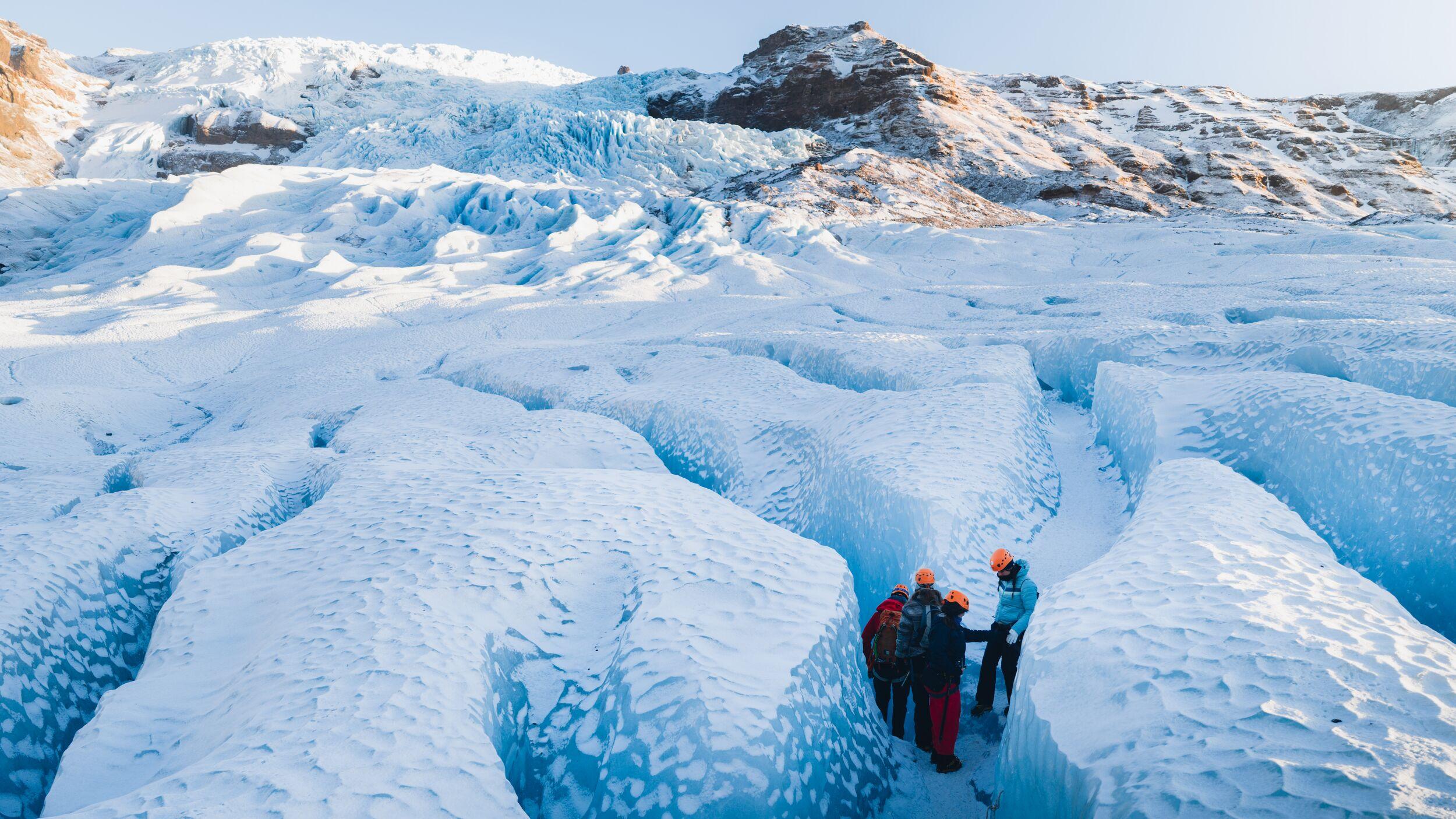
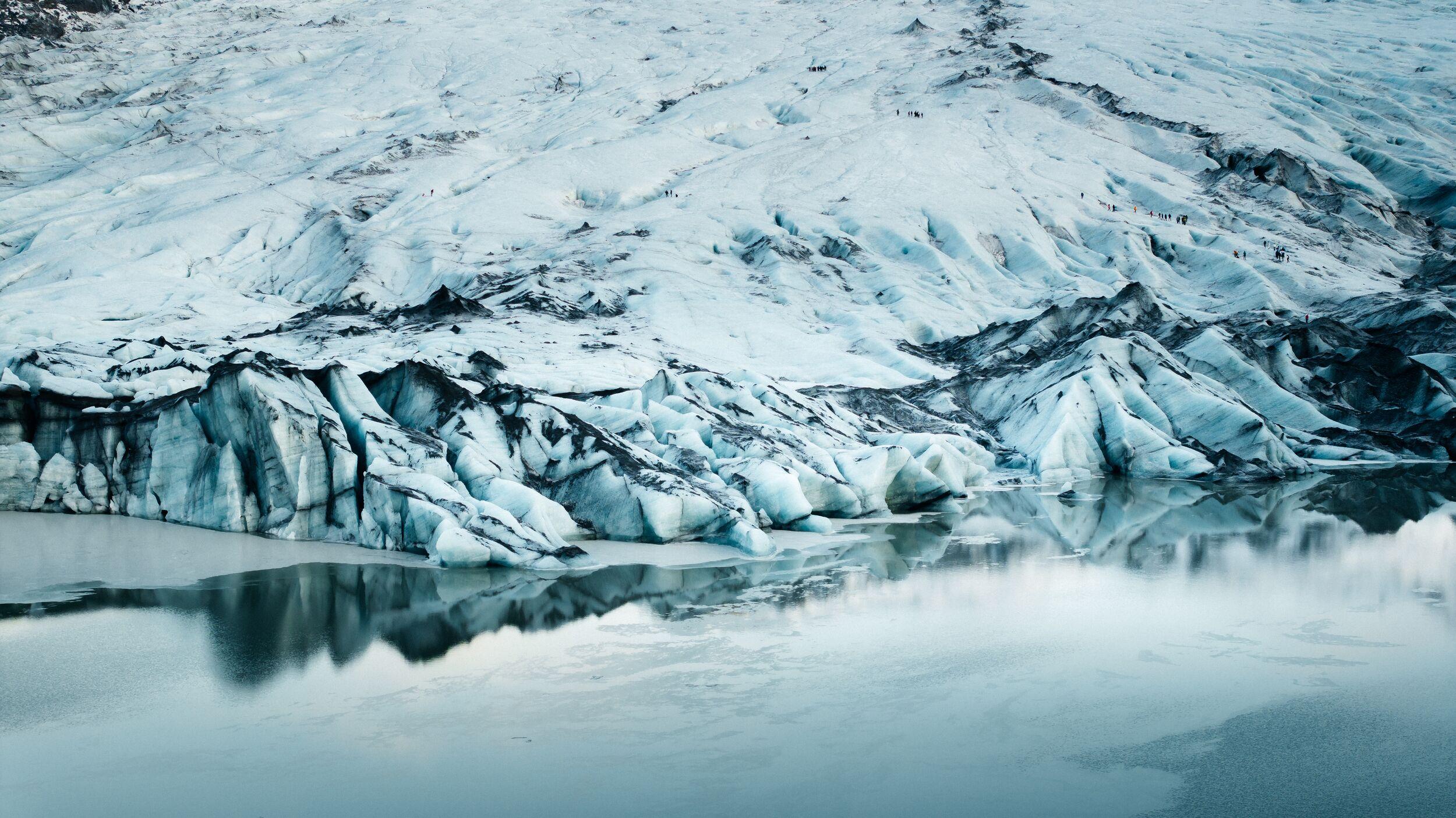
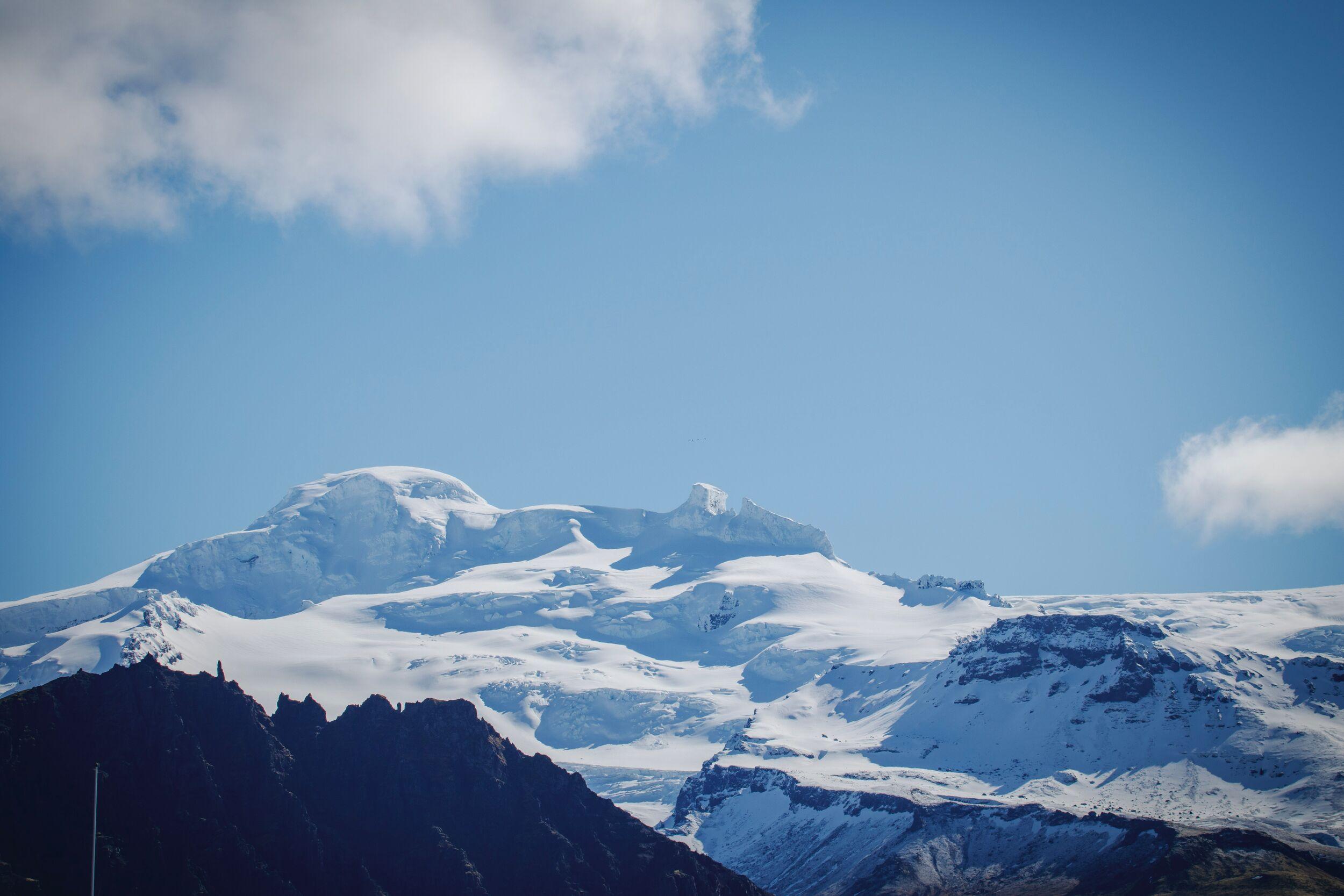
Iceland’s glaciers are spellbinding. Vast rivers of ice spilling over volcanic highlands, creaking and shifting as they crawl incessantly toward the sea. They glow blue in winter light, shimmer silver under the summer sun and constantly reshape the landscapes that surround them. For travellers, stepping onto a glacier is often a highlight of any journey to Iceland — a chance to experience raw nature up close.
But these frozen landscapes are not static monuments. Glaciers move. Weather changes quickly. Crevasses open and close. Wind, visibility and surface conditions can shift in minutes. Iceland’s terrain is wild, powerful and ever-changing, and that is precisely what makes it so compelling.
This is why glacier tourism in Iceland has never existed in isolation. It is supported by a deep-rooted culture of outdoor safety, preparation and community responsibility. At the heart of that culture is Iceland Search and Rescue, widely known as ICE-SAR,a nationwide volunteer organisation whose presence underpins safety across Iceland’s mountains, glaciers, coastlines and highlands. Understanding this rescue tradition helps travellers better appreciate how guided glacier tours operate and why professional guiding standards in Iceland are built on respect for both nature and human limits.
Read on to get to know this force of volunteer heroes and see how Icelandic Mountain Guides takes safety seriously.
The Wild Nature of Glacier Tourism in Iceland
Glacier tourism in Iceland is unlike almost anywhere else in the world. Many glaciers are easily accessible from main roads, yet they belong to complex alpine and Arctic systems shaped by volcanoes, storms and seasonal extremes. A sunny morning can turn into whiteout conditions by afternoon. Meltwater rivers can swell rapidly. Ice that looks solid can conceal hidden voids beneath the surface.
This contrast between accessibility and genuine risk is why Iceland has developed such a strong outdoor safety culture. Exploring glaciers safely is not about eliminating danger, but about understanding it, respecting it and preparing accordingly. Guided glacier tours exist within this framework, combining adventure with local knowledge, training and decision-making shaped by decades of experience.
To understand why safety standards in Iceland are so robust, you have to understand ICE-SAR.
ICE-SAR: Iceland’s Volunteer Search-and-Rescue Force
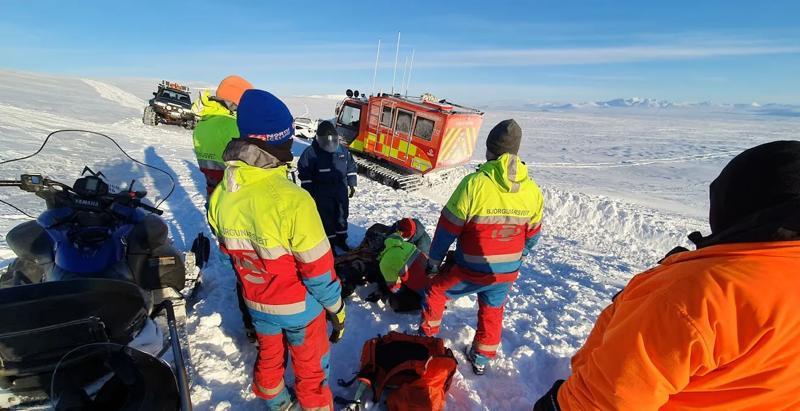
The Icelandic Association for Search and Rescue, better known as ICE-SAR, was formally established in 1999 in response to the harsh realities of life and travel in Iceland. Long before tourism began to boom, fishing crews, farmers and domestic travellers faced real danger from storms, avalanches and isolation. Communities responded not by waiting for state agencies, but by organising themselves.
Today, ICE-SAR is a nationwide organisation made up of thousands of highly trained volunteers, spread across dozens of local rescue teams throughout Iceland. These teams specialise in different environments depending on geography, including mountain rescue, glacier rescue, avalanche response, maritime rescue, cave rescue and highland operations.
ICE-SAR volunteers are often described as heroes — but what truly defines them is their commitment. They train year-round, often in extreme conditions, and respond at all hours when people are lost, injured, or in danger. Whether it’s locating hikers in fog, rescuing climbers from glaciers, assisting stranded motorists, or responding to natural disasters, ICE-SAR teams are at the front line.
It comes as a surprise to many visitors that ICE-SAR is largely volunteer-run and community-funded. Much of its operational funding comes from public support, including the annual sale of Neyðarkall (the Icelandic word for an emergency call, but a word that can also translate literally to “emergency man”), keychains of little figures depicting a specific segment of ICE-SAR volunteers; and the sale of New Year’s Eve fireworks that Icelanders know so well. When you see fireworks lighting up the sky in Iceland, you are also seeing a tradition that helps fund lifesaving work year after year.
A Reflection of Icelandic Values
Iceland’s search-and-rescue system reflects the broader national values of cooperation, volunteerism and deep respect for nature. In a country where wilderness is never far away, self-reliance and mutual aid are cultural cornerstones. People understand that survival in harsh environments depends on preparation and helping one another.
This mindset shapes how Icelanders approach the outdoors. There is pride in venturing into wild places, but also an understanding that nature does not bend to human plans. Weather forecasts are taken seriously. Route choices matter. Turning back is seen as wisdom, not failure.
For visitors, this culture can feel striking. Rescue teams don’t exist to encourage reckless behaviour; they exist to support responsible exploration. Education, prevention, and respect are as important as emergency response. This philosophy carries through to guided activities, especially glacier tours.
How Icelandic Mountain Guides Works Within Iceland’s SAR Culture
Icelandic Mountain Guides operates squarely within this national safety framework. The company’s guiding philosophy aligns closely with Iceland’s broader search-and-rescue culture: preparation first, informed decision-making and deep respect for the environment.
Many guides working with Icelandic Mountain Guides are active or former ICE-SAR volunteers themselves. This means they bring real-world rescue experience into their daily guiding work — not as a selling point, but as a foundation for how tours are planned and conducted. They understand how quickly conditions can change and what it takes to manage risk in glacial terrain.
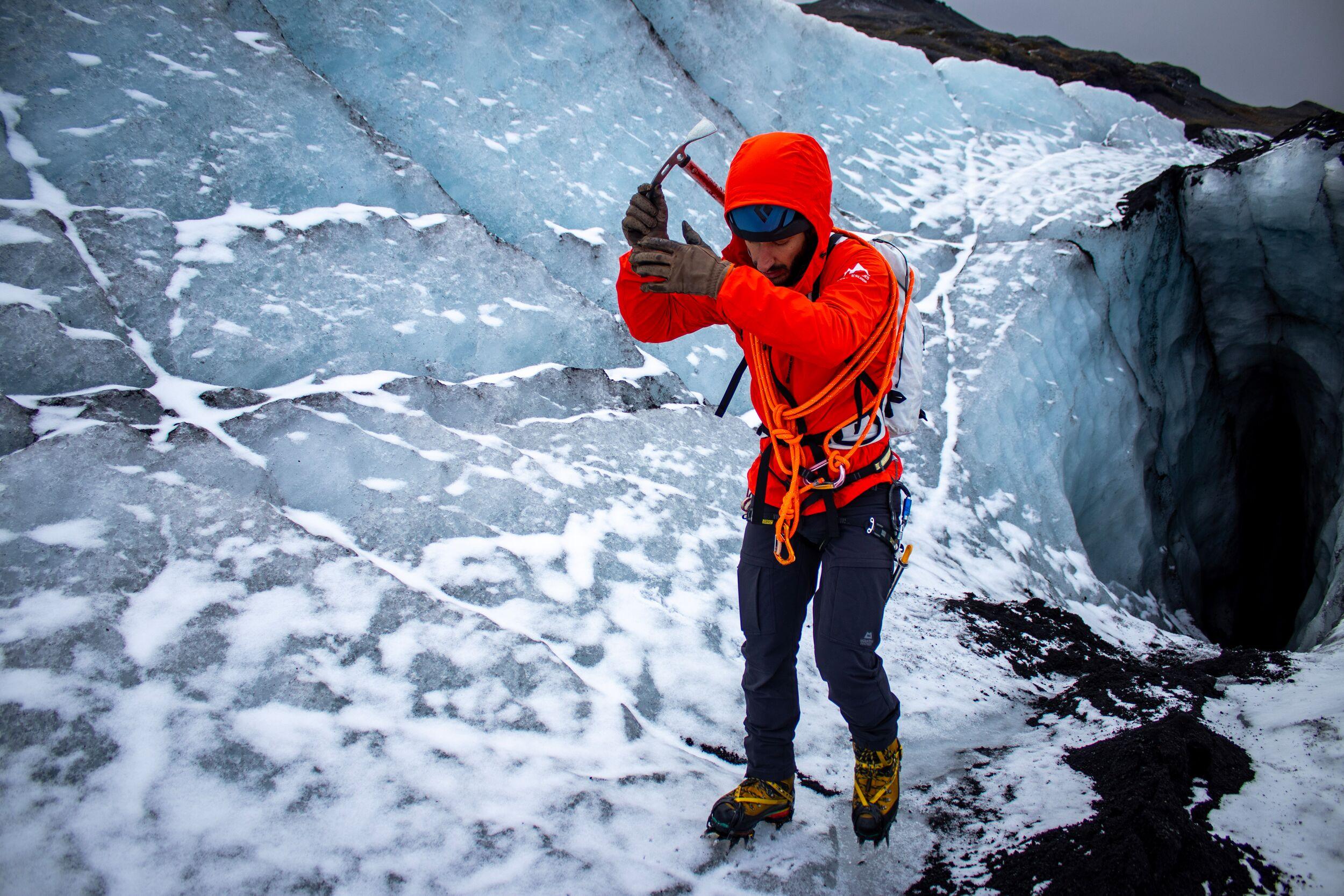
Guides undergo extensive training and certification, including on glacier travel techniques, rope systems, crevasse rescue, navigation, first aid and risk assessment. Training is ongoing, reflecting the evolving nature of Iceland’s landscapes. Equipment is carefully selected, maintained and matched to each activity, from beginner glacier walks to technical ice climbing and multi-day expeditions.
Importantly, safety decisions are made dynamically. Routes are adjusted based on daily conditions. Group sizes are kept manageable. Tours are adapted or cancelled when conditions demand it. This approach mirrors the SAR mindset: prevention and judgement matter more than rigid plans.
From Rescue Skills to Teaching Skills
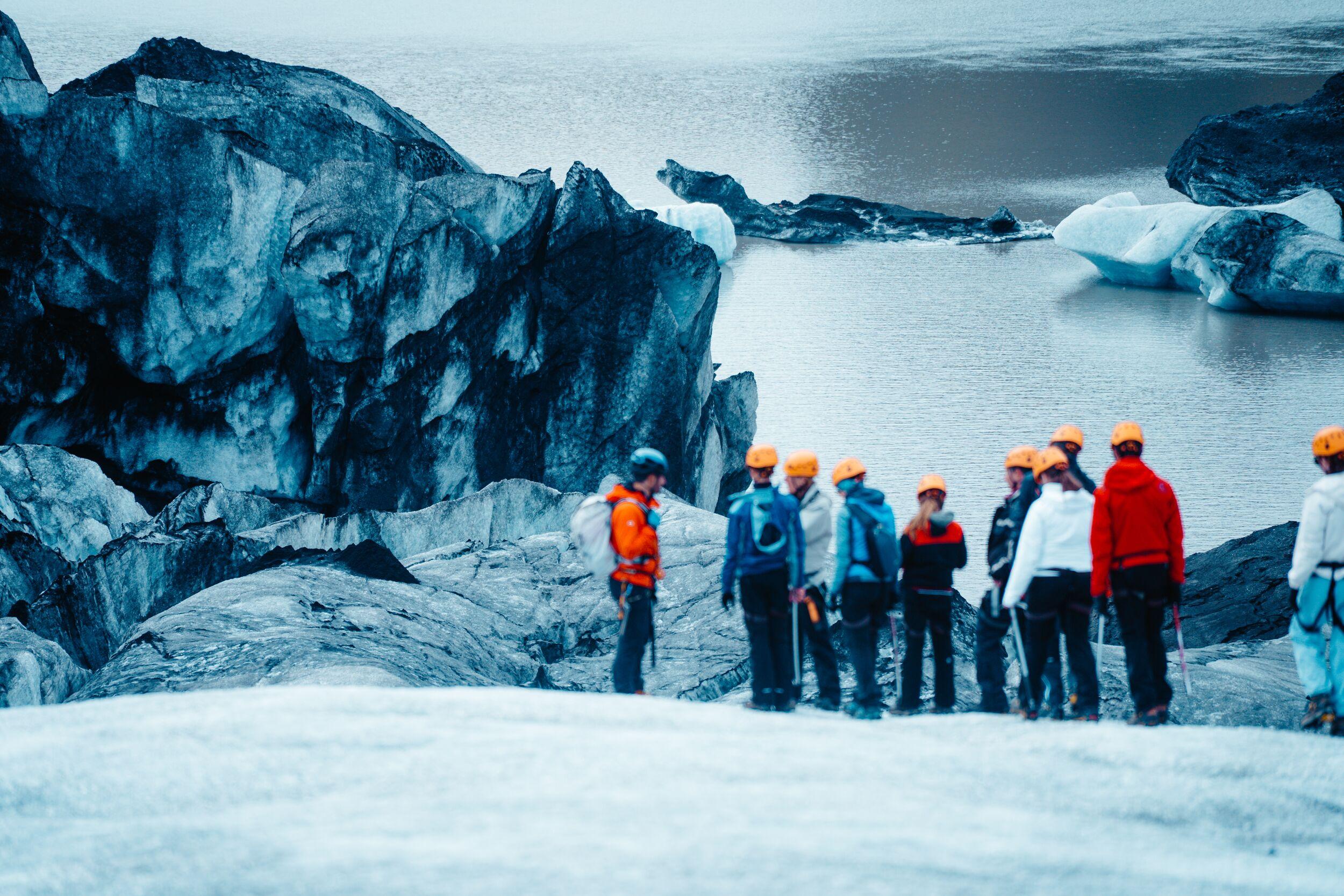
One of the distinguishing features of Icelandic Mountain Guides is that safety knowledge is not kept behind the scenes — it’s shared. Guides don’t just lead; they teach. Even on short glacier walks, participants learn how to move efficiently on ice, why certain routes are chosen and how glaciers behave.
This educational approach empowers travellers. It transforms a glacier tour from a passive experience into an active one, where guests gain insight into the environment and the skills required to navigate it safely. This philosophy directly echoes ICE-SAR’s emphasis on prevention and awareness.
Training the Next Generation: Icelandic Mountain Guides Courses
Beyond guided tours, Icelandic Mountain Guides plays a role in strengthening Iceland’s outdoor safety culture through its courses and training programs. These courses are designed for a wide range of participants, from outdoor enthusiasts and aspiring guides to experienced adventurers looking to deepen their skills.
Courses focus on practical, real-world abilities: glacier travel techniques, rope work, crevasse rescue, navigation, risk management, and decision-making in dynamic environments. Participants learn not just how to use equipment, but when and why to use it, and when not to.
The emphasis is always on judgment. Understanding weather patterns, terrain traps, human factors, and group dynamics is as important as technical skill. This reflects the same principles that guide ICE-SAR training: rescue begins long before an emergency occurs.
For travellers, knowing that a guiding company is also involved in training and education builds confidence. It signals a long-term commitment to safety, professionalism, and community knowledge rather than short-term adventure.
Glacier Tour Safety is More Than Equipment
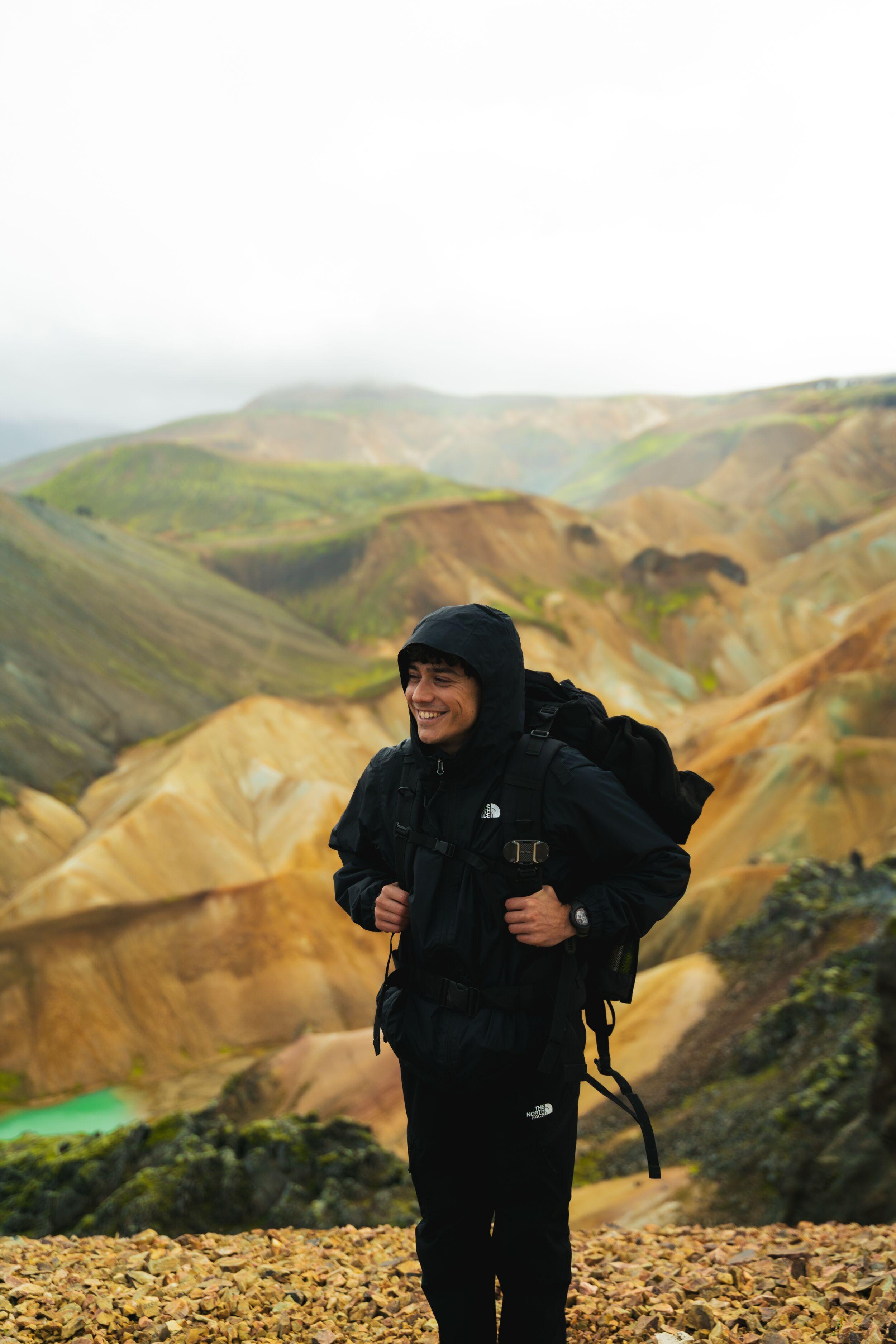
When people think about glacier tour safety in Iceland, they often picture helmets, crampons and ropes. While these tools are essential, they are only part of the picture. True safety comes from systems: training, experience, communication and culture.
Iceland’s SAR tradition reinforces the idea that safety is collective. Guides, participants, rescue teams and the wider community all play a role. Visitors are encouraged to ask questions, follow guidance and understand that conditions may change.
This transparency builds trust — not through guarantees, but through honesty.
Respecting the Landscape, Respecting the System
Exploring Iceland’s glaciers is a privilege. These environments are both beautiful and vulnerable. Climate change is visibly reshaping them, making professional judgement even more important. Crevasse patterns shift, ice becomes thinner, and meltwater behaves unpredictably.
This reality makes Iceland’s search-and-rescue culture more relevant than ever. It reminds us that preparation, humility, and respect are not optional — they are essential.
When travellers choose guided glacier adventures in Iceland, they are not just booking an activity. They are stepping into a system shaped by generations of experience, volunteerism and shared responsibility.
Frequently Asked Questions
What is ICE-SAR and how does it work? Who are the volunteers and how are they organised?
The Icelandic Association for Search and Rescue (ICE-SAR) is a nationwide network of volunteer rescue teams operating across Iceland. Its members are ordinary people who undergo extensive training in mountain rescue, glacier rescue, maritime rescue, avalanche response and emergency medicine. Teams are organised locally but coordinated nationally, allowing rapid response anywhere in the country. These volunteers train year-round and respond at all hours when people are missing, injured, or in danger.
Why does Iceland need a strong volunteer SAR system?
Iceland’s landscape is vast, sparsely populated and exposed to rapidly changing weather. Roads, settlements and emergency services are often far from remote mountains, glaciers and highlands. A volunteer-based SAR system ensures that trained responders are already embedded in communities close to where incidents occur. This structure allows for faster response times and deep local knowledge — both of which are critical in a country where conditions can change dramatically, seemingly in an instant.
How does ICE-SAR readiness affect glacier tours and guided expeditions?
ICE-SAR readiness forms part of the broader safety ecosystem in which guided glacier tours operate. Professional guides plan routes, assess conditions, and make decisions knowing how rescue systems function if needed. Many guides are SAR volunteers themselves, meaning they understand rescue protocols from the inside. While the goal is always prevention, this shared framework ensures that guided expeditions operate with strong situational awareness and contingency planning.
What could go wrong on a glacier hike, and how does SAR mitigate these risks?
Glaciers are dynamic environments. Risks include sudden weather changes, poor visibility, crevasses hidden by snow, slippery ice, fatigue, and navigation challenges. SAR mitigates these risks through training, preparedness, and coordinated response — but prevention is key. Professional guides reduce risk through route selection, pacing, equipment use, and constant assessment of conditions, dramatically lowering the likelihood of incidents requiring rescue.
Why should travellers choose a professional guide rather than “go it alone”?
Glacier travel requires specialised knowledge, equipment, and judgement. Professional guides are trained to read glacier terrain, manage groups, respond to emergencies, and adapt plans as conditions change. They also understand local weather patterns and seasonal hazards. Going without a guide increases risk not only to individuals, but also to rescue teams who may be called out if things go wrong. Guided travel is safer, more informative and more respectful of Iceland’s wilderness.
What responsibilities do hikers and travellers have?
Regardless of how well trained and prepared ICE-SAR is, travellers share responsibility for their own safety. This includes choosing activities appropriate to their fitness and experience, dressing properly, following guide instructions and being honest with themselves about their limitations. Independent hikers should carry appropriate gear, check forecasts, inform others of their plans and use Iceland’s travel registration and alert systems when heading into remote areas.
Preparation and communication are key pillars of outdoor safety in Iceland.
How does climate change and glacier retreat impact safety and SAR in Iceland?
Climate change is visibly altering Iceland’s glaciers, making safety considerations more complex. Retreating ice can expose unstable terrain, alter crevasse patterns and increase meltwater hazards. SAR teams and professional guides continuously adapt training and practices to these evolving conditions. This makes up-to-date local knowledge more important than ever when travelling on glaciers.
What should travellers look for when booking glacier tours to ensure safety standards?
Travellers should look for operators with professionally trained guides, clear safety briefings, proper equipment and flexible decision-making based on conditions. Small group sizes, transparent difficulty ratings and a strong safety culture are important indicators.
Companies with close ties to Iceland’s outdoor and rescue community demonstrate long-term commitment to responsible guiding rather than short-term tourism.
Are there emergency procedures or signals travellers should know?
Travellers should always know how to contact emergency services in Iceland (112), carry communication devices when travelling independently, visit the Safe Travel website and log their travel itinerary there if needed, and follow guidance from local authorities. On guided tours, emergency procedures are explained during briefings and guests are expected to stay with their group and guide.
Knowing how to respond calmly and follow instructions is critical in any emergency situation.
How does Iceland’s SAR culture reflect broader values — and why does that matter for travellers?
Iceland’s SAR culture reflects the nation’s values of community, volunteerism and respect for nature. People help not because it’s their job, but because it matters. This culture encourages responsible travel, humility in the face of nature and shared accountability. For travellers, understanding this context fosters respect for the landscape, for those who protect it and for the systems that make safe exploration possible.
Keep me informed about the Icelandic Mountain Guides Blog
Outdoor adventure in Iceland is our specialty. Subscribe to our free monthly newsletter to learn when to go, what to do and where to have the best adventures in Iceland.
Related Blog Posts
Related Tours
Glacier Lagoon Kayak and Buggy