How Should I Dress and Prepare for Glacial Hikes and Ice Caves in Iceland?
| All, Ice Caves, TIPS AND TRICKS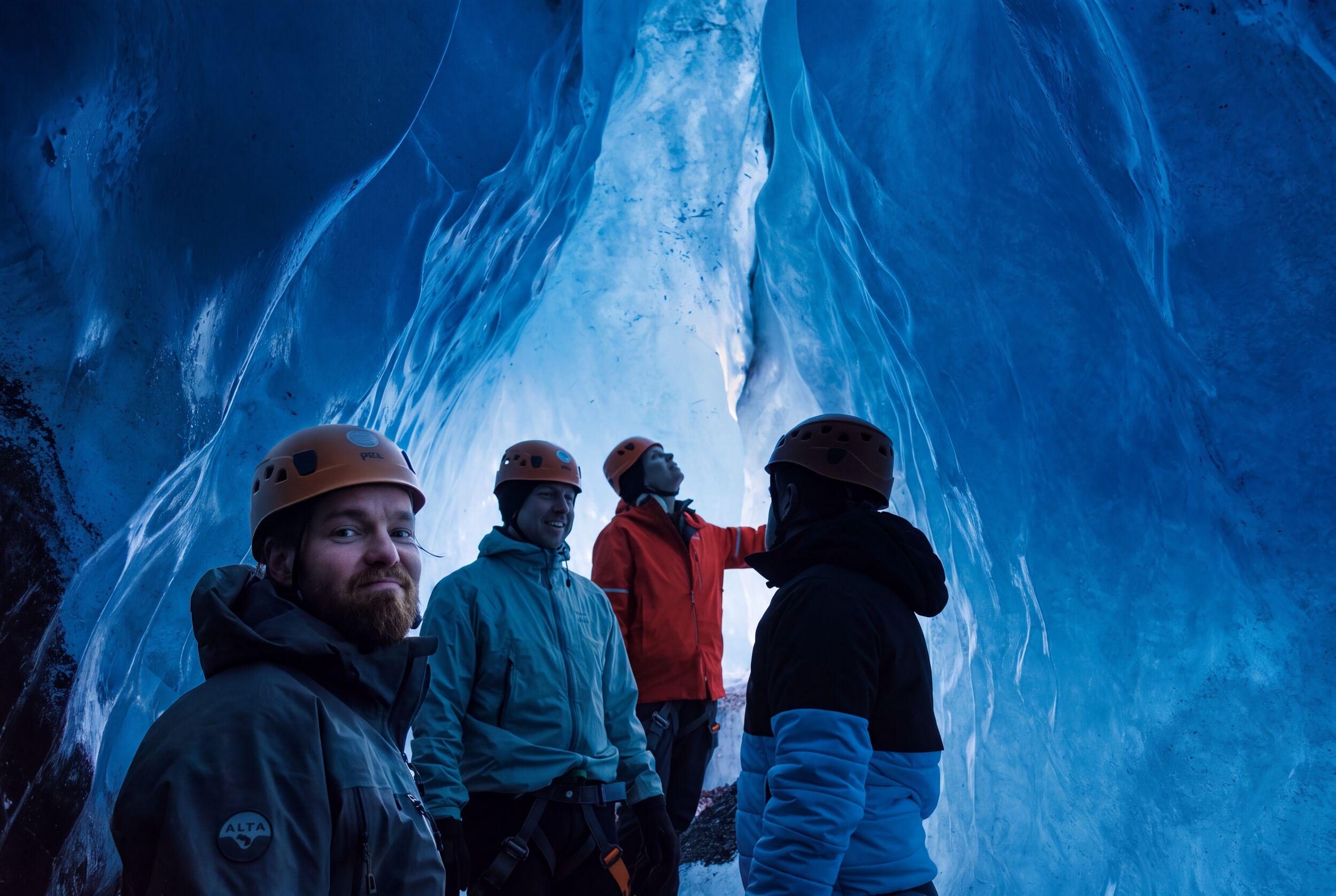
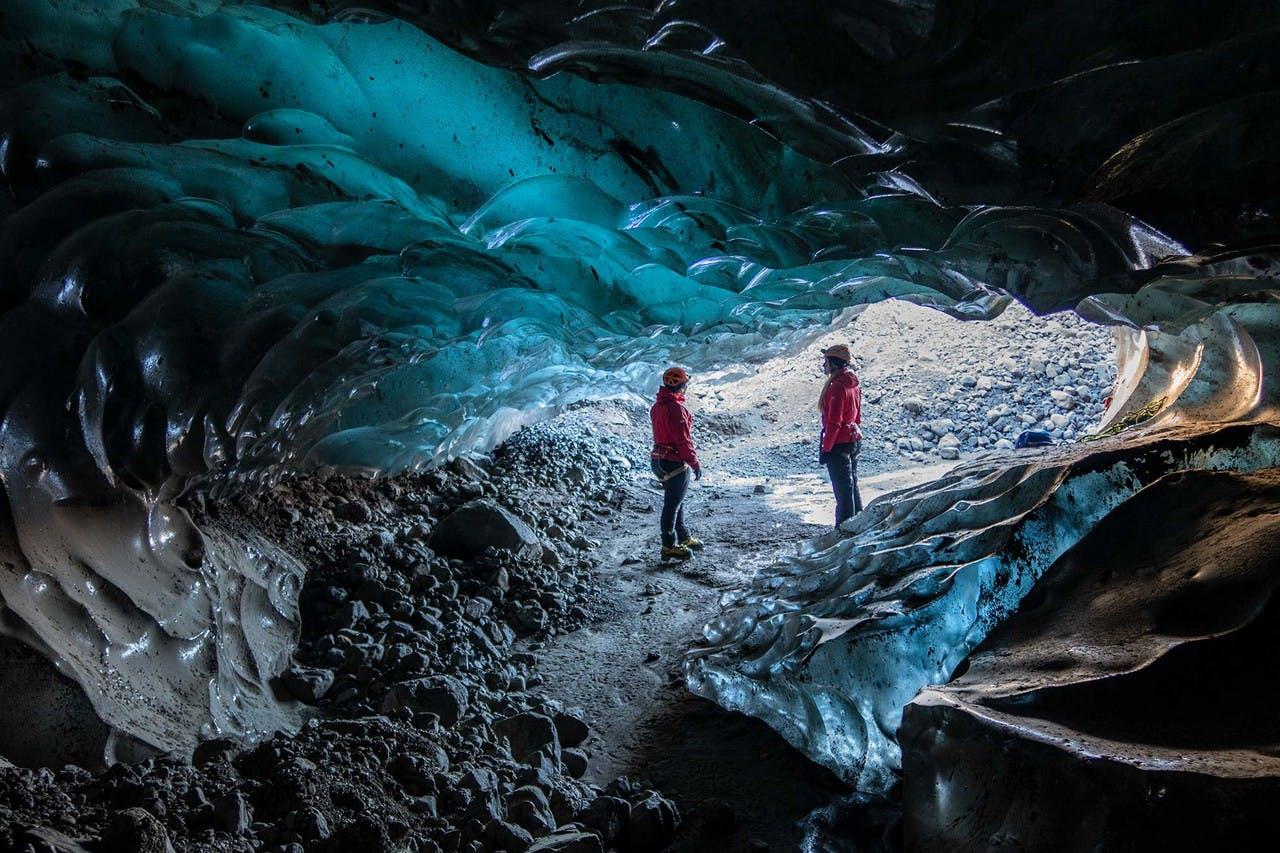
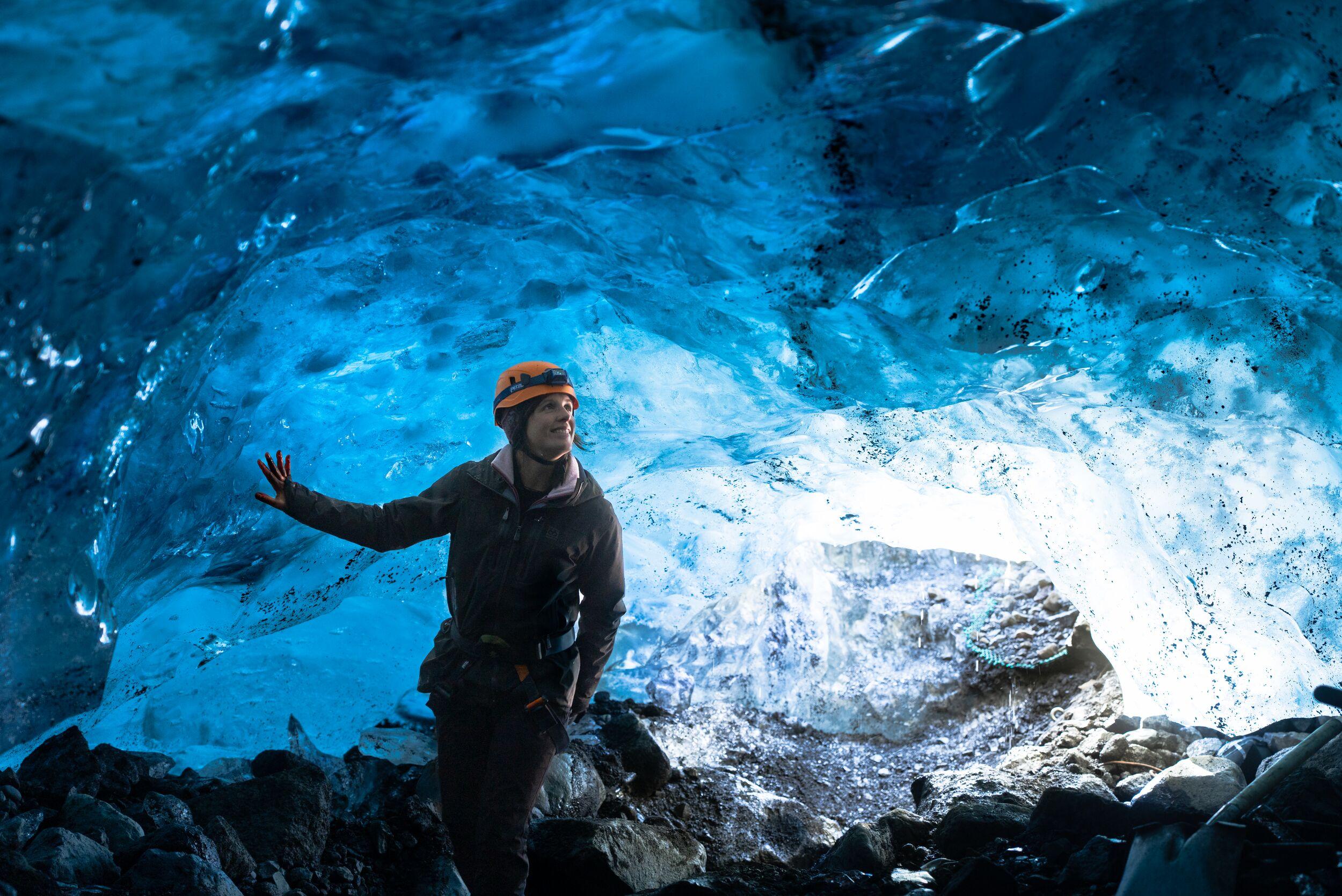
Exploring an ice cave is one of the most unusual ways to experience Iceland’s glaciers. Outside, you’re standing in a working glacier environment, exposed to Icelandic weather. But inside, you might find clear blue ice, dark volcanic ash trapped in frozen layers, and sculpted walls that change with the light.
Getting dressed for the experience takes a little more thought than packing a warm jacket. The good news is that you don’t need specialist mountaineering clothing to join most guided ice cave tours. You do need sensible layers, sturdy footwear and a clear understanding of what your guide provides.
This guide covers how to prepare for ice caves in Iceland, from arrival at the meeting point to the journey back, so you can concentrate on the landscape rather than your cold toes.
What makes Iceland’s ice caves so special?
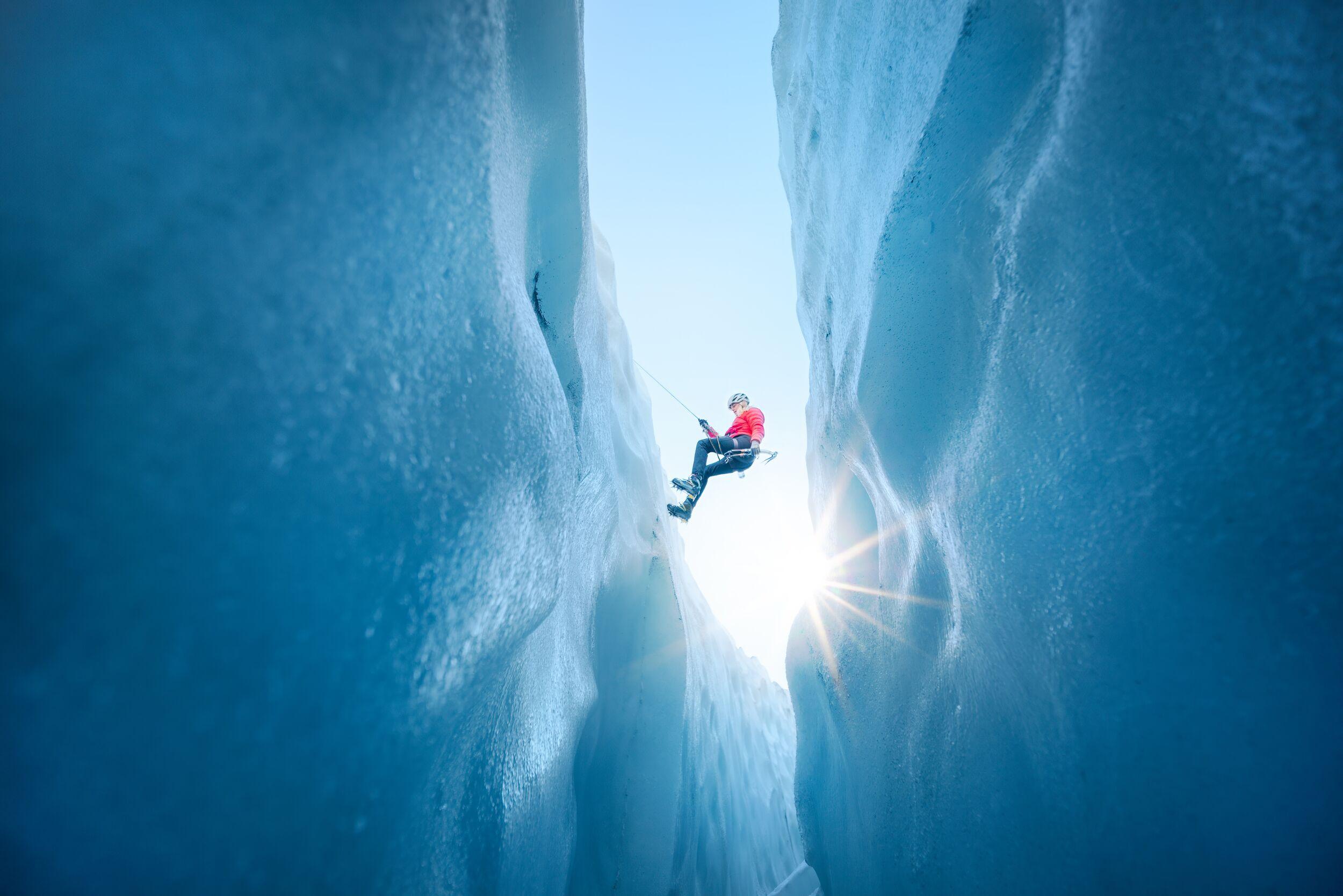
Iceland’s glaciers are constantly moving and changing. Meltwater runs through and beneath the ice, carving channels and chambers. When temperatures drop, some of these spaces freeze and become accessible as natural ice caves.
Because the process depends on water flow, temperature and glacier movement, natural caves rarely stay the same for long. A crystal ice cave you visit one winter may look completely different the following season. Some caves disappear, while new ones form elsewhere.
This is also why ice caves are not places to explore independently. A cave that looks solid from the entrance may have unstable sections, changing water levels or other hazards that are difficult to judge from the surface.
Icelandic Mountain Guides operates guided ice cave experiences when access and conditions allow. Natural caves are assessed for suitability, and tours may be changed or cancelled if conditions become unsafe. The exact season depends on the location: many natural ice caves are winter experiences, while the Secret Ice Cave beneath Katla is offered year-round when conditions permit.
For visitors, the combination of changing scenery and careful planning is part of the experience. You get to see a landscape that is genuinely alive, without having to make safety decisions on your own.

You get to see a landscape that is genuinely alive, without having to make safety decisions on your own.
The journey starts before you reach the ice
One of the easiest mistakes is to think only about the time spent inside the cave. Your clothing needs to work for the entire outing.
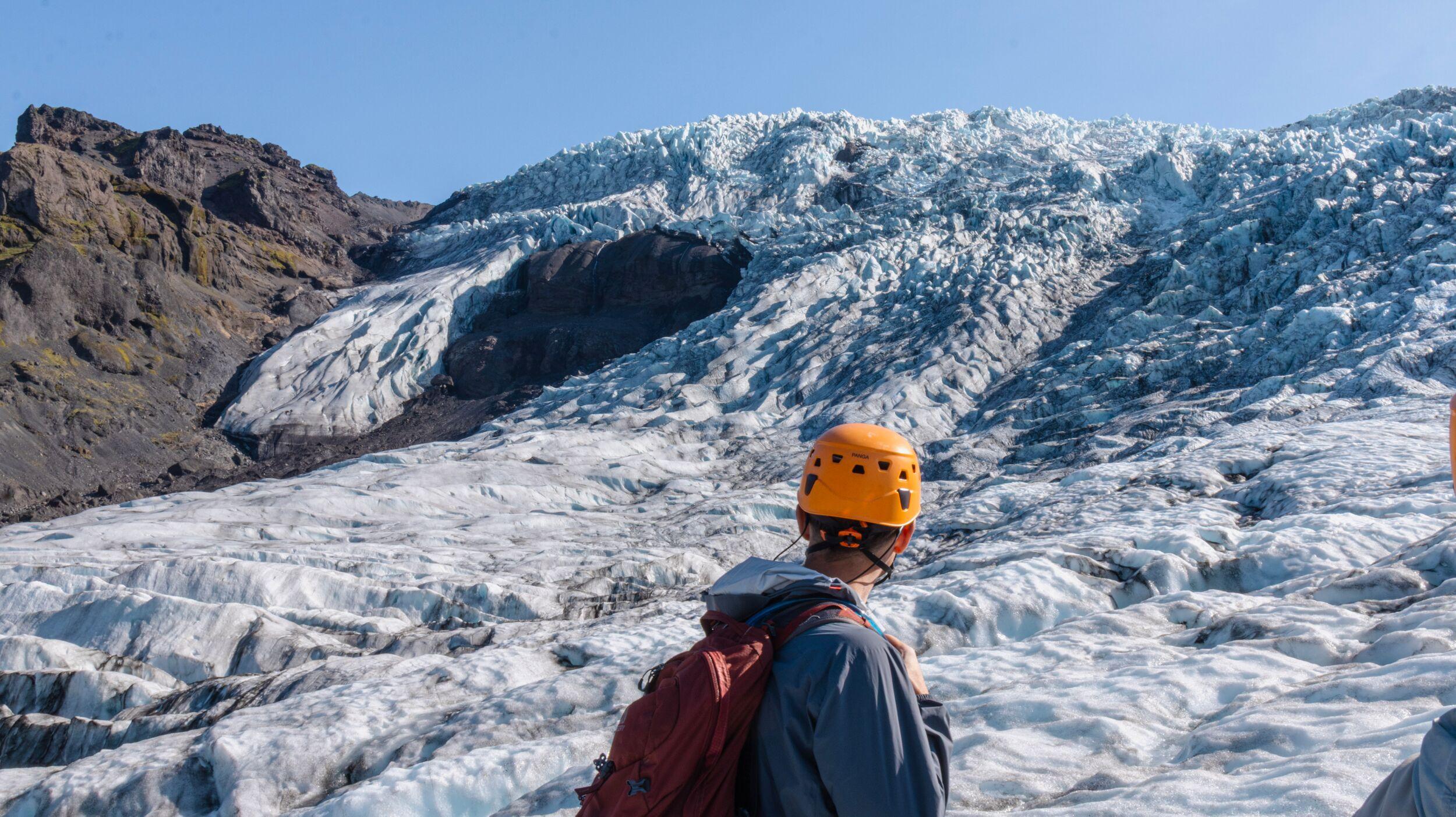
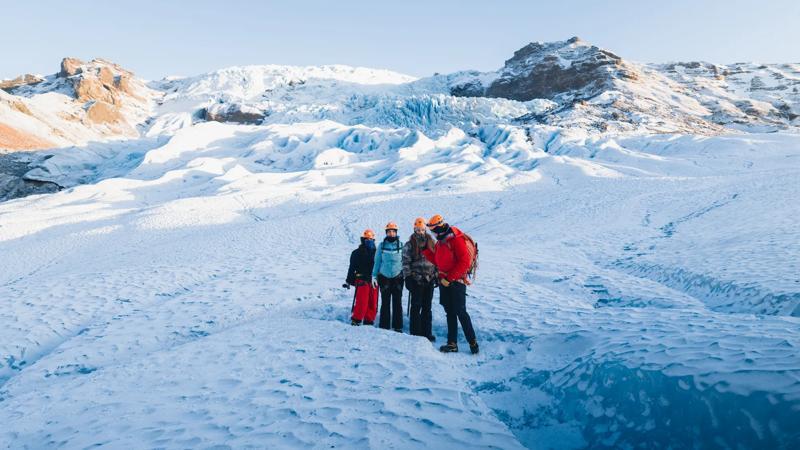
Depending on your chosen tour, you may begin at a glacier base, travel from a nearby meeting point in a modified 4x4, or join a longer South Coast trip from Reykjavík. The route to the ice can involve wind, rain, snow, muddy ground and exposed terrain.
On some tours, the approach includes a proper glacier hike. On others, transport takes you most of the way, followed by a relatively short walk to the cave entrance. Either way, you should arrive dressed for outdoor conditions rather than expecting to change into warm clothing at the last minute.
Before departure, your guide will explain the plan, check the group’s equipment and outline the safety procedures. Allow time to get fitted with the necessary glacier gear, and arrive wearing your base layers and outdoor clothing.
A small daypack can be useful on tours where it is permitted, but keep it compact. You want essentials close at hand, not a heavy bag that gets in the way when moving over uneven ice.
How should you dress for a guided glacier and ice cave experience?
The aim is to stay warm and dry without overheating while walking. You’ll be outside before and after the cave, and your activity level may change several times over the course of the trip.
Start with a comfortable base layer
Wear a moisture-wicking base layer that sits comfortably against your skin. Merino wool or suitable synthetic fabrics work well because they help manage sweat during movement.
Avoid cotton as your main base layer. It absorbs moisture and dries slowly, which can leave you feeling cold once you stop walking.
Add insulation you can adjust
A fleece or lightweight insulated jacket provides warmth without making movement awkward. Bring a warmer insulating layer if the forecast is cold or your tour involves a longer period outdoors.
You may feel warm while hiking towards the cave, then cool down quickly when you stop to listen to your guide or take photos. Being able to open your jacket, remove a layer or add insulation makes a real difference.
Protect yourself from wind and rain
A waterproof, windproof outer jacket is one of the most useful items you can bring. Icelandic weather can — and will — change quickly, and wind can make even a relatively mild temperature feel much colder.
Waterproof trousers are also worth packing. They help protect against rain, wet snow and moisture from sitting or kneeling on damp ground. Inside a natural ice cave, water can drip from the ceiling, and the floor may be wet or slushy.
A jacket that is merely water-resistant may not be enough to shield against persistent rain or strong wind. Aim for proper outdoor protection rather than a light everyday coat.
Keep your hands, head and neck warm
Bring warm gloves, a hat or beanie, and a neck gaiter or buff. These are small items, but they make waiting outside and walking in cold wind much more comfortable.
A thin pair of glove liners under warmer gloves can be useful if you want to operate a camera or phone without exposing your hands for long. Keep spare gloves dry if you have room in your bag.
Choose footwear that works with crampons
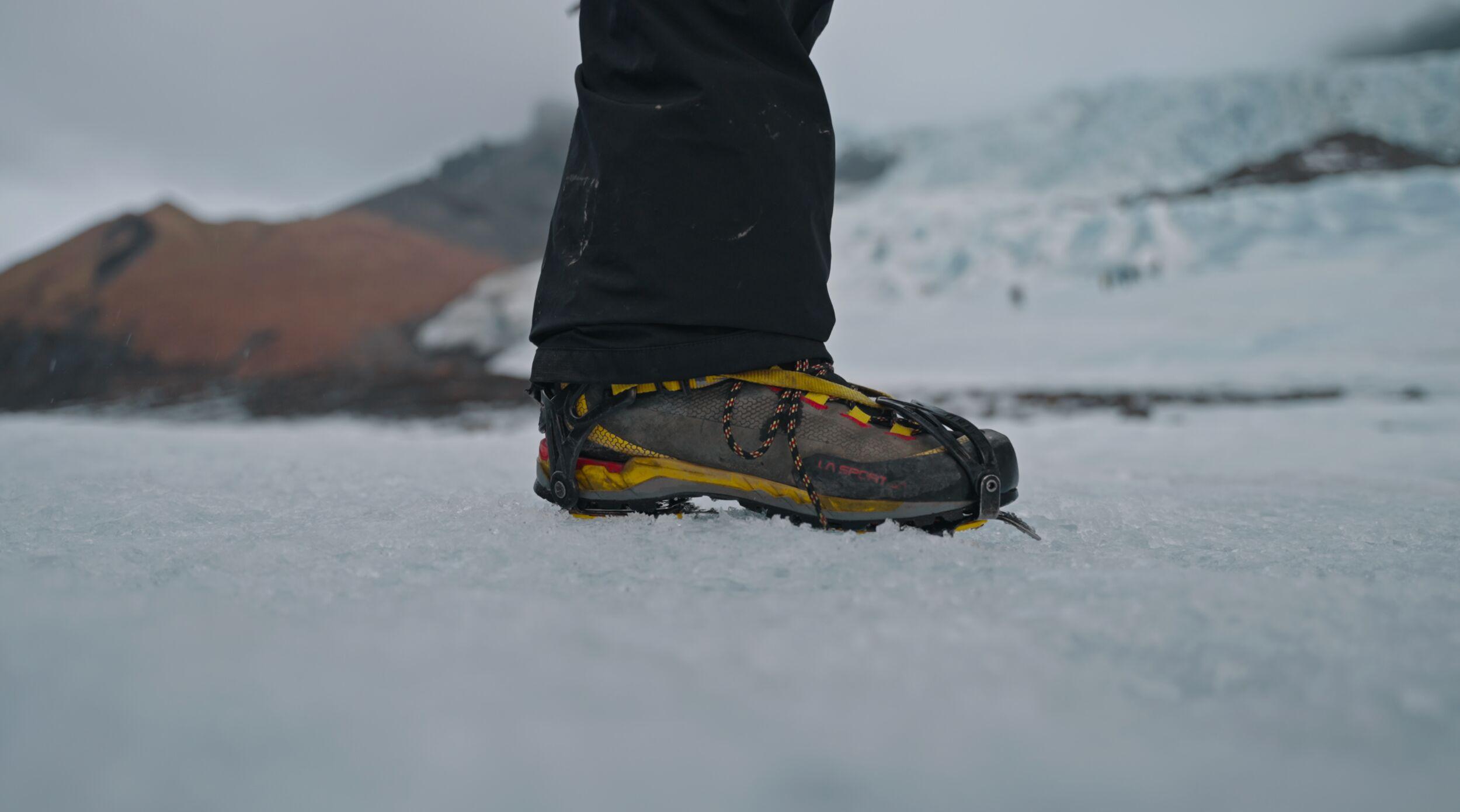
Sturdy, supportive hiking boots are essential for tours involving glacier walking. They should fit well, provide ankle support and have enough structure to work with the crampons supplied by your guide.
Soft trainers, fashion boots and flexible everyday shoes are poor choices for walking on glacier ice. Crampons need a suitable boot to attach securely, and the combination must be stable when you step onto uneven terrain.
If you’re renting boots, check your tour’s equipment information in advance. Bring the right size and wear socks that fit comfortably without making your boots too tight.
Why your activity level changes how warm you feel
Picking the right clothing for experiencing ice caves in Iceland isn’t just about checking how cold the air is. It’s also about considering how much you will be moving.
On a glacier hike, you generate heat as you walk. If you’re wearing every layer you own, you may start to sweat. And hey, that’s normal, but once you stop moving, that moisture can make you feel cold surprisingly quickly.
A useful approach is to begin with enough insulation to feel comfortable, then adjust as you go. Open your jacket or remove a mid-layer before you become sweaty. Add it back when you stop, especially if the wind is starting to pick up.
Tours also differ in how much walking they involve. The Skaftafell Blue Ice Cave Tour combines glacier hiking with cave exploration, while the Secret Ice Cave involves a journey by modified 4x4 and a shorter walk to the cave.
Check the itinerary before choosing your clothing. If you’re taking a longer hike, prioritize breathable layers and comfortable boots. If your approach is short and you’ll spend more time standing around, bring enough insulation to stay warm while gazing at the amazing ice formations around you.
Your clothing should match the journey, not just the photographs you hope to take.
What equipment does Icelandic Mountain Guides provide?
Guests do not need to buy a full set of technical glacier equipment for a guided tour. The equipment included varies by trip, so always check the specific tour page before departure.
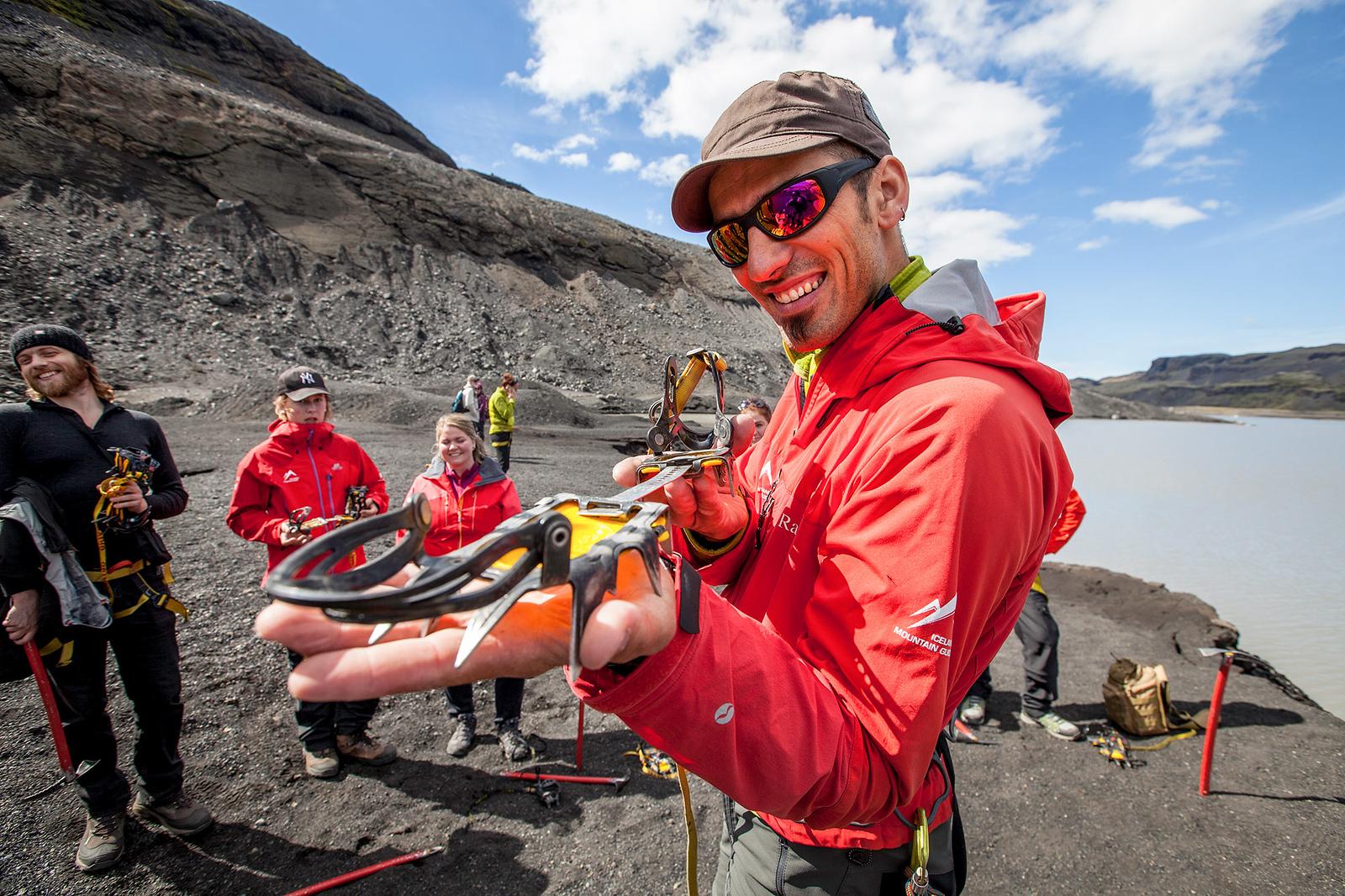
For glacier-walking tours, Icelandic Mountain Guides provides the required technical equipment for the activity. Depending on the tour, this may include crampons, a helmet, an ice axe and a harness, along with other necessary safety equipment.
Your guide will explain how the equipment works and help you get fitted. Crampons are adjusted to your boots, and you’ll receive a safety briefing before stepping onto the glacier.
What you generally need to provide is your own suitable outdoor clothing, sturdy hiking boots, warm layers and any personal items listed on the tour page. Some tours offer rental options for boots or rain gear, but don’t assume everything is included.
The distinction matters: technical equipment helps you move safely through glacier terrain, while your clothing keeps you comfortable throughout the day.
Common clothing mistakes to avoid
A few simple choices can make the difference between enjoying the cave and spending the visit thinking about your chilly fingers.
Here are a few pitfalls to avoid when preparing for an ice cave tour in Iceland:
- Wearing cotton layers. Damp cotton can leave you cold when you stop moving.
- Bringing only a light jacket. Wind and rain can make the approach uncomfortable even when temperatures seem reasonable.
- Wearing unsuitable shoes. Trainers and soft-soled boots may not work well with crampons.
- Dressing too warmly for the hike. Overheating and sweating can make you colder later.
- Forgetting spare gloves or socks. Wet hands and feet are hard to ignore.
- Assuming the cave will be dry. Natural ice caves can contain standing water, dripping meltwater and slushy ground.
- Leaving preparation until arrival. Check footwear, clothing requirements and rental options before your tour day.
You don’t need to pack for every possible weather event. But you do need clothing that can handle a typical range of Icelandic conditions and enough flexibility to adjust as the day unfolds.
What to expect on an IMG ice cave tour
Different tours offer different approaches to Iceland’s glaciers. Your clothing should match the journey, not just the photographs you hope to take.
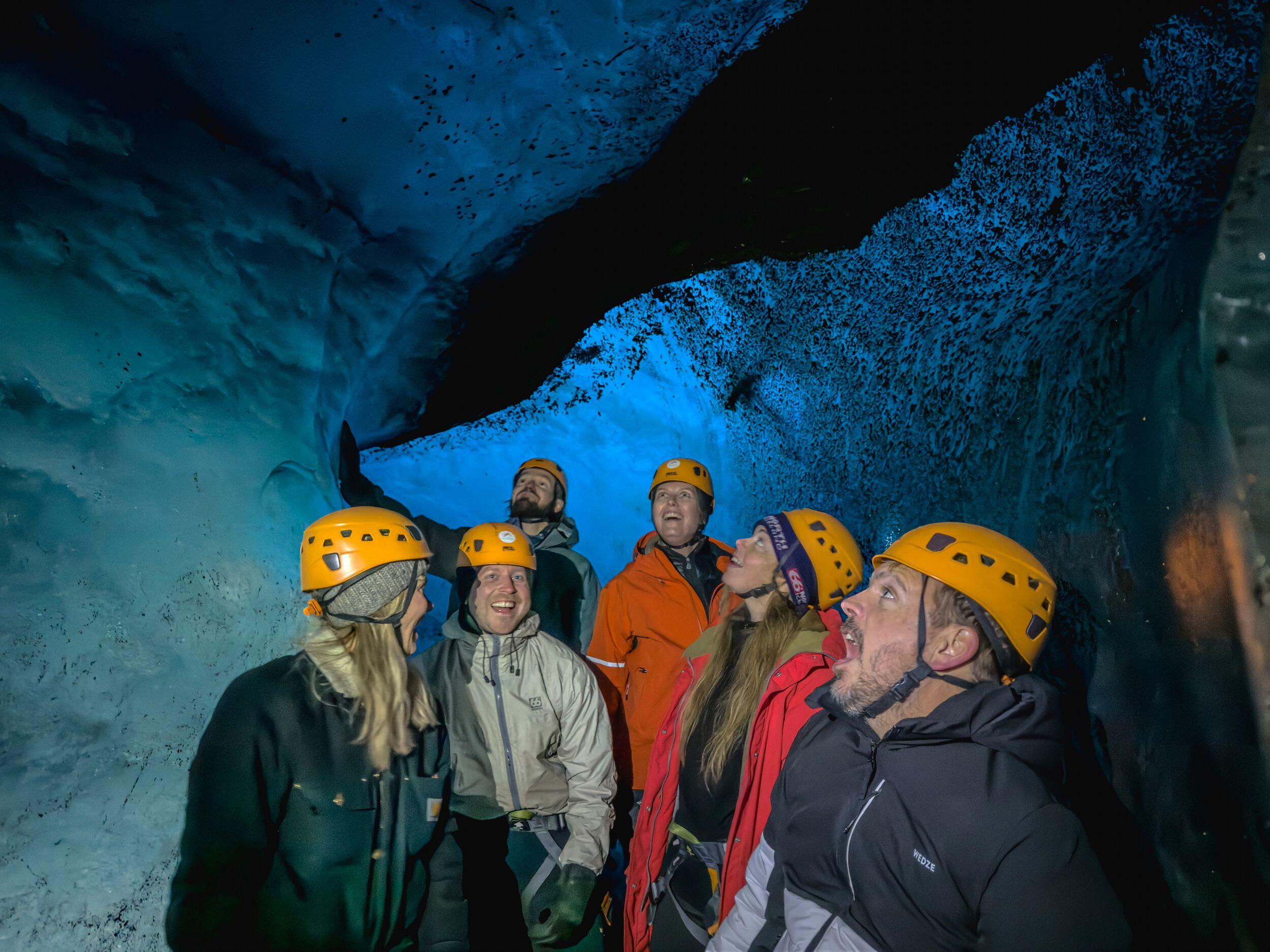
Skaftafell Blue Ice Cave Tour and Glacier Hike
This tour combines a glacier walk with exploration of naturally formed ice caves and tunnels in Vatnajökull National Park. Expect uneven icy terrain and time outdoors, so sturdy hiking boots, adjustable layers and waterproof outerwear are particularly important.
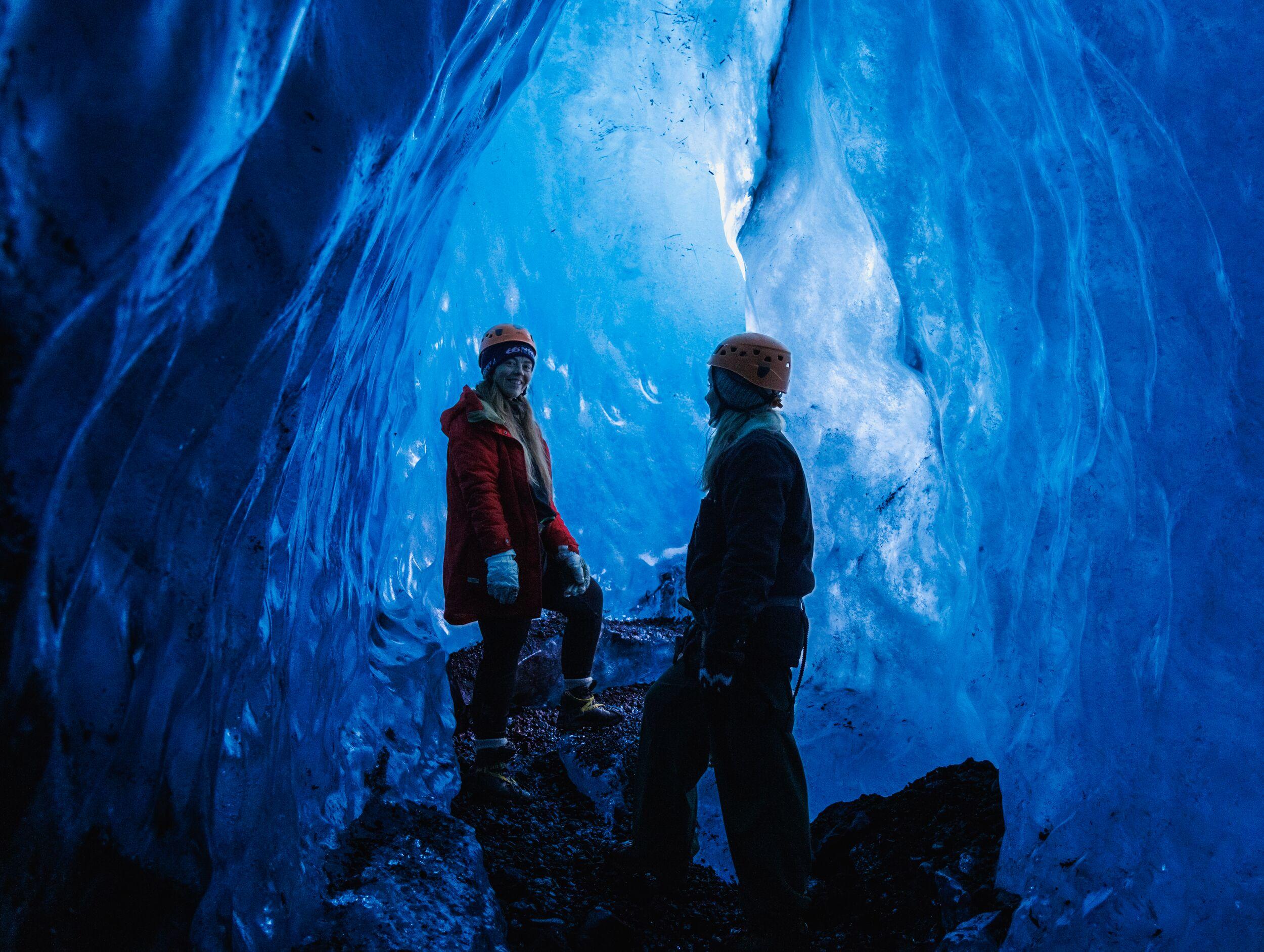
Blue Ice Cave Tour from Jökulsárlón
Starting near the glacier lagoon, this tour uses a modified 4x4 to reach the glacier before a short walk to the cave. You still need warm, waterproof clothing and suitable footwear, even though the walking approach is shorter.
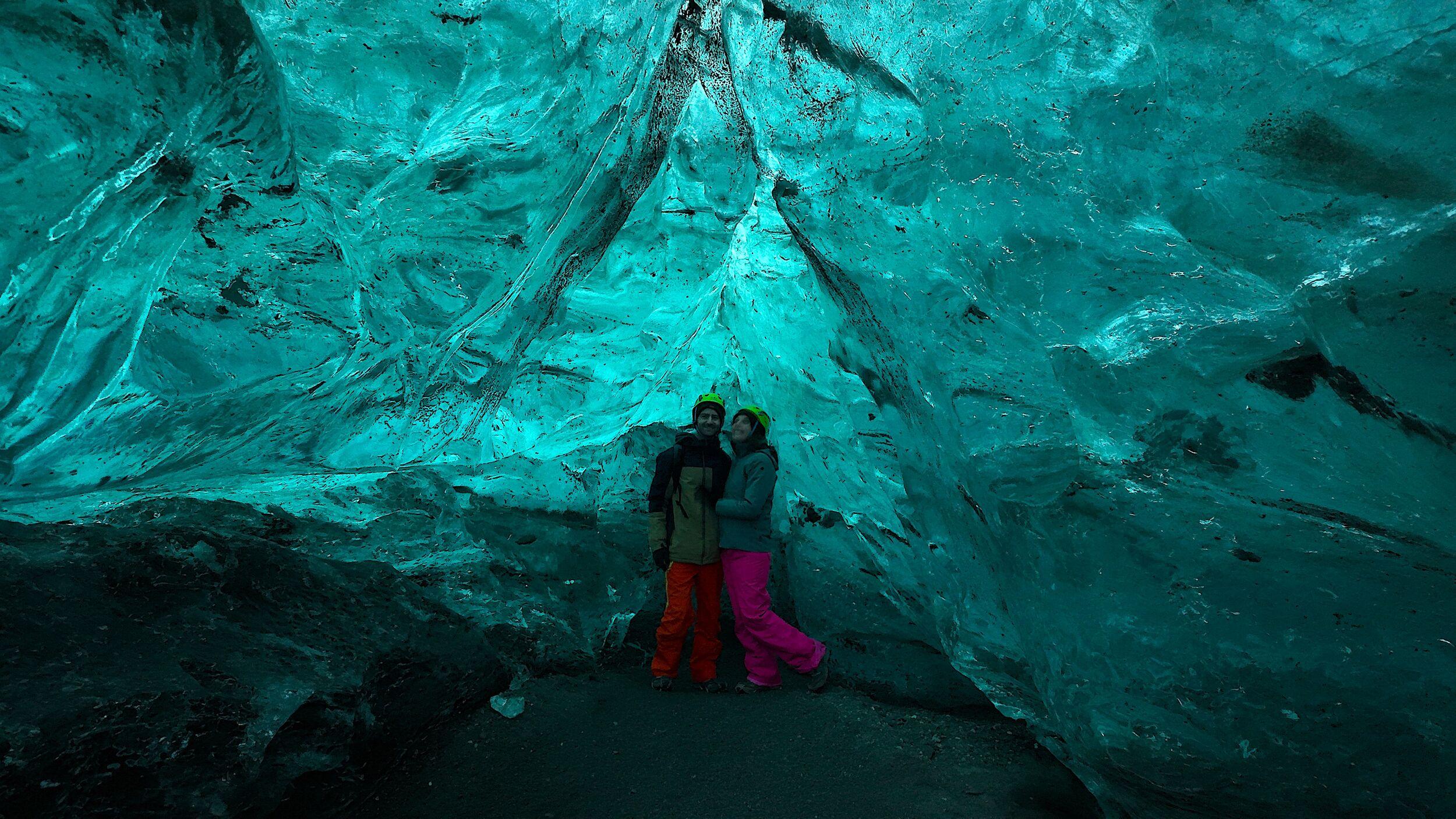
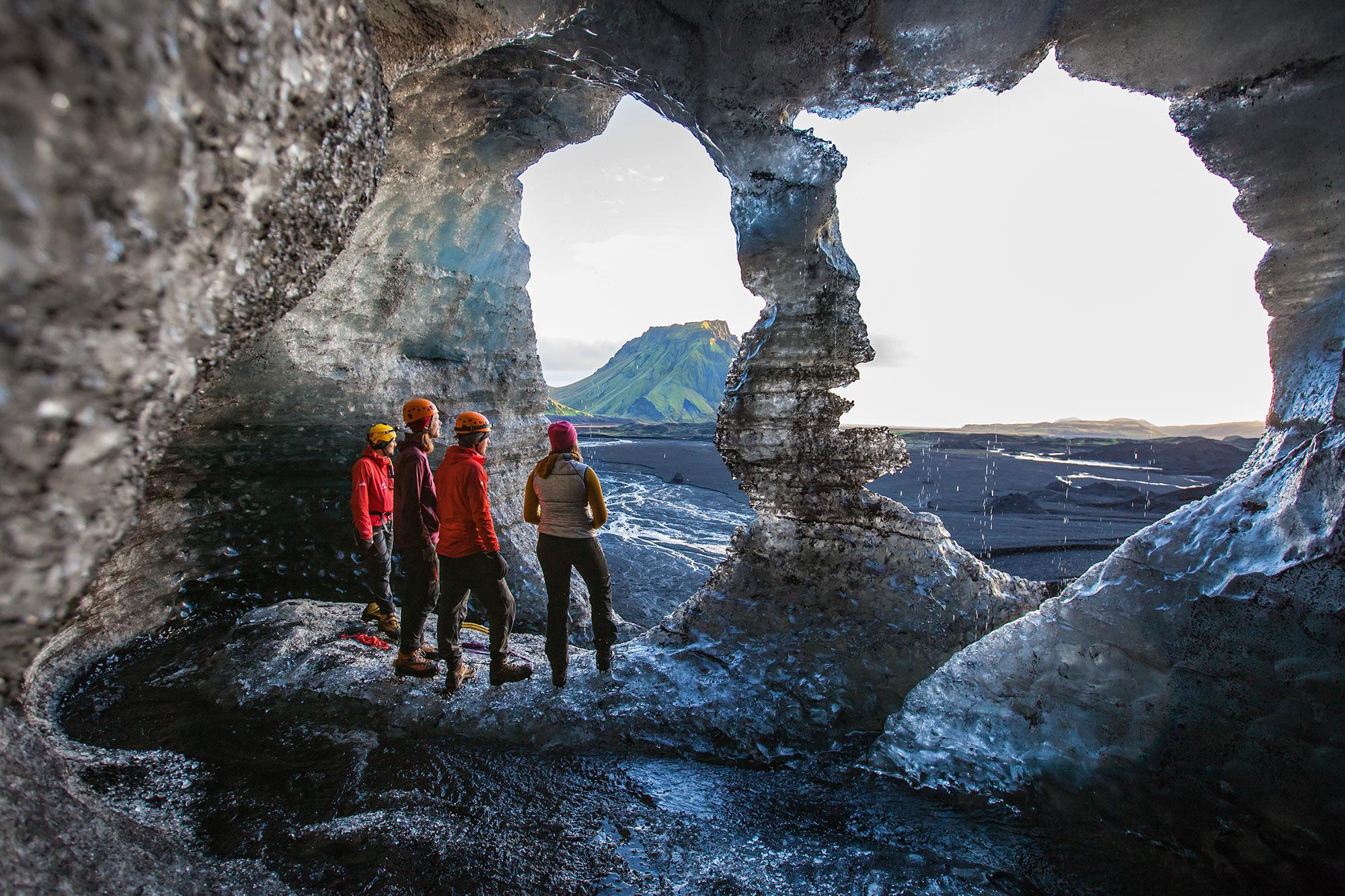
The Secret Ice Cave near Katla
This experience travels across the South Coast’s rugged landscape towards Kötlujökull, beneath Katla. A modified 4x4 covers much of the journey, but you’ll still be outdoors and walking on uneven ground. The ice can contain dark volcanic ash alongside blue and white sections, so expect a natural environment rather than a polished indoor attraction.
Whichever guided ice cave tour you choose, the same principle applies: dress for the journey to the cave, the time spent exploring it and the return trip. Your guide will explain the conditions and equipment requirements for the specific tour.
Guided Ice Cave Tours
Skaftafell Blue Ice Cave Tour & Glacier Hike
Blue Ice Cave Tour from Jökulsárlón
The Secret Ice Cave
Ready for a final fit check?
Before setting out, run through this short checklist:
- Base layer and warm mid-layer
- Waterproof, windproof jacket and trousers
- Warm gloves, hat and neck covering
- Sturdy hiking boots suitable for crampons
- Comfortable socks and, if possible, spare gloves
- Water and any snacks recommended for your tour
- Phone or camera, stored securely and protected from moisture
- Confirmation of the meeting point, arrival time and equipment included
Check the forecast and tour information before travelling. If conditions change, follow your guide’s instructions. A tour may be adjusted or cancelled at short notice if the glacier or cave is not safe to enter.
Dress for the whole adventure, not just the photos
The appeal of ice caves in Iceland is their natural beauty and the chance to experience a glacier from the inside. But the cave is only one part of the day. The journey across the landscape, the walk over the ice and the changing conditions all shape the experience.
With sensible layers, waterproof protection and suitable boots, you can stay comfortable without carrying an expedition’s worth of gear. Icelandic Mountain Guides provides the technical equipment required for its guided glacier activities and helps you prepare for the terrain ahead.
Dress for movement, protect yourself from the weather and be ready to adjust as conditions change. That way, you can spend less time thinking about cold hands and wet socks, and more time appreciating the remarkable world of ice around you.
Frequently Asked Questions
What should I wear for an ice cave tour or glacier hike in Iceland?
Wear a moisture-wicking base layer, a warm insulating layer, and a waterproof, windproof jacket and trousers. Bring warm gloves, a hat and wool or synthetic socks. Sturdy hiking boots with ankle support are essential for walking on uneven, icy terrain and must be compatible with crampons. Dressing in layers helps you adjust to changing weather and activity levels throughout your ice cave tour.
How cold is it inside an ice cave in Iceland?
Temperatures inside Iceland’s natural ice caves are often around or below freezing, but conditions vary by cave, season and weather. Dampness and cold air can make it feel colder, especially when you stop moving to explore or take photos. Wear warm layers and waterproof outerwear, and bring gloves even if conditions seem mild at the start of your tour.
Do I need hiking boots for an ice cave tour in Iceland?
Yes. Sturdy hiking boots with good ankle support and a secure fit are essential for most glacier hikes and ice cave tours. They provide better support on slippery, uneven ground and allow crampons to fit securely. Trainers and smooth-soled shoes are not suitable. If you do not have appropriate boots, check whether rentals are available for your chosen tour.
Can I wear jeans or ordinary clothes on an Iceland glacier hike?
Jeans are not recommended because denim absorbs moisture, dries slowly and becomes cold and uncomfortable when wet. Ordinary casual clothing may also offer insufficient protection against Iceland’s wind, rain and snow. Choose outdoor trousers, thermal base layers and waterproof trousers instead. You do not usually need specialist mountaineering clothing, but you do need practical outdoor gear suited to cold, wet conditions.
Are crampons and other safety equipment provided on Iceland ice cave tours?
Yes. Icelandic Mountain Guides provides essential safety equipment for each tour, which may include crampons, helmets, ice axes and harnesses, depending on the activity. Your guide will explain how to use the equipment and help fit it where needed. Crampons must fit your hiking boots securely, so suitable footwear remains your responsibility. Check your chosen tour’s details to confirm exactly what is included.
What gear should I bring for an ice cave tour in Iceland?
Bring suitable hiking boots, warm layers, waterproof and windproof outerwear, gloves, a hat and warm socks. A small backpack and water can also be useful, depending on the tour. Safety equipment is provided as specified in your tour information, but clothing and footwear are generally the guest’s responsibility. Some tours offer equipment rentals, so check the requirements and inclusions for your chosen trip before departure.
Keep me informed about the Icelandic Mountain Guides Blog
Outdoor adventure in Iceland is our specialty. Subscribe to our free monthly newsletter to learn when to go, what to do and where to have the best adventures in Iceland.
Related Blog Posts
Related Tours
Skaftafell Blue Ice Cave Tour & Glacier Hike
Blue Ice Cave Tour from Jökulsárlón