Glacier Walk vs. Ice Cave vs. Ice Climb
| All, Travel Guide, glaciers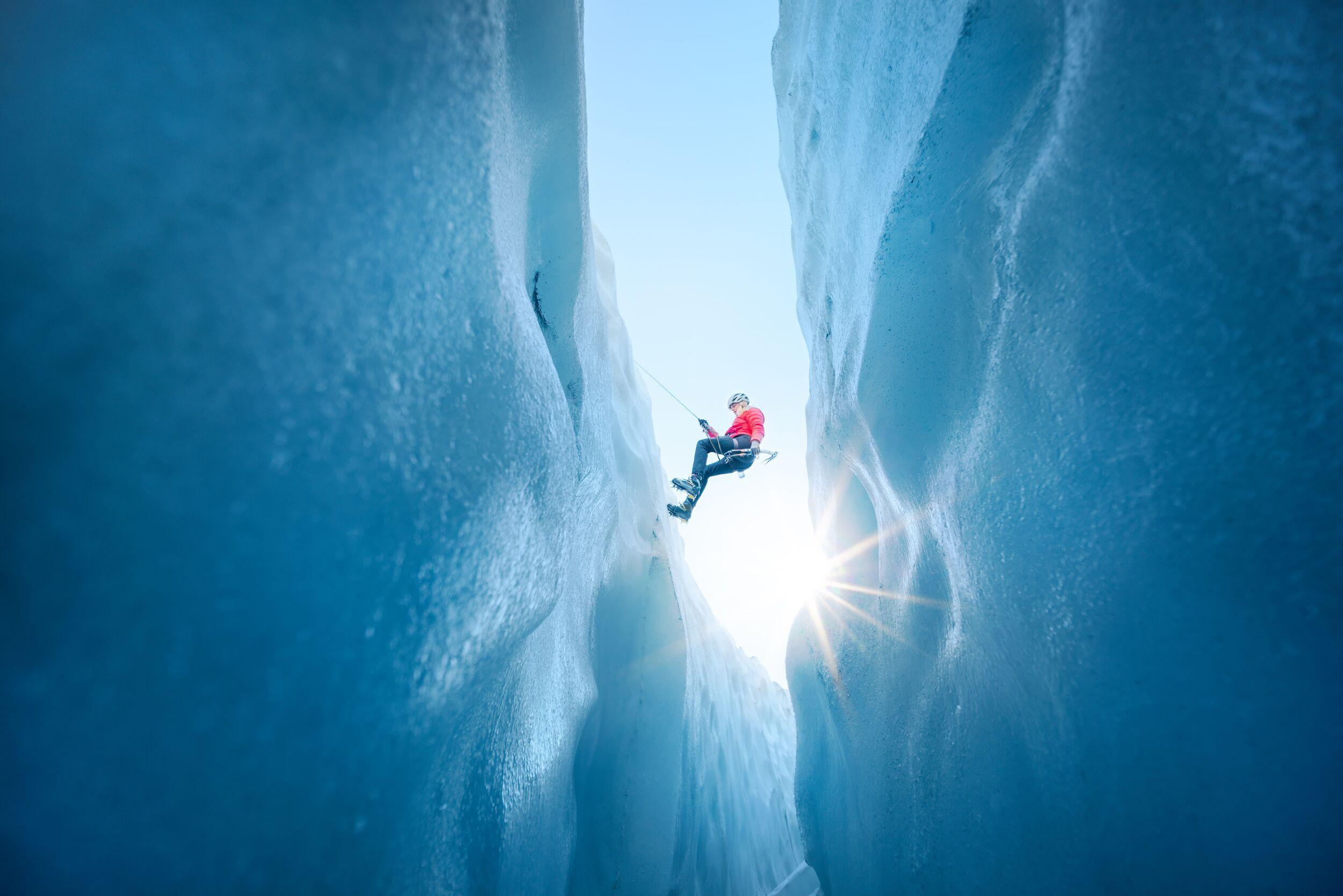
Which Experience is Right for You?
Iceland’s magnificent landscape has been shaped by extremes. Fire rises from the ground, water cuts through lava rock, and ice crowns the highlands and coastlines. Glaciers are the quiet giants of this landscape. They’re slow-moving rivers of ice that glow blue in the shadows, crack underfoot and carve valleys over millennia. When travelling in Iceland you are constantly in their presence, but to step onto a glacier is something else entirely.
Glacier tourism in Iceland has evolved into one of the country’s defining outdoor experiences, not because glaciers are rare here, but because they are so accessible. Nowhere else in the world offers so many ways to experience glacial ice in such close proximity to the main travel routes. From gentle glacier walk tours suitable for first-time visitors, to technical ice climbing routes on frozen walls, to seasonal journeys into shimmering ice caves, Iceland’s glaciers invite exploration.
Choosing between these experiences can be surprisingly difficult. The debate often comes down to timing and personal preference. Each activity reveals a different face of the glacier and each leaves its own lasting impression.
This guide breaks down the three core glacier experiences in Iceland — glacier walks, ice climbing, and ice cave tours — so you can understand what sets them apart, what they demand and what they reveal about the frozen heart of the island.
A Crash Course on the Science of Glaciers and Ice Caves
Roughly 11% of Iceland is covered by glaciers, a legacy of the last Ice Age, which peaked around 20,000 years ago. As the climate warmed, massive ice sheets retreated, leaving behind the glaciers we see today. Some, like Vatnajökull — the largest glacier in Europe by volume — are so vast they create their own weather systems. Others spill gently from volcano-capped plateaus toward the sea.
Glaciers are not static. They flow downhill under their own weight, grinding rock into fine sediment, reshaping valleys and feeding rivers that carry glacial meltwater across the lowlands. This movement creates crevasses, moulins (vertical shafts) and ice formations that are constantly changing.
Ice caves are a byproduct of this motion and melt. During warmer months, meltwater carves tunnels through the glacier. When the winter cold returns to stabilise the ice, some of these tunnels become accessible, revealing smooth, sculpted walls in shades of blue, white and black. Because glaciers are dynamic, no two ice caves are ever the same, and many exist for only a single season.
Unfortunately, climate change has accelerated glacial retreat across Iceland. Many outlet glaciers are thinning and shrinking, exposing new terrain while losing ice volume at an unprecedented rate. Experiencing glaciers today is not only an adventure, it’s a chance to witness landscapes that are changing within a human lifetime.
Glacier Walks: The Gateway Experience
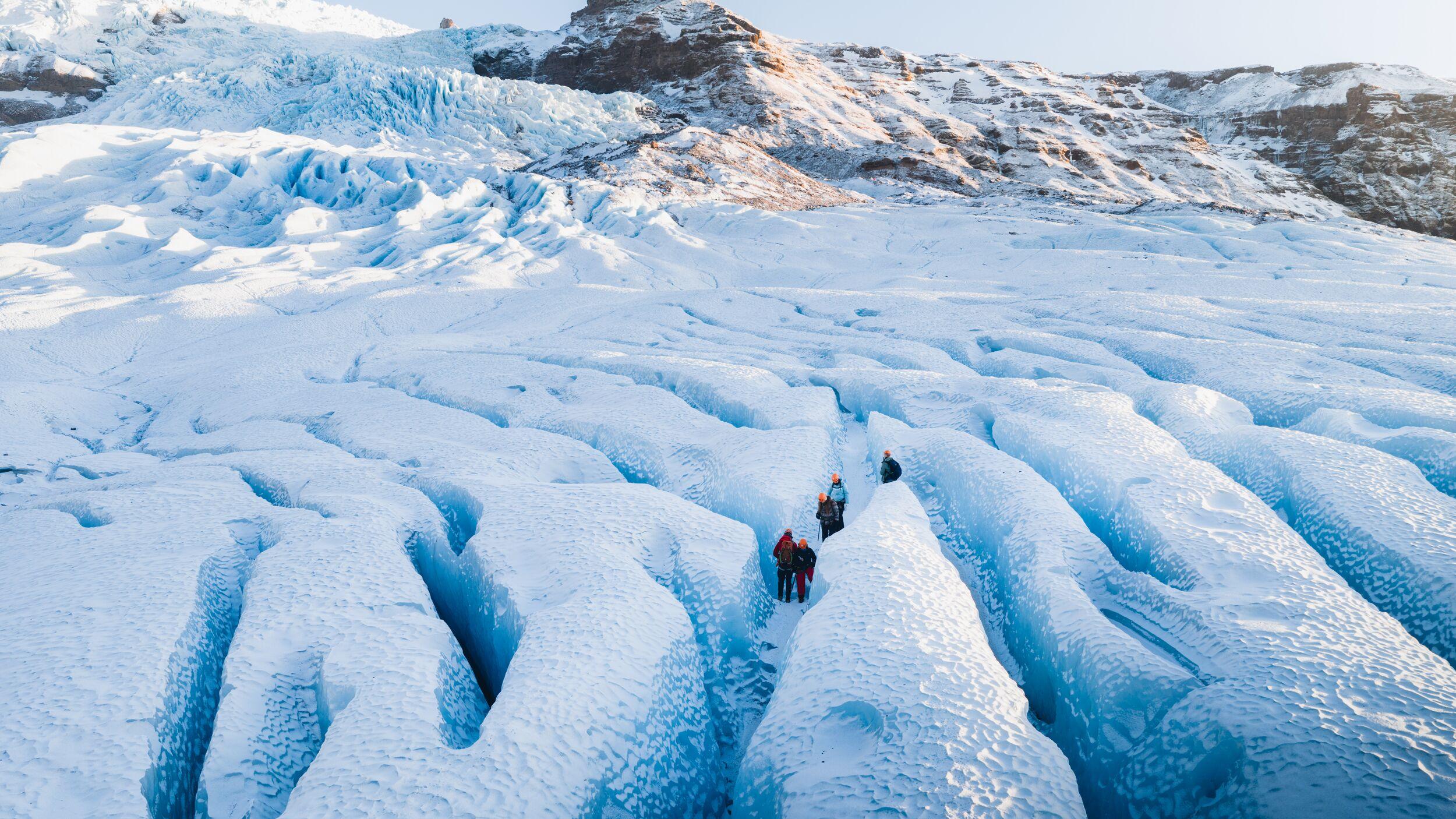
A glacier walk is often the first step people take onto Icelandic ice, and for good reason. It’s the most accessible of the glacier activities and offers a broad introduction to how glaciers look, feel, and move.
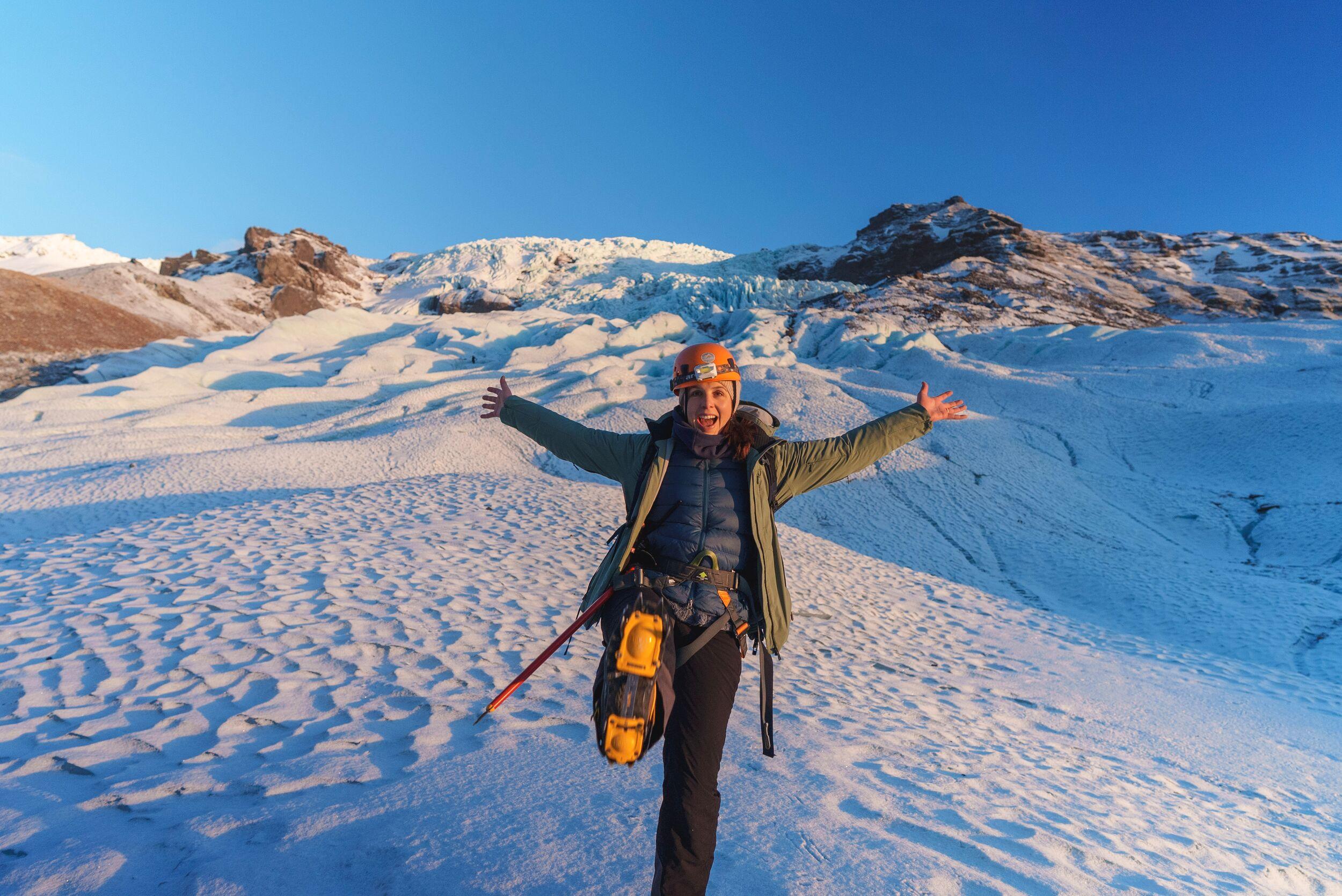
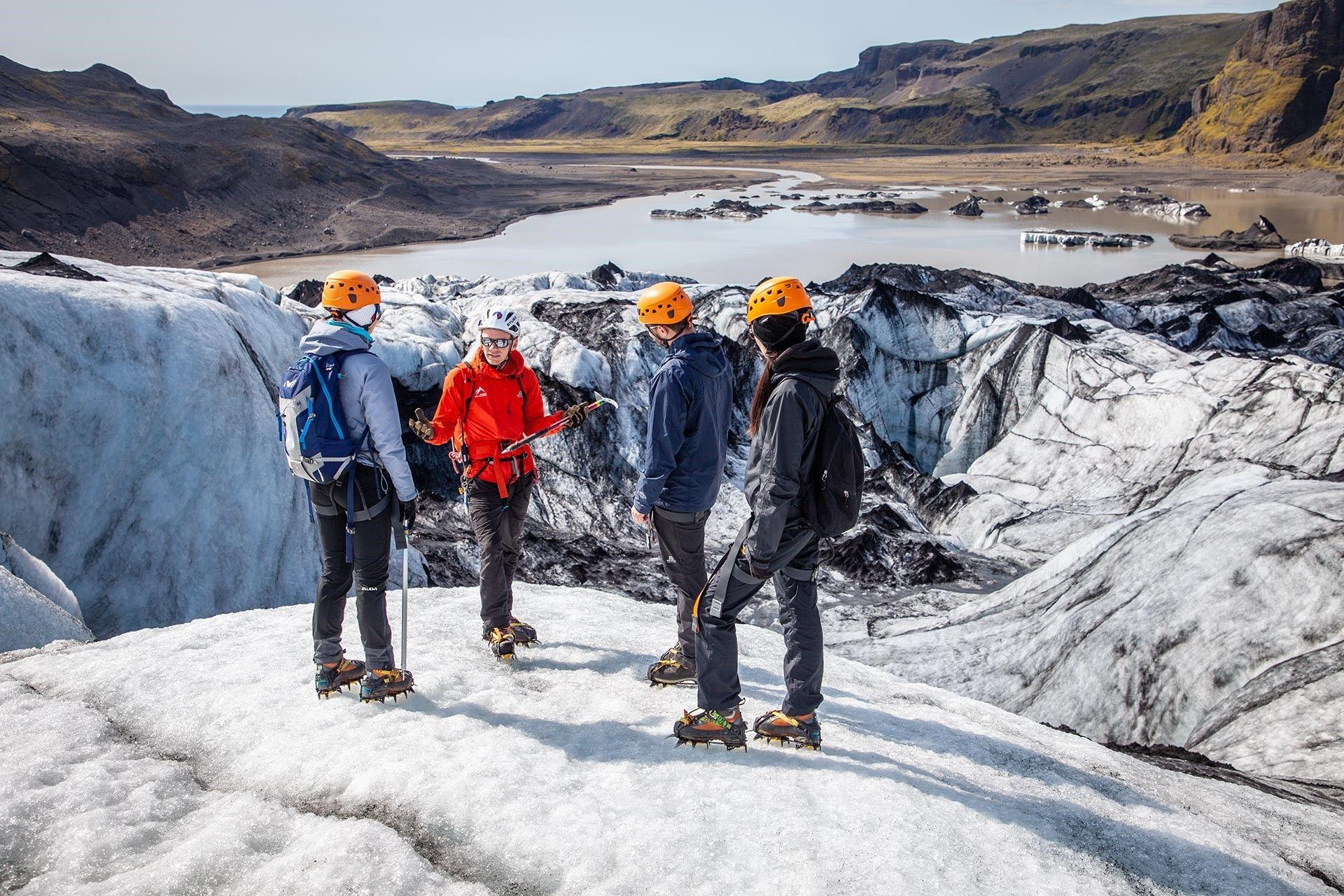
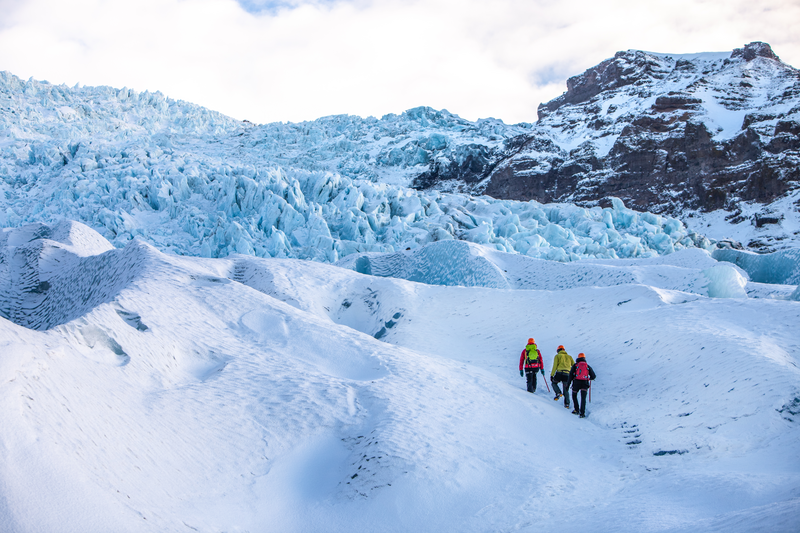
A glacier walk involves hiking across the surface of a glacier using basic mountaineering equipment such as crampons and an ice axe. The pace is steady, the terrain varied but manageable, and the focus is on exploration rather than technical difficulty. For many visitors, this is their first time walking on ice that’s hundreds—or thousands—of years old.
A typical glacier walk with Icelandic Mountain Guides lasts around three to five hours, including gearing up and walking to and from the glacier. The glacier walk difficulty is moderate and suitable for most people with reasonable fitness and no prior experience.
What you see on a glacier walk
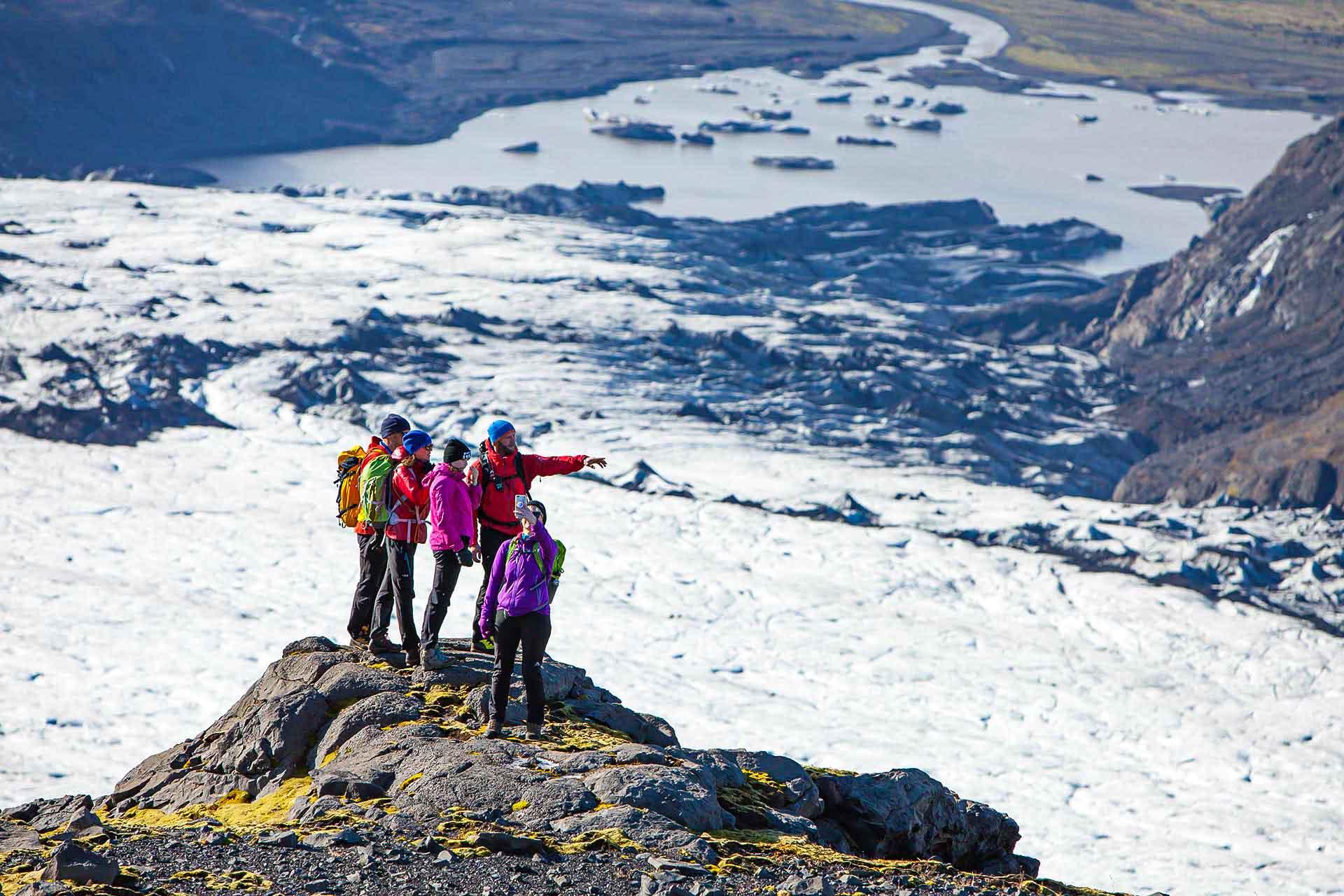
On a glacier walk tour in Iceland, the surface itself is the main attraction. You’ll pass ridges of wind-sculpted snow, peer into deep crevasses and see bands of volcanic ash frozen into the ice — visible records of eruptions long past. On clear days, views from atop the glacier often stretch to the ocean, black sand plains, or jagged mountain ranges.
Because glaciers change constantly, no two walks are identical. Meltwater streams appear and vanish, ice arches collapse, and new formations emerge from week to week.
Best glaciers and seasons for glacier walks
Glacier walks are offered year-round on accessible outlet glaciers such as Sólheimajökull on the South Coast and Falljökull in Skaftafell. Summer brings easier walking conditions and longer daylight hours, while winter adds a more dramatic, alpine feel with snow-covered ice and lower light.
Get the Experience
Glacier Panorama Trail
Glacier Walk & Northern Lights
Glacier Discovery - 4-hour Sólheimajökull Glacier Hike
Ice Climbing: Getting Vertical on Ancient Ice
If glacier walks are about wandering, ice climbing is about intention. Every step and swing matters, and the glacier becomes a vertical playground of frozen walls and sculpted features.
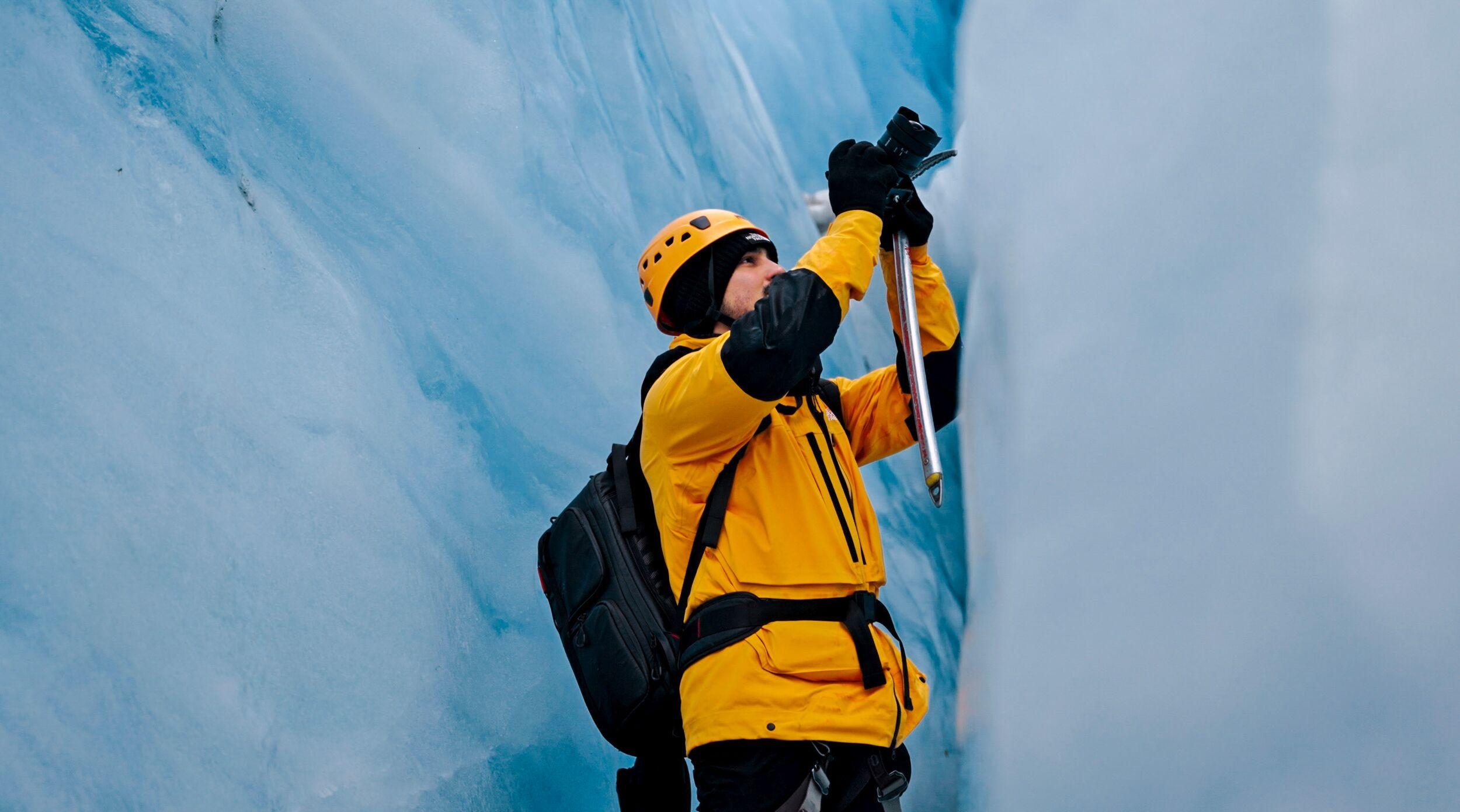
Ice climbing involves ascending steep ice using technical tools like ice axes, crampons, ropes and harnesses. In Iceland, ice climbing is often taught as a skill-based experience rather than a purely athletic one, making it accessible to beginners while still rewarding for those with climbing backgrounds.
A typical ice climbing tour with Icelandic Mountain Guides lasts a full day, often up to eight hours. Ice climb requirements include good general fitness and a willingness to challenge yourself, but no prior climbing experience is usually necessary.
What you see and do on an ice climbing tour
On an ice climbing tour, you’ll learn how to move efficiently on vertical ice, how to place your tools and to trust your feet. Climbing routes are often set on frozen waterfalls, ice walls, or steep glacier faces. Between climbs, there’s time to absorb the surroundings, appreciating the blue ice glowing in shaded corners, snow-covered peaks and the deep silence that only glaciers seem to hold.
Best glaciers and seasons for ice climbing
Ice climbing conditions are best from late autumn through spring, when cold temperatures stabilise the ice. Areas around Skaftafell and Vatnajökull are particularly well-suited, offering a variety of routes and reliable conditions. Some glacier ice climbing Iceland tours can run year-round, depending on weather and ice quality.
Get the Experience
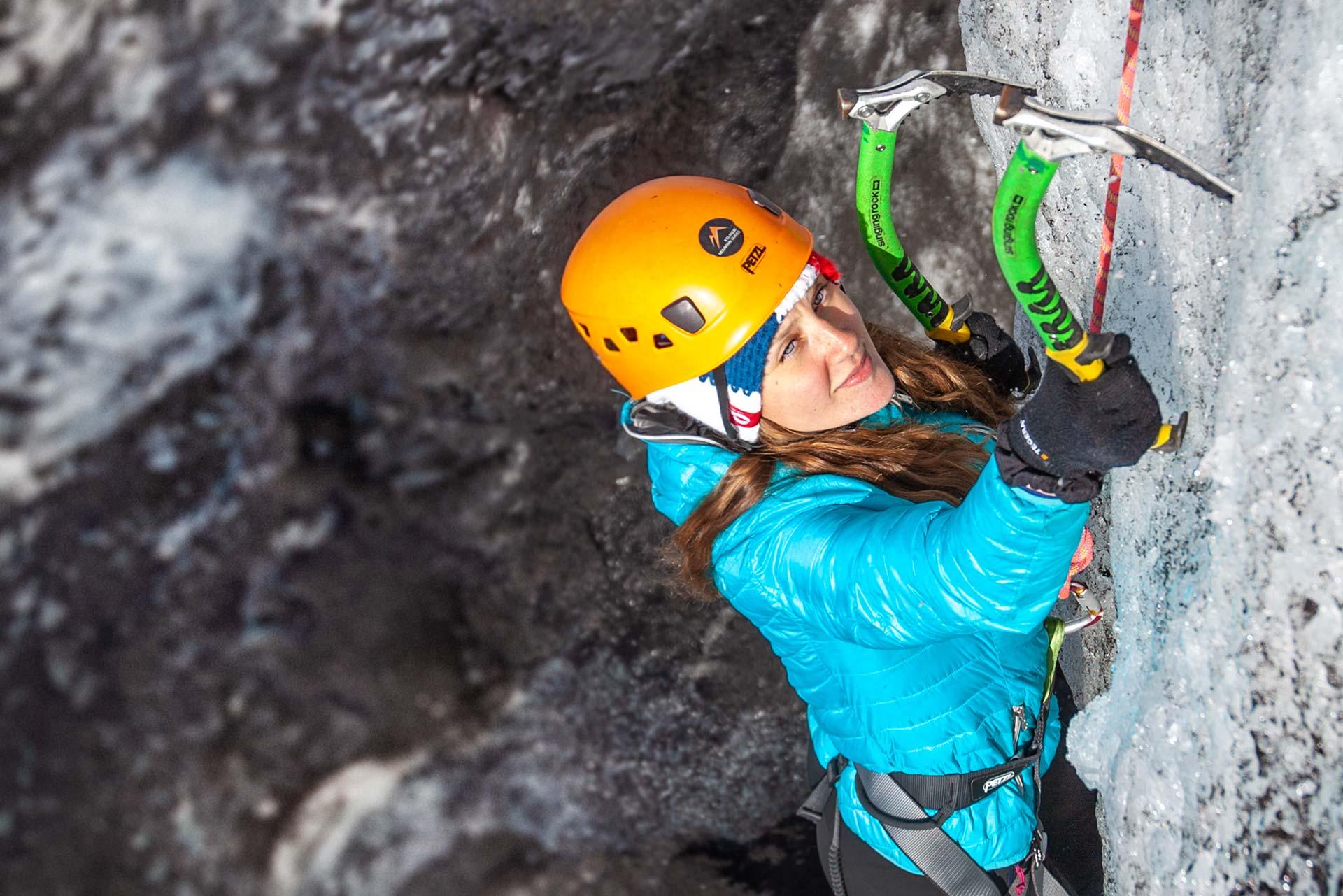
Sólheimajökull Glacier Hike and Ice Climbing
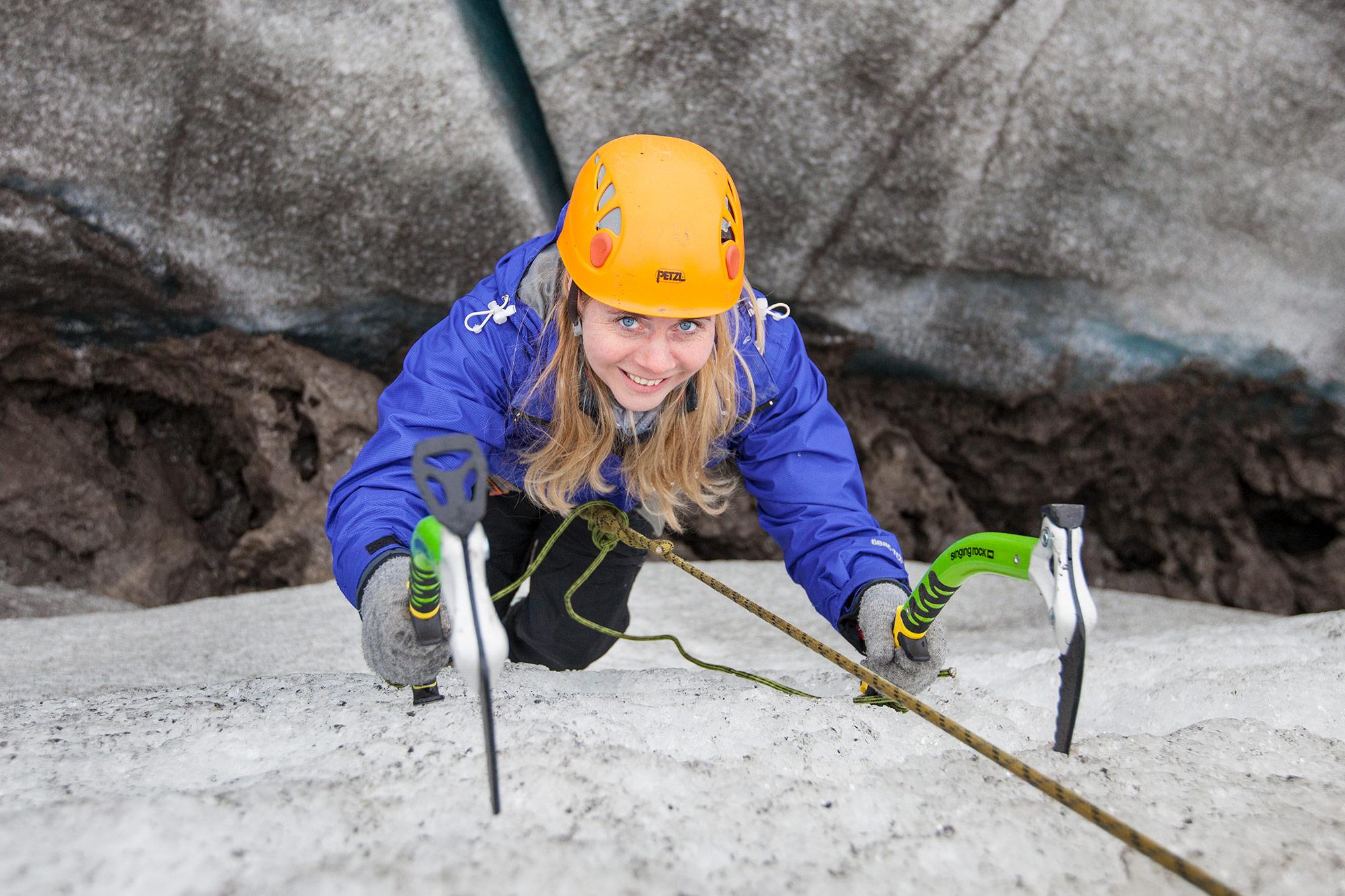
Skaftafell Ice Climbing
Skaftafell Glacier Hike and Ice Climbing
Ice Cave Tours: Going Inside the Glacier
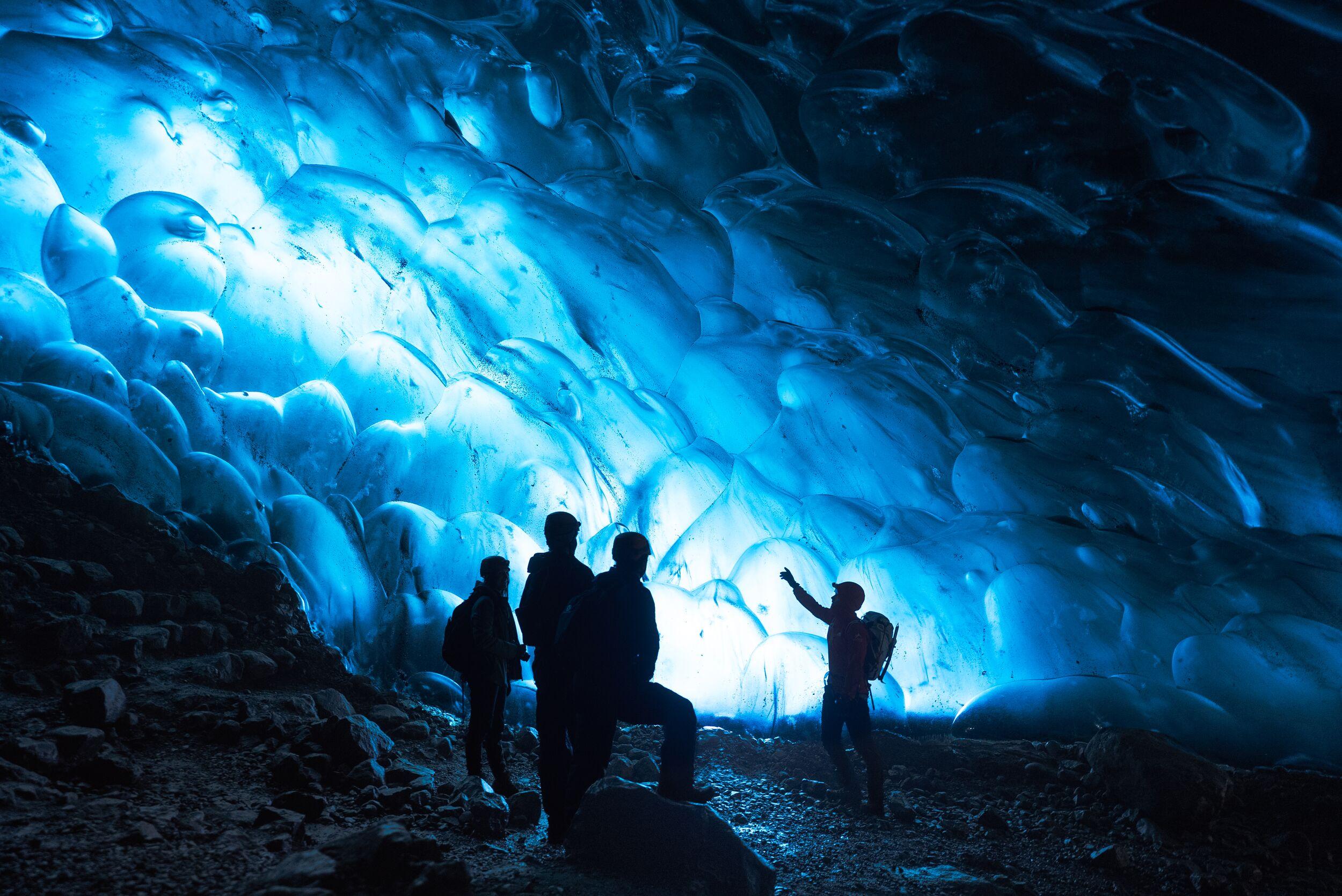
Ice cave tours flip the glacier experience inside out. Instead of standing on the ice, you enter it, walking through tunnels carved by water and time.
An ice cave tour involves visiting naturally formed caves within a glacier. These caves are only accessible when conditions are stable enough to ensure safety, which makes them a highly seasonal experience.
Most ice cave tours with Icelandic Mountain Guides last three to four hours. The physical demands are relatively low, making this an accessible option for a wide range of travellers, though walking on uneven icy ground is still required.
What you see and do in an ice cave
Inside an ice cave, the glacier feels alive. Light filters through translucent walls, turning the ice electric blue. Layers of snow and ash create swirling patterns, and meltwater sometimes trickles along the cave floor. The experience is slower and more contemplative than other glacier activities, focused on observation and photography.
Best glaciers and seasons for ice cave tours
The ice cave tour season in Iceland typically runs from November to March, when freezing temperatures stabilise the caves. Vatnajökull’s outlet glaciers are the most famous locations for Iceland ice cave tours, thanks to their size and consistent formation of caves.
Get the Experience
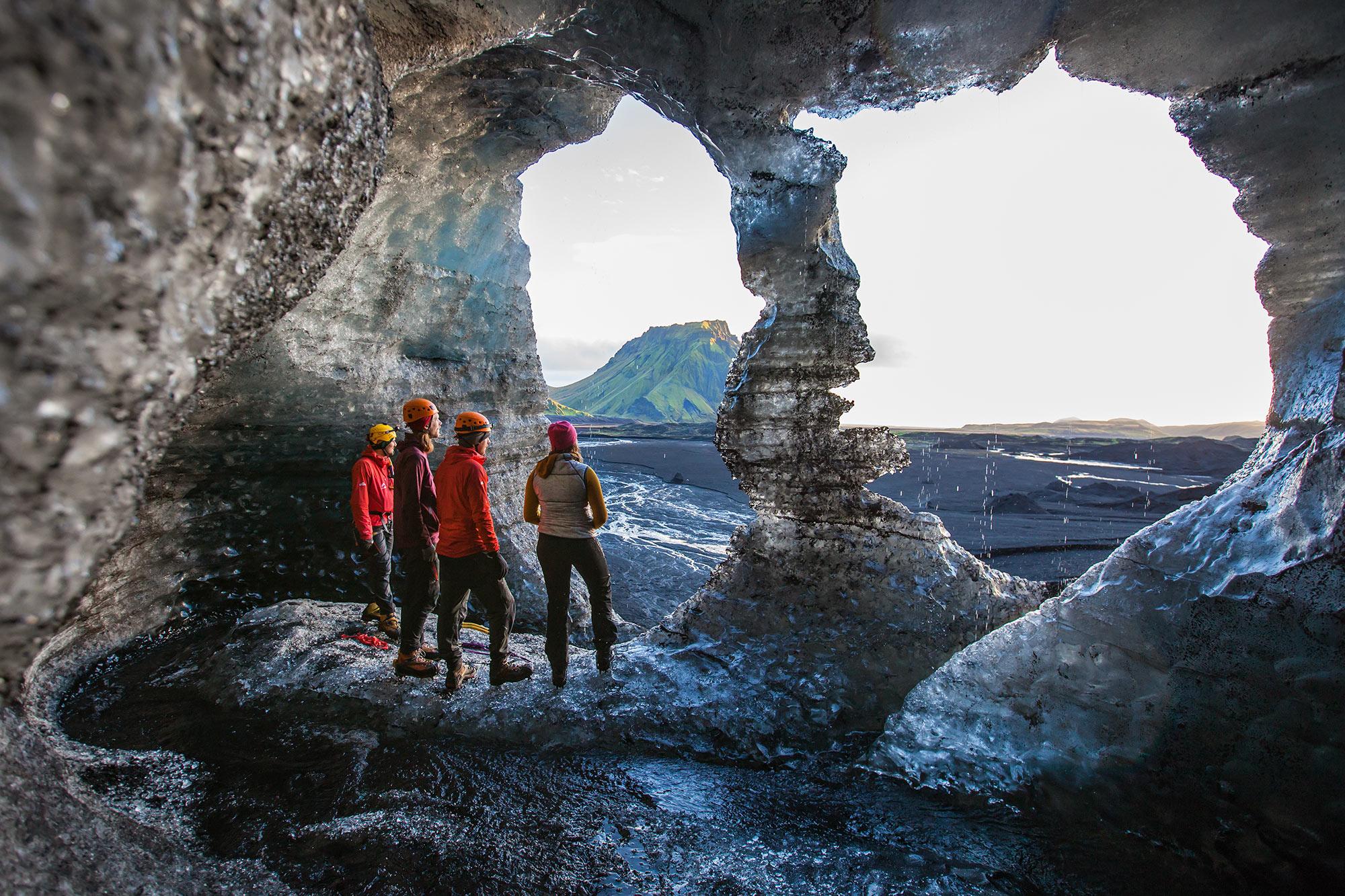
The Secret Ice Cave
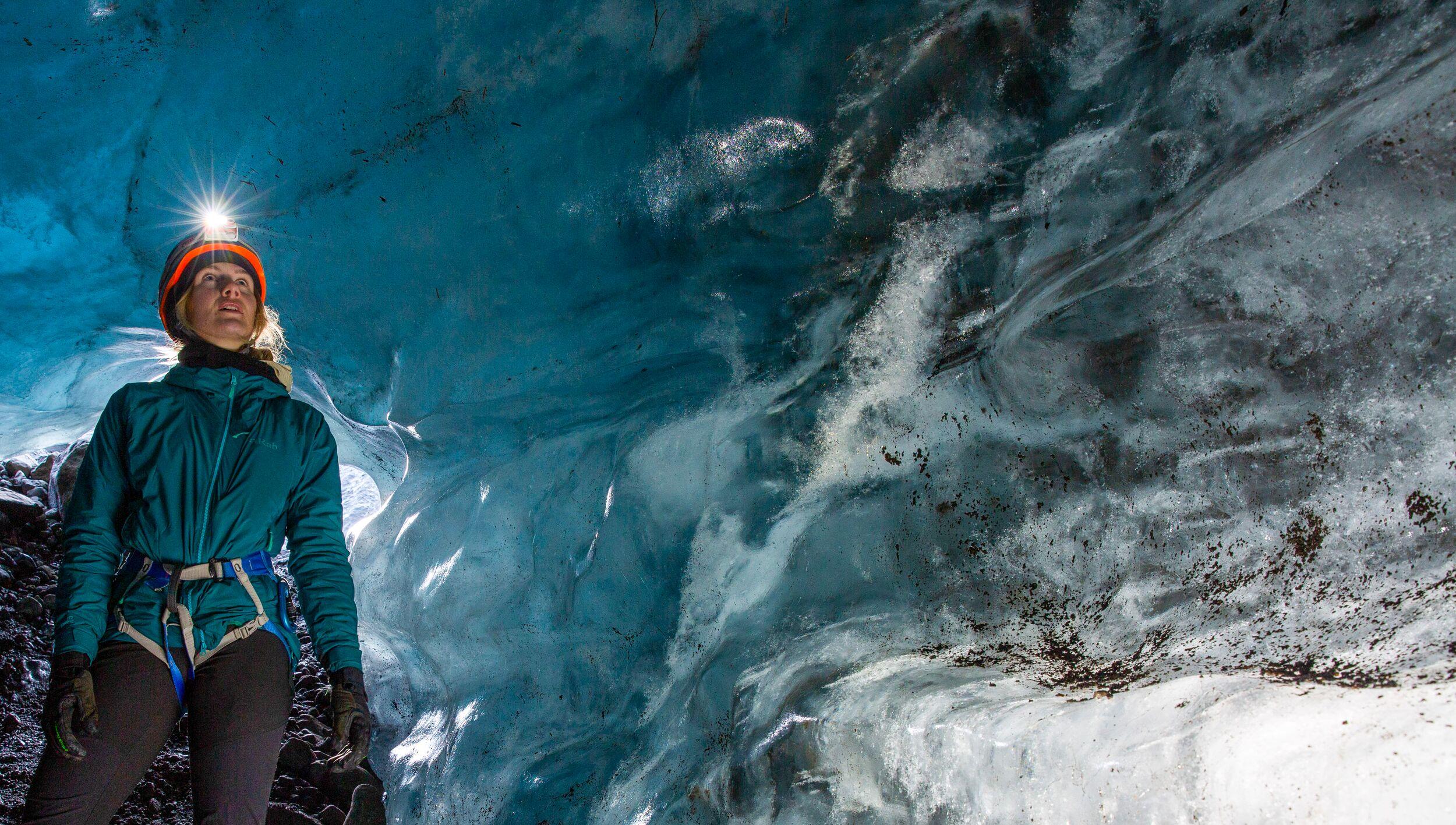
Sólheimajökull Glacier Hike and Ice Cave Exploration
Skaftafell Blue Ice Cave Tour & Glacier Hike
Choosing the Right Experience For You
When comparing glacier activities, the best choice depends on timing, fitness, and what kind of experience you’re seeking.
Glacier walks offer movement and broad exploration, while exploring an ice cave provides a more immersive, visual experience. Glacier walk tours are also run year-round, making them the go-to experience no matter when you visit Iceland.
Choose an ice cave tour in Iceland if you’re visiting in winter and want dramatic visuals with lower physical effort. Choose a glacier walk if you want time on the ice and flexibility in season.
Ice climbing is ideal for those seeking a hands-on challenge and skill development. It’s the most physically demanding option but also the most focused and technical.
In short:
- Best for beginners: Glacier walks
- Best for winter visitors and photographers: Ice cave tours
- Best for adventure seekers: Ice climbing
Ready to Meet Iceland’s Glaciers Up Close?
Glaciers are not just scenery in Iceland, they are storytellers. They carry the marks of past eruptions, the memory of colder ages and the reality of a warming world. Whether you walk across their surface, climb their frozen walls, or step inside their hidden chambers, you come away with a deeper understanding of the forces that shape this island.
There is no single “best” way to experience a glacier, only the one that fits your journey, your season and your sense of adventure. What they all share is a sense of awe: the feeling of standing on ancient ice, aware of its power, its fragility and its quiet majesty.
To experience Iceland’s glaciers up close is to encounter the island at its most elemental and to carry that memory long after the ice has disappeared behind you.
FAQs
What’s the difference between a glacier walk and an ice cave tour in Iceland?
A glacier walk takes you out onto the surface of a glacier. You hike across ice fields, explore crevasses and see the layered textures of ancient ice with the landscape unfolding all around you. In contrast, an ice cave tour brings you inside the glacier. You walk through natural tunnels and chambers carved by meltwater and winter cold, surrounded by glowing blue ice walls. Glacier walks focus on movement across the ice; ice cave tours focus on immersion into frozen spaces.
Do I need prior experience for ice climbing on a glacier?
No previous experience is required to try ice climbing on a glacier with an expert guide. Climbing gear is provided and guides teach essential techniques on the ice. That said, a basic level of fitness and a willingness to learn new skills will make the experience smoother and more enjoyable.
When is the best time of year for each experience?
- Glacier walks: Available year-round. Summer offers long daylight and softer snow conditions; winter brings dramatic snowy landscapes.
- Ice cave tours: Most reliably offered in winter months, when cold weather stabilises the caves and the formations are safe to enter.
- Ice climbing: Can be done in many seasons, but colder months generally provide the best, most solid ice for climbing.
Seasonal accessibility varies with weather and ice conditions, so guides adjust plans to match safety and quality.
How physically demanding is each option?
All activities require a reasonable level of fitness and good balance on ice.
- Glacier walks: Moderate physical activity. You’ll hike on uneven ice with crampons, but no climbing skills are needed.
- Ice cave tours: Low to moderate. Walking inside ice caves is less strenuous, though footing can be uneven.
- Ice climbing: More physically demanding, as you’ll be ascending vertical or near-vertical ice using tools and techniques taught on the tour.
What gear do I need for glacier activities?
For glacier-based tours, you’ll be equipped with essential safety gear such as crampons, a helmet, harness and ice axe, when appropriate. Guests should wear warm, layered clothing suitable for winter conditions—insulated jacket, waterproof pants, gloves, and sturdy hiking boots. Guides will provide specific gear instructions before your tour.
How long do these tours typically last?
Exact durations depend on the specific tour and conditions on the day.
- Glacier walks: Around three to five hours, including gearing up and walking to/from the glacier.
- Ice cave tours: Usually three to four hours, depending on access and travel to the cave location.
- Ice climbing tours: Often a full day, commonly five to eight hours, as you learn techniques and practice on multiple routes.
Are children or beginners able to join these tours?
Yes, many glacier experiences are suitable for beginners. Glacier walks and ice cave tours are especially accessible to first-timers and travellers without technical experience. Children can join based on age and physical capability, but all participants must be able to walk on icy terrain and follow safety instructions. Ice climbing welcomes beginners too, though it demands more strength and focus.
Where are glacier tours located in Iceland?
Glacier experiences are offered on several of Iceland’s iconic glaciers. Popular locations include outlet glaciers along the South Coast and in the southeast, where access from main roads makes day tours manageable. Your guides will choose precise departure points based on conditions and your tour type.
Can I combine experiences (e.g., glacier walk + ice cave)?
Yes! Many travellers enjoy combining glacier activities into a full day or multi-day adventure. For example, you might do a glacier walk in the morning and an ice cave tour in the afternoon when conditions allow. Combining experiences lets you see more sides of the glacier landscape and adds variety to your trip.
How do I choose the right glacier experience for my trip?
Think about what you want to feel and see:
- Choose a glacier walk tour in Iceland if you want a classic first-time adventure on the ice and an all-around introduction to glacier terrain.
- Choose an ice cave tour in Iceland if you’re visiting in winter and love dramatic ice formations and photography opportunities.
- Choose glacier ice climbing tour in Iceland if you want a challenge and enjoy learning a technical outdoor skill.
Your fitness level, season of travel, and sense of adventure will help guide the choice. Guides are happy to recommend the best fit for you!
Keep me informed about the Icelandic Mountain Guides Blog
Outdoor adventure in Iceland is our specialty. Subscribe to our free monthly newsletter to learn when to go, what to do and where to have the best adventures in Iceland.
Related Blog Posts
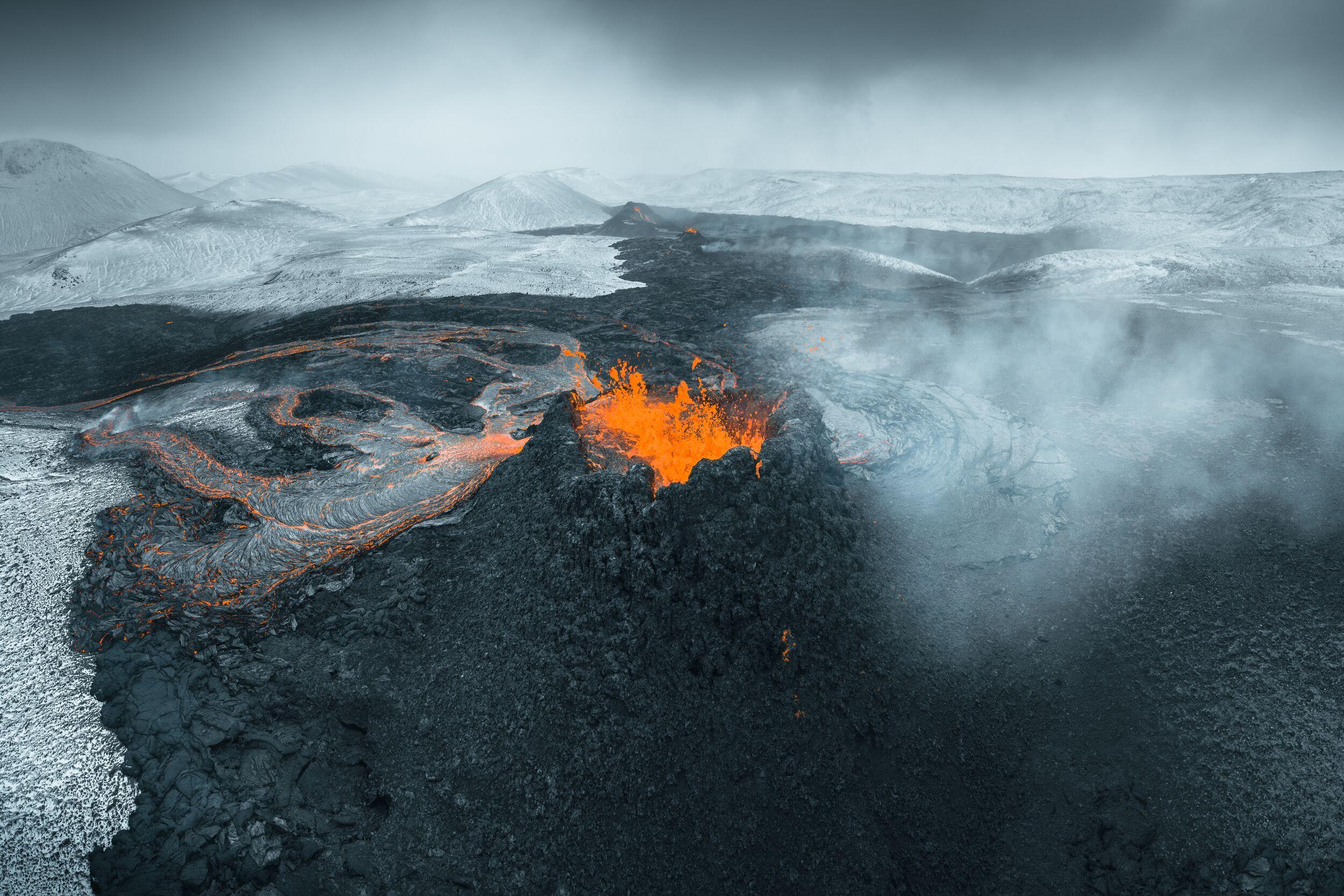
Glaciers and Volcanoes Iceland: Where Ice Meets Fire
2026-01-05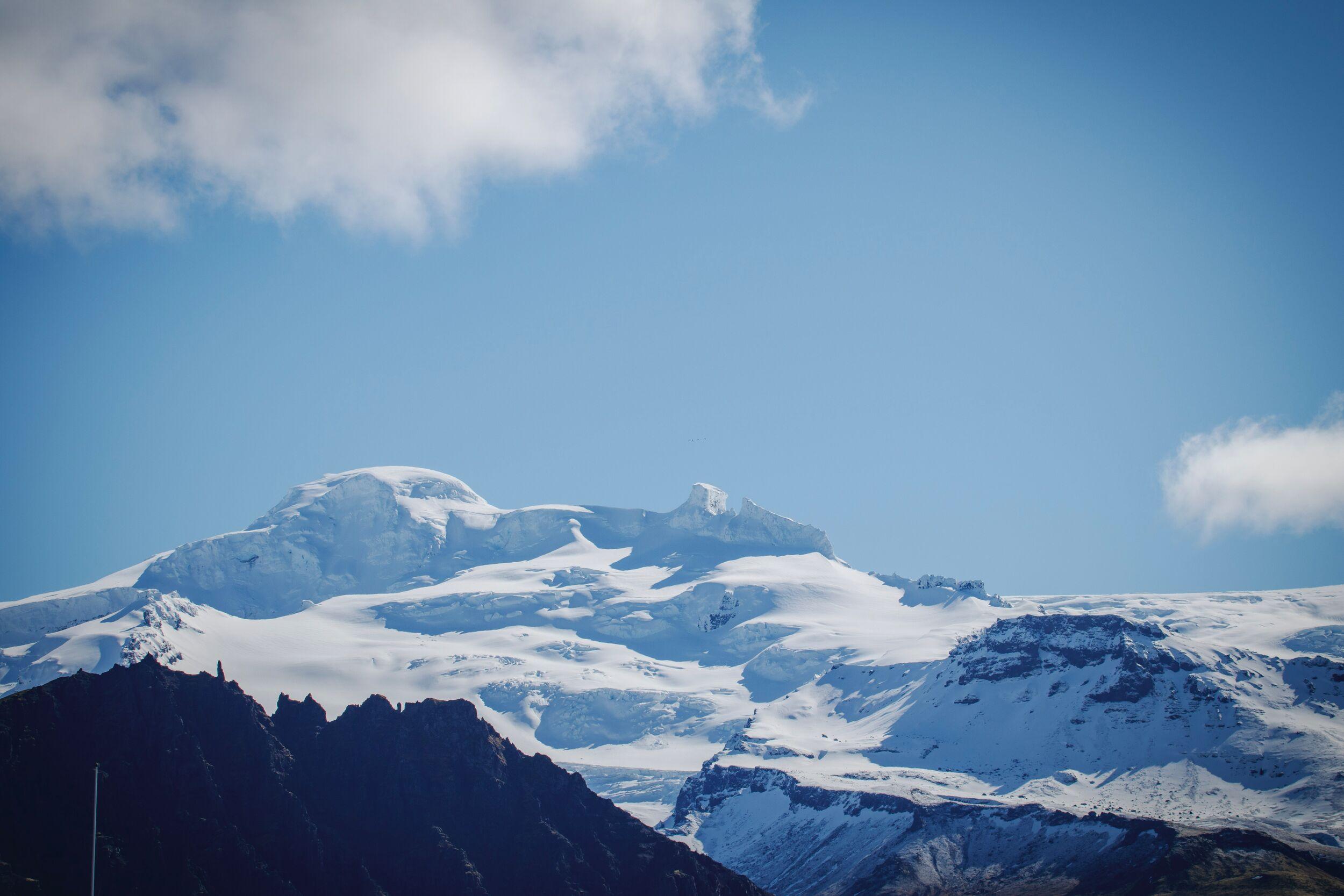
Summer vs. Winter Glacier Adventures
2025-12-23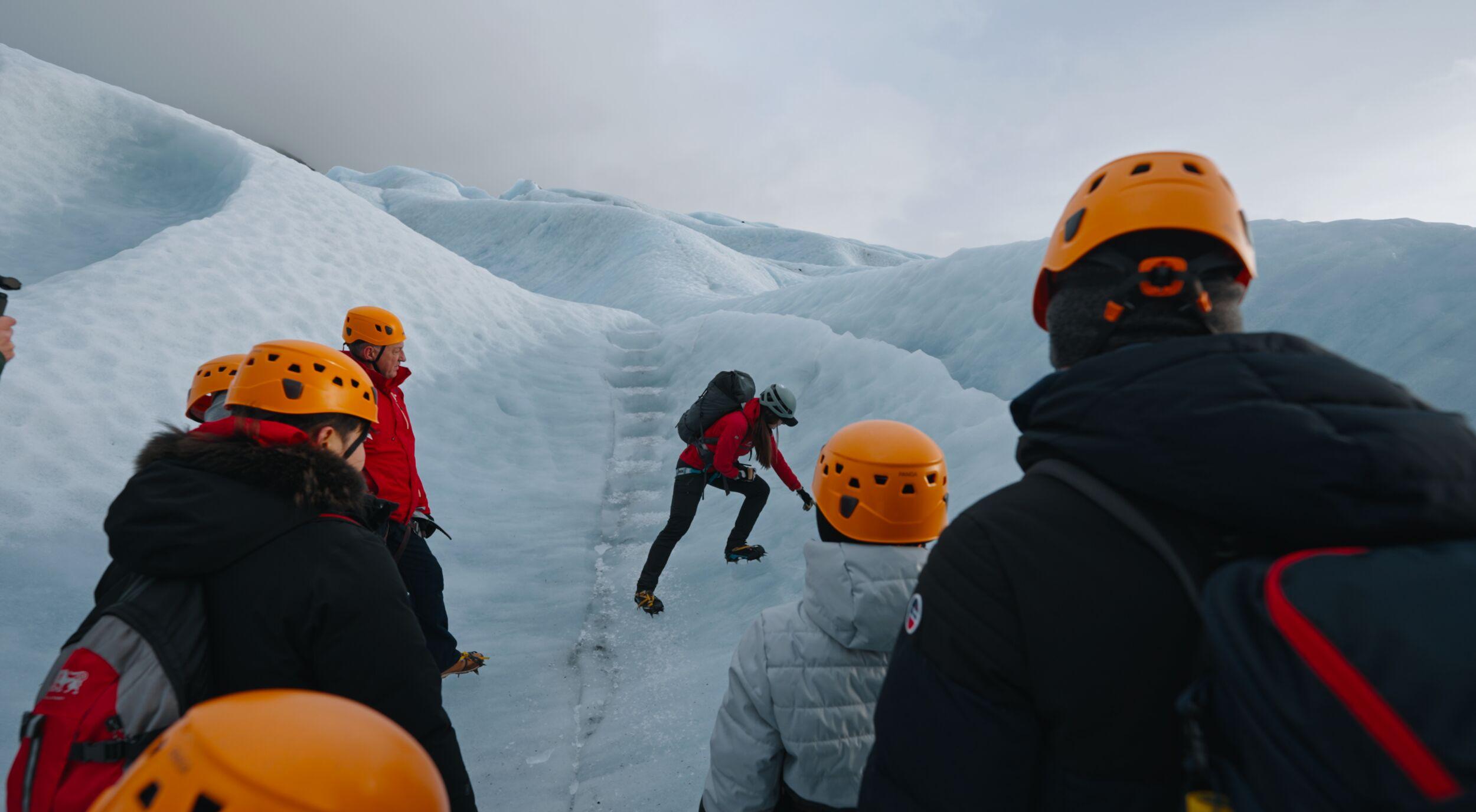
Which Iceland glacier should you visit in winter?
2025-12-09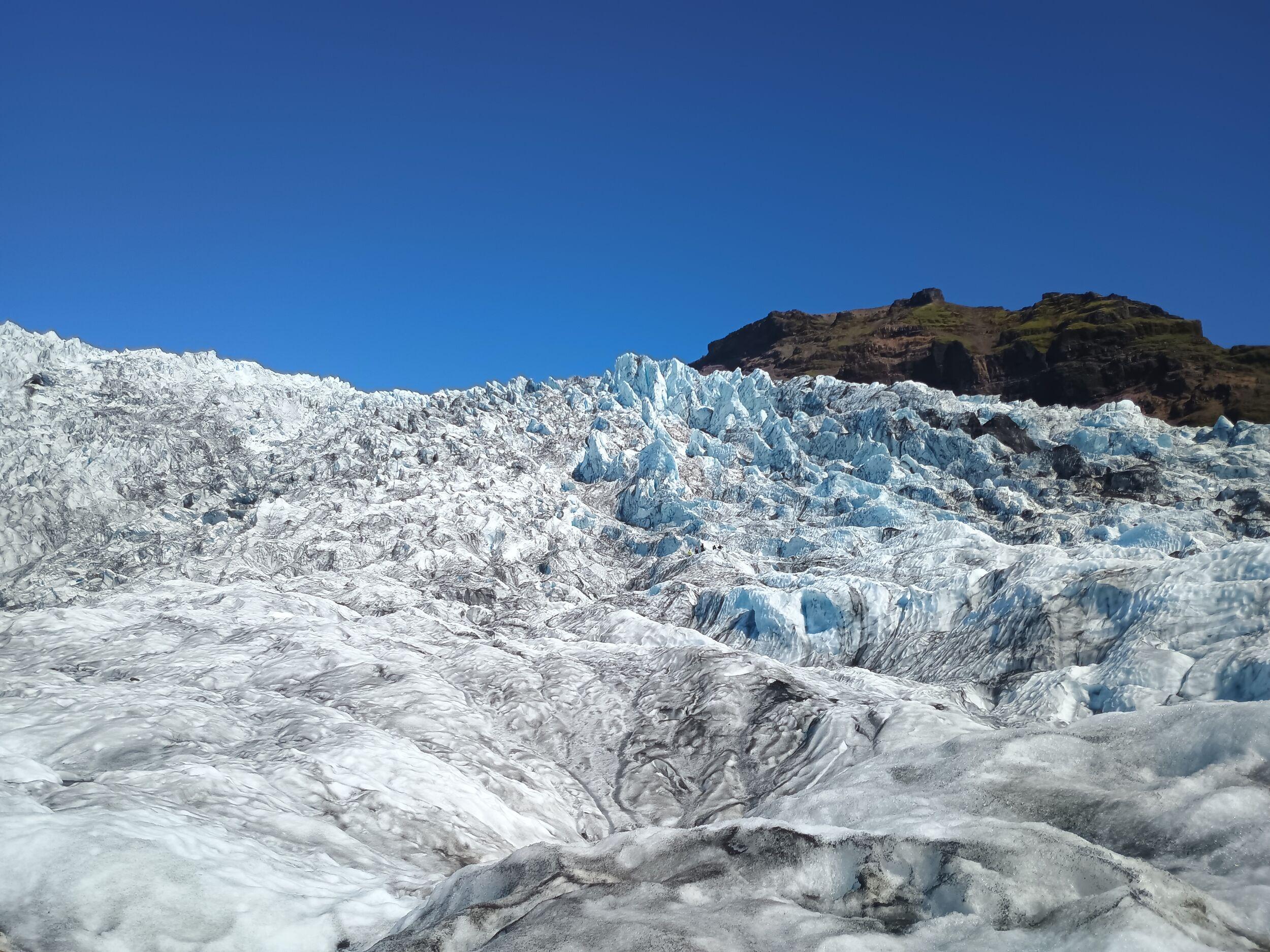
The Science of Glaciers - Discovering Iceland's Frozen Giants
2025-11-12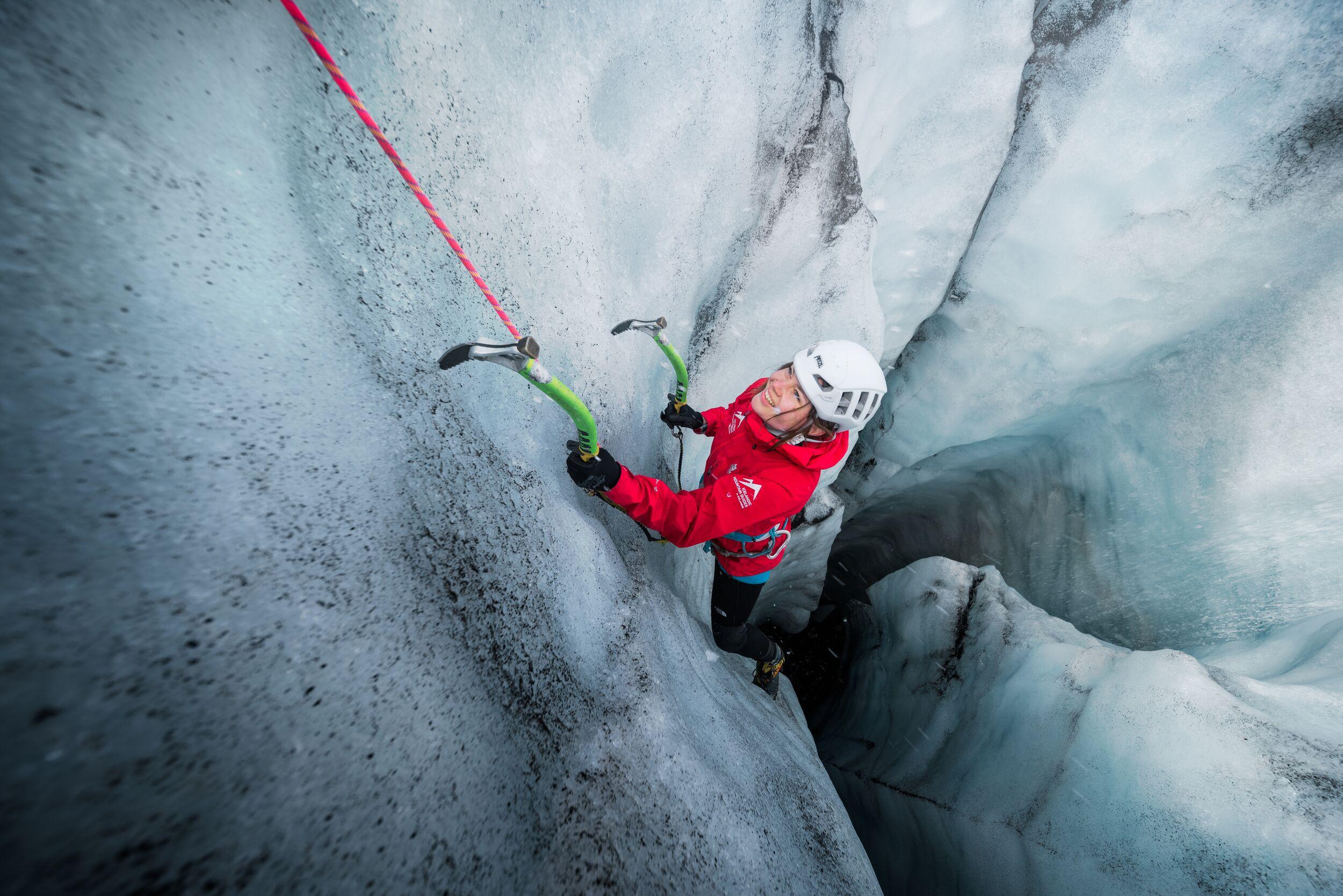
Ice Climbing in Iceland – Ultimate Guide to Glacier Adventures and Tours
2025-01-02
Related Tours
The Secret Ice Cave
Skaftafell Ice Climbing
Sólheimajökull Glacier Hike and Ice Cave Exploration
Skaftafell Blue Ice Cave Tour & Glacier Hike