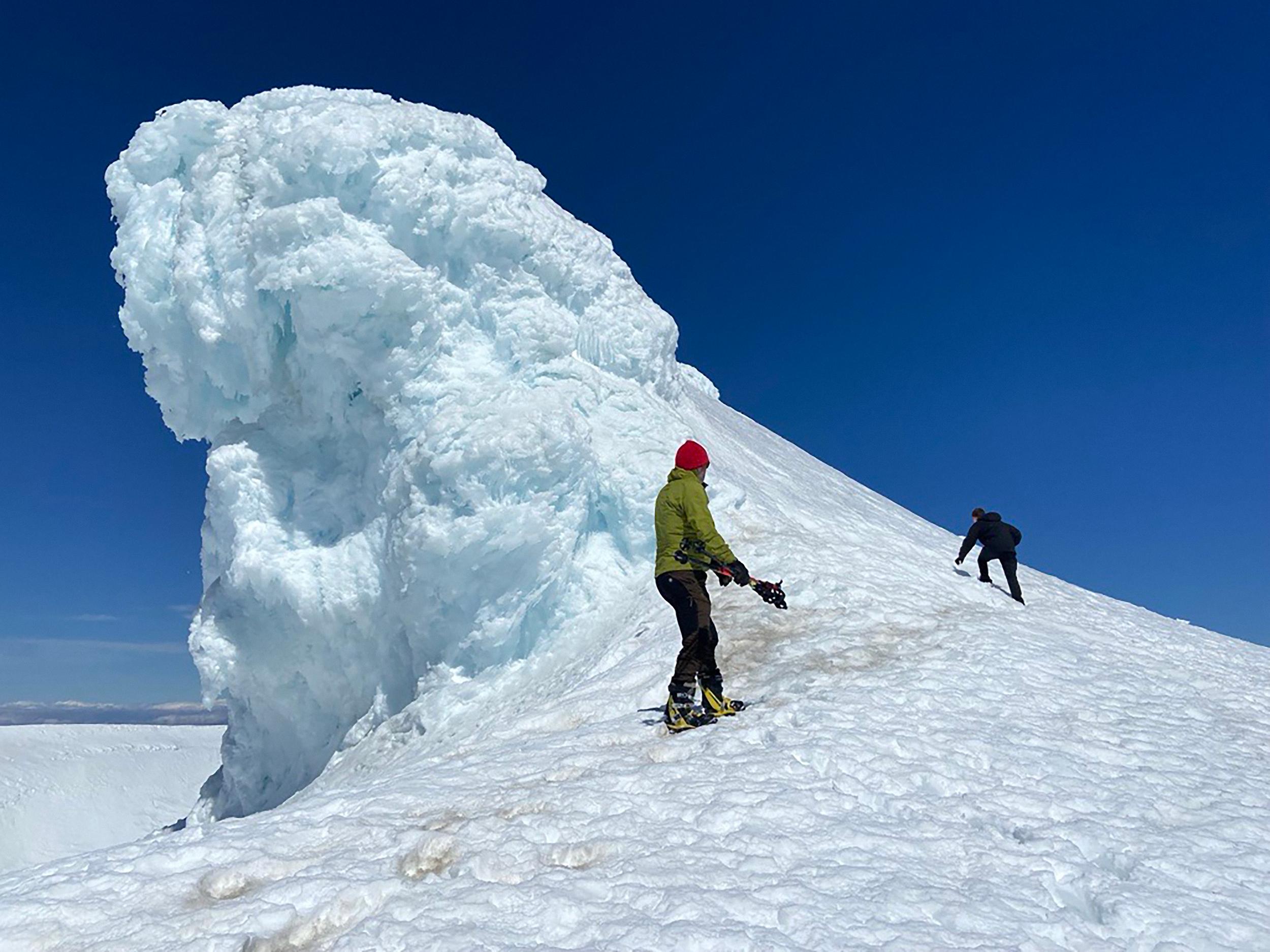
Summer vs. Winter Glacier Adventures
| glaciers, Travel Guide, All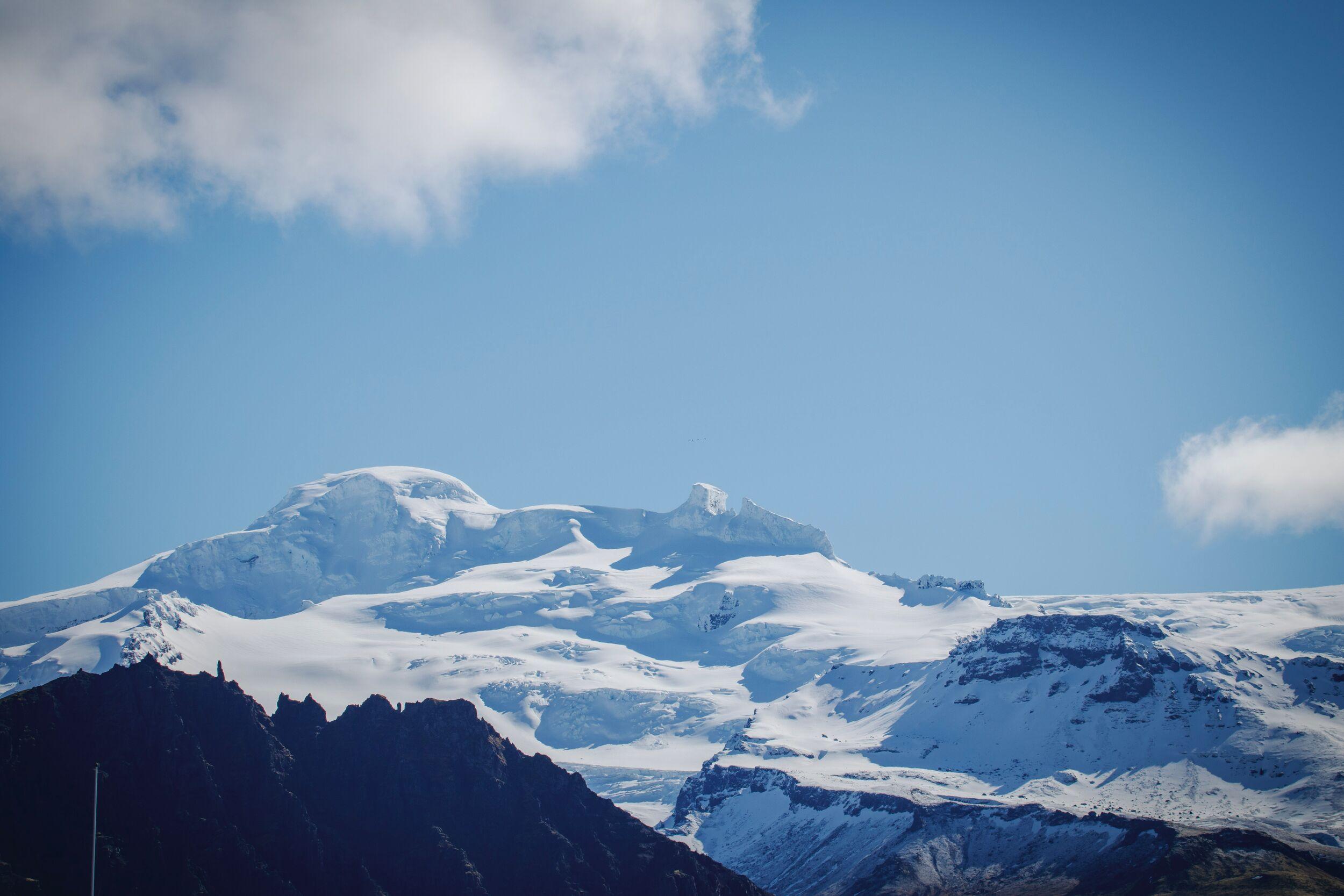
Glaciers are some of Iceland’s great constants — and some of the greatest surprises to visitors. They loom large on maps and horizons, appearing as immovable as a mountain. But they’re anything but static. From season to season, the ice changes colour, texture and personality. Crevasses form and close. Snow accumulates, melts and then falls again. Meltwater carves channels in summer; silence and stillness take over in winter.
Exploring an Icelandic glacier is a powerful experience at any time of year, but summer and winter glacier-walk tours feel distinctly different. Each season reveals its own side of the ice, offering travellers unique scenery, conditions and moods. Some people are drawn to endless daylight and sweeping views; others crave deep blue ice, frozen caves and the quiet of winter.
If you’re planning a glacier walk in Iceland and wondering when to go, understanding these seasonal differences can help you choose the experience that best fits your sense of adventure.
Read on to better understand Iceland’s glaciers throughout the year and pick which season is best for your adventure on the ice.
A Living, Moving Landscape
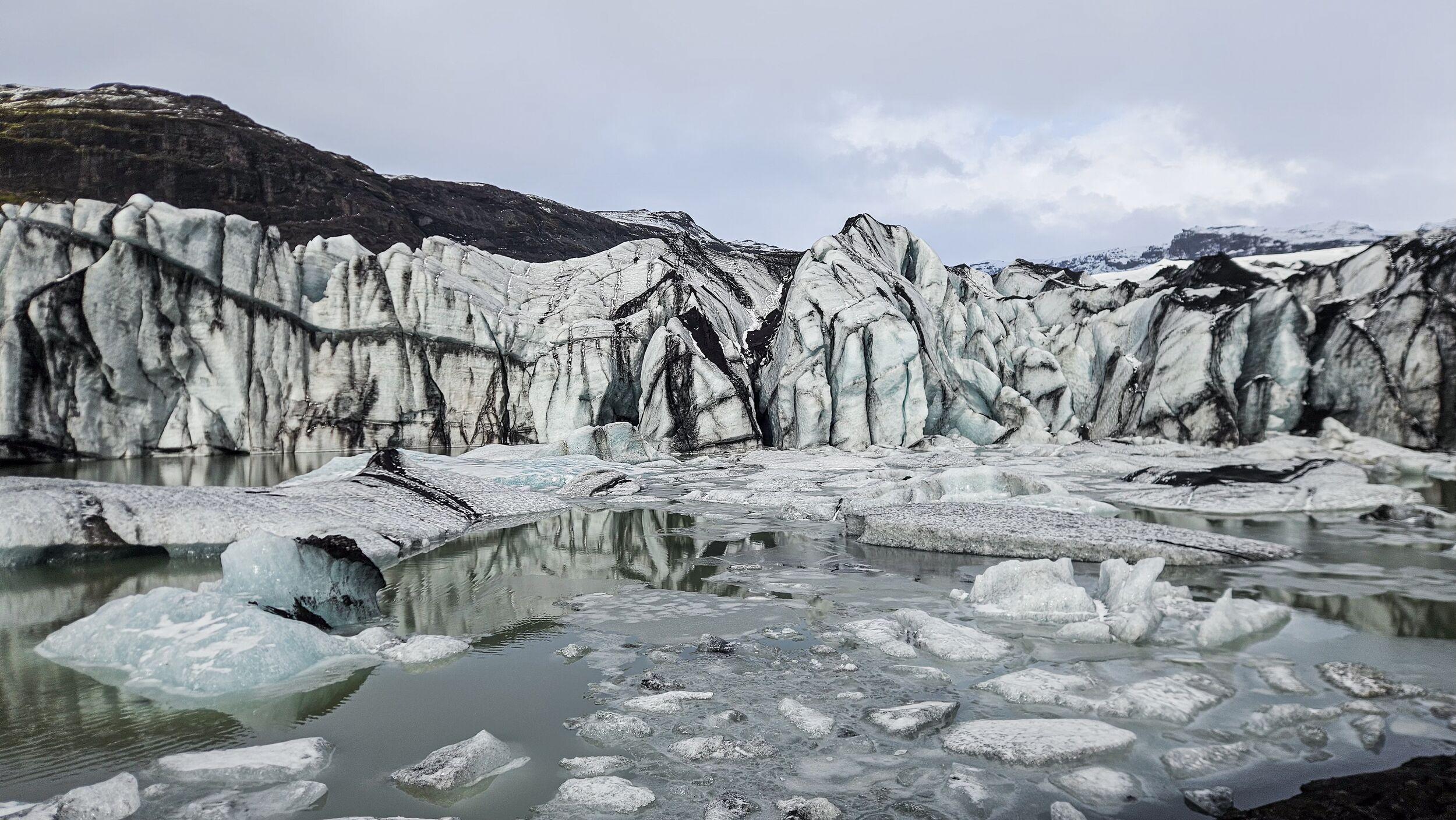
Glaciers cover around 11% of Iceland’s surface, shaping the country’s valleys, mountains, rivers and coastlines. These vast bodies of ice are constantly in motion, flowing downhill under their own weight and responding to temperature fluctuations, snowfall and the volcanic heat emanating from the land beneath them.
Walking on a glacier is not like walking on snow or rock. The surface is textured and alive, having been ridged, cracked, polished and sculpted by time. You might hear water running beneath your feet or the distant creak of shifting ice. The experience is immersive, sensory and deeply connected to the rhythms of nature.
What makes glacier walks in Iceland especially fascinating is how dramatically the experience changes with the seasons. The same glacier can feel like two entirely different worlds depending on whether you visit under the midnight sun or winter twilight.
A Quick Tour of Iceland’s Glaciers Through the Seasons
Iceland’s glaciers don’t simply shrink and grow; they transform. In summer, the ice reveals its structure. Snow melts away from higher elevations, exposing layers of blue ice streaked with volcanic ash from past eruptions. Meltwater pools shimmer on the surface and deep crevasses become visible windows into the glacier’s interior.
In winter, snow blankets the ice once again, smoothing some features and highlighting others. Colder temperatures slow surface melting, allowing ice caves to form where water has previously carved tunnels through the glacier. Light behaves differently too—low sun angles and long shadows give winter ice a dramatic, almost otherworldly glow.
These seasonal shifts affect everything from accessibility and tour options to scenery and atmosphere, which is why choosing between summer and winter glacier tours in Iceland is less about “best” and more about personal preference.
Summer Glacier Walks: Light, Space and Endless Views
What Summer Feels Like on the Ice
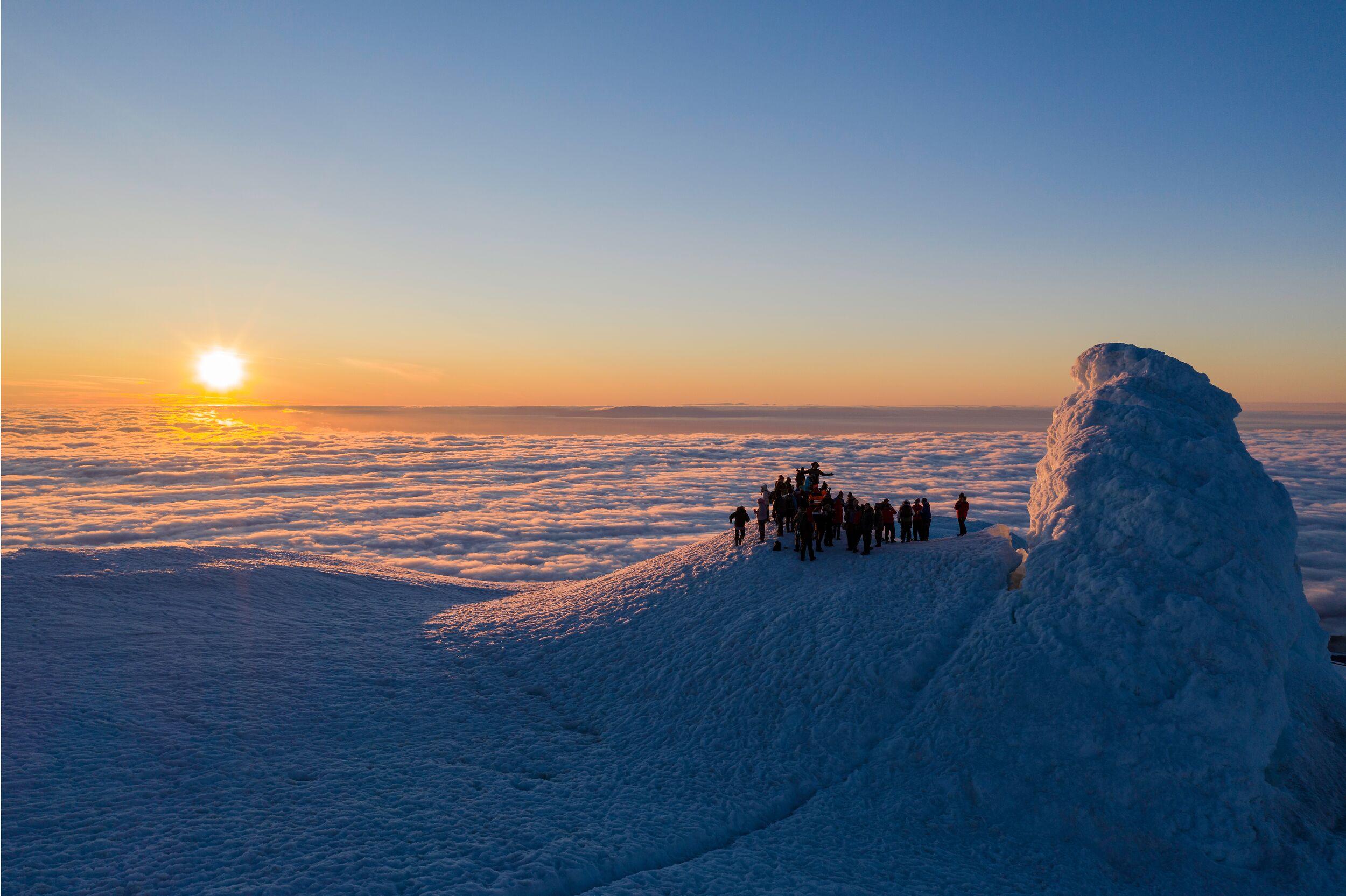
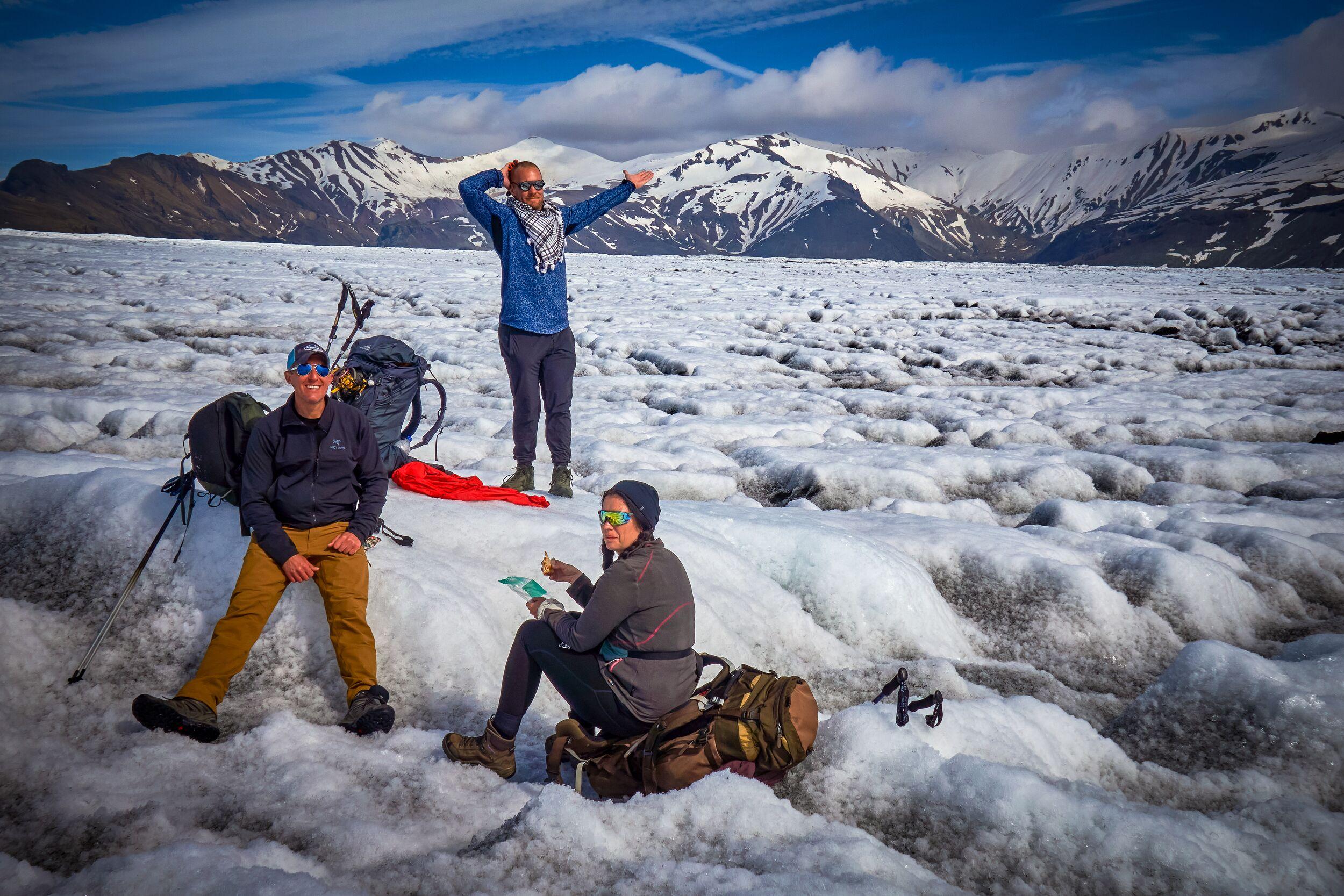
Summer in Iceland is defined by light. From late May through August, days stretch long—sometimes endlessly—allowing glacier walks to take place under bright skies and wide horizons. Temperatures are mild by Icelandic standards, and weather windows tend to be more forgiving.
Summer glacier tours feel expansive. You see farther, move more freely, and spend longer on the ice without battling extreme cold. This is the season when the glacier’s structure is most visible, offering a clear sense of how ice flows, fractures, and reshapes the land beneath it.
What You’ll See on a Summer Glacier Tour
On a summer glacier walk, you’re likely to encounter:
Exposed blue ice, polished smooth by melting snow
Visible crevasses opening into deep shades of blue
Meltwater streams and moulins cutting through the ice
Broad views of surrounding mountains, volcanoes, and valleys
Ash layers from historic volcanic eruptions often appear more clearly in summer, creating dark lines within the ice that tell stories of Iceland’s fiery past.
Accessibility and Experience Level
Summer is generally the most accessible season for glacier walks. Stable conditions, longer daylight and easier logistics make it an excellent choice for first-time glacier hikers and families with older children. Tours can move at a relaxed pace, with time to stop, learn, and explore.
For many travellers, summer glacier walk experiences in Iceland strike the perfect balance between adventure and comfort. They are immersive without being overwhelming.
IMG’s Top Picks For Summer Glacier Exploration
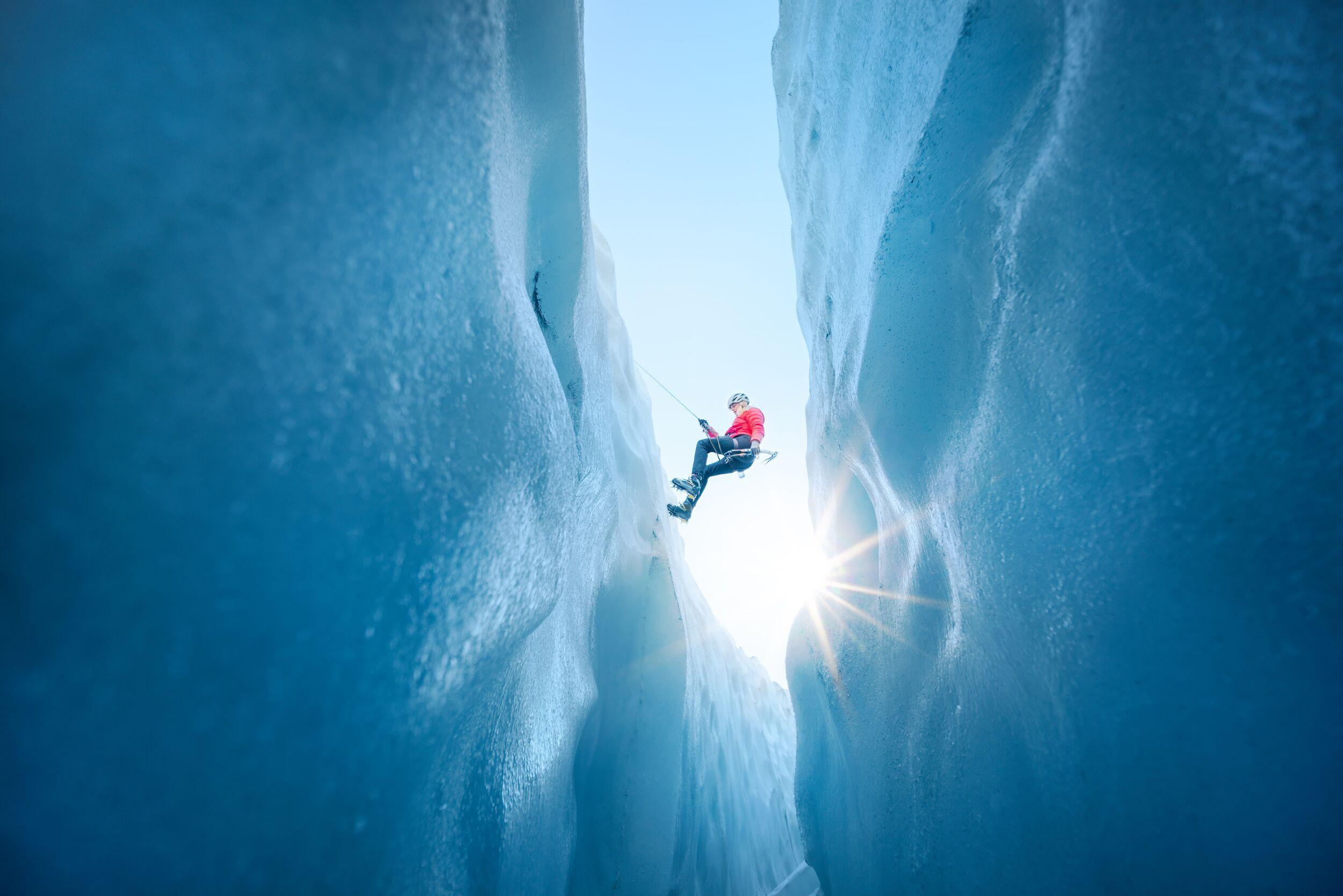
Skaftafell Glacier Hike and Ice Climbing
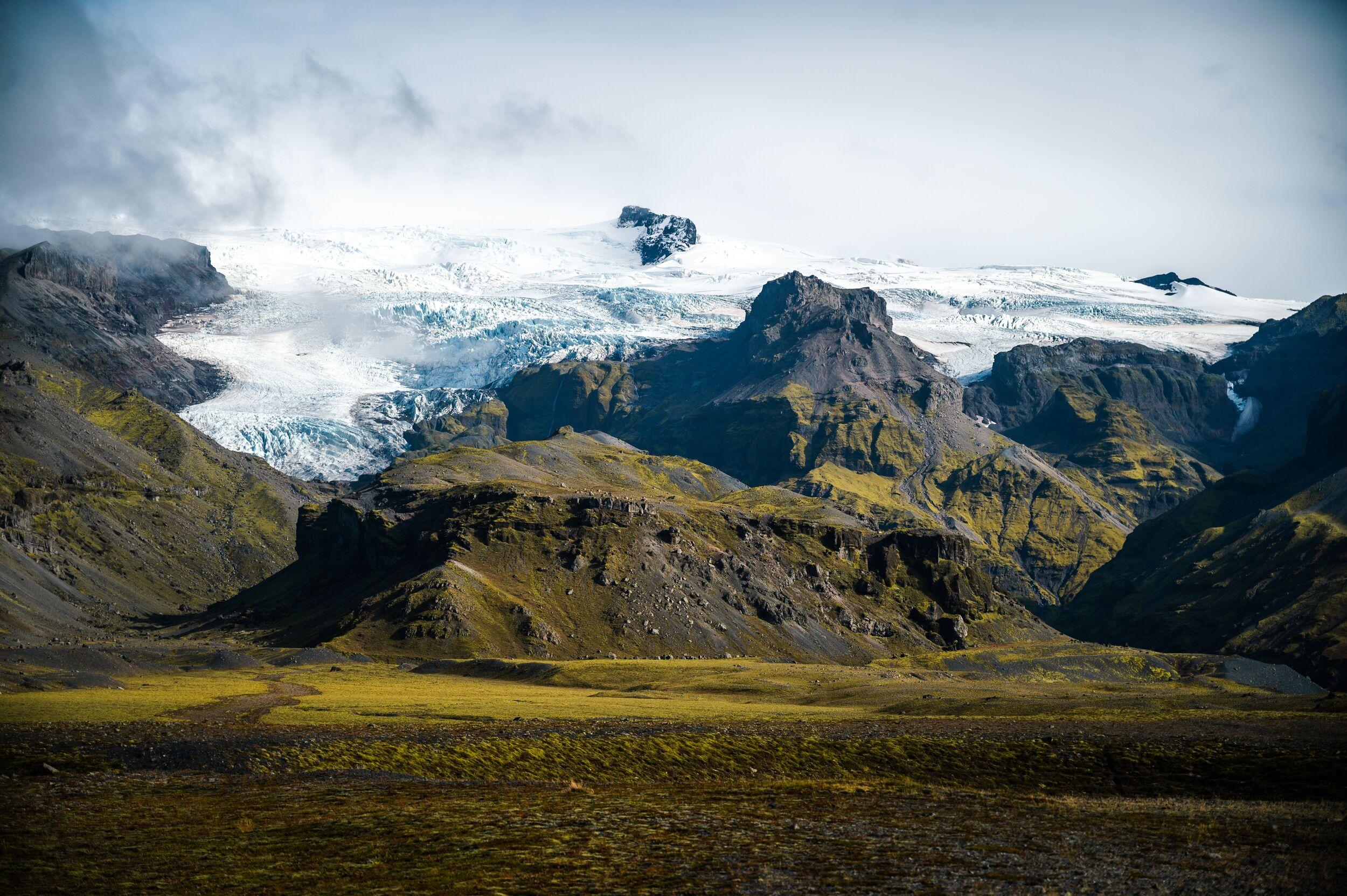
The Guide’s Choice - Custom Skaftafell Adventure
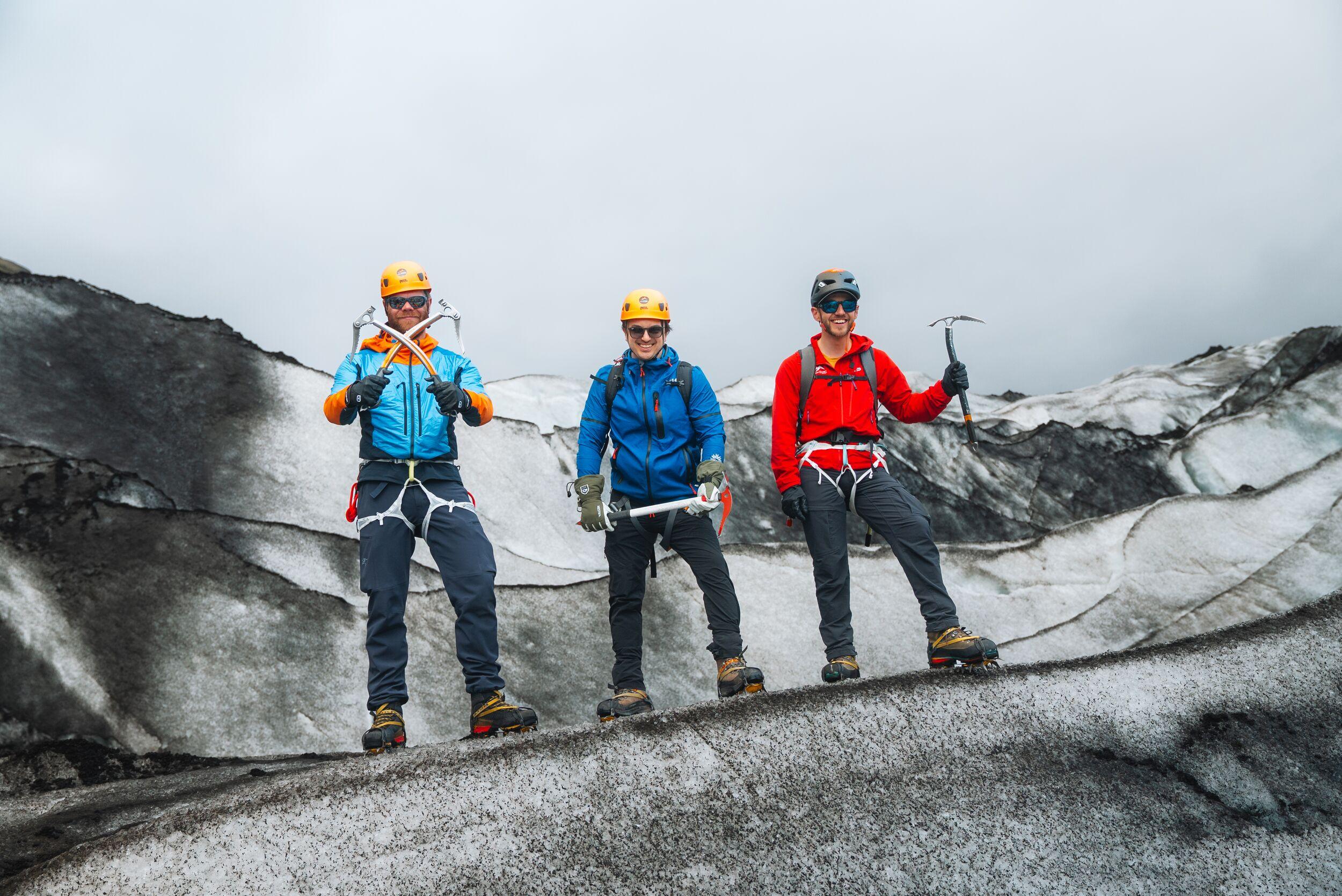
Glacier Exploration - 5.5-hour Sólheimajökull Glacier Hike
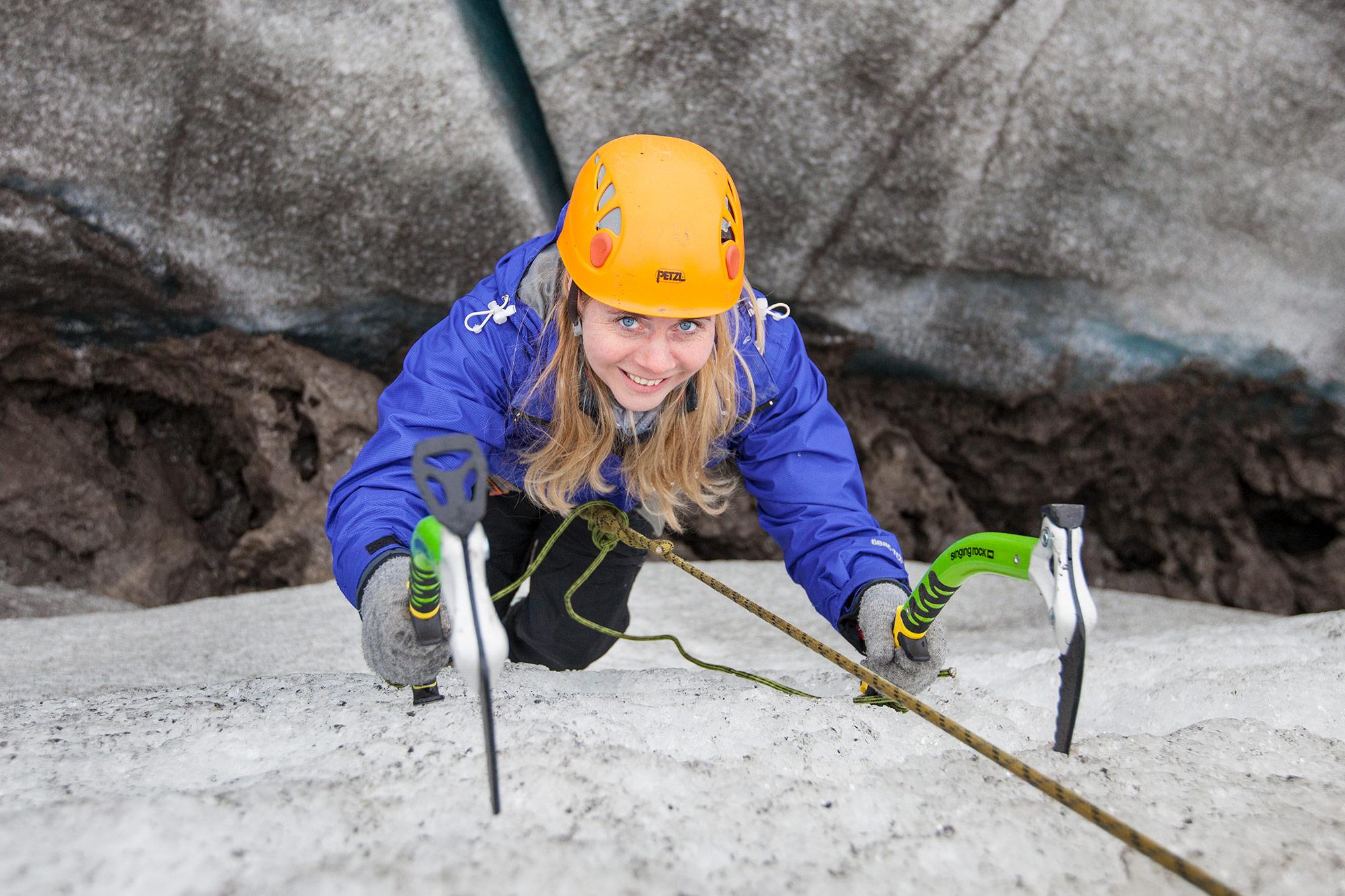
Skaftafell Ice Climbing
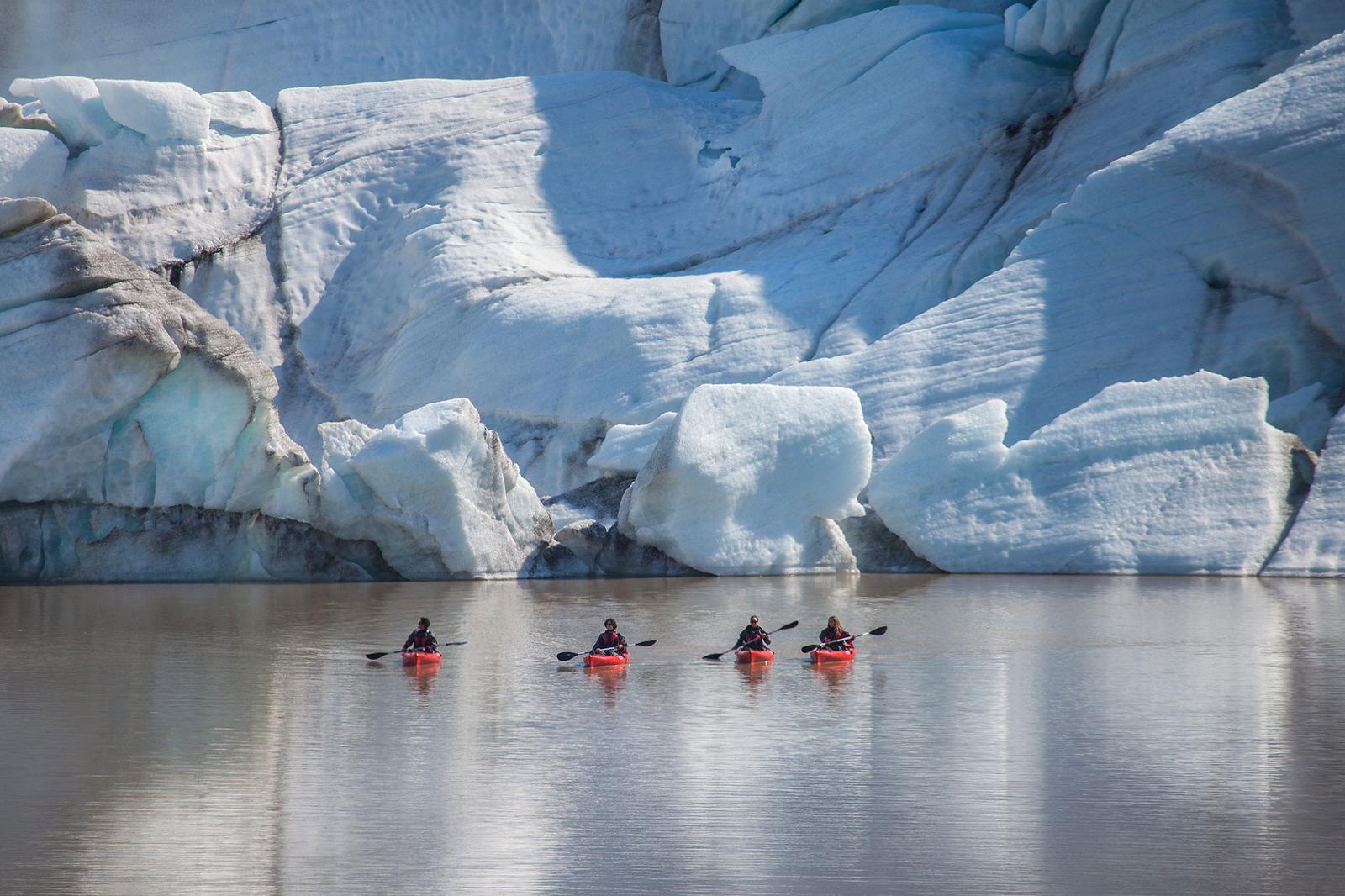
Glacier Hike & Kayak Combo
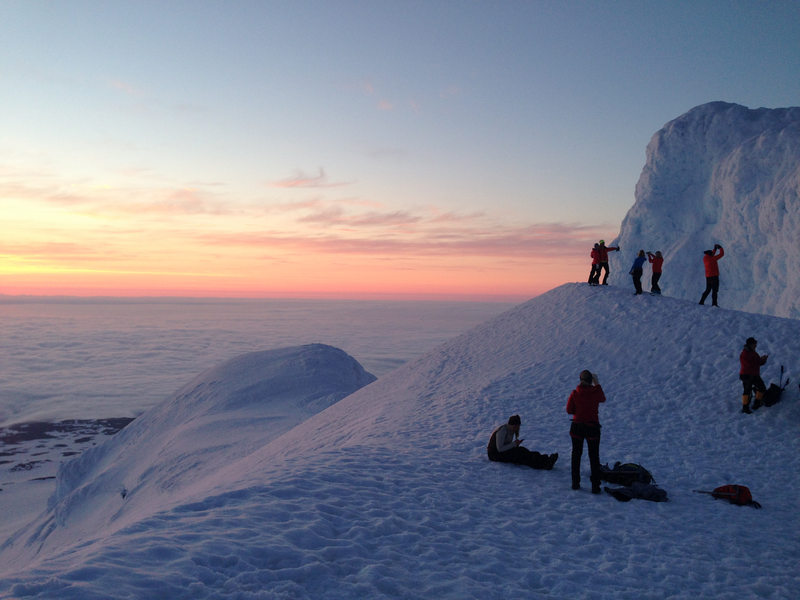
Winter Glacier Walks: Ice, Silence and Frozen Worlds
What Winter Feels Like on the Ice
Winter transforms Iceland’s glaciers into quieter, more intimate spaces. Freshly fallen snow absorbs sound, making the landscape feel hushed and still. Daylight is shorter, but the light itself is dramatic, with soft pastels, glowing horizons and deep blues that seem to emanate from within the ice.
Temperatures are colder and conditions more variable, but the reward is a sense of stepping into a frozen world few people ever experience.
Ice Caves and Other Winter-Only Features
One of the biggest differences between summer and winter glacier tours in Iceland is the opportunity to explore natural ice caves. These caves form when meltwater flows through the glacier in warmer months and then refreezes as temperatures drop, leaving behind tunnels and chambers of sculpted ice.
Winter glacier tours may include:
Naturally formed blue ice caves
Snow-covered glacier surfaces with dramatic textures
Frozen meltwater features and ice formations
A deeper sense of contrast between light and shadow
Each winter, ice caves form differently, making every season — and every visit — unique.
Conditions and Considerations
Winter glacier tours require more flexibility. Weather can change quickly and access depends on safety conditions. That’s why winter tours are always guided and carefully assessed day by day.
For travellers seeking a more atmospheric, visually striking experience, winter glacier tours and adventures in Iceland offer a powerful connection to the raw side of the landscape.
IMG’s Top Picks For Winter Glacier Exploration
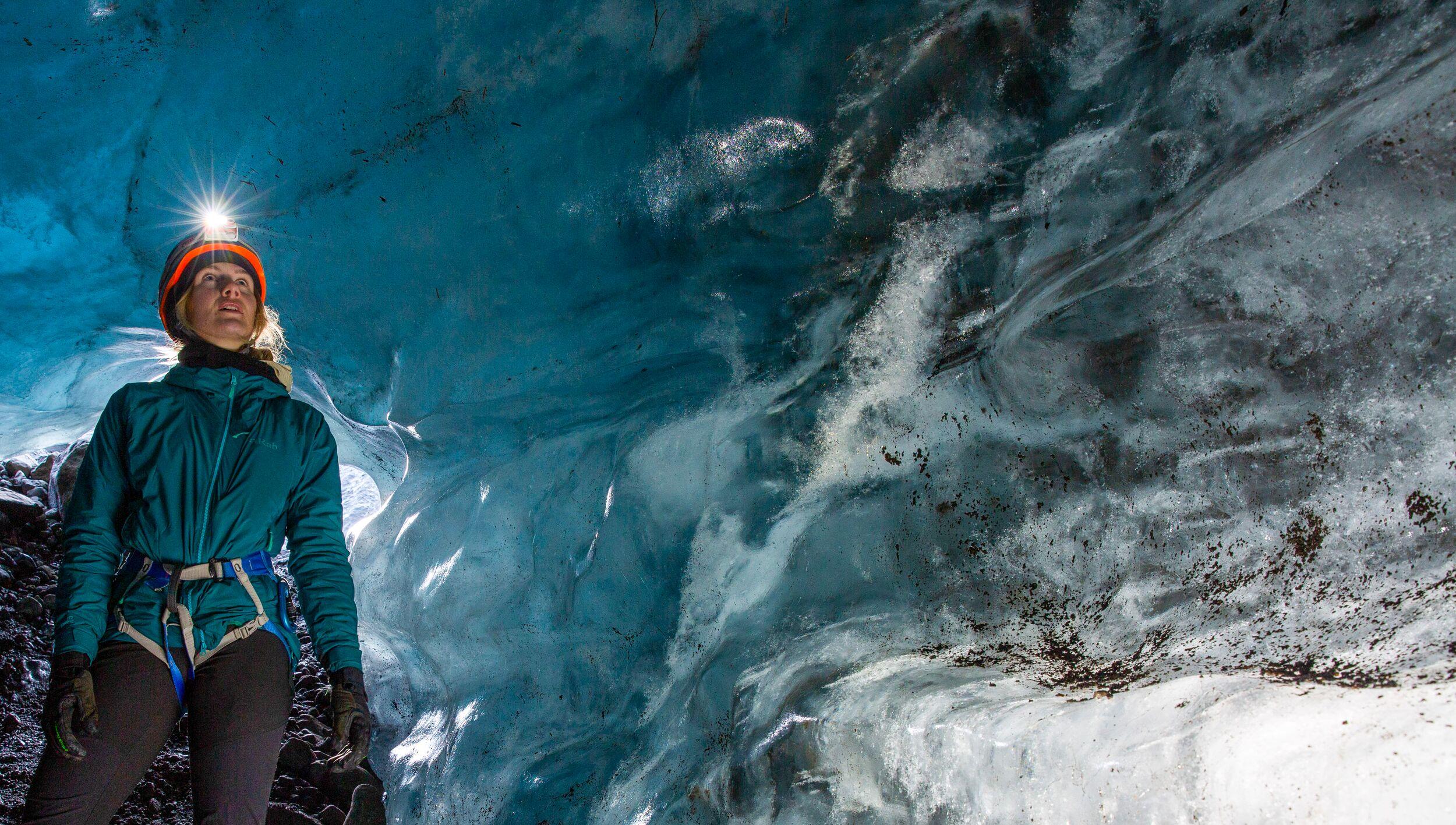
Sólheimajökull Glacier Hike and Ice Cave Exploration
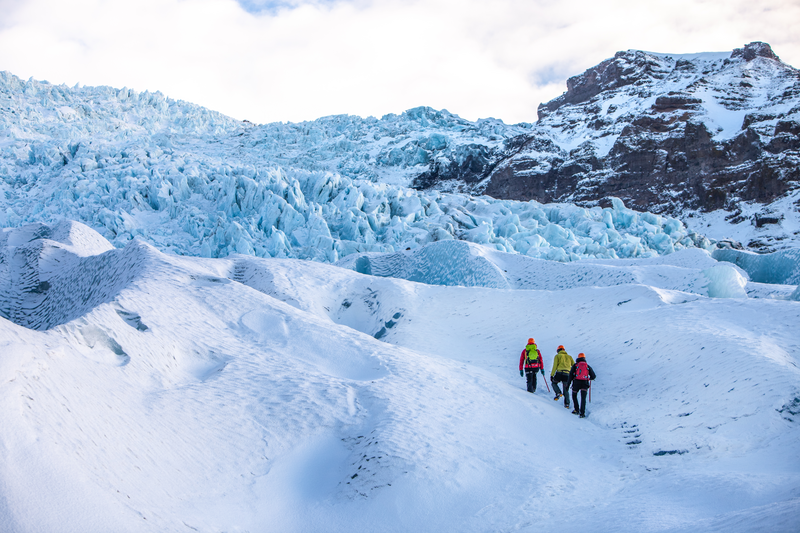
Skaftafell Blue Ice Cave Tour & Glacier Hike
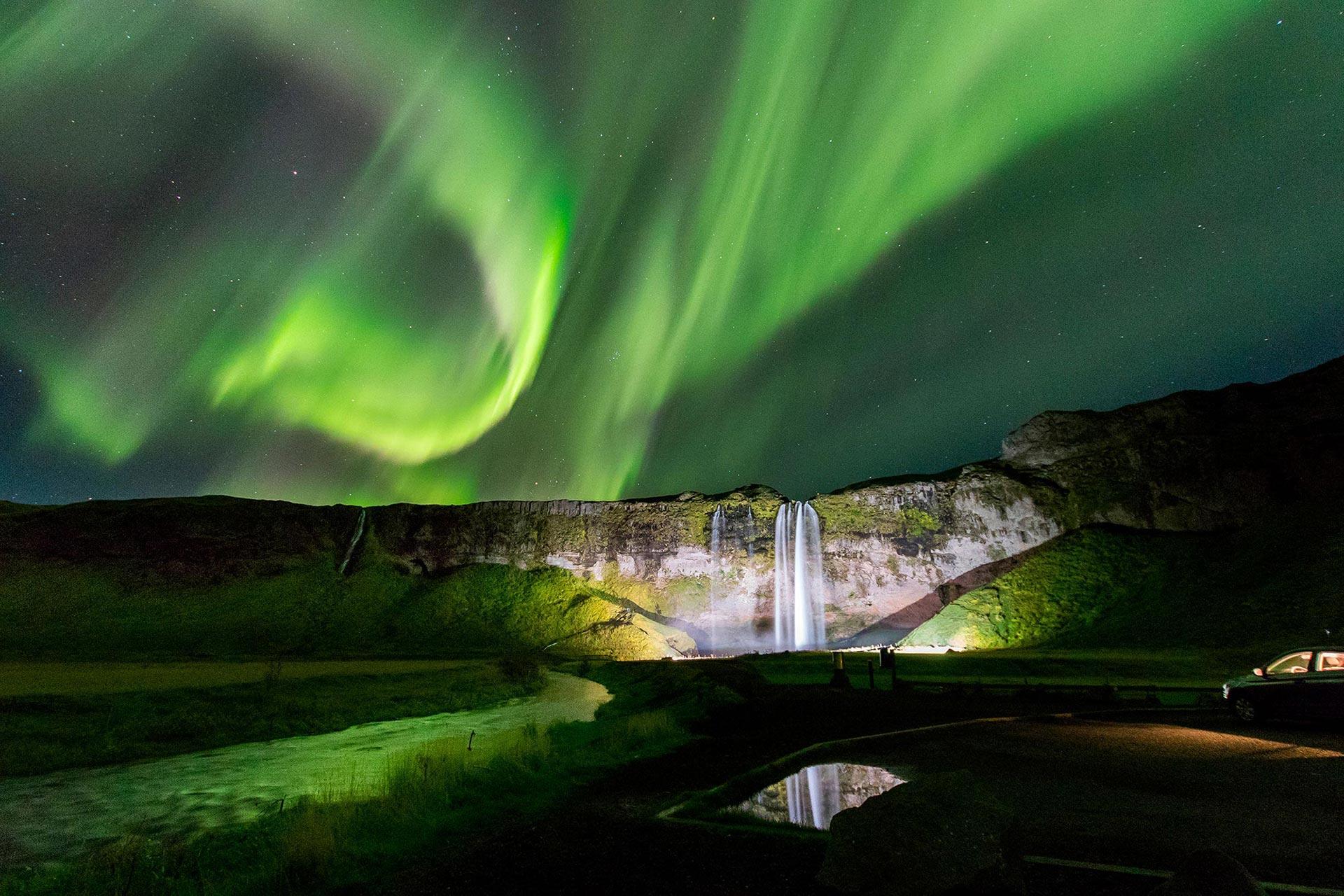
Glacier Walk & Northern Lights
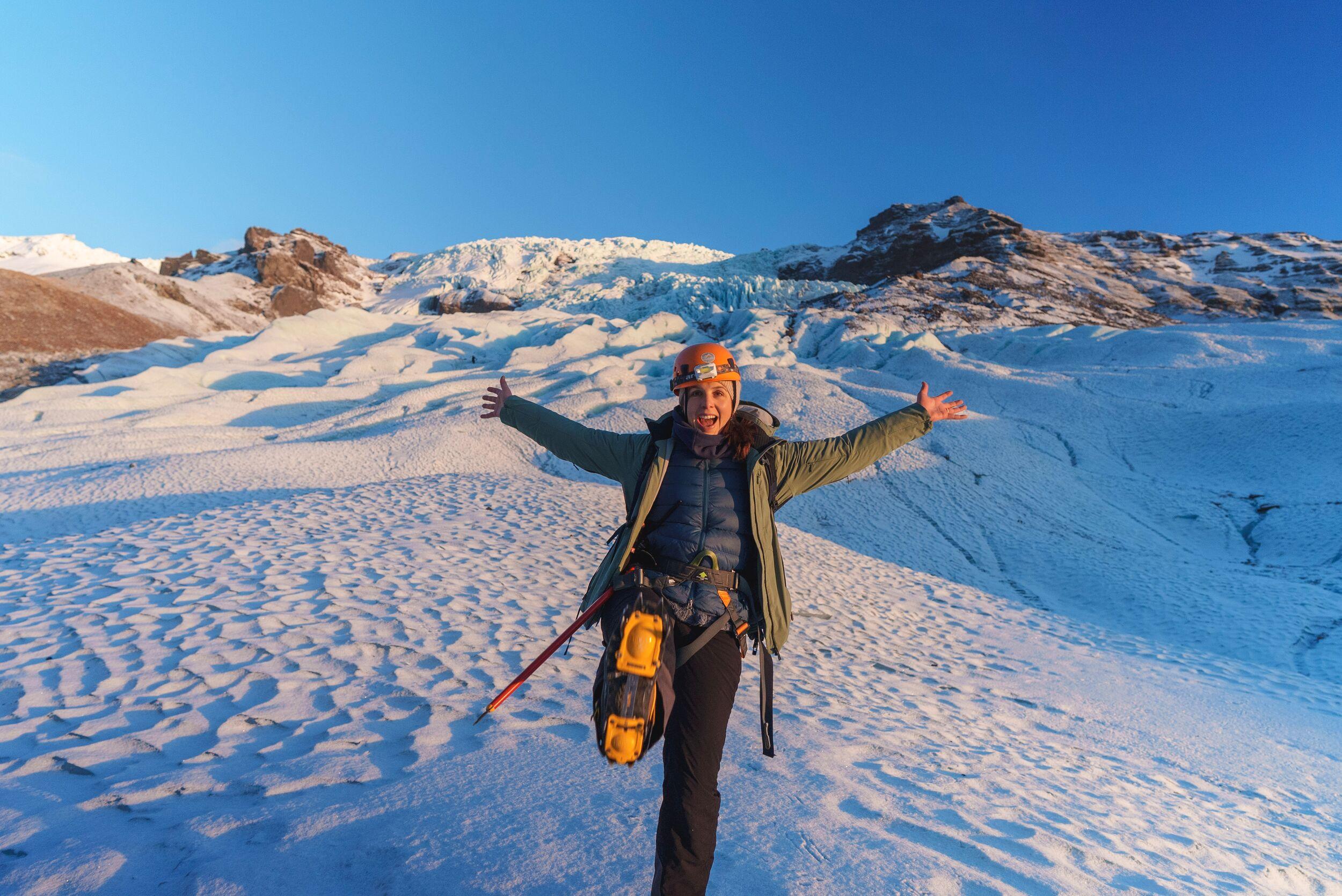
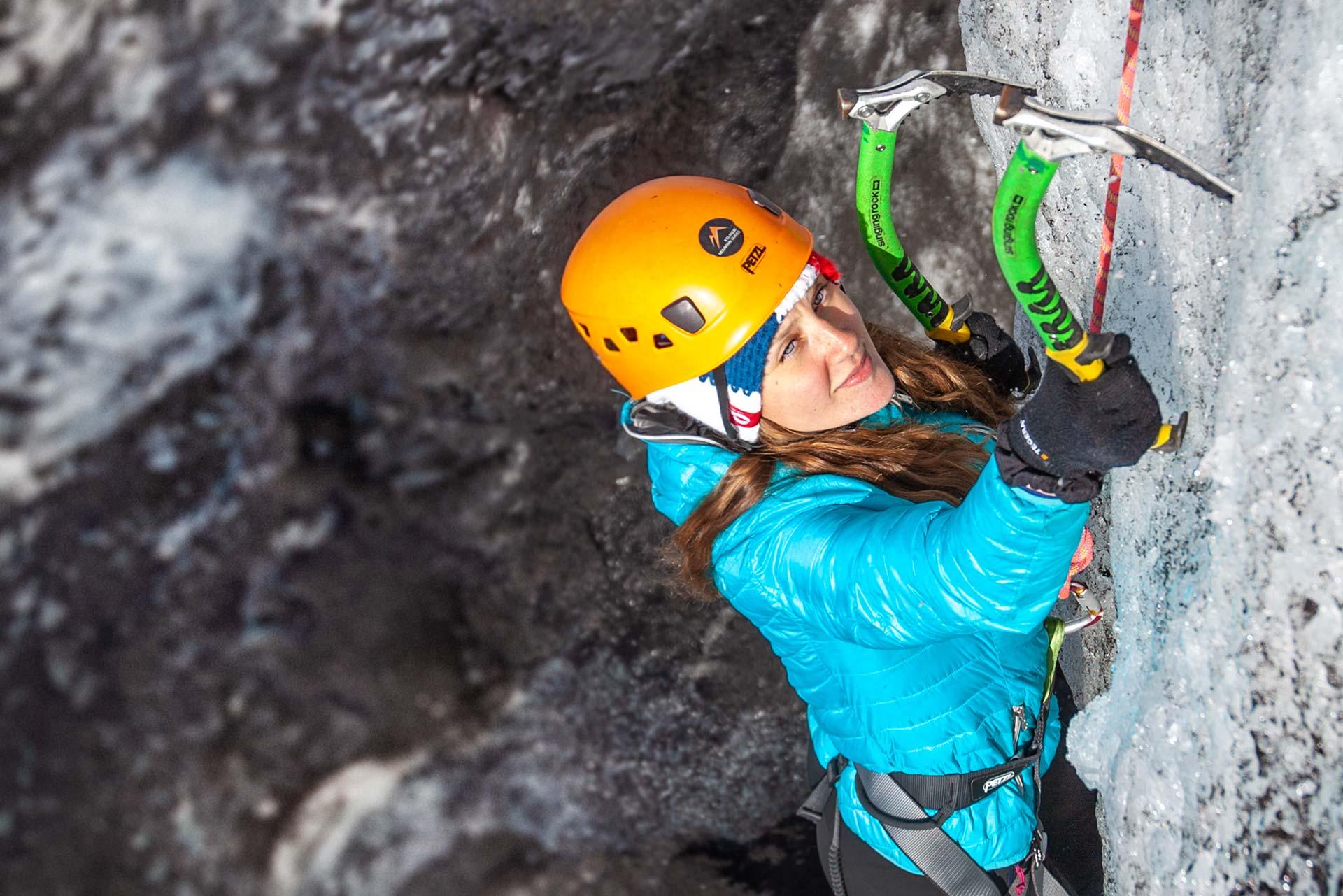
Sólheimajökull Glacier Hike and Ice Climbing
Glacier Walks Year-Round with Icelandic Mountain Guides
Icelandic Mountain Guides offers glacier experiences throughout the year, adapting routes, focus and pace to suit seasonal conditions. From introductory glacier walks to more immersive winter experiences, tours are designed to showcase the best of the ice, safely and responsibly.
Summer Highlights
Long daylight hours and expansive views
Easier access to glacier outlets
Focus on glacier movement, crevasses, and surface features
Comfortable temperatures for extended time outdoors
Winter Highlights
Ice caves and sculpted blue ice formations
Dramatic lighting and quiet landscapes
Snow-covered glaciers with a different visual character
A more intimate, atmospheric experience
All tours include necessary glacier equipment and are led by certified guides who share insight into glacier formation, seasonal change, and the broader landscape.
For travellers comparing glacier tours in Iceland during summer or winter, these seasonal differences help clarify what kind of experience they’re looking for, whether wide and luminous, or deep and mysterious.
The TL;DR of Choosing the Right Season for You
If you’re deciding between summer and winter glacier walks in Iceland, consider what excites you most:
Choose summer if you love long days, wide views, and learning about glaciers in clear, comfortable conditions.
Choose winter if you’re drawn to dramatic light, ice caves, and the quiet magic of snow-covered landscapes.
Choose shoulder seasons if you enjoy fewer crowds and a blend of conditions.
There’s no wrong answer, only different ways of experiencing the same living ice.
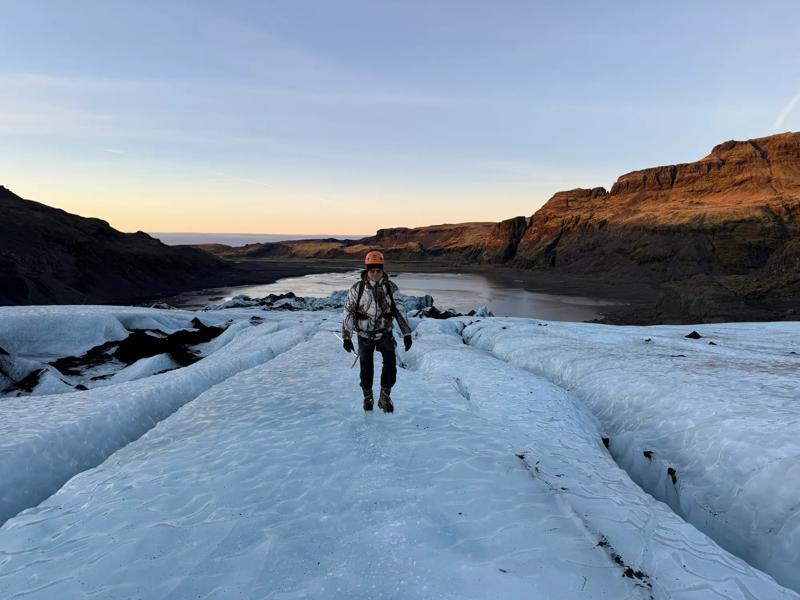
The Magic of Iceland’s Glaciers, All Year Round
Glaciers are some of Iceland’s most powerful storytellers. They record volcanic eruptions in ash layers, respond visibly to climate and reshape the land with their slow, unstoppable force. Whether you walk on the ice in summer sunlight or winter twilight, you are stepping into a landscape that is always changing.
Exploring Iceland’s glaciers is not about conquering nature, it’s about understanding it, moving with it and witnessing its transformations firsthand. With the right season and the right guidance, a glacier walk becomes more than an activity; it becomes a moment of connection.
No matter when you visit, Iceland’s glaciers are waiting. Each season offers its own version of wonder and each step on the ice reveals a new perspective on this remarkable land.
Frequently Asked Questions about Summer vs. Winter Glacier Adventures
What are the main differences between glacier tours in summer vs winter in Iceland?
Summer tours feature exposed ice, meltwater and long daylight, while winter tours offer snow-covered glaciers, colder temperatures and the possibility of ice caves. The overall atmosphere and scenery differ significantly between seasons.
Can I do a glacier walk year-round with Icelandic Mountain Guides?
Yes. Icelandic Mountain Guides offers glacier walks year-round, adapting routes and tour focus to seasonal conditions to ensure safety and the best possible experience.
What unique experiences do winter glacier tours offer?
Winter glacier tours may include natural ice caves, frozen meltwater formations, deep blue ice and a quieter, more atmospheric landscape shaped by snow and low winter light.
What are the advantages of glacier tours in summer?
Summer glacier tours offer long daylight hours, milder temperatures, clearer visibility of ice features and wide views of the surrounding landscape.
Are there greater risks or restrictions for glacier tours in winter?
Winter conditions can be more variable, with colder temperatures, snow cover and shorter daylight. Tours are carefully planned and always guided to manage these conditions safely.
How does the scenery change between summer and winter on a glacier?
In summer, glaciers show exposed blue ice, crevasses and flowing meltwater. In winter, snow blankets the surface, ice caves may form and the landscape appears more dramatic and enclosed.
What gear should I prepare differently for a summer vs winter glacier tour?
Summer tours require adaptable layers and sun protection, while winter tours require warmer insulation, heavier gloves and boots suitable for cold conditions. Technical glacier equipment is provided year-round. Pro tip: bring sunglasses no matter the weather. It might get windy or sunny and you'll look extra cool on a glacier!
Is one season better for beginners vs experienced hikers?
Summer is often easier for beginners due to longer daylight and milder conditions but both seasons welcome beginners as do our tour guides.
How does daylight and weather affect glacier tours in each season?
Summer offers many more daylight hours and generally milder weather, while winter has shorter days and more dramatic light. Tours are scheduled around available daylight and current conditions.
Can I switch from a summer tour plan to winter (or vice versa) if my travel dates change?
Usually yes, depending on tour availability for the new dates. Seasonal tour options differ, and the team can recommend suitable alternatives if plans change.
Keep me informed about the Icelandic Mountain Guides Blog
Outdoor adventure in Iceland is our specialty. Subscribe to our free monthly newsletter to learn when to go, what to do and where to have the best adventures in Iceland.
Related Blog Posts
Related Tours
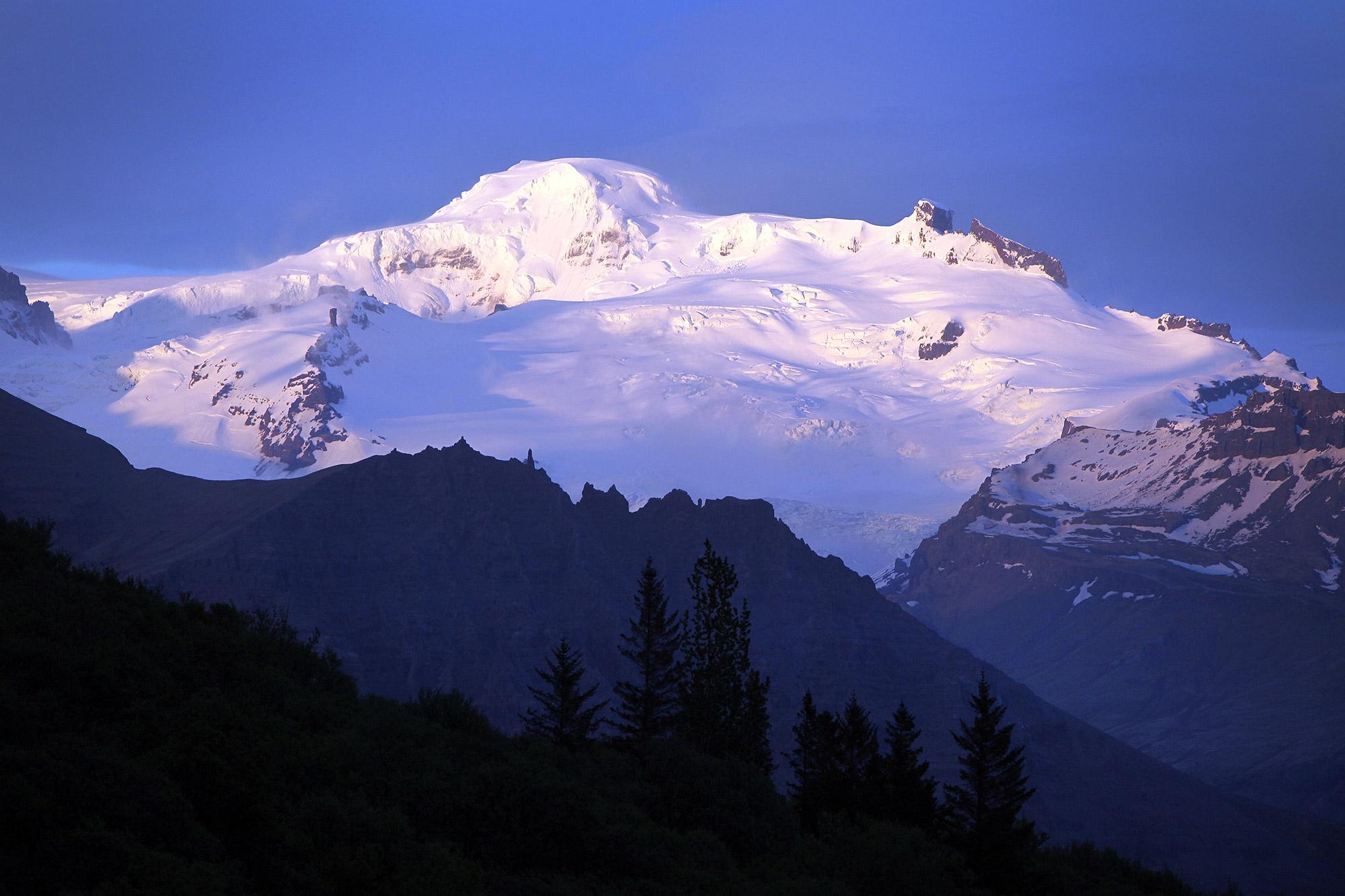
Hvannadalshnúkur - Iceland’s Highest Summit