Glaciers and Volcanoes Iceland: Where Ice Meets Fire
| All, Travel Guide, DISCOVER ICELAND, glaciers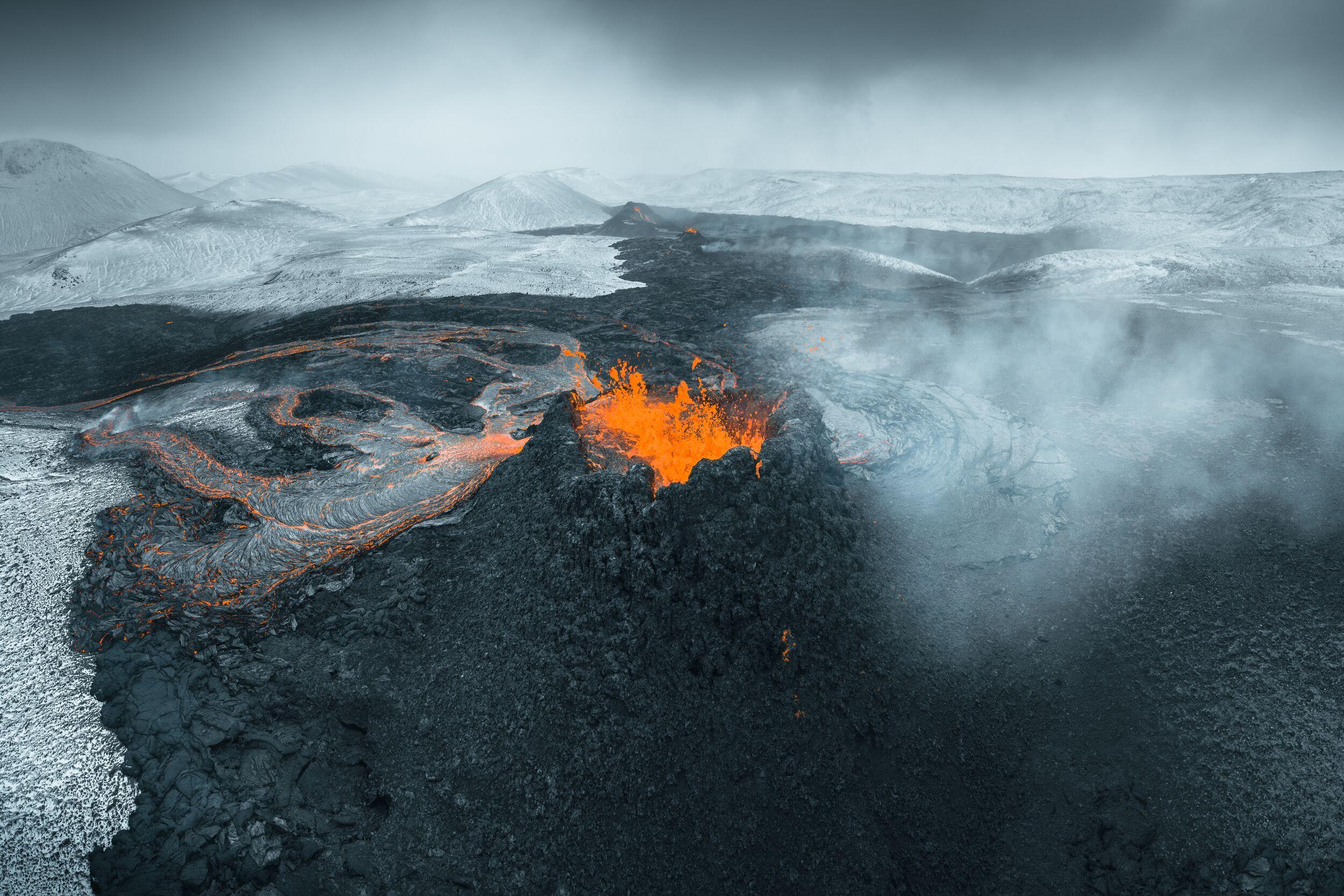
Exploring Iceland’s Glaciers and Volcanoes
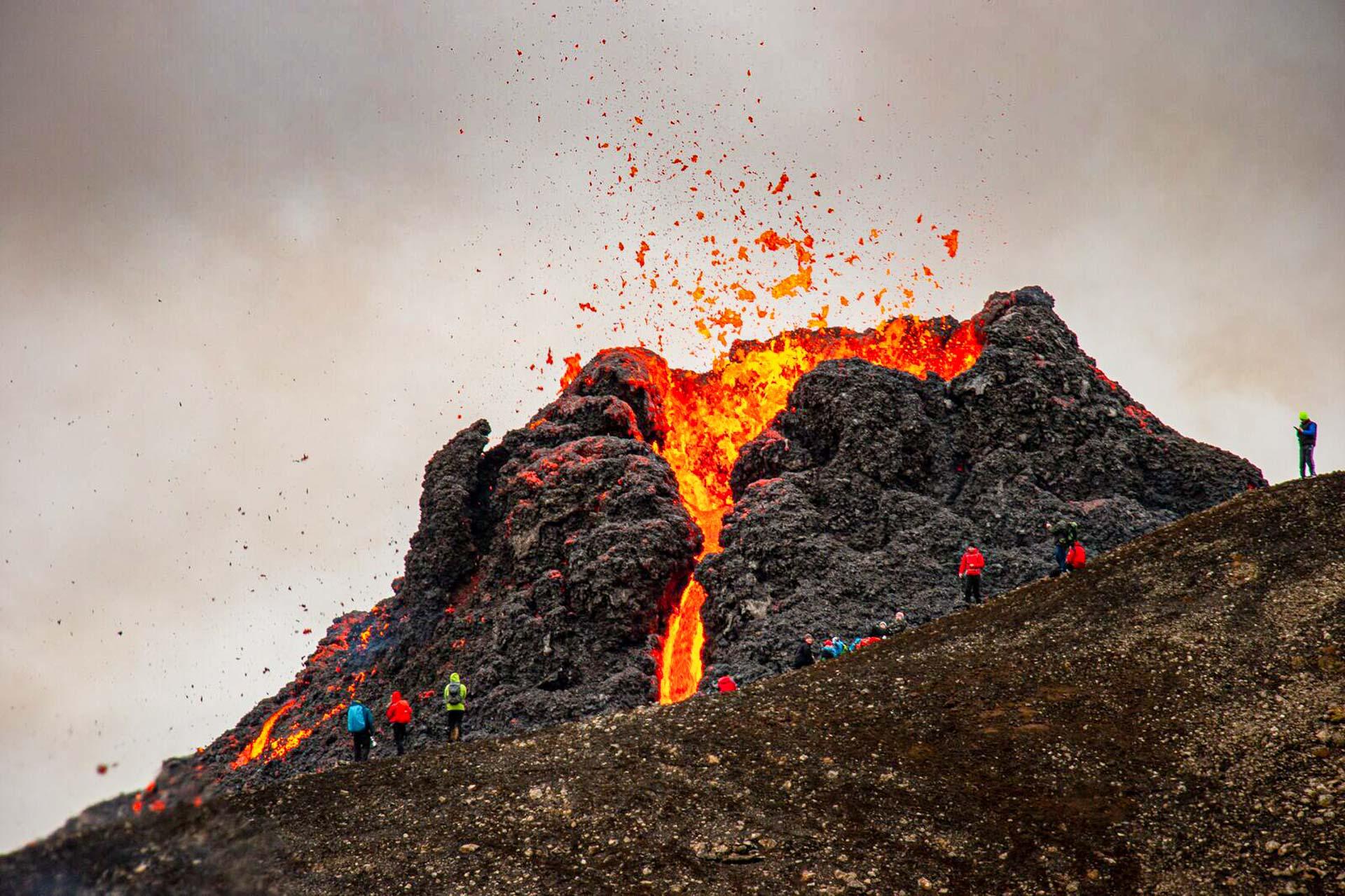
Iceland has a way of making a memorable first impression. You arrive expecting snow and steam, maybe a volcano or two in the distance — but the longer you spend here, the more you realise that nothing in this landscape exists in isolation. Glaciers don’t simply sit on mountaintops. They spill, creak and grind over volcanic rock. Volcanoes don’t just erupt into open air (though that’s been the norm in recent years); many of them sleep beneath hundreds of metres of ice. In Iceland, fire and ice are not opposites. They are collaborators in shaping the landscape.
This geological duality — glaciers and volcanoes layered one atop the other — is what gives Iceland its character. It’s also what makes exploring the country on foot, especially on glaciers, such a powerful experience. Walking across ice that conceals active volcanic systems below is not just a physical adventure; it’s a reminder that the ground beneath your feet is alive.
For travellers who want to understand Iceland beyond the postcard views, glacier walks and hikes offer a front-row seat to this ongoing interaction between heat and cold, creation and erosion. This is the story of how Iceland came to be shaped by fire and ice — and how you can experience it all firsthand with Icelandic Mountain Guides.
Born of Fire, Sculpted by Ice: Iceland’s Geological Duality
Iceland is one of the youngest landmasses on Earth. In geological terms, it is barely out of its infancy. The island rose from the North Atlantic Ocean through repeated volcanic eruptions, building layer upon layer of lava over millions of years. Later, as the climate cooled, massive ice caps formed on top of this volcanic foundation, reshaping it with immense pressure and slow, relentless movement.
Today, around 11% of Iceland is covered by glaciers, an extraordinary figure for a country so volcanically active. This coexistence defines the Icelandic landscape: jagged ridges carved by ice, smooth plains formed by lava flows and wide valleys created by glacial floods triggered by eruptions beneath ice caps.
Nowhere else on Earth is this relationship so visible or so accessible for those wishing to experience it. In Iceland, you can hike on a glacier that rests atop an active volcano, cross ice that has been fractured by geothermal heat, and stand where meltwater from an eruption once reshaped the land in a matter of hours.
To explore Iceland is to explore a conversation between opposing forces — one that has been ongoing for thousands of years and is still unfolding today.
Understanding Iceland’s Volcanic Origins
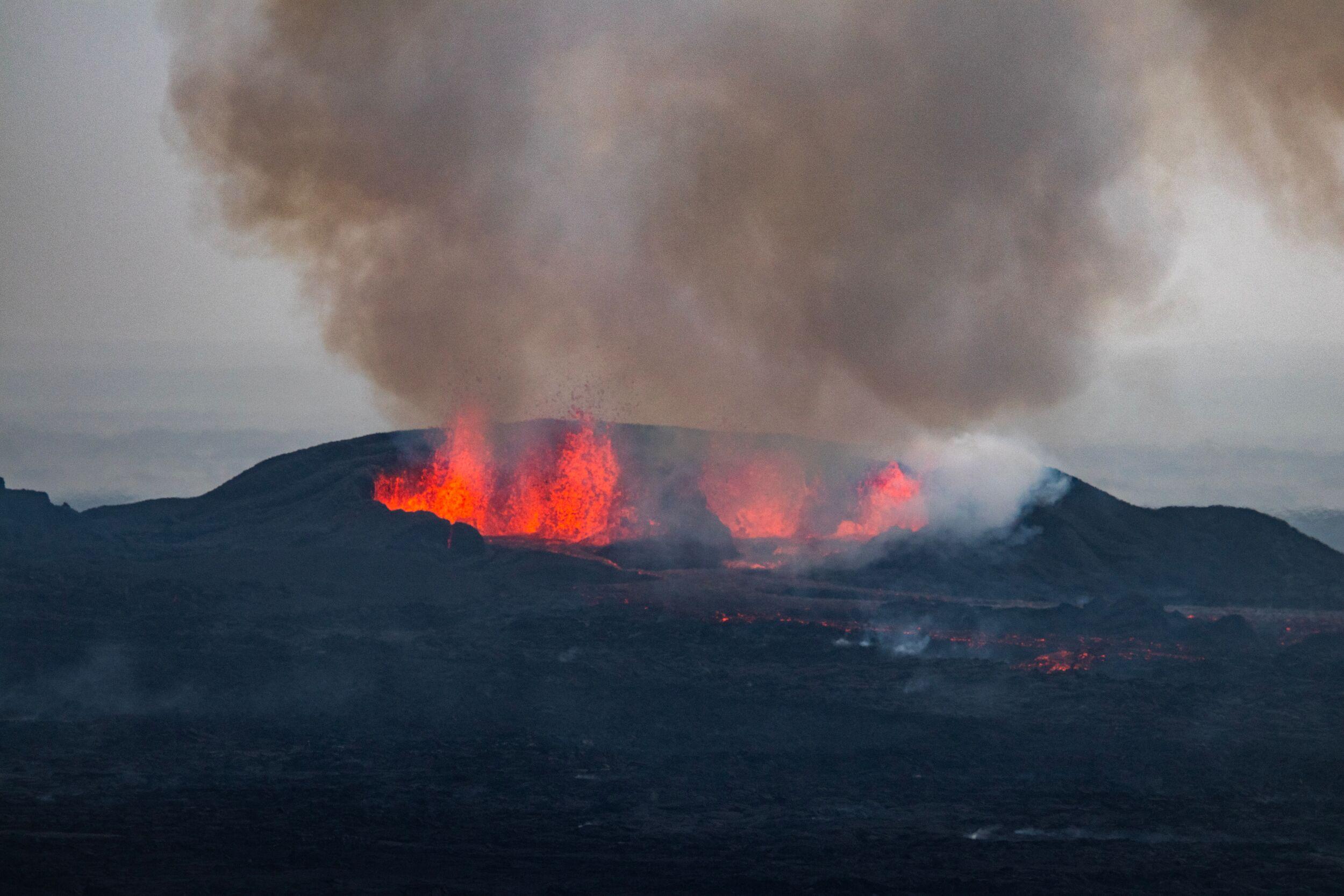
Iceland exists because it straddles the Mid-Atlantic Ridge, a massive underwater mountain chain where the North American and Eurasian tectonic plates are slowly pulling apart. In most places, this ridge lies deep beneath the ocean. In Iceland, it rises above sea level, allowing volcanic activity to occur on land rather than underwater.
As the plates separate, magma rises to fill the gap, creating new crust. Over time, this process has built the island itself. The result is a country with more than 130 volcanic mountains and around 30 active volcanic systems, spread across distinct volcanic zones.
Different regions of Iceland tell different chapters of this volcanic story. In the southwest, frequent eruptions have shaped the Reykjanes Peninsula with young lava fields and geothermal areas. In the north, older volcanic formations dominate, weathered by time and ice. In the south and southeast, volcanoes interact directly with glaciers, producing some of Iceland’s most dramatic (and sometimes dangerous) landscapes.
Historic eruptions have left indelible marks. The explosive 1362 eruption of Öræfajökull buried fertile farmland beneath ash. Subglacial eruptions beneath Katla have repeatedly caused massive glacial floods, known as “jökulhlaups,” reshaping coastlines and river systems. These events remind us that Iceland’s volcanoes are not relics of the past, they are active participants in shaping the present.
How Iceland’s Glaciers Form and Shape the Land
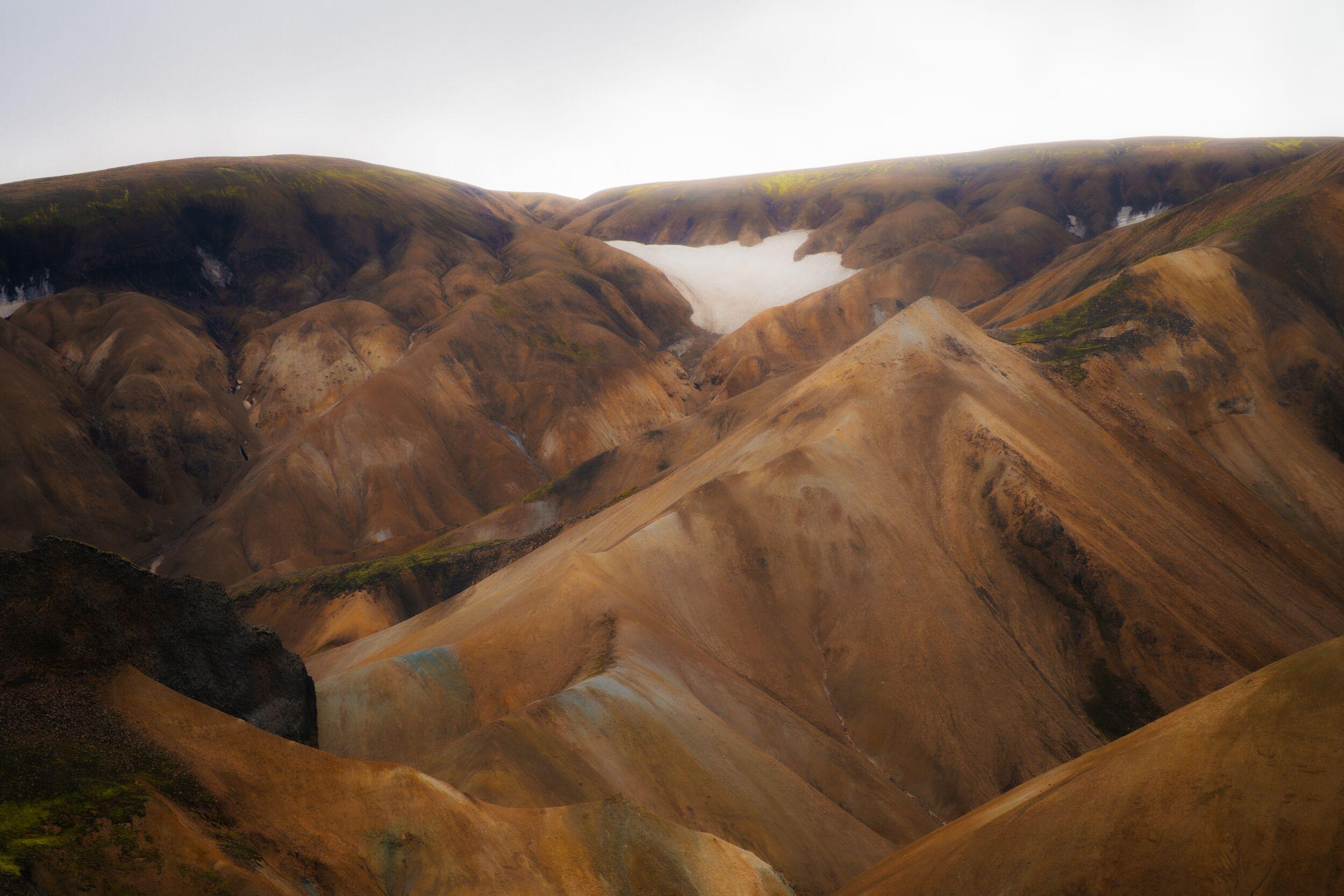
Glaciers in Iceland, meanwhile, formed during colder climatic periods, when snowfall exceeded summer melt year after year. Over time, layers of compressed snow turned into dense ice, accumulating into vast ice caps that began to flow outward under their own weight.
Iceland’s glaciers are dynamic, constantly moving and changing. As they advance, they grind down the volcanic bedrock beneath them, carving valleys, sharpening ridgelines and transporting enormous amounts of sediment. As they retreat, they leave behind moraines, lagoons and newly exposed terrain.
The largest of these ice caps is Vatnajökull, Europe’s biggest glacier by volume. Covering around 8% of Iceland, it hides multiple active volcanoes beneath its ice, including Grímsvötn and Bárðarbunga. Other major ice caps include Mýrdalsjökull, Langjökull, Hofsjökull and Snæfellsjökull, each of which interact with the land below in their own unique ways.
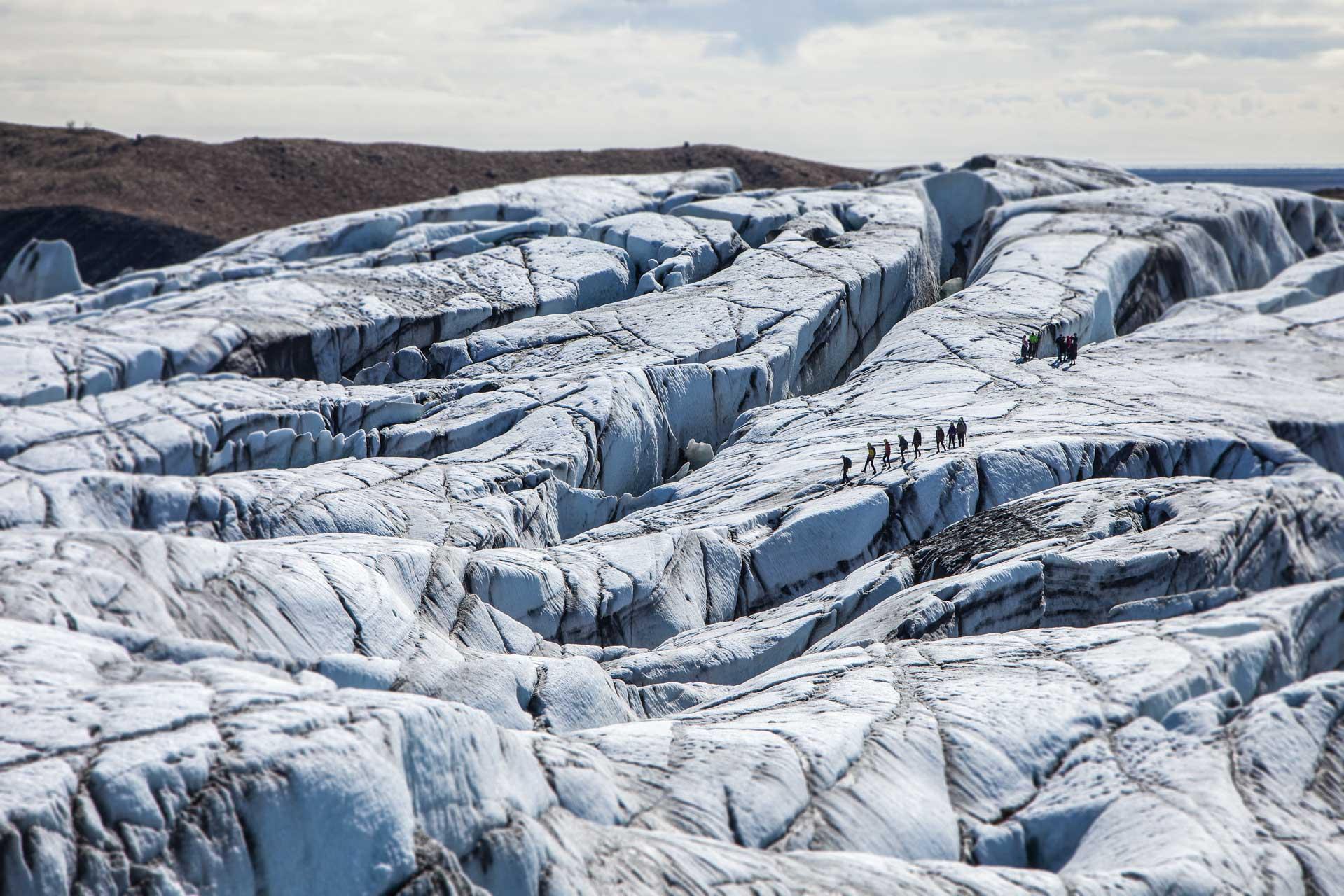
Walking on an Icelandic glacier is not a static experience. You move through crevasses formed by ice flow, across ash-streaked snow that tells the story of distant eruptions and past meltwater channels shaped by geothermal heat. These glaciers are not frozen in time; they are constantly responding to both climate and volcanic forces.
Four Glaciers, Four Perspectives on Fire and Ice
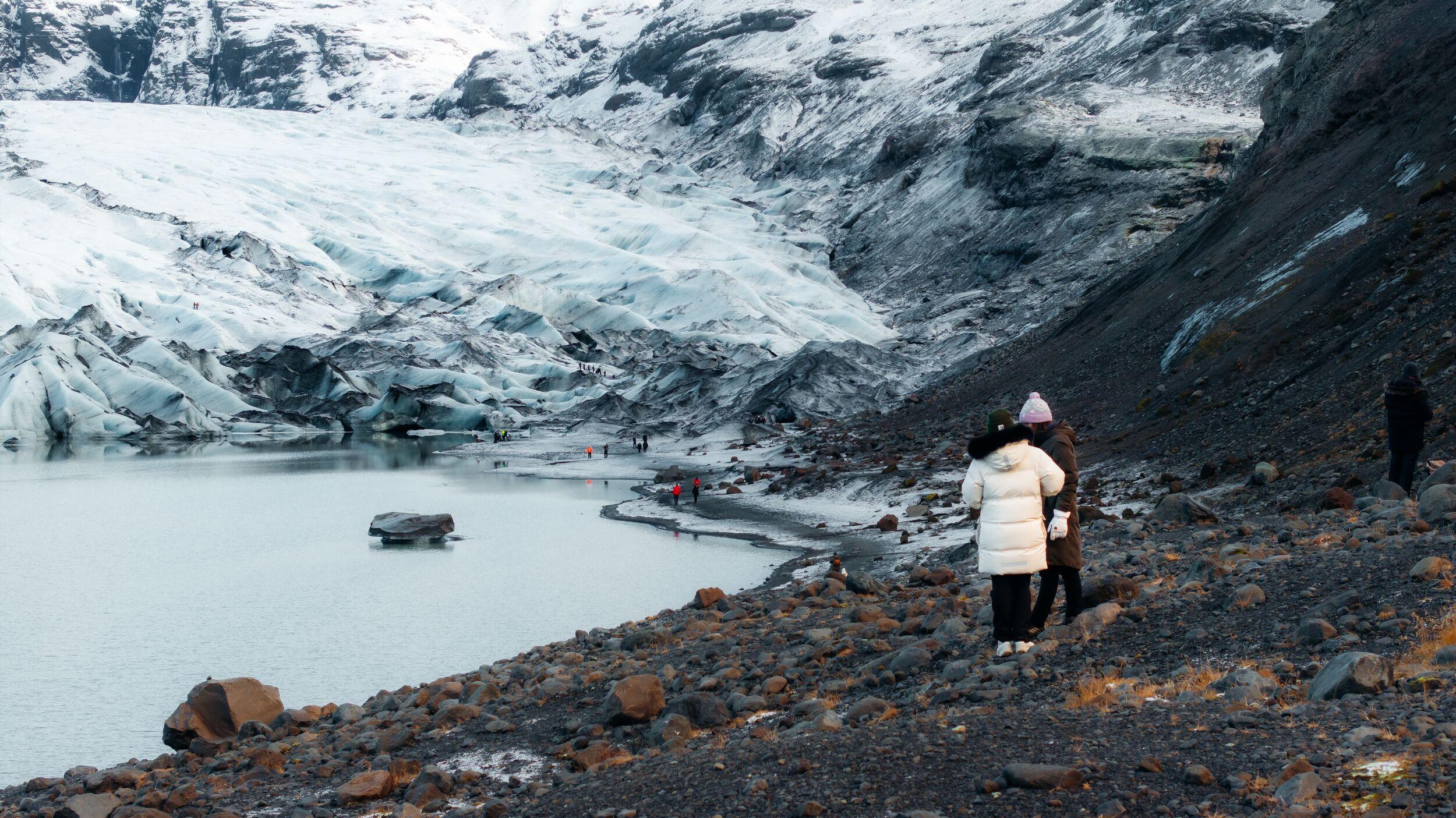
Sólheimajökull: Ice on the Edge of the South Coast
Flowing from the larger Mýrdalsjökull ice cap, Sólheimajökull is one of the most accessible glaciers in Iceland and one of the most visually striking. Dark volcanic ash layers streak through its ice, providing visual evidence of eruptions from nearby volcanoes over centuries.
This glacier offers a tangible sense of Iceland’s geological tension. Sólheimajökull is an outlet glacier from the larger Mýrdalsjökull, that covers Katla, one of the country’s most powerful volcanoes.
On the surface, you walk among ice ridges, crevasses, and meltwater pools that shift from season to season. It’s an ideal place to experience the contrast between fragile ice formations and the raw volcanic landscape that surrounds them.
IMG’s top tours and treks for experiencing Sólheimajökull
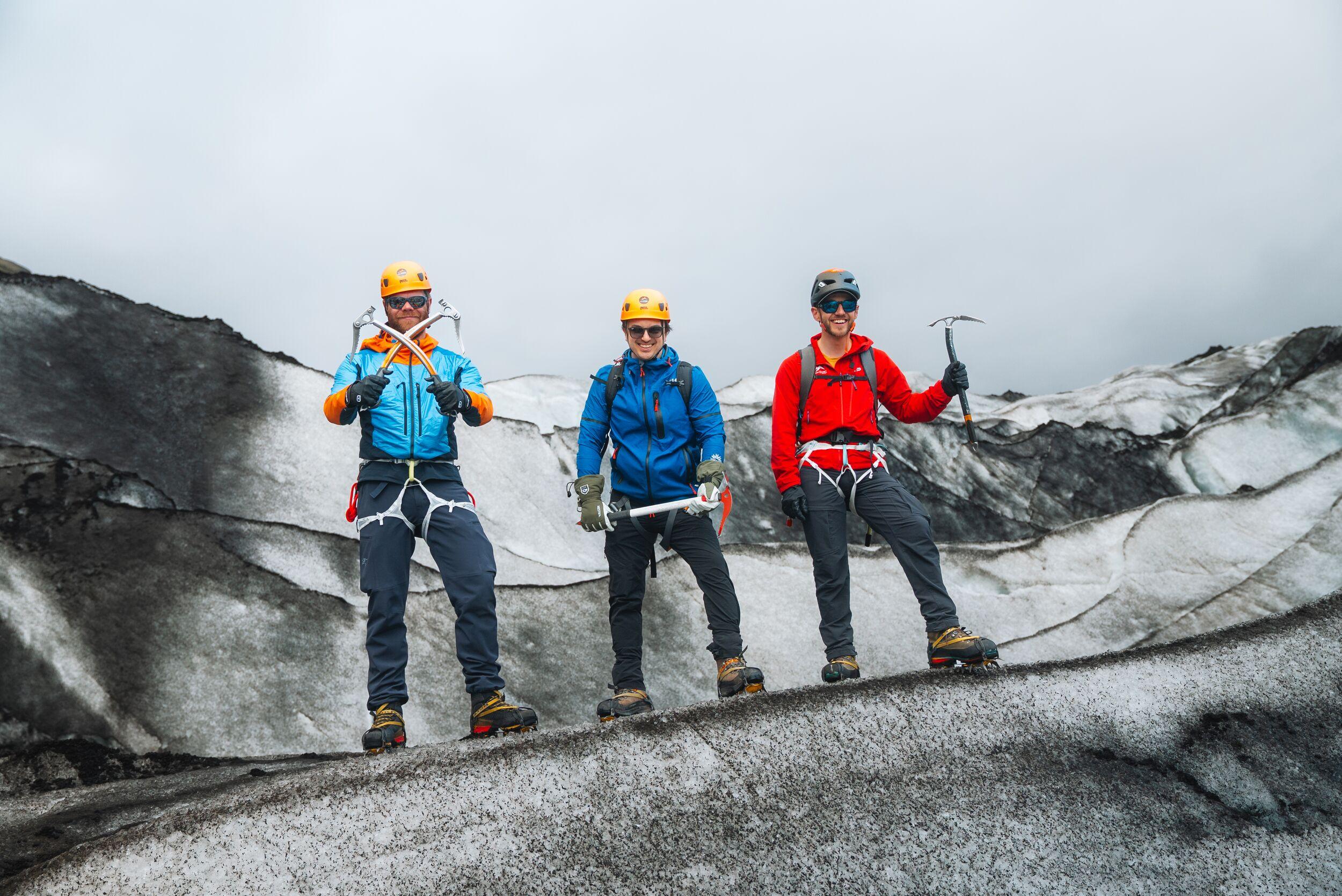
Glacier Exploration - 5.5-hour Sólheimajökull Glacier Hike
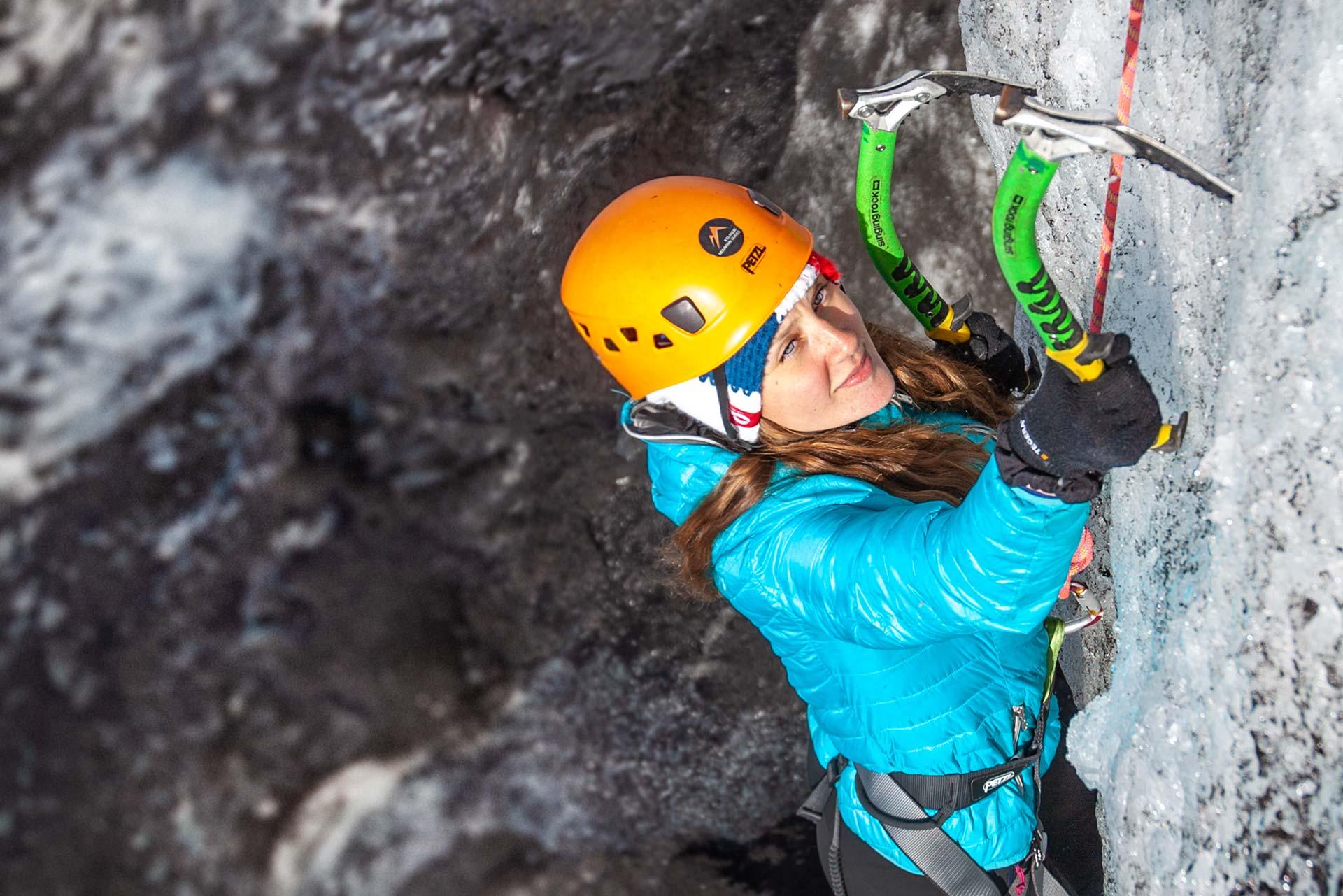
Sólheimajökull Glacier Hike and Ice Climbing
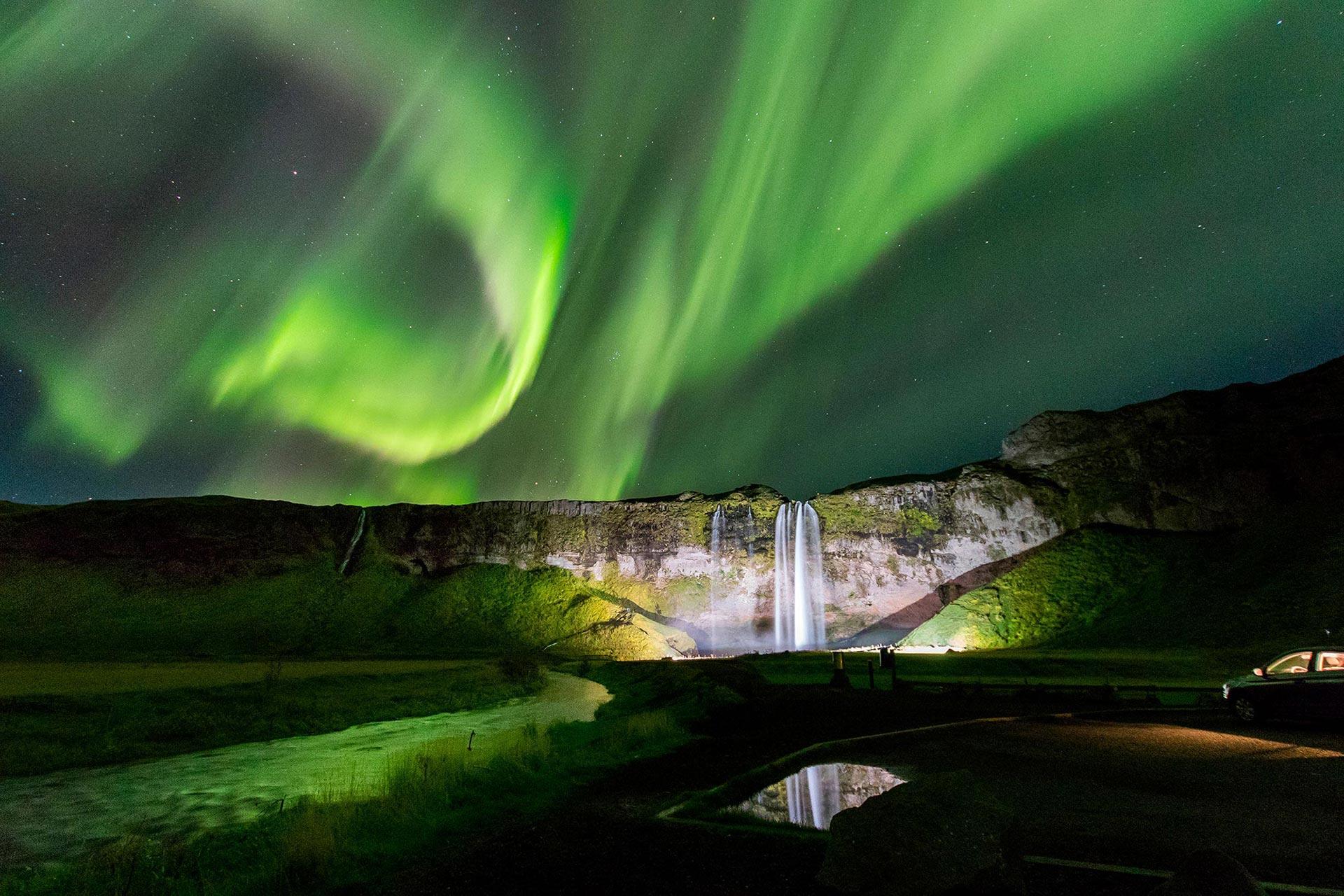
Glacier Walk & Northern Lights
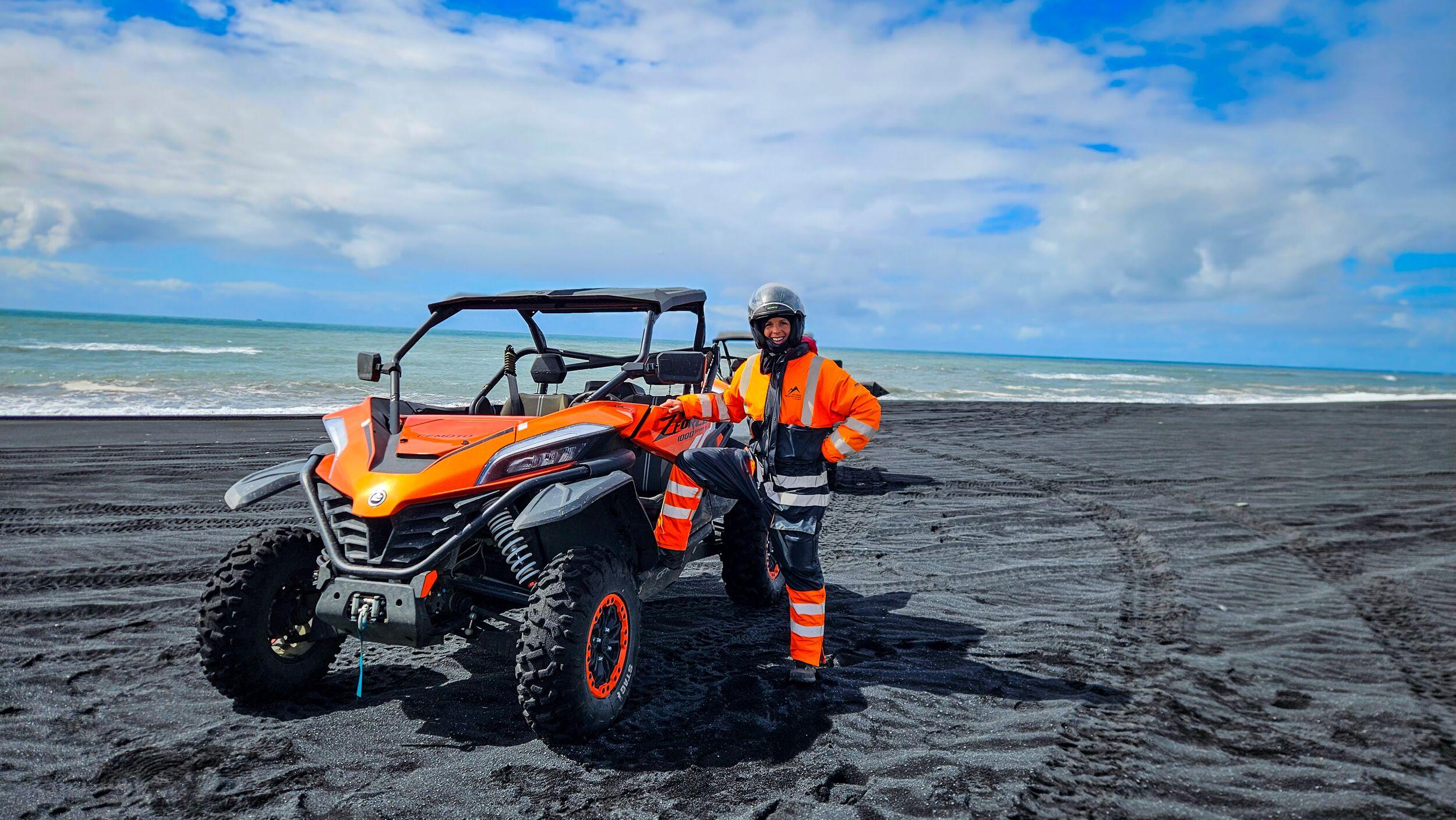
Buggy and Glacier Hike Combo Adventure
Vatnajökull: A World Beneath the Ice
Standing on Vatnajökull feels like stepping onto another planet. Its scale is immense, and the horizon is epically wide and quiet. Yet beneath this calm surface lies intense geothermal activity, with several active volcanoes hidden deep beneath the ice.
Glacier walks here reveal how ice responds to heat from below, creating ice cauldrons, deep crevasses and complex flow patterns. This is a place where the relationship between glacier and volcano is not theoretical; it’s written directly into the landscape beneath your boots.
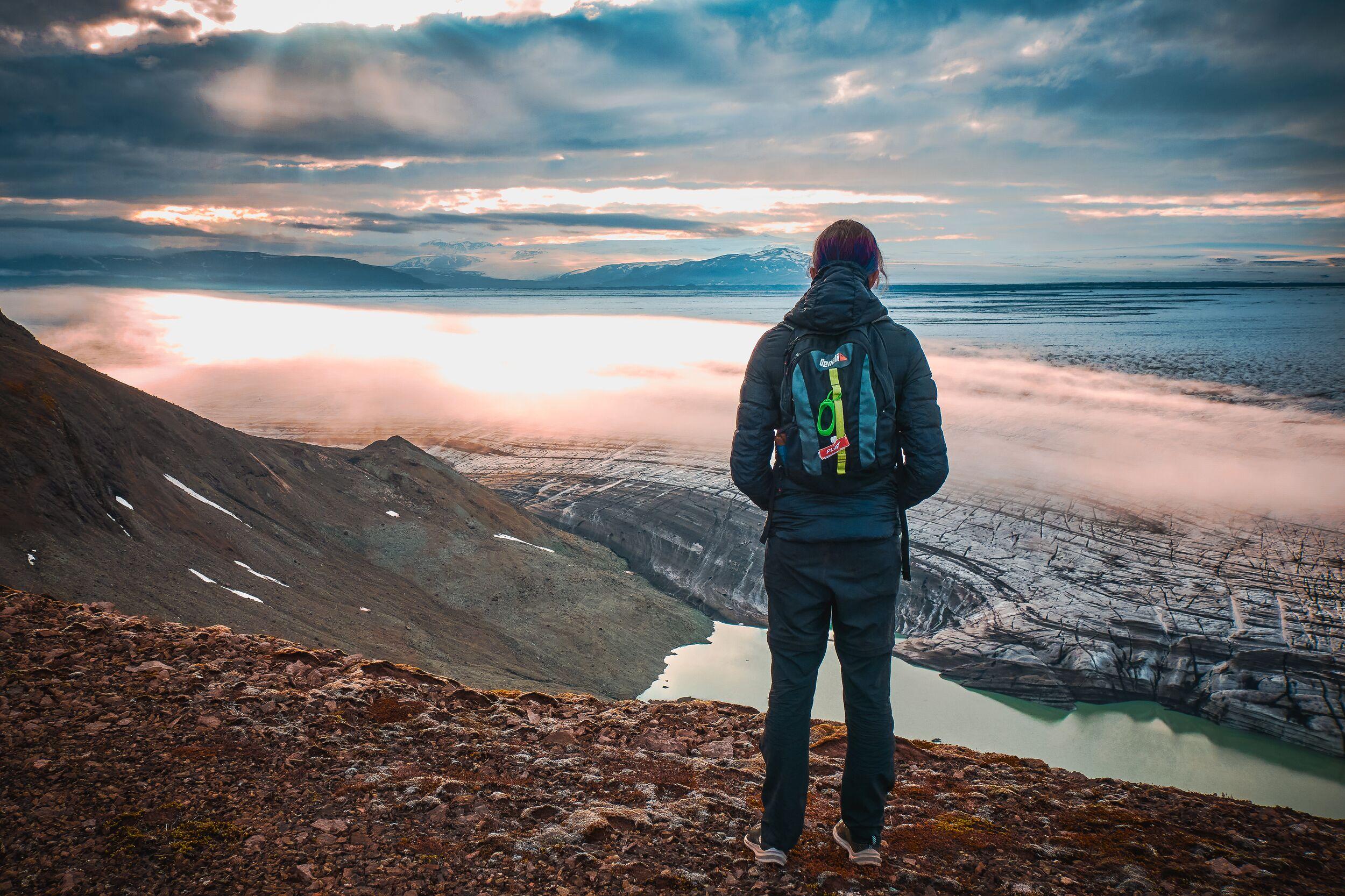
IMG’s top tours and treks for experiencing Vatnajökull
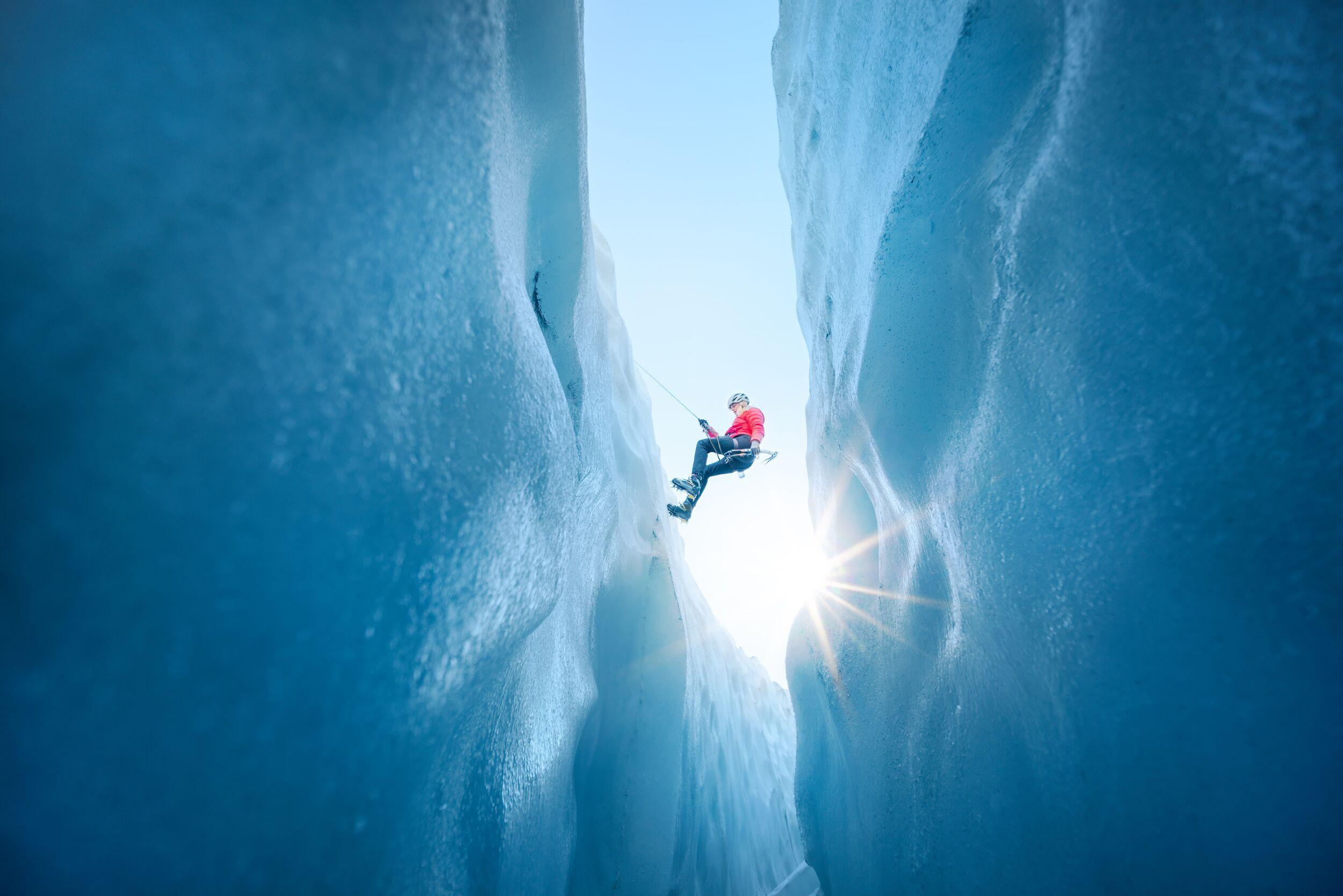
Skaftafell Glacier Hike and Ice Climbing
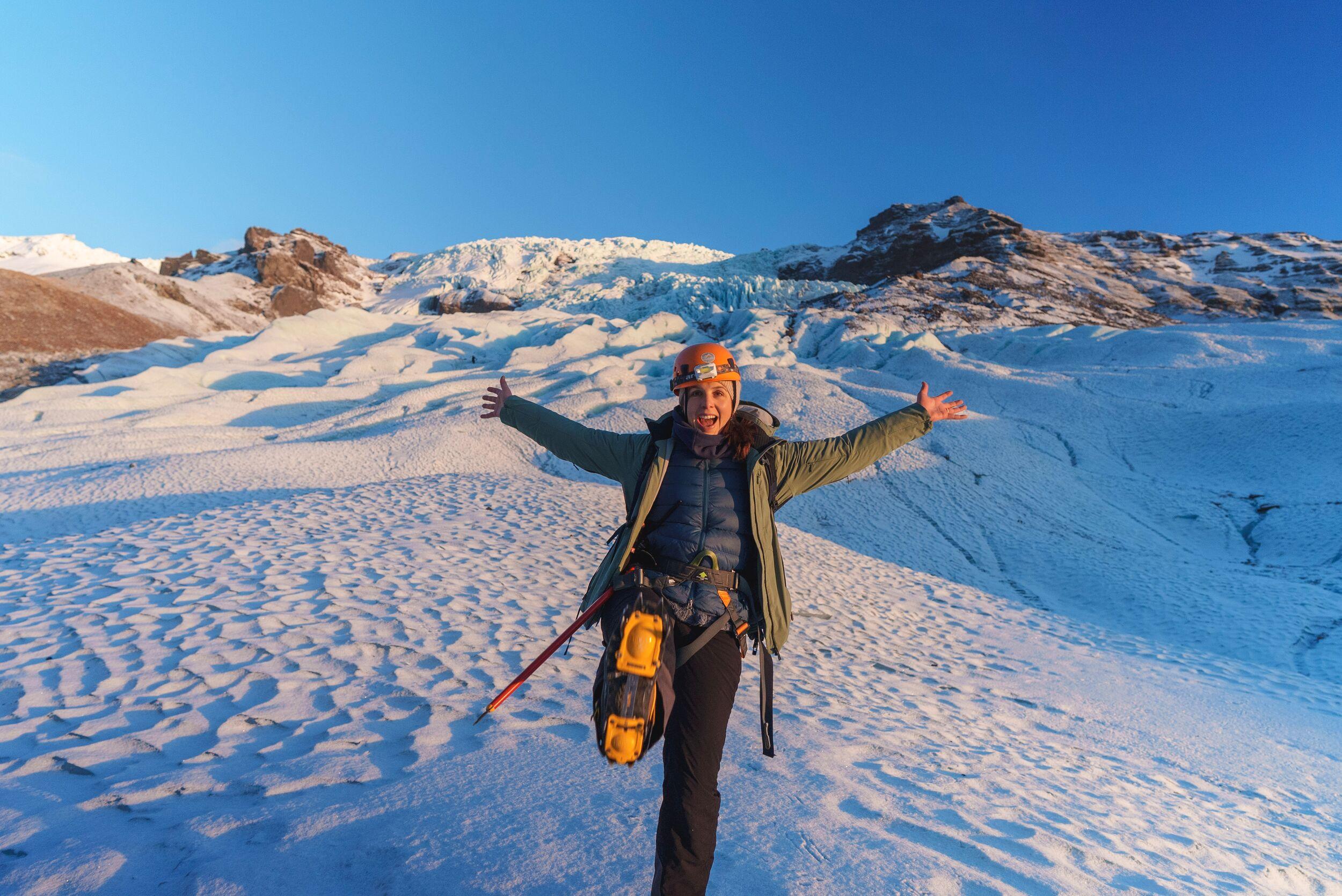
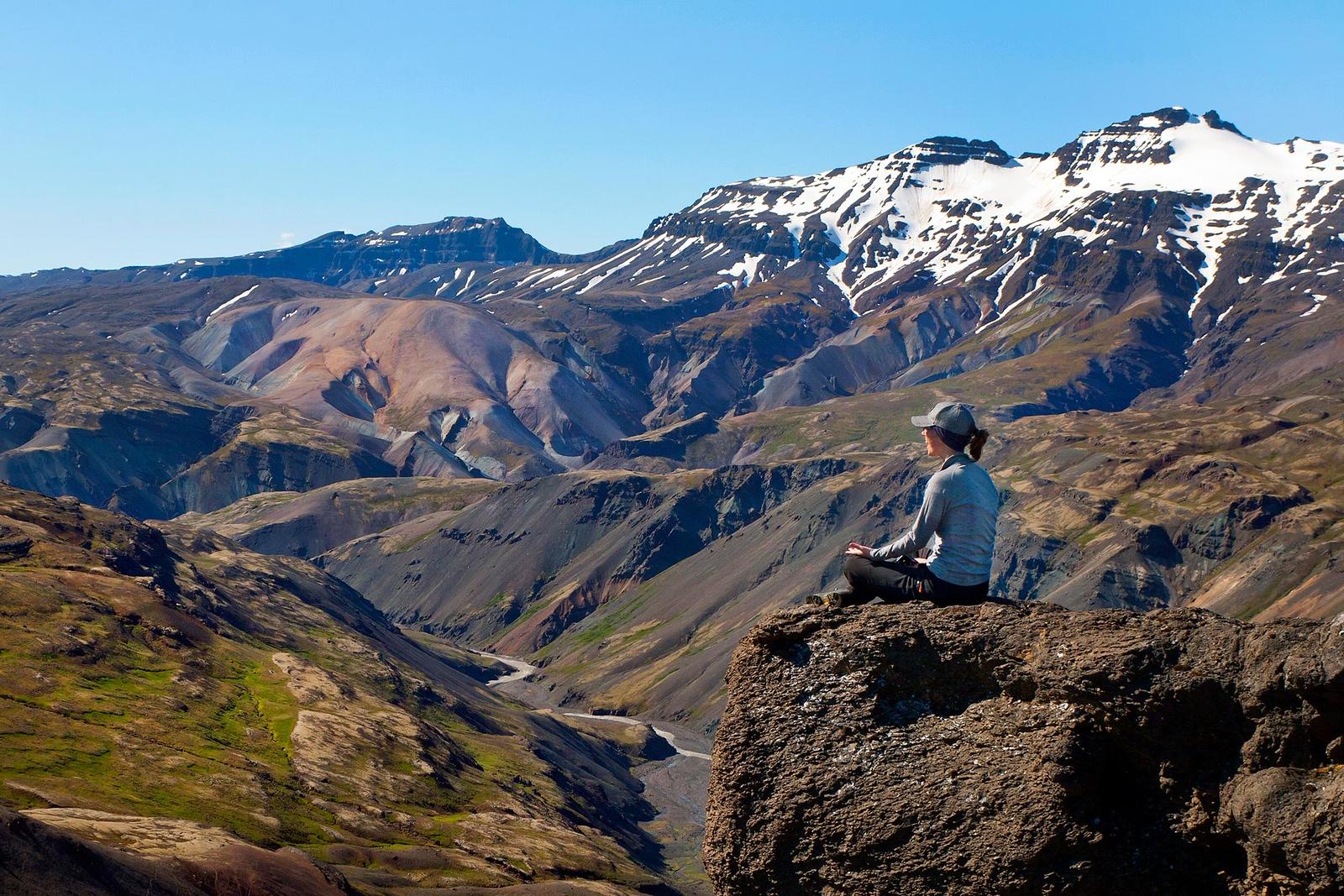
In the Shadow of Vatnajökull
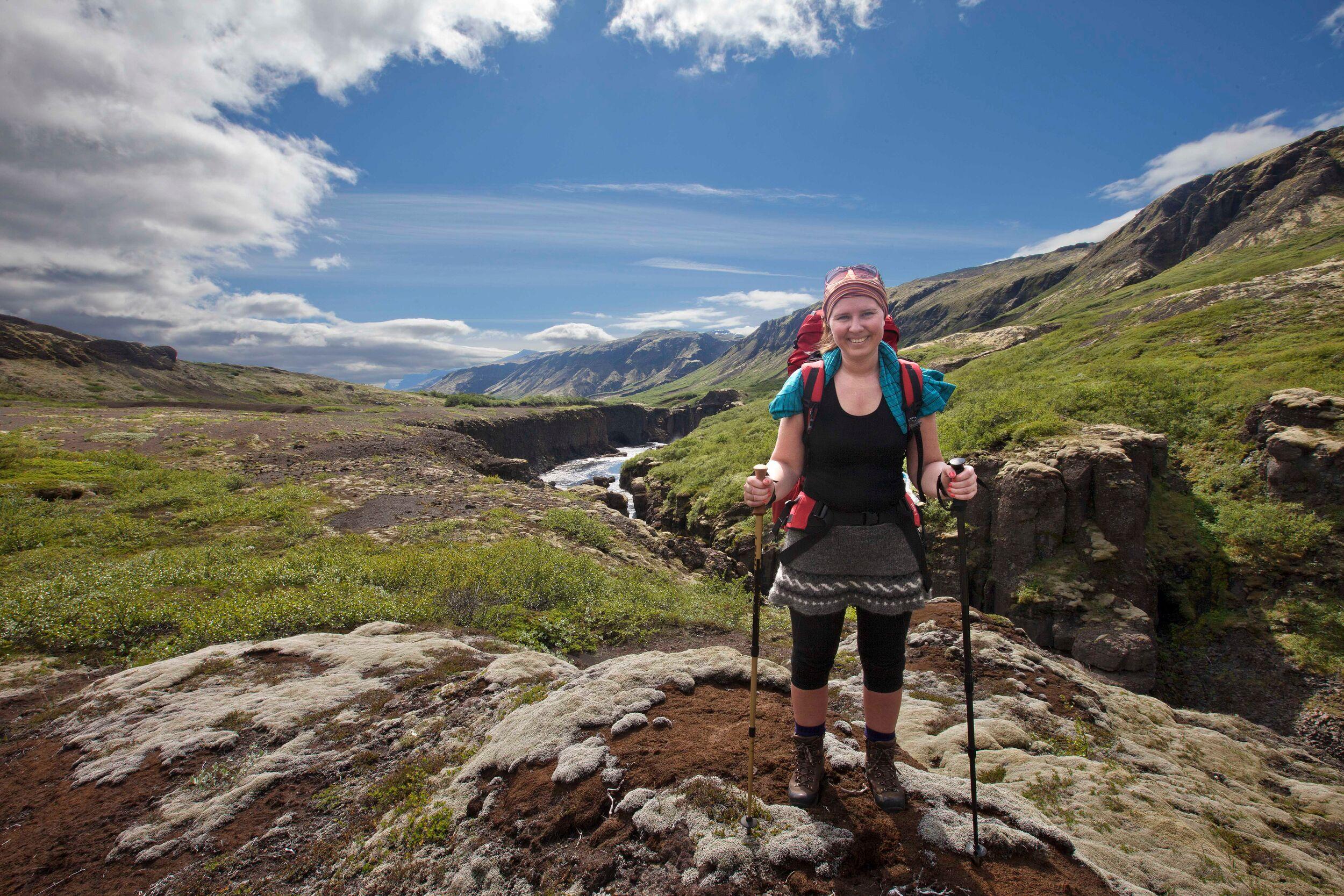
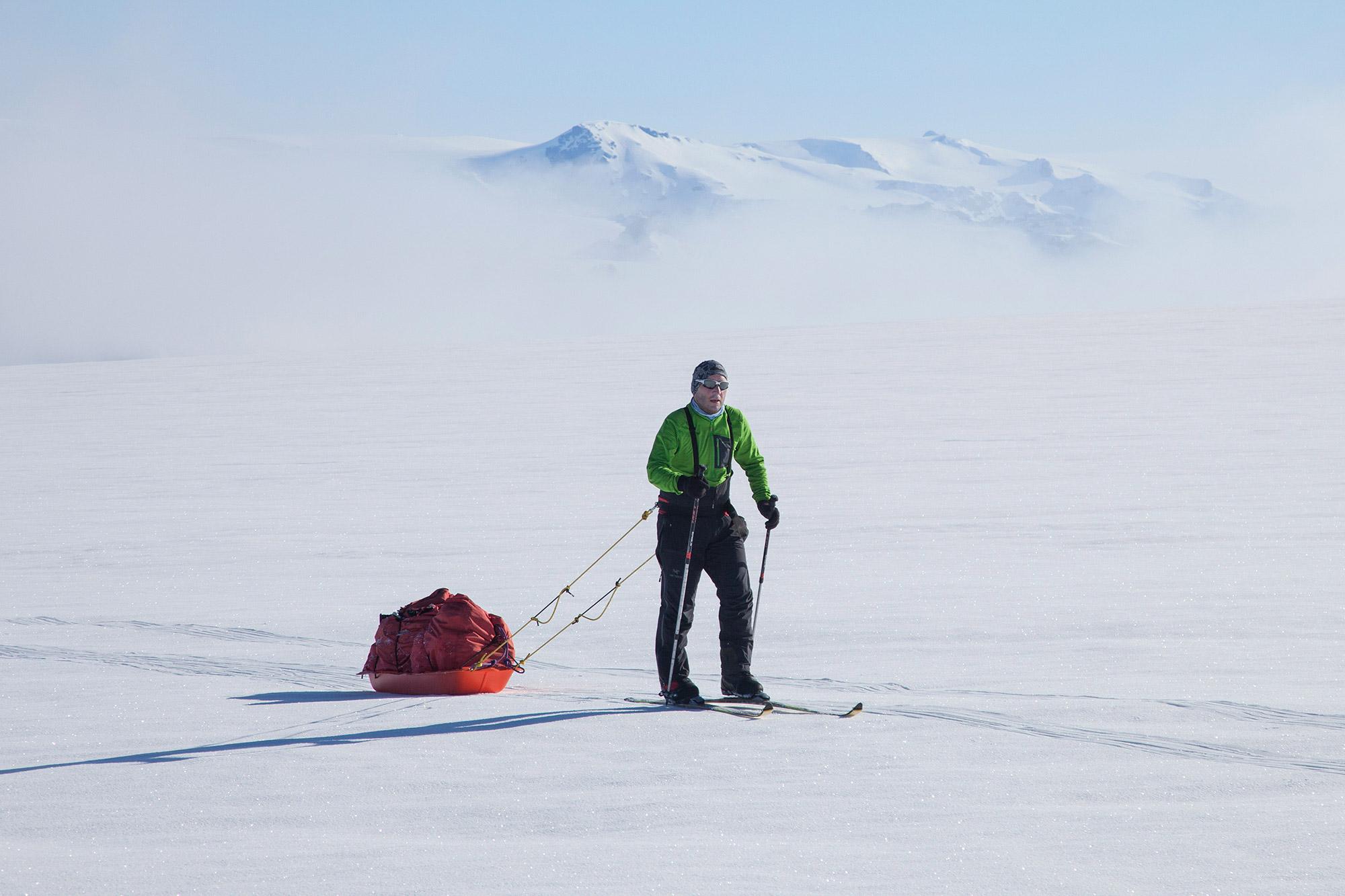
Vatnajökull Glacier Expedition
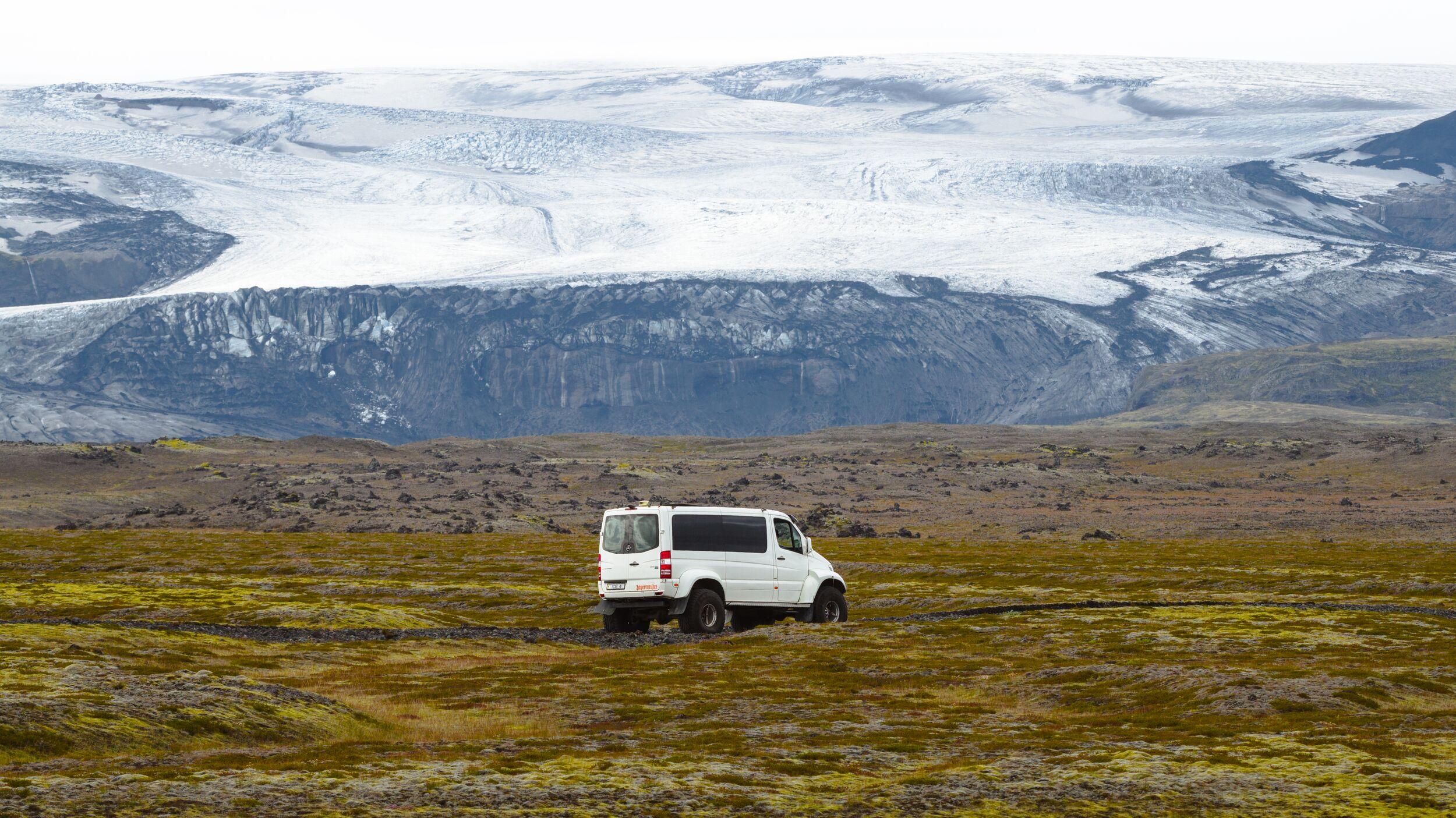
Mýrdalsjökull: Home of Katla
Mýrdalsjökull covers the infamous Katla volcano, known for its explosive eruptions and powerful glacial floods. The glacier itself is broad and imposing, shaped by both accumulation of snow and the geothermal forces beneath it.
Exploring this glacier offers insight into one of Iceland’s most closely monitored volcanic systems. The terrain tells a story of tension and release, of ice thick enough to suppress eruptions, yet vulnerable to sudden melting when volcanic activity stirs below.
IMG’s top tours and treks for experiencing Mýrdalsjökull
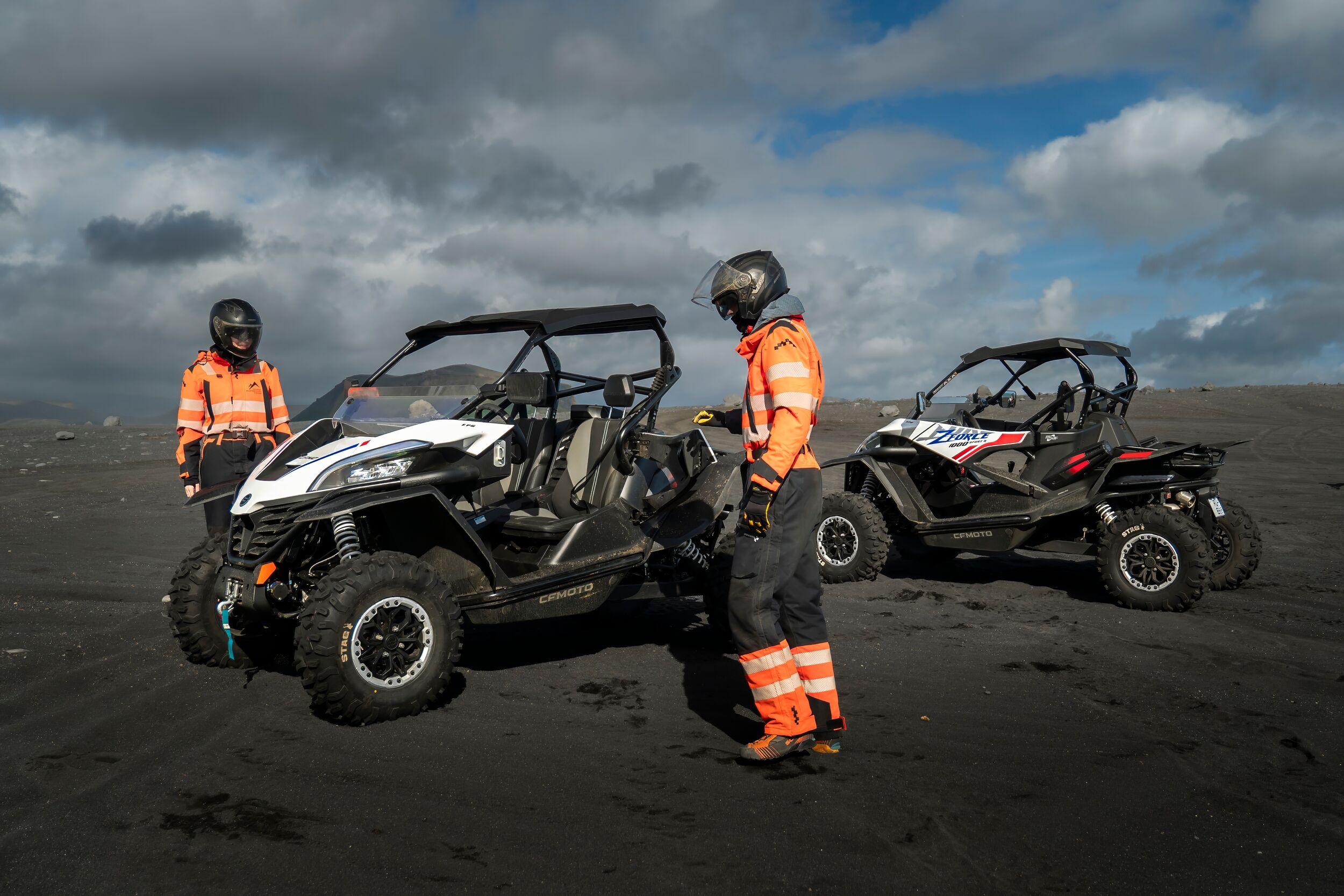
South Coast & 2-hour Buggy Experience
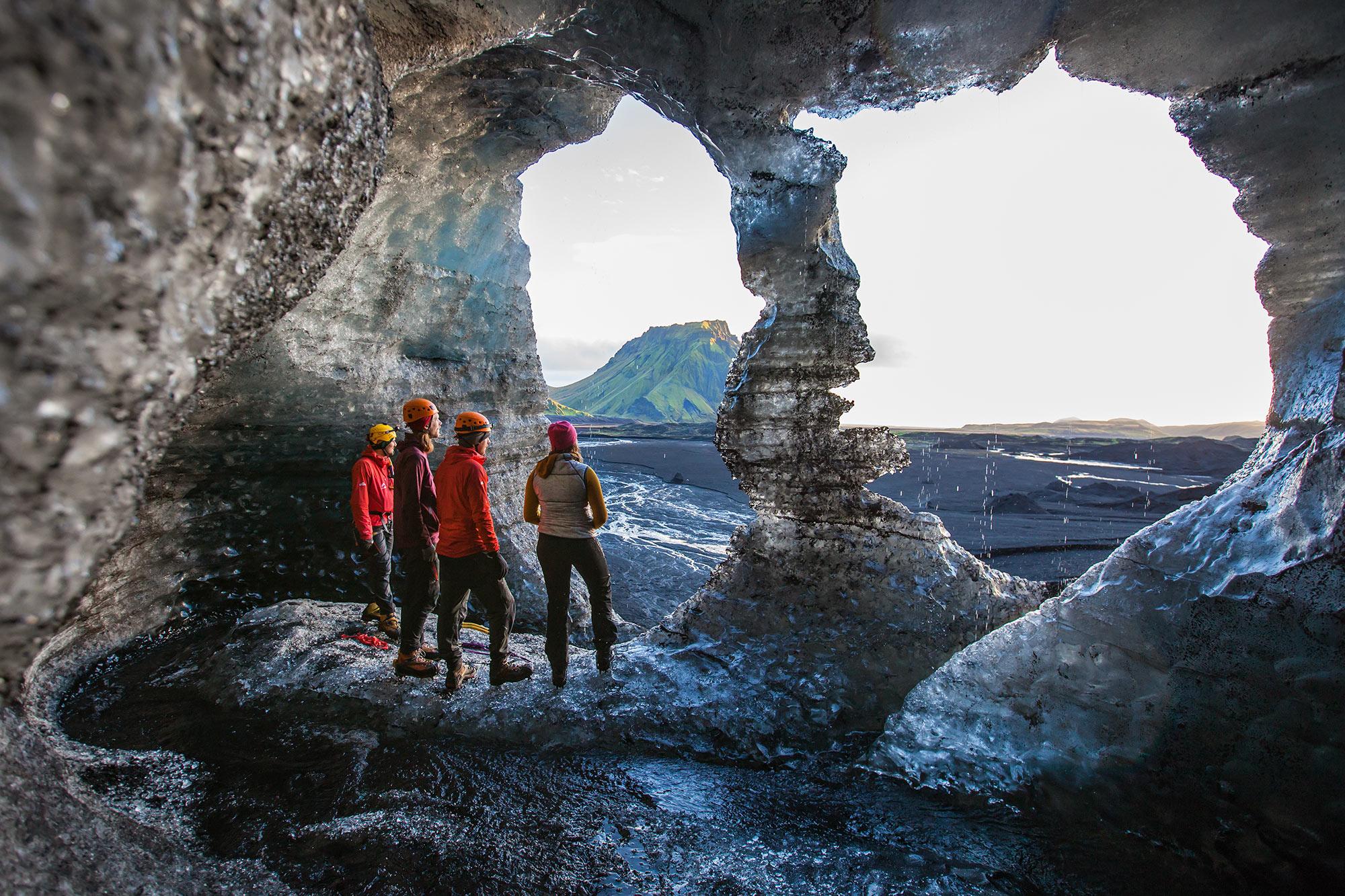
The Secret Ice Cave
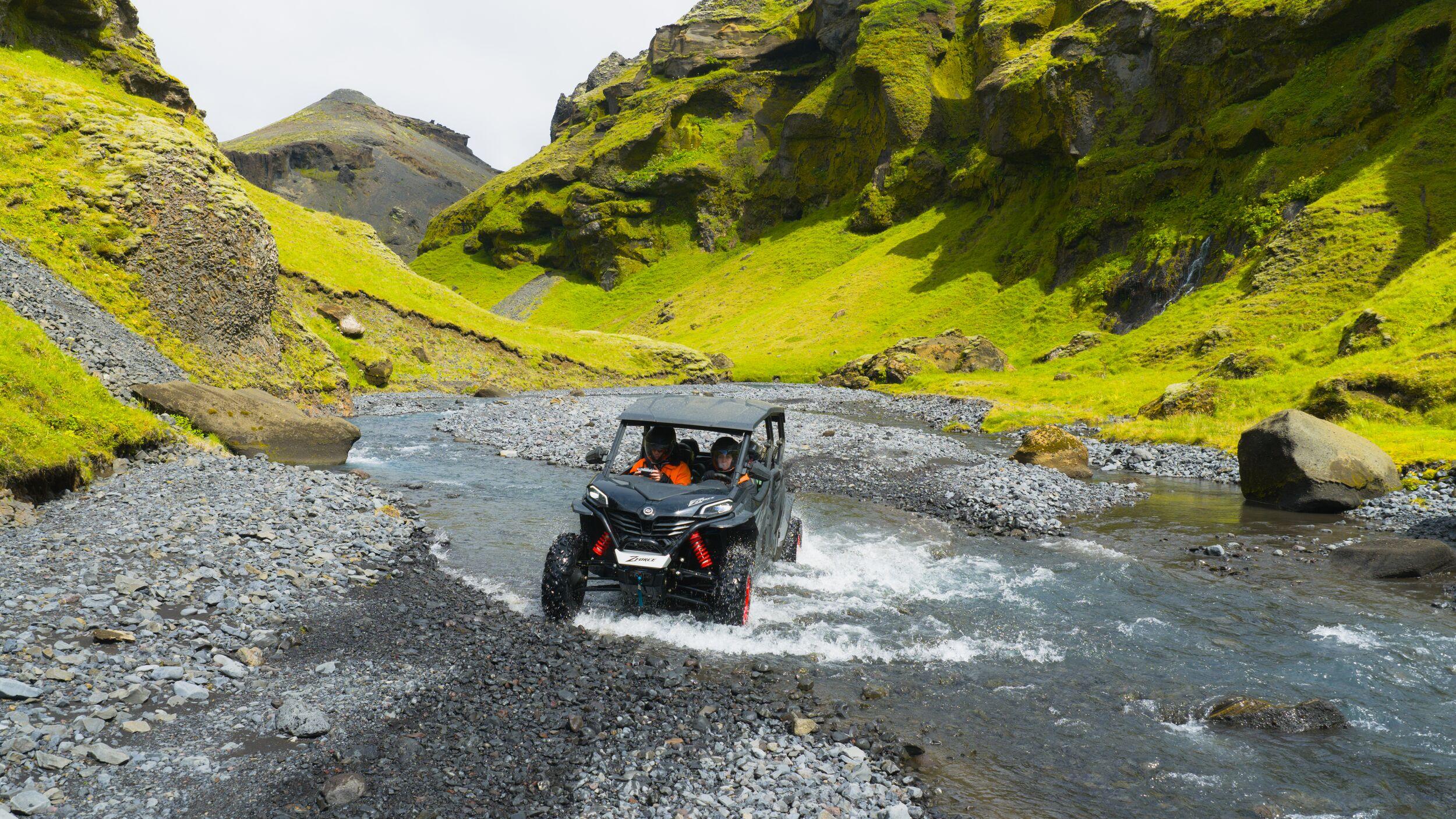
Family Buggy Experience in South Iceland
Snæfellsjökull: The Glacier, The Volcano, The Legend
At the tip of the Snæfellsnes Peninsula rises Snæfellsjökull, a glacier-capped stratovolcano steeped in both geology and legend. This is the mountain that inspired Jules Verne’s Journey to the Centre of the Earth, and standing on its slopes, it’s easy to understand why.
Snæfellsjökull offers sweeping views of ocean, lava fields, and ice in a single panorama. It is a powerful symbol of Iceland’s “ice and fire” identity—where myth, science, and landscape intersect.
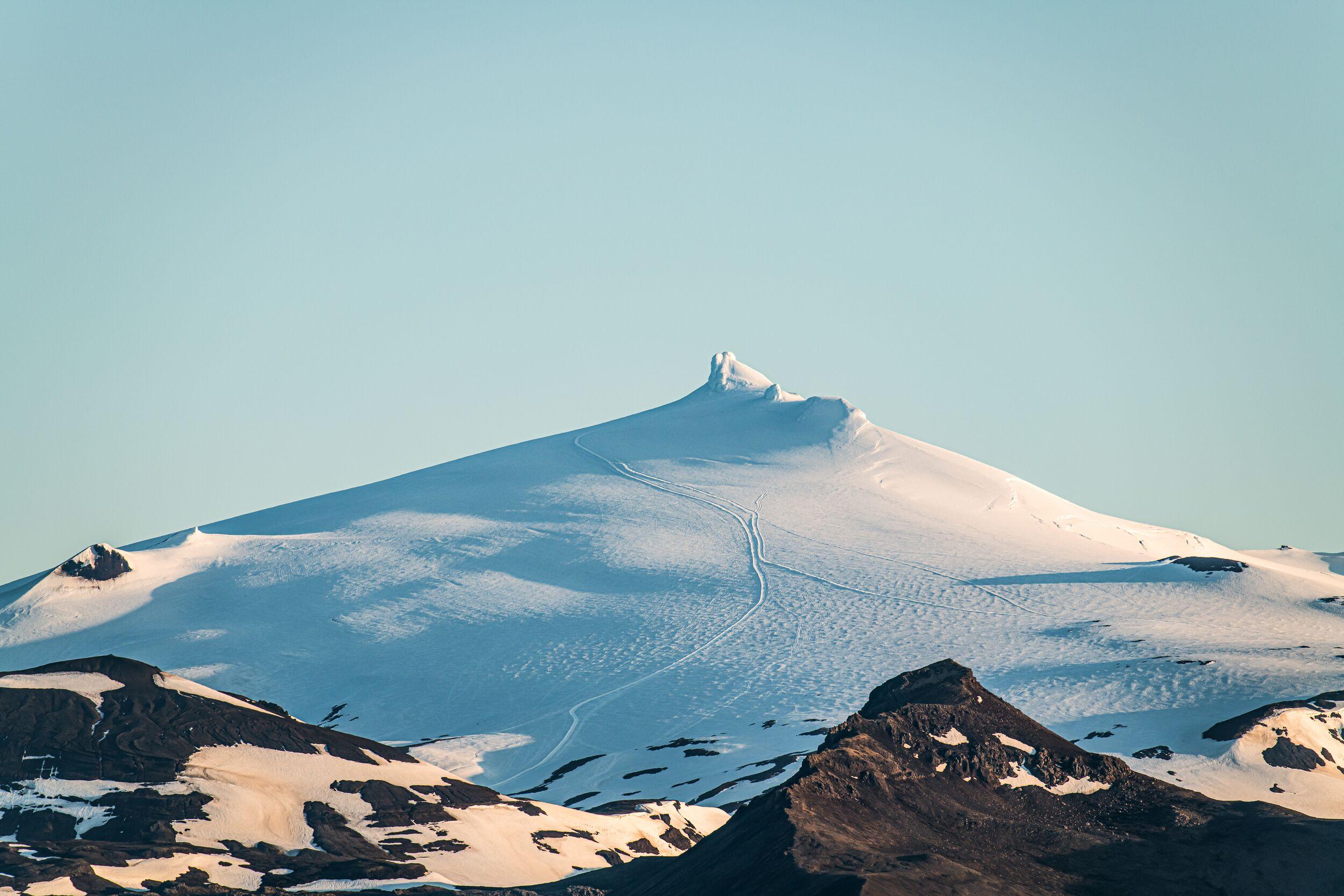
IMG’s top tours and treks for experiencing Snæfellsjökull
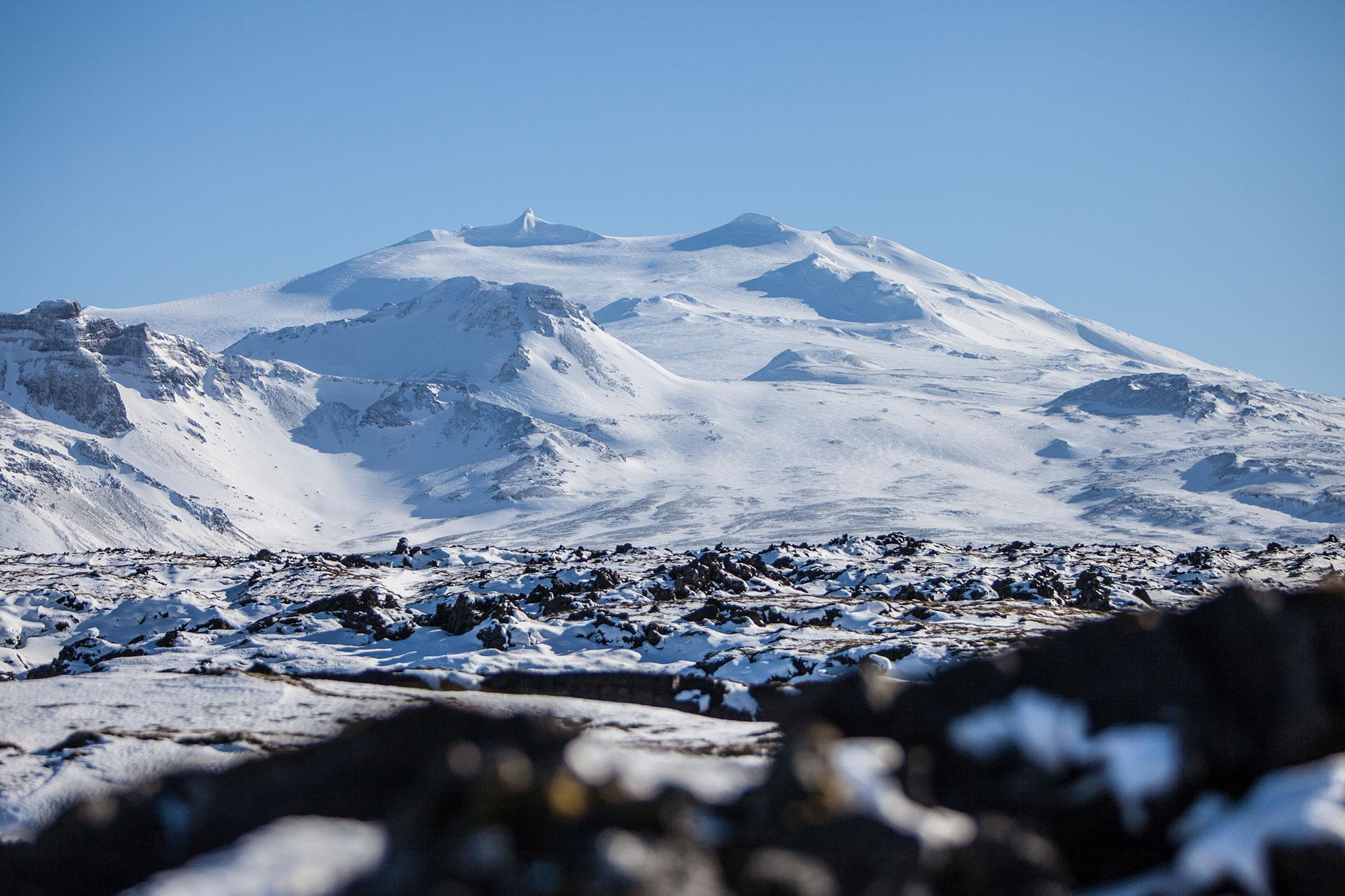
Snæfellsjökull Summit Hike
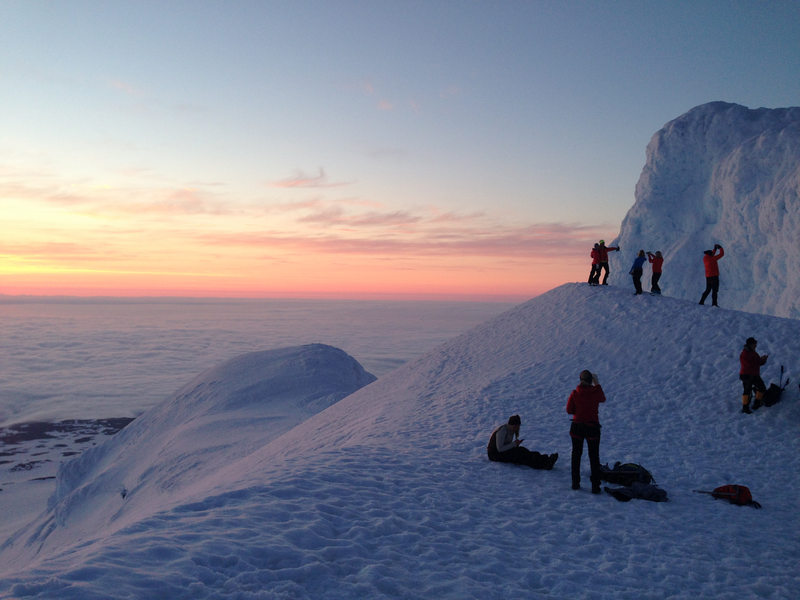
Experiencing Fire and Ice with Icelandic Mountain Guides
The most meaningful way to understand Iceland’s glaciers and volcanoes is to walk among them. Glacier walks offered by Icelandic Mountain Guides are designed to bring visitors safely and respectfully into these environments, guided by experts who understand both the terrain and its deeper story.
From introductory glacier walks on the South Coast to more immersive hikes on Vatnajökull, these experiences allow travellers to:
- Walk on ancient ice shaped by volcanic eruptions
- Learn how glaciers form, move and change
- See firsthand how volcanic ash alters ice flow
- Explore crevasses, ridges and ice formations up close
All tours are led by certified guides and include necessary glacier equipment, allowing participants to focus on the experience rather than logistics. The emphasis is not just on reaching a destination, but on understanding where you are standing and why it looks the way it does.
These glacier walks are not about conquering nature. They are about moving through it thoughtfully, gaining insight into the forces that continue to shape Iceland every day.
Enter a Living Landscape of Ice and Fire
Iceland’s reputation as the “land of fire and ice” is not a cliché, it is a literal description of a country built by volcanoes and reshaped by glaciers. These forces are not locked in the past. They are active, visible and deeply intertwined.
To walk on an Icelandic glacier is to step into that story. You feel the cold of the ice, see the dark traces of volcanic ash and understand that beneath your feet lies a restless Earth. It’s an experience that deepens your appreciation of Iceland’s landscapes and reminds you that this island is still being written, layer by layer.
For adventure-minded travellers, glacier walks and hikes offer more than scenery. They offer connection—to geology, to time, and to the remarkable balance between fire and ice that defines Iceland.
And once you’ve felt that balance, Iceland never quite looks the same again.
Experience the duality for yourself with Icelandic Mountain Guides.
FAQ about Glaciers and Volcanoes in Iceland
What causes glaciers and volcanoes to coexist in Iceland?
Iceland’s unique geology is responsible for the dramatic coexistence of glaciers and volcanoes. The island sits atop the Mid-Atlantic Ridge, where the North American and Eurasian tectonic plates are pulling apart. This process allows magma from deep within the Earth to rise to the surface, building volcanic mountains. At the same time, the country’s northern latitude leads to cold temperatures and significant snowfall, allowing thick ice caps to form over these volcanic landscapes. Over thousands of years, repeated cycles of volcanic eruption and glacial growth have created a landscape where ice blankets fire, and fire reshapes ice.
Which glaciers in Iceland sit atop active volcanoes?
Several of Iceland’s largest ice caps conceal active volcanic systems beneath their frozen surfaces. Notable examples include:
- Vatnajökull — Europe’s largest glacier, covering multiple volcanic systems including Grímsvötn, Bárðarbunga, and others.
- Mýrdalsjökull — Home to the powerful Katla volcano, known for its explosive history.
- Hofsjökull — A broad ice cap with volcanic roots.
- Eyjafjallajökull — Although smaller, this glacier overlays the well-known volcano that disrupted air travel in 2010.
These volcanoes are monitored carefully by scientists, and their activity plays a role in shaping the ice above them.
Can I walk on a glacier safely, and what gear is needed?
Yes — you can walk on a glacier safely when you are with experienced guides who know how to move on ice. Glaciers are dynamic environments with crevasses and uneven surfaces, so proper equipment and guidance are essential.
Basic gear for glacier travel typically includes:
- Crampons (for traction on ice)
- A harness and rope system
- An ice axe
- Helmet (on certain routes)
- Sturdy hiking boots compatible with crampons
When you join a glacier tour with Icelandic Mountain Guides, all essential glacier equipment is provided and fitted for you, and guides teach you how to move confidently and securely on the ice.
Where is a good place to join a glacier walk near volcano terrain?
Several locations in Iceland offer thrilling glacier walks that bring you close to volcanic landscapes:
- Sólheimajökull on the South Coast — A popular and dramatic glacier outlet of Mýrdalsjökull. It’s easily accessible and showcases volcanic ash layers and ice formations.
- Vatnajökull — For larger-scale glacier experiences, including terrain shaped by multiple volcanoes.
- Mýrdalsjökull itself — Near the Katla volcanic system and perfect for those interested in the interplay between fire and ice.
These areas combine glacier landscapes with volcanic context, offering both aesthetic beauty and geological insight.
How does volcanic activity beneath glaciers affect safety and the landscape?
Volcanic activity beneath a glacier can influence both safety and the shape of the ice surface. When a volcano erupts under an ice cap, heat can melt ice rapidly, leading to sudden jökulhlaups (glacial outburst floods). These floods can drastically reshape river valleys and coastal plains.
Subsurface geothermal heat can also create features such as ice cauldrons, moulins, and crevasses that change over time. Guides stay informed about volcanic monitoring and adjust routes and timing as needed to ensure safety. While spectacular, this interaction reminds us that glaciers are not static — they are living, evolving features influenced by both climate and volcanic heat.
What time of year is best for glacier-volcano themed tours in Iceland?
The best time for glacier and volcano-focused tours in Iceland is during the main summer season, when conditions are most stable for walking on ice — generally from late spring through early autumn. In these months, daylight is long, weather conditions are relatively predictable, and snow cover on glaciers provides good footing.
Guided glacier walks with Icelandic Mountain Guides are scheduled to take advantage of the safest windows for travel on ice. Our guides monitor weather and terrain conditions closely before every tour.
How do I choose between a short glacier walk and a more challenging glacier expedition?
Choosing between a short glacier walk and a more serious glacier expedition depends on your interests, fitness, and experience:
Short glacier walks are ideal if you want to experience the surface of a glacier, learn basic techniques, and enjoy dramatic ice landscapes without undertaking a long or strenuous day. These are great for most travellers with a reasonable level of fitness.
More challenging glacier expeditions involve longer distances, steeper terrain, and deeper immersion into glaciated areas. These require stronger fitness and comfort with extended time on ice.
If you’re unsure, guides are an excellent resource and will help match you with the right experience based on your goals and comfort level.
What does the tour with Icelandic Mountain Guides include?
A glacier tour with Icelandic Mountain Guides typically includes:
- Professional, certified guides with deep local knowledge
- All necessary glacier safety equipment (crampons, ropes, harnesses, ice axes)
- Instruction and guidance on travel techniques specific to glaciers
- Transportation details and meeting points as laid out in your tour information
Participants are asked to bring appropriate personal gear (clothing, boots, food and water) but do not need to provide technical glacier equipment themselves.
How are the glaciers changing due to climate and why does that matter for tours?
Iceland’s glaciers are visibly changing due to shifts in climate. Warmer temperatures and changing precipitation patterns cause many glaciers to thin and retreat. These changes affect glacier features like crevasses, moulins and ice cliffs — and they can alter how guides navigate the terrain.
Understanding glacier change is part of responsible guiding. Guides monitor conditions continuously and adjust routes to ensure safety. Travellers on glacier tours not only see spectacular landscapes but also witness how climate shapes the natural world.
What should I pack and prepare for a glacier walk in Iceland?
To make the most of your glacier walk experience, pack and prepare the following:
- Sturdy, waterproof hiking boots that fit crampons (we’ll provide those)
- Weather-appropriate layers, including a waterproof outer shell
- Warm mid-layers (fleece or down)
- Hat, gloves, and extra pairs of both
- Sunglasses and sun protection
- Snacks and enough water for the day
- A small daypack to carry your gear comfortably
Good preparation helps you stay comfortable and focused on the landscape — the ice underfoot, the volcanic terrain all around, and the unforgettable sense of moving across a dynamic, ever-changing environment.
Keep me informed about the Icelandic Mountain Guides Blog
Outdoor adventure in Iceland is our specialty. Subscribe to our free monthly newsletter to learn when to go, what to do and where to have the best adventures in Iceland.
Related Blog Posts
Related Tours
Skaftafell Blue Ice Cave Tour & Glacier Hike
ATV & Glacier Hike Combo
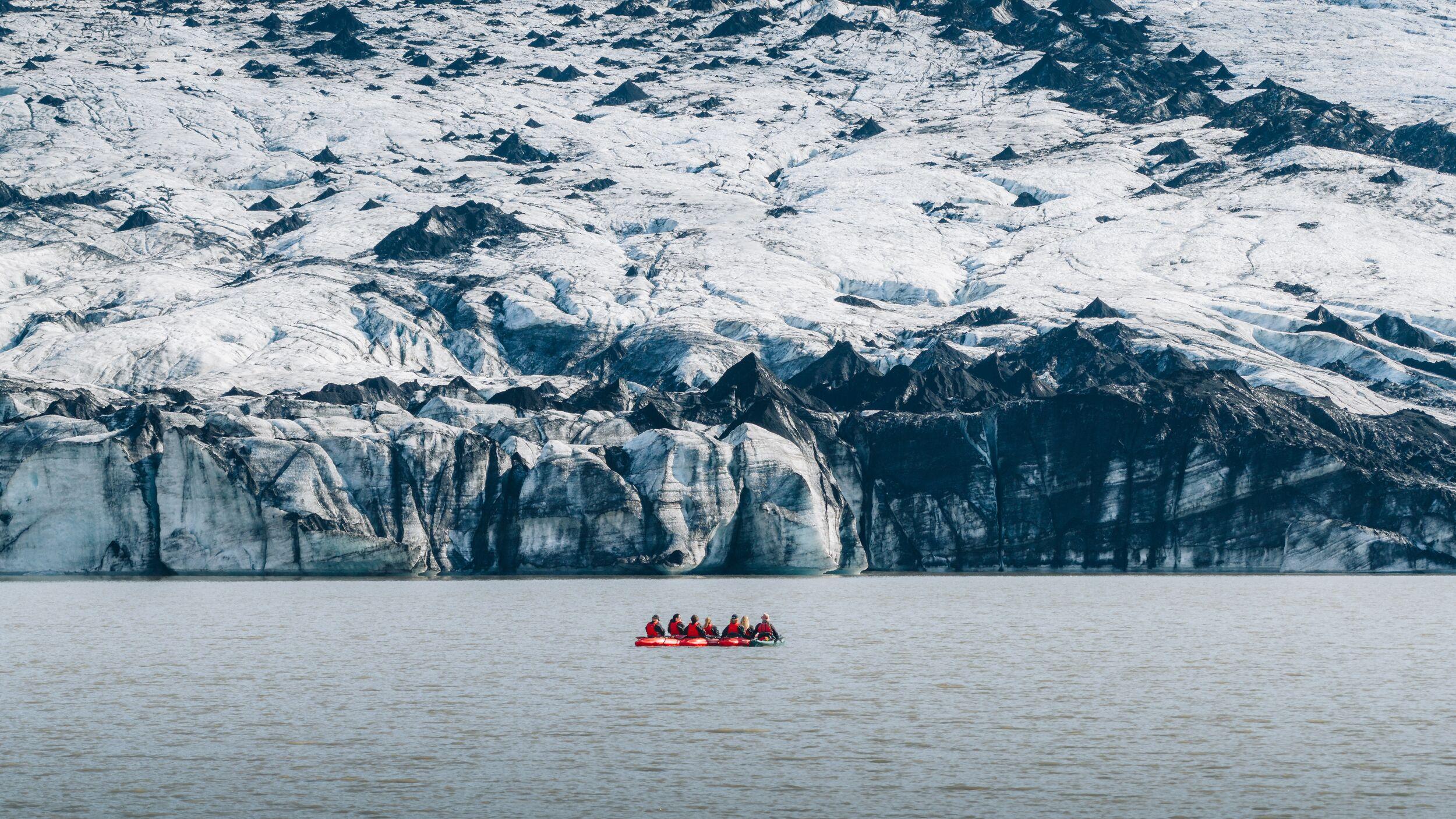
Kayaking by the Glacier
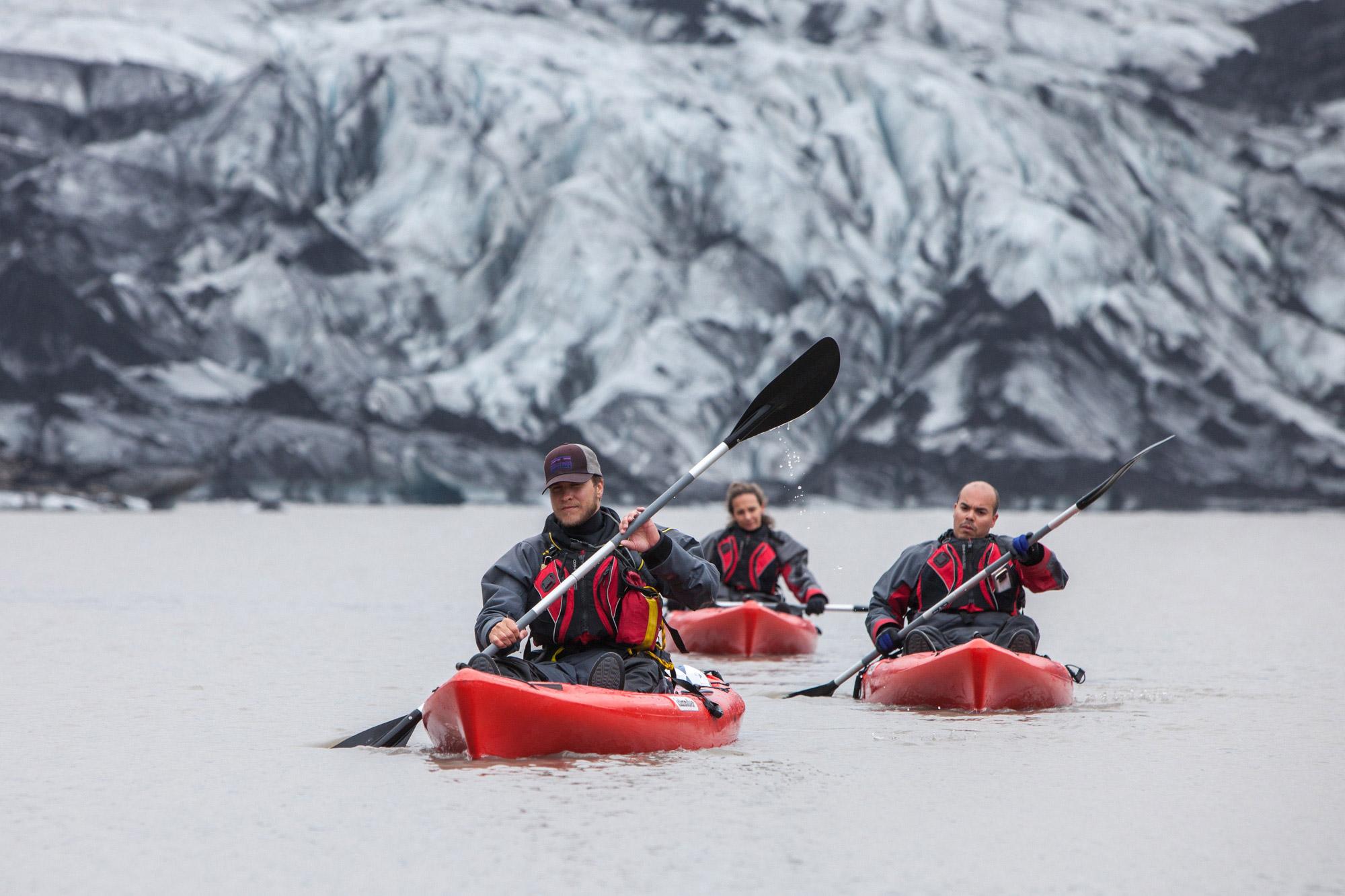
South Coast & Glacier Kayak