Highlands of Iceland Travel Guide
| All, Travel Guide, highlands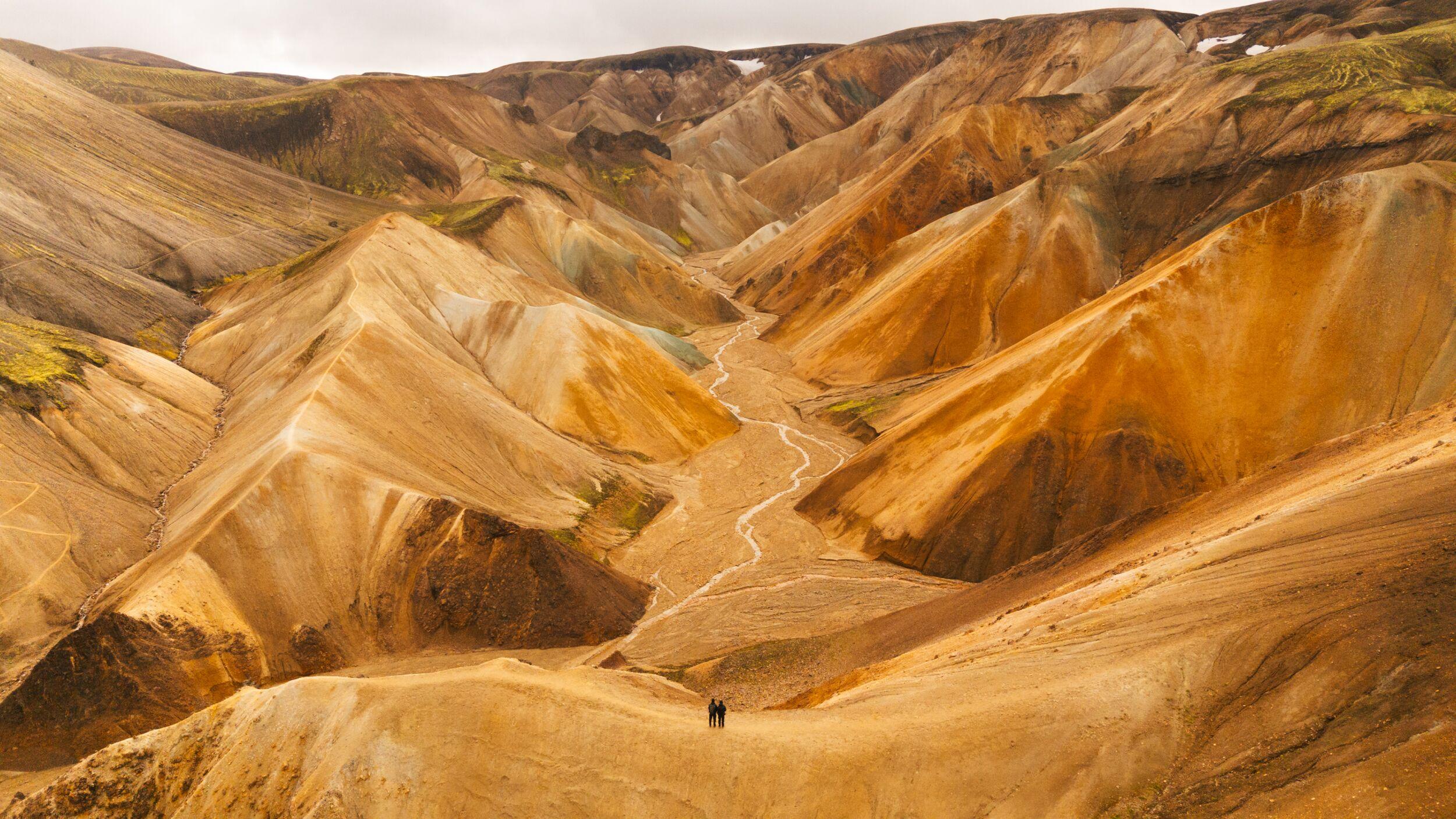
Are You Ready to Explore Iceland's Wild Interior
The highlands of Iceland offer something different from the country's well-known coastal routes. This is the interior of the country — remote, largely uninhabited, and shaped by volcanic activity, glaciers, and time. You won't find towns or busy infrastructure here. Instead, you'll move through lava fields, cross glacial rivers and follow highland roads that cut through wide, open landscapes.
For many travellers, the highlands of Iceland represent a shift in pace. While travelling the Ring Road delivers iconic sights with relative ease, venturing into the rugged highlands asks more of you. More planning, more awareness, and a greater willingness to adapt to changing conditions.
In return, you gain access to terrain that feels less travelled and more raw.
This is where Iceland's geology is at its most visible. Travellers here see firsthand how volcanic systems shape the land, how geothermal areas continue to evolve and how glaciers influence everything around them. For those interested in hiking trails, multi-day trekking, or simply understanding Iceland beyond the surface level, the highlands of Iceland are worth the effort.
What Are the Highlands of Iceland?
The highlands of Iceland refer to the central plateau that covers much of the nation's interior. This region sits above roughly 400–500 metres in elevation and is defined by its rugged, often inhospitable conditions.
Key characteristics of Iceland's highland region:
- Located in the central highland, away from coastal settlements
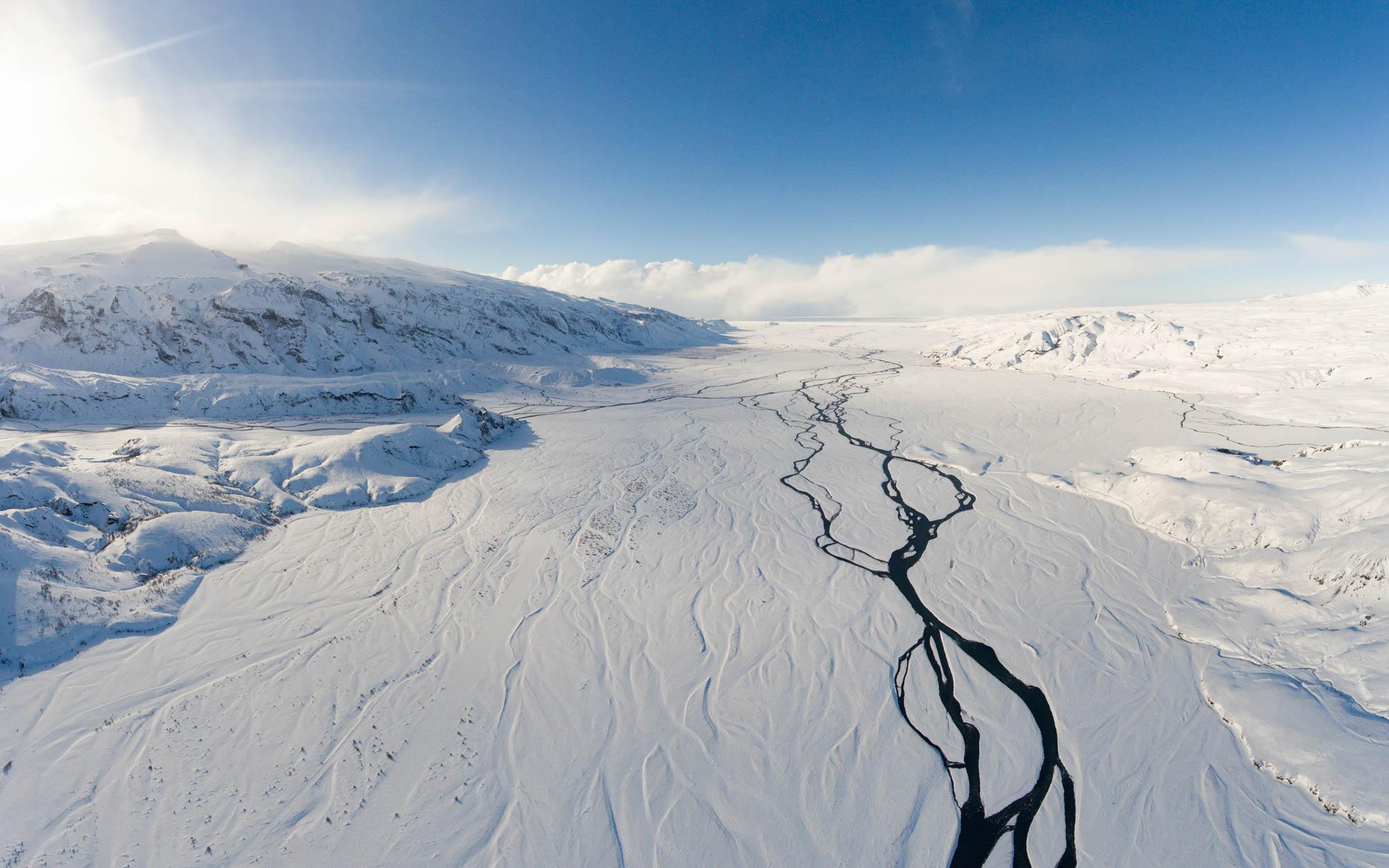
- Dominated by lava fields, volcanic deserts and glacier-fed rivers
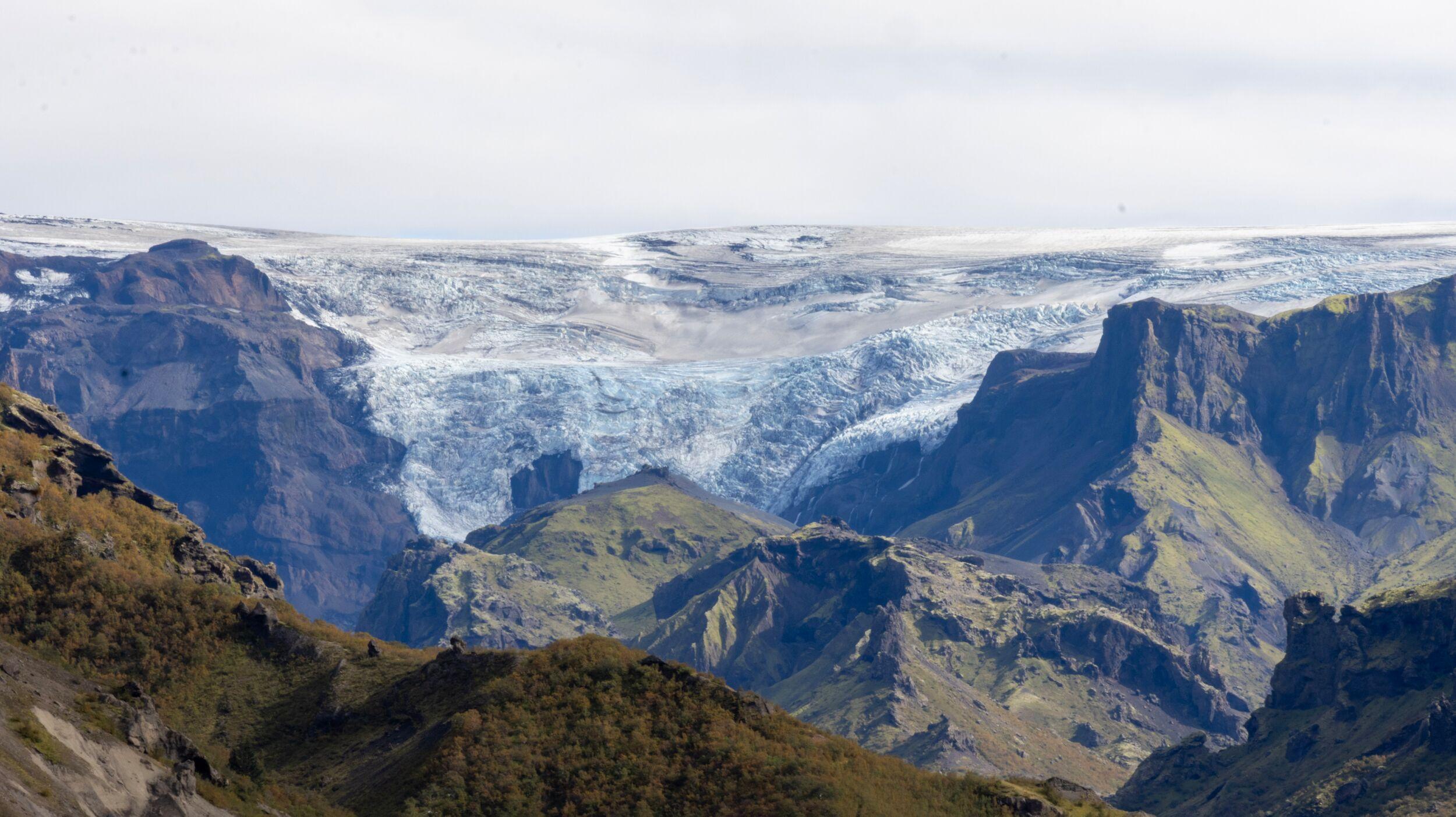
- Home to some of Iceland's largest glaciers, including Vatnajökull
- Limited infrastructure, with access primarily via highland roads (F-roads)
Compared to the greener, more developed areas of South Iceland, the highlands feel stark and open. The vegetation is sparse, the weather can shift quickly, and the roads are often unpaved and can include river crossings.
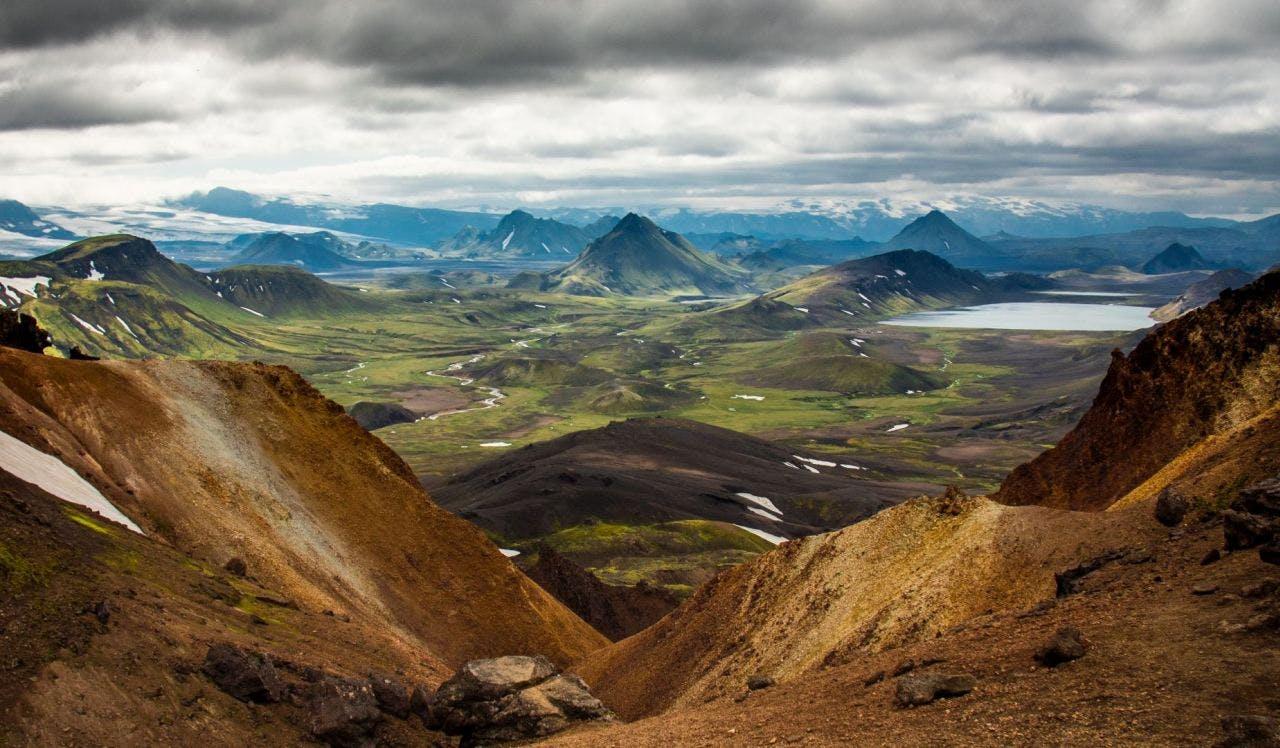
What makes the highlands of Iceland compelling is this contrast. Within a single journey, you might pass:
- Black volcanic plains
- Bright green moss-covered slopes
- Steaming geothermal areas
- Clear crater lakes
It's a landscape that rewards attention. And it's best experienced with ample time and preparation.
Key Destinations to Explore in the Highlands of Iceland
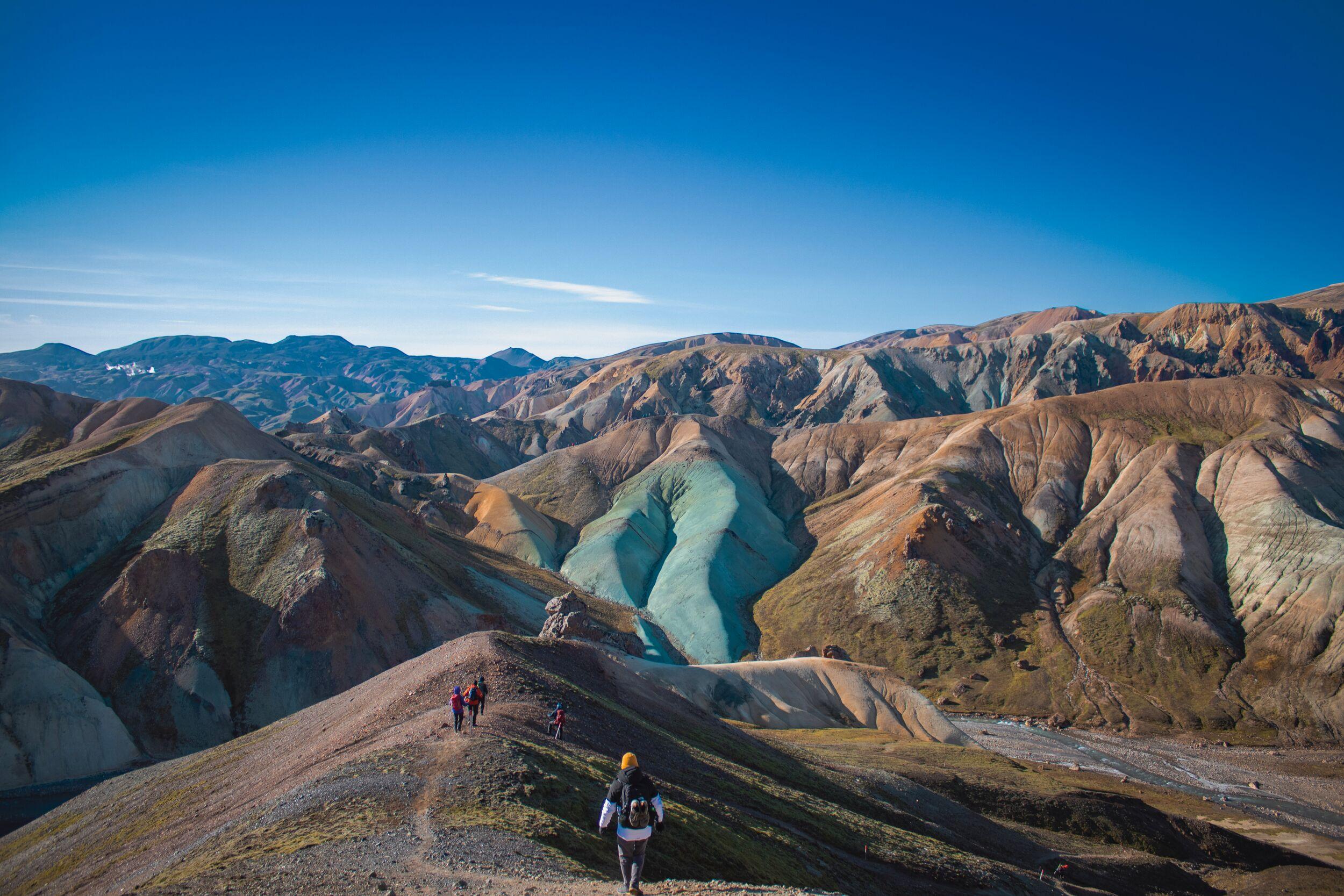
Landmannalaugar
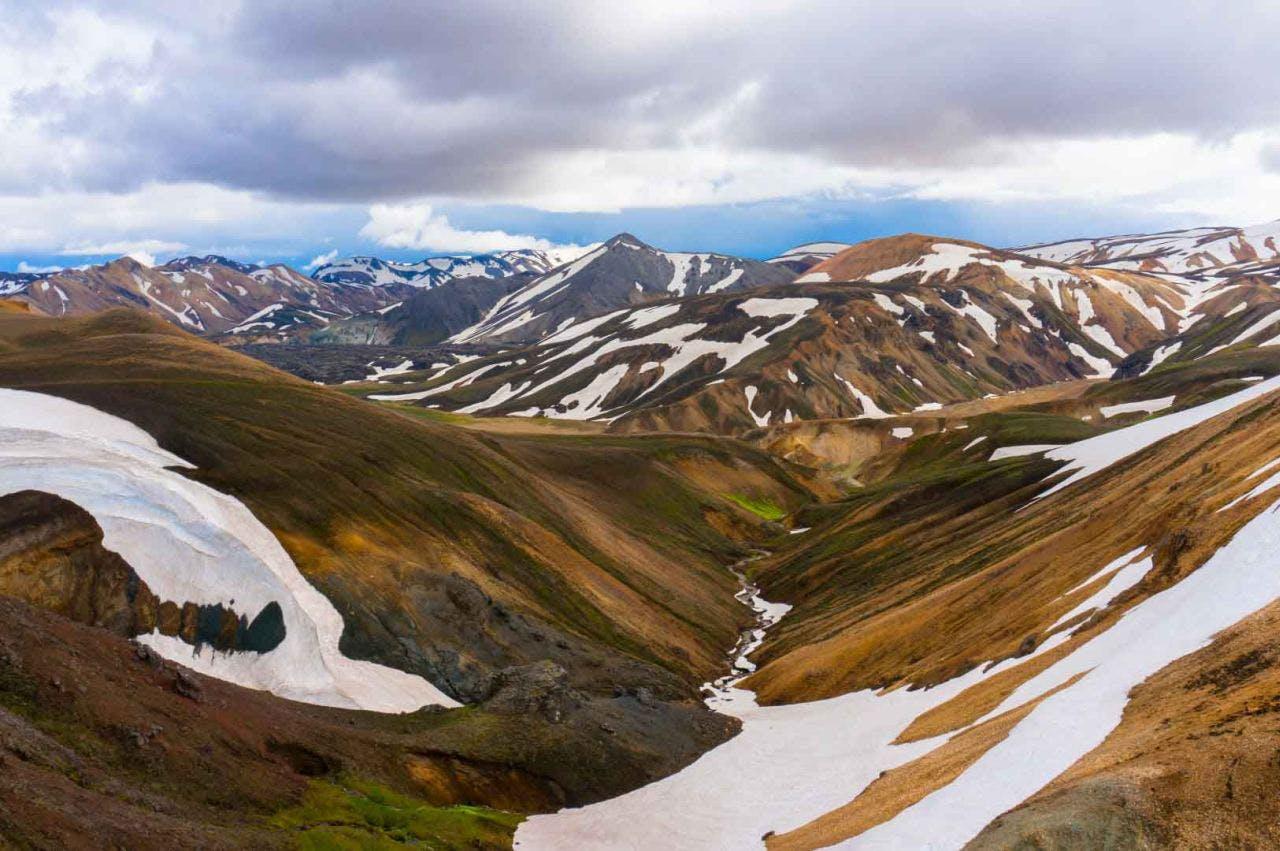
Located in the Fjallabak Nature Reserve, Landmannalaugar is one of the most accessible and visually distinct areas in the highlands of Iceland.
Known for its colourful rhyolite mountains, this geothermal area features:
- Active hot springs suitable for bathing
- Well-marked hiking trails
- Lava fields formed by historic eruptions
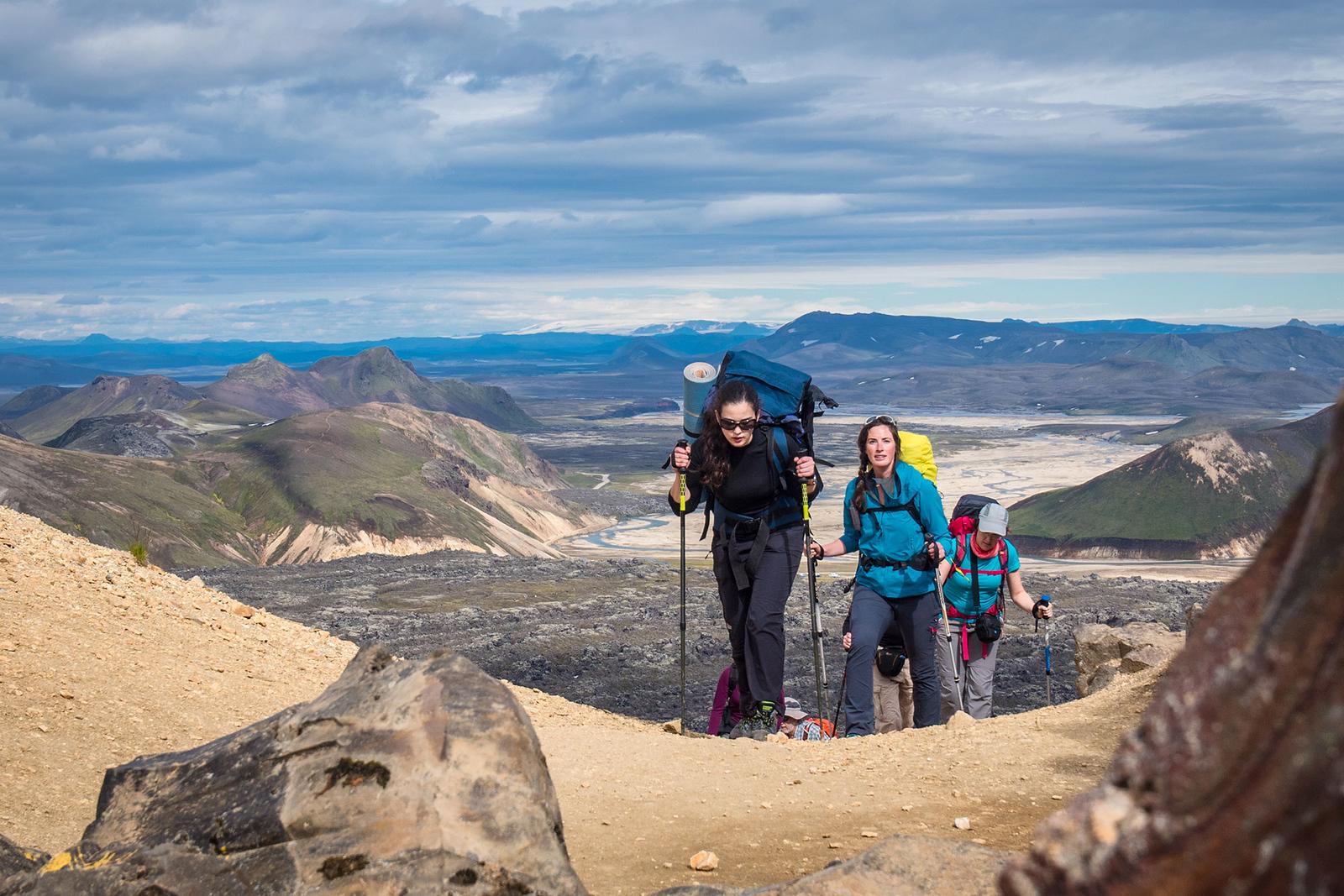
It's also the starting point of the Laugavegur trail, one of the best hikes in Iceland.
Þórsmörk
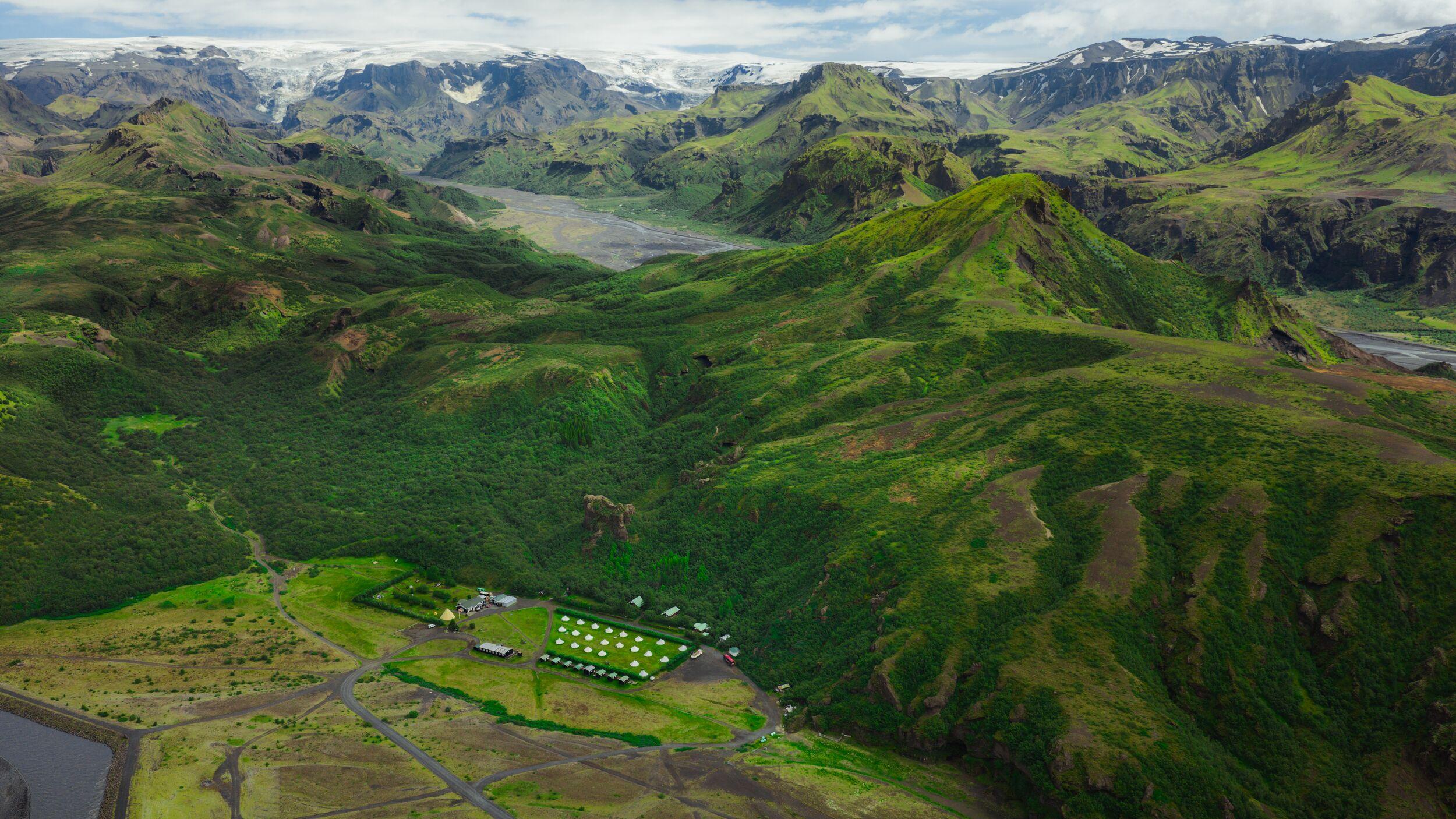
Þórsmörk sits between the Tindfjallajökull and Eyjafjallajökull glaciers in South Iceland, creating a sheltered valley with surprising vegetation.
What sets it apart:
- Surrounded by glaciers
- Dense birch woodland — a rarity in Iceland
- Extensive hiking trails and ridge walks
The Þórsmörk area is ideal for multi-day trekking. It offers a mix of technical terrain and accessible routes.
Askja & Víti Crater
Located deep in the highlands of Iceland, Askja is a volcanic caldera formed by powerful eruptions.
Key features:
- Large crater lakes, including Öskjuvatn
- The smaller Víti crater, known for its geothermal waters
- Evidence of ongoing volcanic activity
This region feels truly remote. Reaching it involves long drives across highland roads, often requiring a 4x4 vehicle.
Kerlingarfjöll & Hveradalir
Kerlingarfjöll is a mountain range known for its active geothermal area at Hveradalir.
Expect:
- Steam vents and bubbling ground
- Bright mineral deposits colouring the hillsides
- Hiking trails through dynamic terrain
This is one of the more accessible geothermal areas in the highlands of Iceland, with a range of hiking options.
Hveravellir Nature Reserve
Positioned between two of Iceland's largest glaciers — Langjökull and Hofsjökull — Hveravellir is a geothermal oasis in the central highland.
Highlights include:
- Natural hot springs
- Wide open plains
- Proximity to major highland routes
It's often used as a stop along longer journeys through the highlands of Iceland.
Lakagígar
Lakagígar is a volcanic fissure system formed during the Skaftáreldar eruptions in 1783-1784, one of Iceland's largest eruptions in recorded history.
What you'll find:
- A row of volcanic craters stretching across the landscape
- Moss-covered lava fields
- Far-reaching views across south Iceland
The scale of this crater system is difficult to grasp until you see it in person.
Sprengisandur
Sprengisandur is not a single site but a highland route that cuts through the interior.
Characteristics:
- Long, isolated stretches of black sand and volcanic desert
- Minimal infrastructure
- River crossings and variable road conditions
It's one of the most remote areas in the highlands of Iceland, best suited to experienced travellers or guided expeditions.
Experiencing the Highlands with Icelandic Mountain Guides
Travelling through the highlands of Iceland requires more than a map. Conditions change quickly, and access depends on season, weather forecasts, and road conditions.
When to visit
- Summer (June–September): Summer is the primary access season when most highland roads open.
- Winter: There is limited access to the highlands during the winter months, making it largely accessible only to experienced travellers with specialised equipment and vehicles. Read more about hiking the Icelandic Highlands during winter.
Ways to explore
By vehicle (4x4 only):
- Required for most highland roads
- Includes river crossings and rough terrain
On foot (trekking):
- Multi-day hiking trails
- Requires navigation skills and preparation
With guides:
- Structured itineraries
- Access to remote areas with safety support
Top ways to experience the highlands
4-Day Laugavegur Backpack Trek
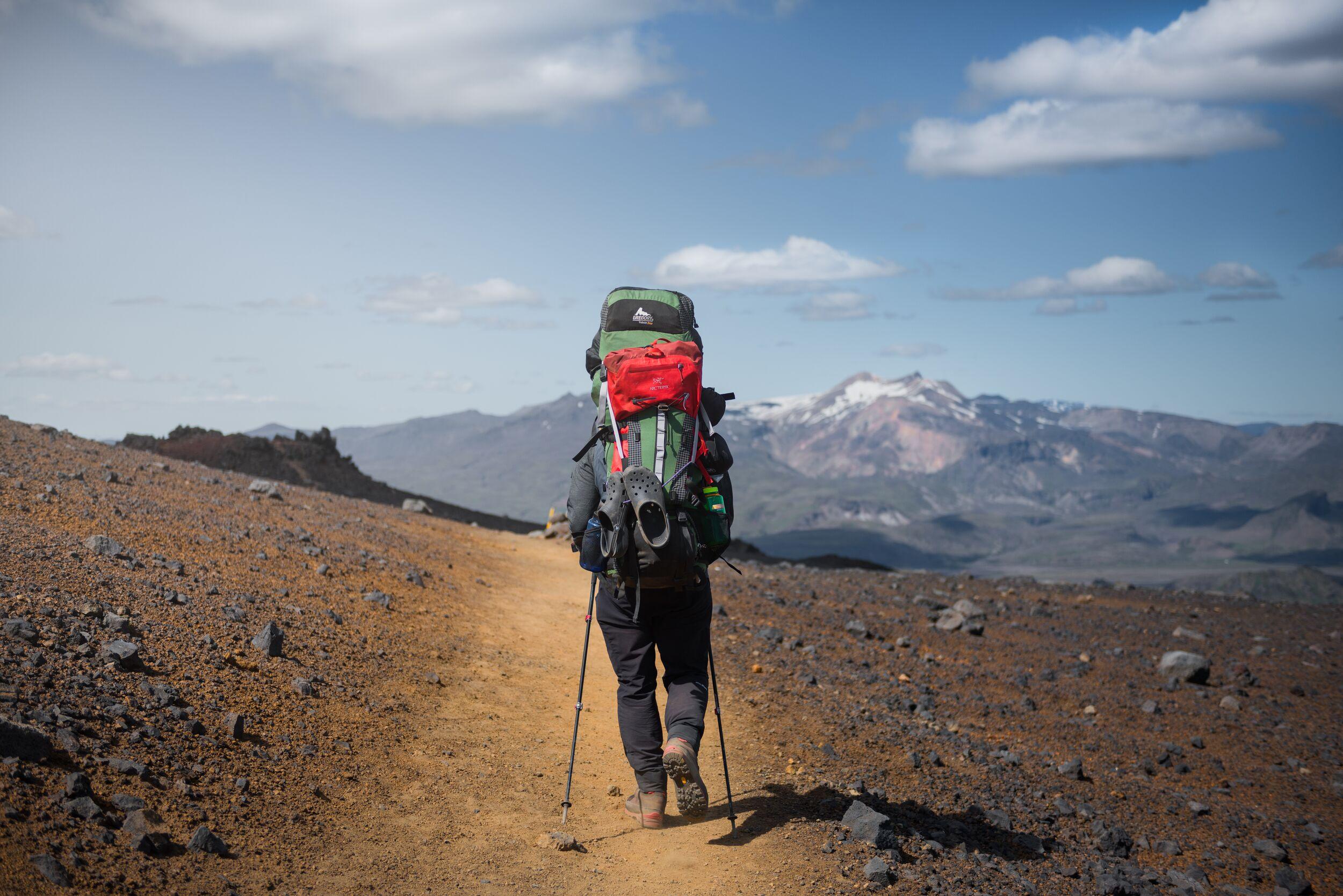
A classic multi-day trek across the highlands of Iceland, following the Laugavegur trail from Landmannalaugar to Þórsmörk. This is a true backpacking experience—you carry your own gear and move through changing terrain that includes rhyolite mountains, black sand deserts, geothermal areas, and glacial valleys. Each day involves 4–7 hours of hiking, with overnight stays in mountain huts. The route covers roughly 56 km and requires solid fitness and comfort with multi-day trekking. It’s a practical, immersive way to experience the highlands at ground level.
Fimmvörðuháls Day Hike
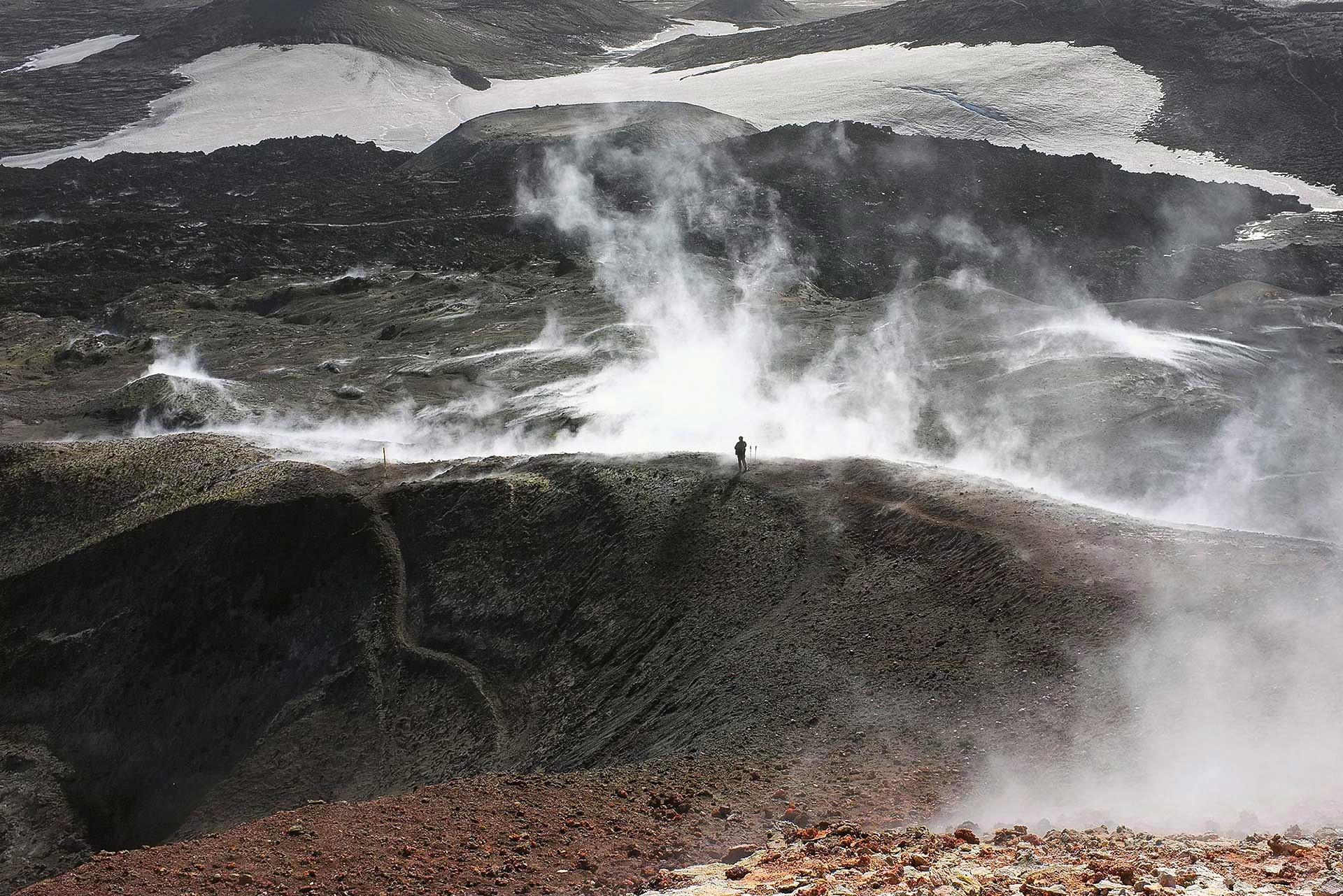
A long, demanding day hike connecting Skógar and Þórsmörk via the Fimmvörðuháls pass. This route traverses between glaciers and crosses terrain shaped by recent volcanic eruptions. Expect a full day on foot with sustained elevation gain, exposed sections, and a steady pace throughout. Along the way, you'll pass waterfalls, lava fields, and high mountain viewpoints. This hike is best suited to experienced hikers looking for a focused, high-effort day in the highlands of Iceland, with varied terrain and clear objectives.
4-Day Hiking Adventure in Þórsmörk
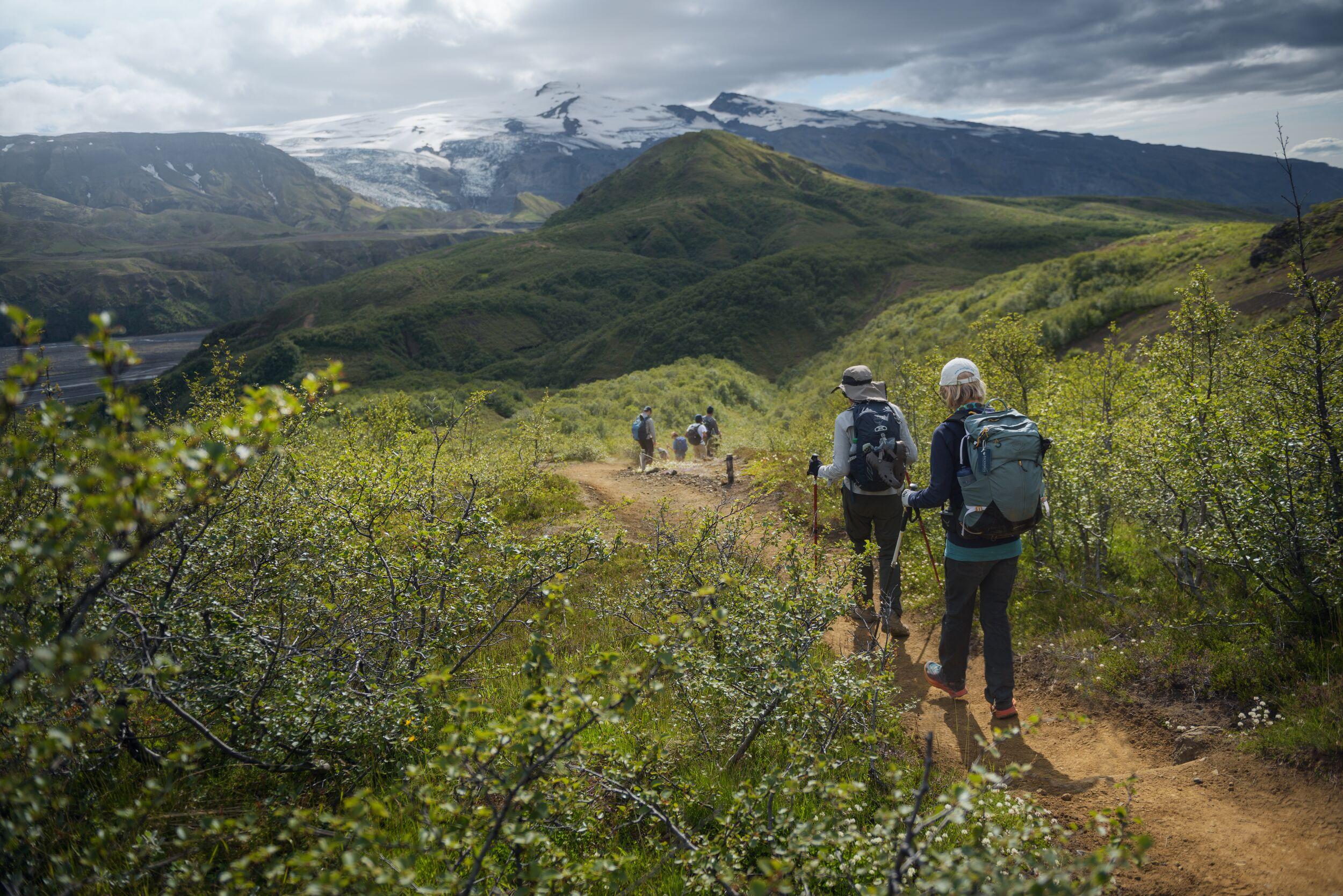
A multi-day trek through one of the most varied landscapes in the highlands of Iceland. This route explores the glacier valley of Þórsmörk, with daily hikes across lava fields, ridgelines, and river valleys. You'll move between viewpoints and lesser-known trails, with time to understand the terrain rather than rush through it.
Accommodation is in a mountain hut, creating a steady base for exploration. Expect 6–7 hours of hiking per day, moderate elevation gain, and a pace suited to active travellers with some prior experience.
The Green Ridge Hike
A focused, challenging day hike into the Fjallabak Nature Reserve, centred on the distinctive green rhyolite ridge of Grænihryggur. The route covers 18–20 km with sustained ascent and a full day on foot. Terrain includes uneven volcanic ground and small river crossings, requiring good fitness and preparation. This is a strong option for hikers who want a single-day effort with a clear objective and striking geological features. Transport and guiding are included, allowing you to focus on the hike itself.
Sprengisandur Ski Expedition
A winter crossing of the highlands of Iceland along the remote Sprengisandur route. This is a multi-day ski expedition through one of the most isolated areas in the country, travelling across open volcanic desert between glaciers. Conditions are exposed, with no infrastructure and limited shelter. The experience is designed for experienced, self-sufficient travellers comfortable with endurance travel in cold environments. With guide support, logistics and safety are managed carefully, allowing you to move steadily through this rarely visited terrain.
Before You Go: Understanding F-Roads and Access
Access to the highlands of Iceland is primarily via F-roads (mountain roads).
What are F-roads?
- Unpaved highland roads
- Marked with an "F" (e.g. F35, F26)
- Often include river crossings
Road conditions
- Rough surfaces (gravel, sand, lava rock)
- No bridges over many rivers
- Conditions change with weather and meltwater levels
Are F-roads open year-round?
No, they're typically open from June to early autumn, and closed during winter due to snow and unsafe conditions. Always check current road conditions and weather forecasts before travel.
Can anyone drive on F-roads?
Technically yes, but:
- A 4x4 vehicle is required
- Experience with off-road driving is strongly recommended
- Insurance may not cover river damage
For many travellers, guided travel is the safer and more efficient option.

Ready For The Remote?
The highlands of Iceland are not the easiest part of the country to visit — and that's part of their appeal. This is where the landscape feels most exposed, shaped by volcanic activity and glacial forces without much interference.
You won't find the same level of infrastructure as along the Ring Road. Instead, you'll find space, quiet and terrain that requires attention. For travellers willing to prepare, the highlands of Iceland offer a deeper understanding of the country. It's not about covering distance quickly. It's about moving through a landscape that is still actively forming.
If you're one to seek out experiences away from the beaten path, the highlands of Iceland are well worth considering.

Frequently Asked Questions About the Iceland Highlands
Are the Iceland Highlands worth it?
Yes—the highlands of Iceland are absolutely worth visiting if you’re looking for a more remote, immersive experience.
This is where Iceland feels most open and unfiltered: volcanic deserts, glacier-fed rivers, crater lakes, and wide open lava fields with very little infrastructure in between. It’s a noticeable contrast to the Ring Road, where access is easier and landscapes are more developed.
The trade-off is planning. The highlands require more preparation, awareness of weather conditions, and either a capable 4x4 vehicle or a guided experience. But for travellers who are comfortable with that, the reward is space, quiet, and landscapes that feel less travelled.
What is considered the Highlands in Iceland?
The highlands of Iceland refer to the central interior of the country—an elevated plateau that sits between the main coastal regions.
This area is defined by:
- Remote location, away from towns and the Ring Road
- High elevation, typically above 400–500 metres
- Large areas of volcanic terrain, lava fields, and glacier margins
- Minimal vegetation and no permanent settlements
Regions commonly included in the highlands are Landmannalaugar, Þórsmörk, Askja, Kerlingarfjöll, Hveravellir and Sprengisandur.
Unlike the coastal areas, highland roads are unpaved, infrastructure is limited and access is seasonal. What you get in exchange for your extra effort is a vast, raw landscape shaped by volcanic activity, glaciers and time. The highlands are best experienced with preparation and respect for the environment.
When to avoid the Highlands?
You should generally avoid the highlands of Iceland outside the main summer season.
Most highland roads are only open in the warmer months, and even then access depends heavily on conditions. Snow, river levels, and weather can all close routes without much notice.
It’s best to avoid travelling here if:
- You are visiting in winter or shoulder seasons
- Weather forecasts are unstable or poor visibility is expected
- You are not prepared for river crossings or rough road conditions
- Your schedule does not allow flexibility for delays or route changes
Even in summer, the highlands require a cautious approach. Conditions can change quickly, and access is always dependent on nature, not convenience. Always check road and weather conditions before travelling.
Keep me informed about the Icelandic Mountain Guides Blog
Outdoor adventure in Iceland is our specialty. Subscribe to our free monthly newsletter to learn when to go, what to do and where to have the best adventures in Iceland.
Related Blog Posts
Related Tours
4-Day Laugavegur Trek (Huts)
Day Hike over Fimmvörðuháls
4-Day Thorsmork Glacier Valley Hiking Adventure