Hiking in Iceland Month to Month Guide
| All, Travel Guide, highlands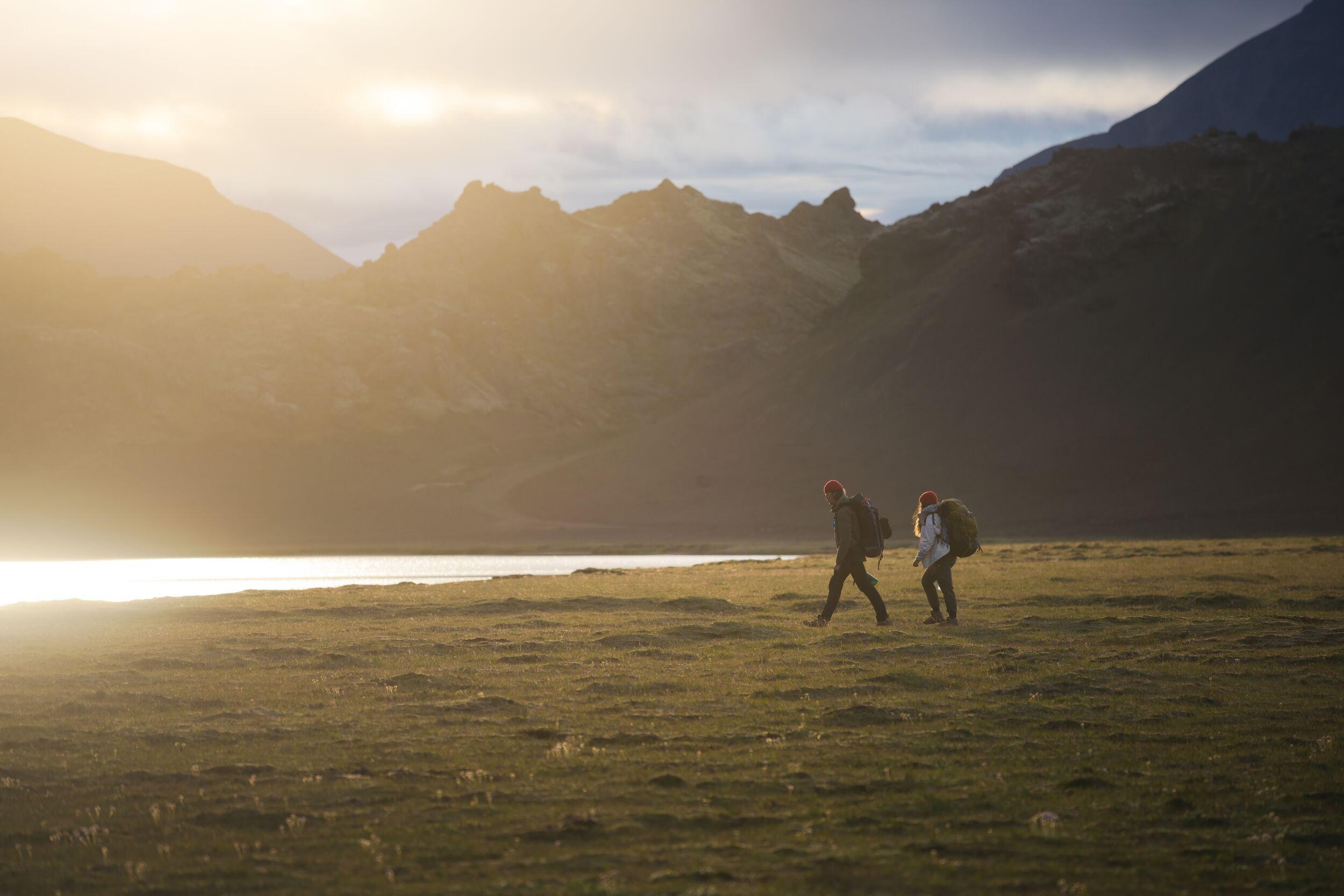
From short walks near Reykjavík to ambitious multi-day routes through the Highlands, hiking in Iceland offers something for every type of traveller. Summer opens access to some of the country’s most famous trails, while the colder months bring the chance to experience glacier hiking, winter landscapes and the Northern Lights in Iceland.
Choosing when to hike depends on what you want to see and how you want to travel. Conditions can change dramatically throughout the year, so understanding the seasons is an important part of planning a safe and rewarding adventure.
Whether you are preparing for a challenging Highland trek, exploring volcanic landscapes on a day hike or adding a guided hiking experience to your trip to Iceland, the right timing can make all the difference.
How Iceland’s Hiking Conditions Change Throughout the Year
The hiking season in Iceland is closely connected to the country’s weather and daylight over the course of the year. Unlike other destinations where seasons change gradually, Iceland can shift quickly from calm conditions to strong winds, rain or snow.
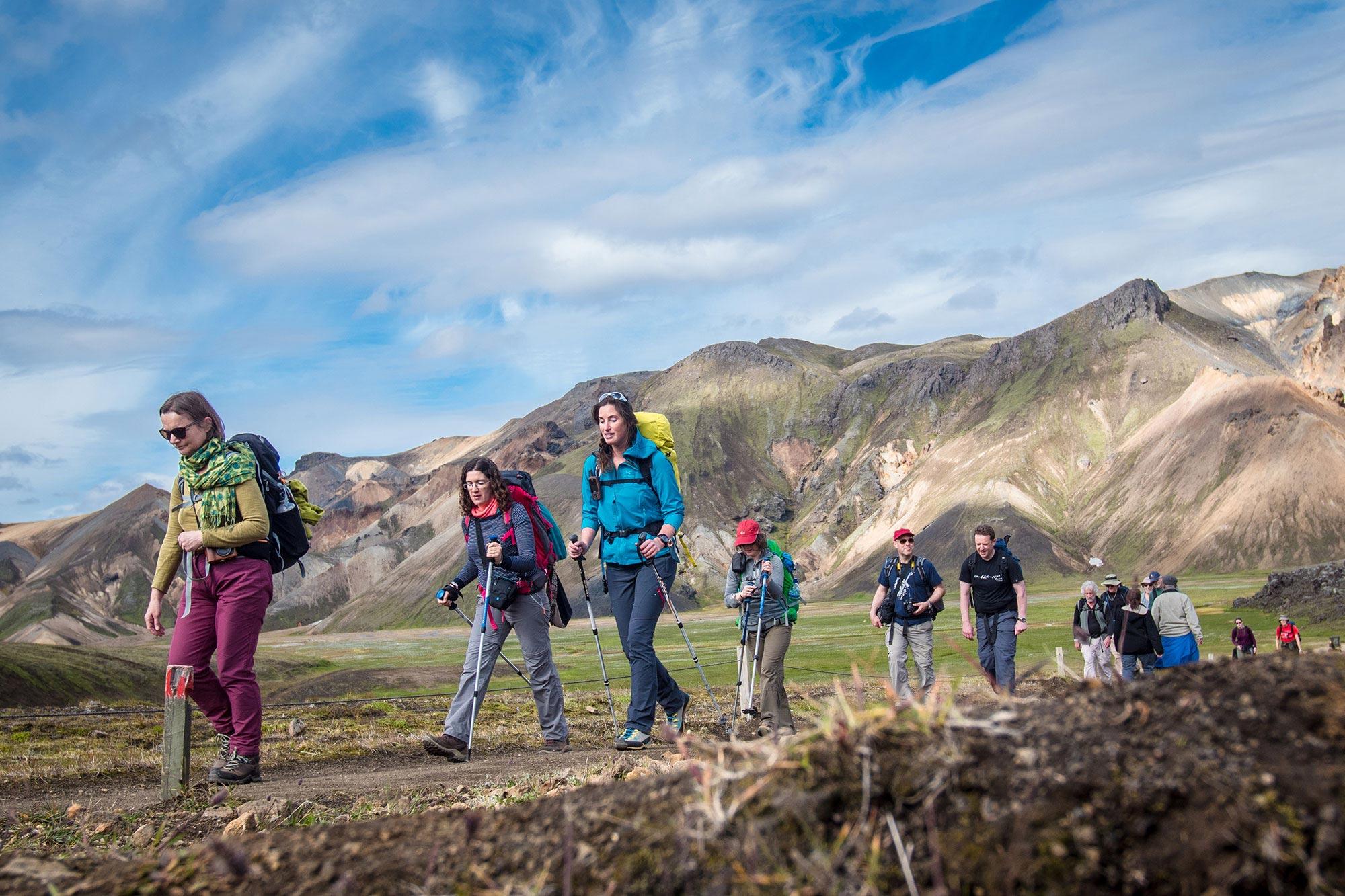
During the summer months, the rugged Highlands become accessible and famous routes like the Laugavegur Trail attract hikers from around the world. Trails are generally clearer, temperatures are milder and the long daylight hours allow plenty of time for exploring.
Spring and autumn are quieter seasons with their own rewards. These months can be excellent for experienced hikers who are comfortable adapting to variable conditions and lingering snow on the trails.
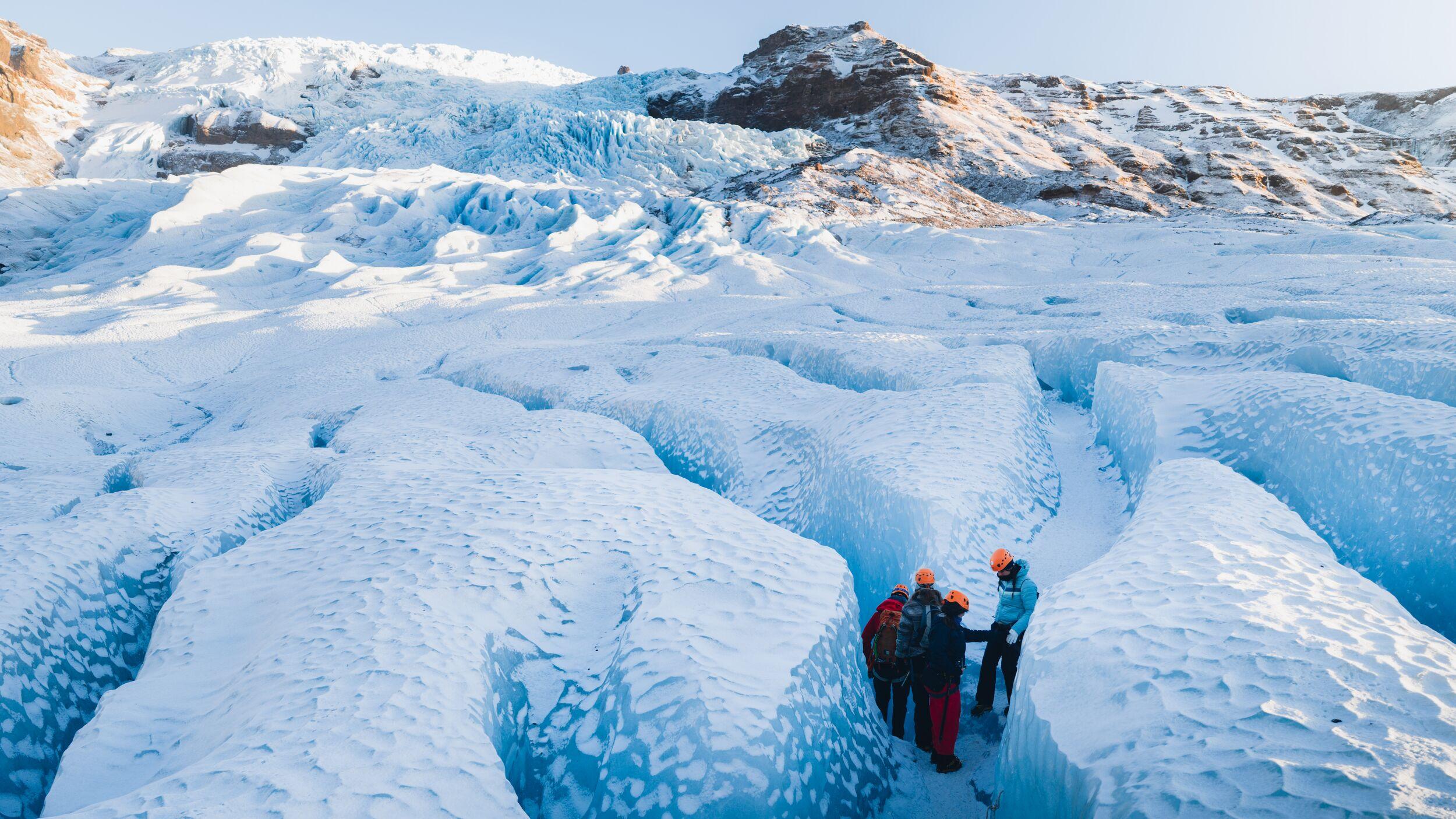
Winter transforms Iceland completely. Many Highland trails are inaccessible, but this does not mean hiking stops. Guided glacier hikes, coastal walks and winter adventures offer a different perspective on Iceland’s landscapes.
The key is choosing an experience that matches the season. Iceland rewards preparation, flexibility and respect for changing conditions.
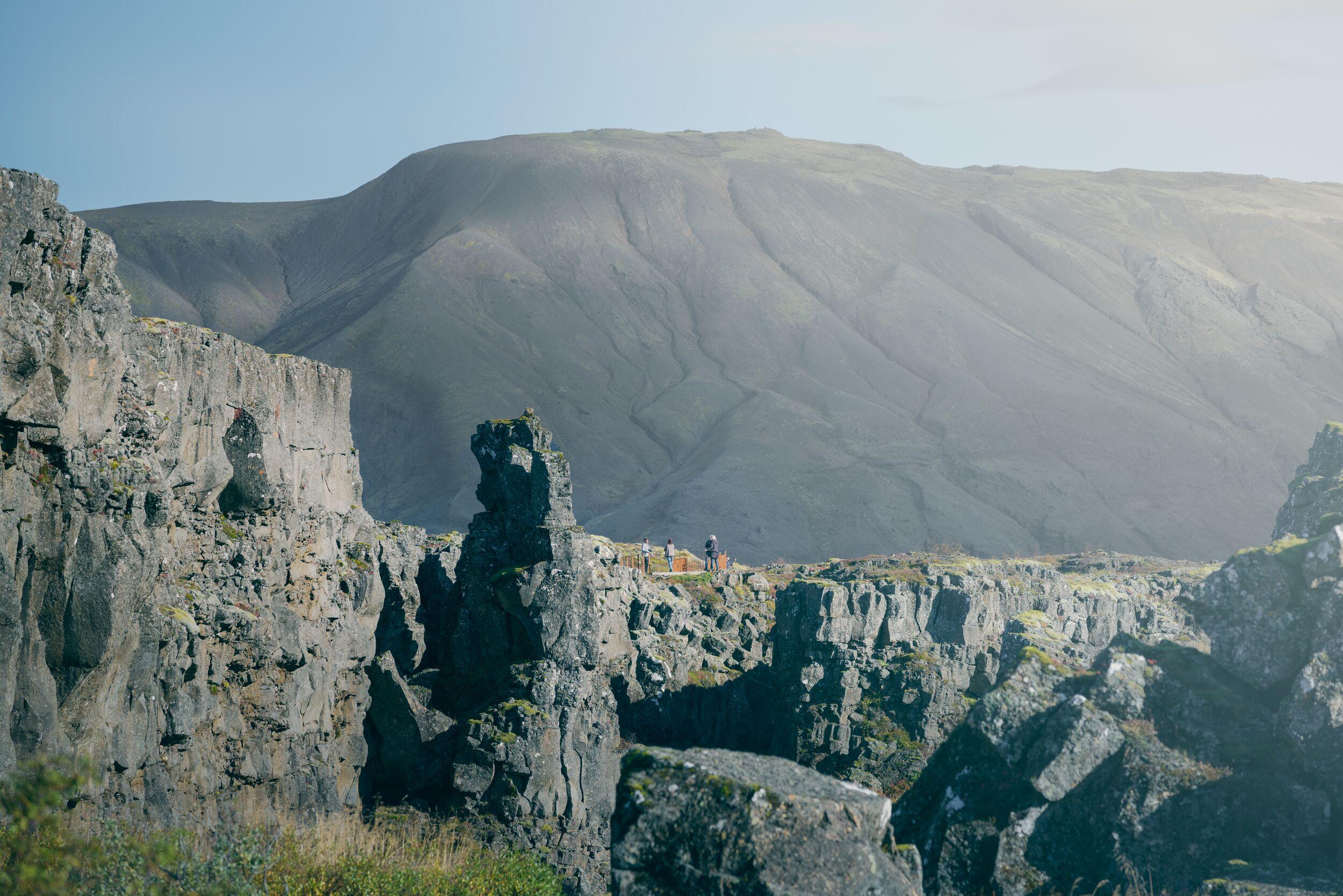

Iceland rewards preparation, flexibility and respect for changing conditions.
Why Timing Matters When Hiking in Iceland
When planning hiking in Iceland, the month you visit affects almost every part of your experience.
The most obvious difference is daylight. Around midsummer, Iceland experiences almost 24 hours of daylight, making long hiking days possible. In December, daylight is limited to only a few hours, meaning routes need to be shorter and carefully planned.
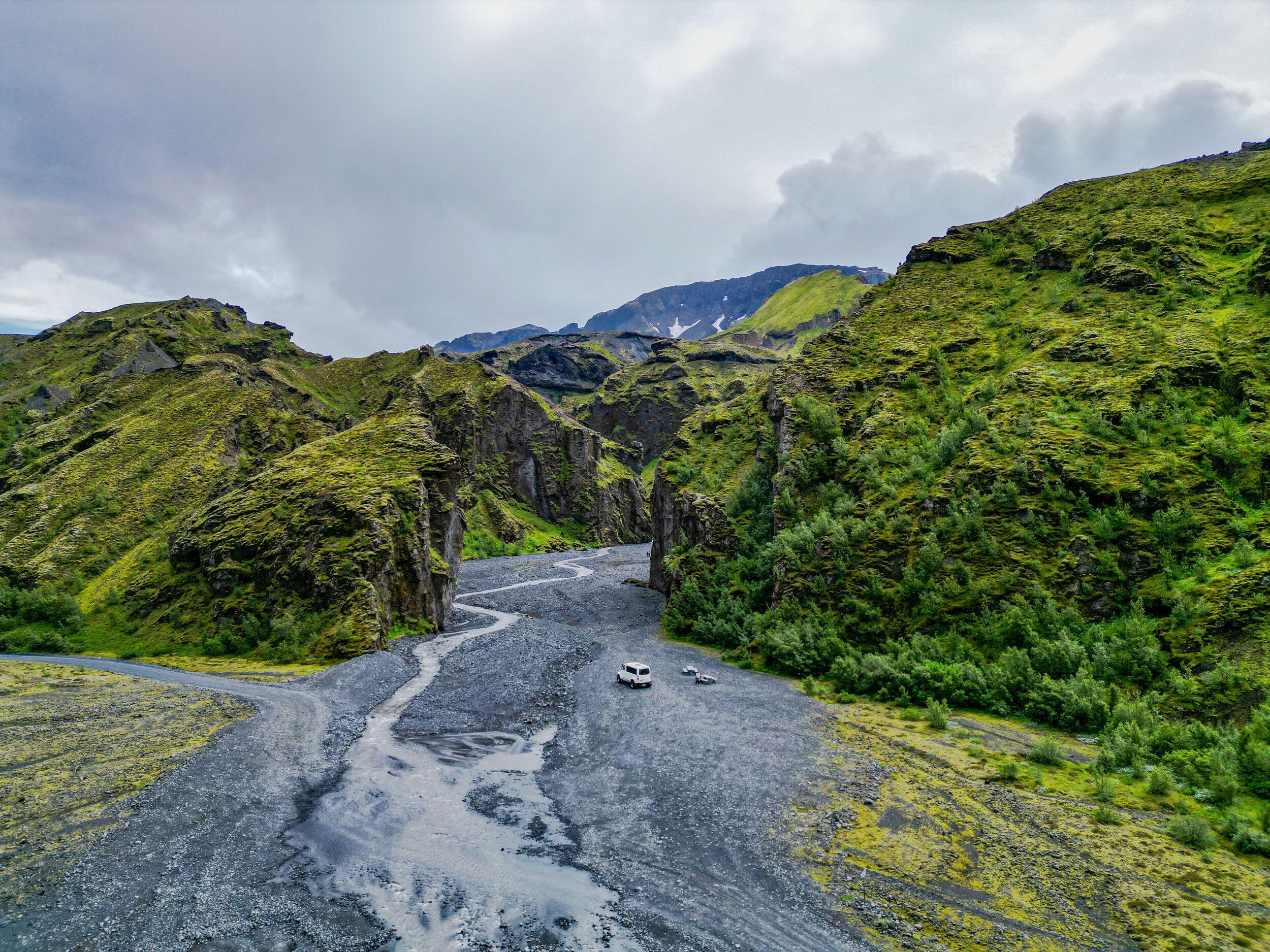
Accessibility also changes throughout the year. Highland roads are seasonal and typically open during the summer when conditions allow. This means some of Iceland’s most famous hiking trails, including routes in Landmannalaugar and Þórsmörk, are mainly summer adventures.
Weather is another important factor. Even in July and August, hikers should expect changing conditions. Rain, wind and temperature drops are normal parts of hiking in Iceland, and good clothing and preparation are essential.
The reward is that every season offers something different. Summer provides access to remote mountain landscapes, while winter offers dramatic conditions, fewer crowds and opportunities to experience Iceland in a quieter way.

What To Consider Before Hiking in Iceland
Before setting out, it is important to understand that Iceland’s hiking conditions are shaped by the environment. The weather is not a background detail; it is part of the experience.
Changing weather
Iceland’s weather can change quickly, particularly in exposed mountain areas. A sunny morning can become a windy, wet afternoon, and temperatures can feel much colder when combined with strong wind.
Hikers should always pack reliable waterproof layers, warm clothing and equipment suitable for changing conditions. Even during summer, the right gear makes the difference between an enjoyable day outside and an uncomfortable one.
Daylight throughout the year
One of Iceland's biggest seasonal differences is daylight. Here’s how the year looks at a glance.
Accessibility
Many of Iceland’s most spectacular hiking areas are located in the Highlands, where access depends on seasonal road conditions.
Summer is the main season for reaching remote areas such as Landmannalaugar, Þórsmörk and the routes within the Fjallabak Nature Reserve. Outside this period, access can be limited.
Trail conditions
Trail conditions vary depending on altitude, snow levels and recent weather. River crossings, muddy sections, loose volcanic terrain and uneven paths are all part of hiking in Iceland.
For longer routes, local knowledge is valuable. Experienced guides understand how conditions affect routes and can make informed decisions when the weather changes.
Hiking in Iceland Month by Month
Hiking in Iceland in January
January is deep winter in Iceland. Snow, ice and short daylight hours create very different hiking conditions from the summer season.
Daylight can be limited to around four to five hours, but the low winter sun creates beautiful light for photography. The Highlands are generally inaccessible, but guided winter experiences continue in areas closer to the coast.
January is a good time for:
- South Coast adventures
- Ice cave experiences when conditions allow
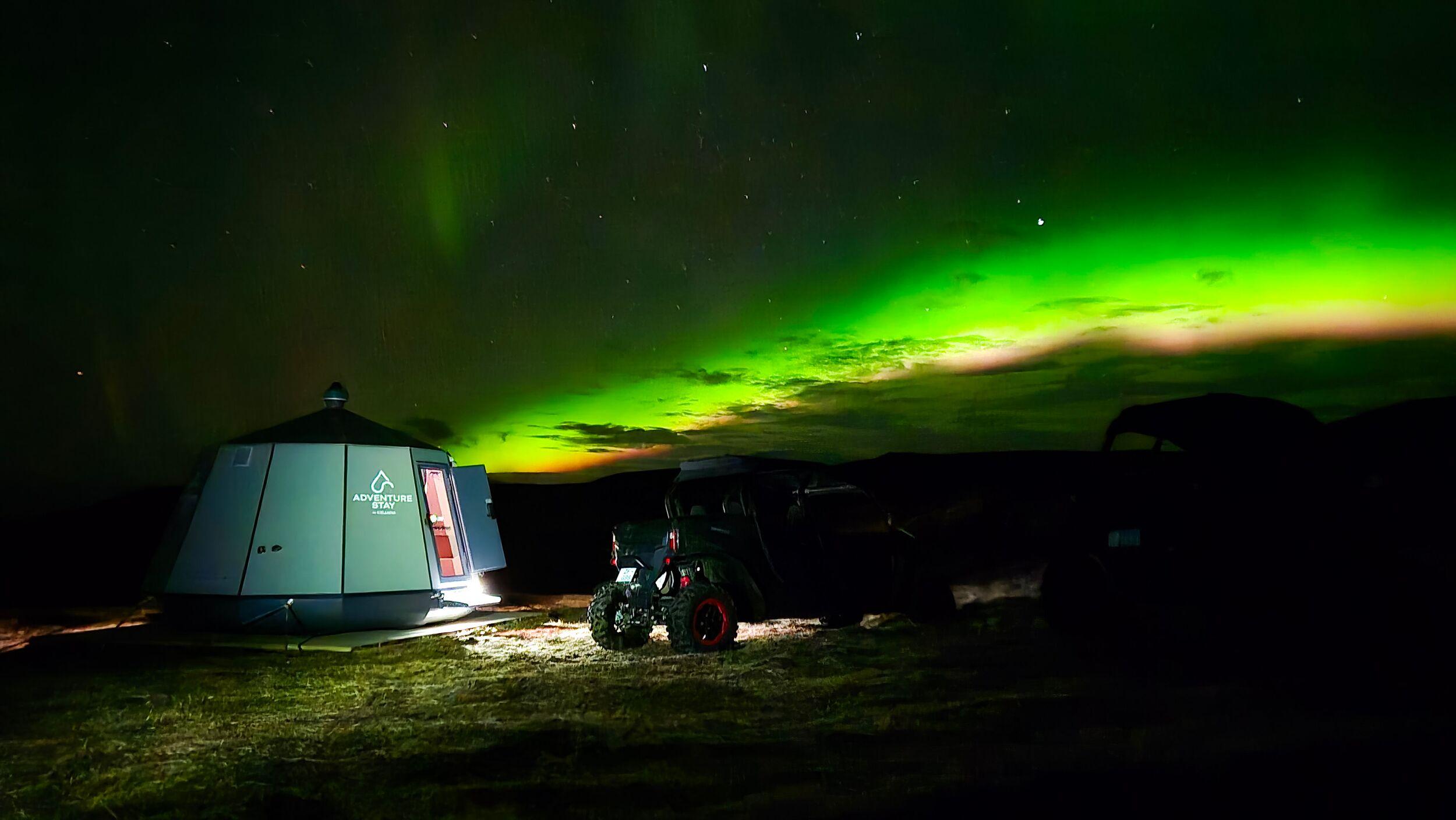
The combination of frozen landscapes and dark evenings also makes January a strong month for combining outdoor adventures with searches for the Northern Lights in Iceland.
Hiking in Iceland in February
February brings slightly longer days while maintaining full winter conditions.
Snow and ice remain common, but the extra daylight creates more opportunities for outdoor activities. For visitors interested in experiencing Iceland’s winter landscapes without the crowds of summer, February can be an excellent choice.
Suitable experiences include:
- Winter hiking excursions
- South Coast walks
- Scenic coastal trails
As always, conditions are closely monitored during winter adventures, and routes are adapted according to weather and safety considerations.
Hiking in Iceland in March
March is a transition month. Winter conditions remain, but daylight increases noticeably, giving visitors more time to explore.
Snow-covered mountains, frozen waterfalls and crisp winter scenery make this a rewarding time for guided outdoor experiences.
March is particularly suitable for:
- Winter landscape photography
- Lower-altitude hiking routes
- South Coast exploration
Although spring is approaching, visitors should still prepare for cold temperatures and rapidly changing weather.
Hiking in Iceland in April
April marks the beginning of spring, although Icelandic weather can still feel very much like winter.
Snow begins to retreat in lower areas, but mountain trails may remain covered or difficult to access. This is a quieter period for visitors who prefer fewer people on the trails.
Good options include:
- Day hikes near Reykjavík
- Coastal walks
- Volcanic landscapes
April is a month where flexibility matters. Conditions can vary significantly from one year to the next.
Hiking in Iceland in May
May brings longer days and the first signs of the summer hiking season.
Lower-elevation trails become more accessible, waterfalls are often at their most powerful and migrating birds return to many coastal areas.
May is a good month for:
- Day hikes
- South Coast adventures
- Reykjanes Peninsula hikes
Higher Highland routes are usually still waiting for summer conditions, but May offers a quieter hiking experience before peak season begins.
Hiking in Iceland in June
June is when Iceland’s main hiking season starts to take shape. Longer daylight hours and improving access make it one of the most exciting months for outdoor exploration.
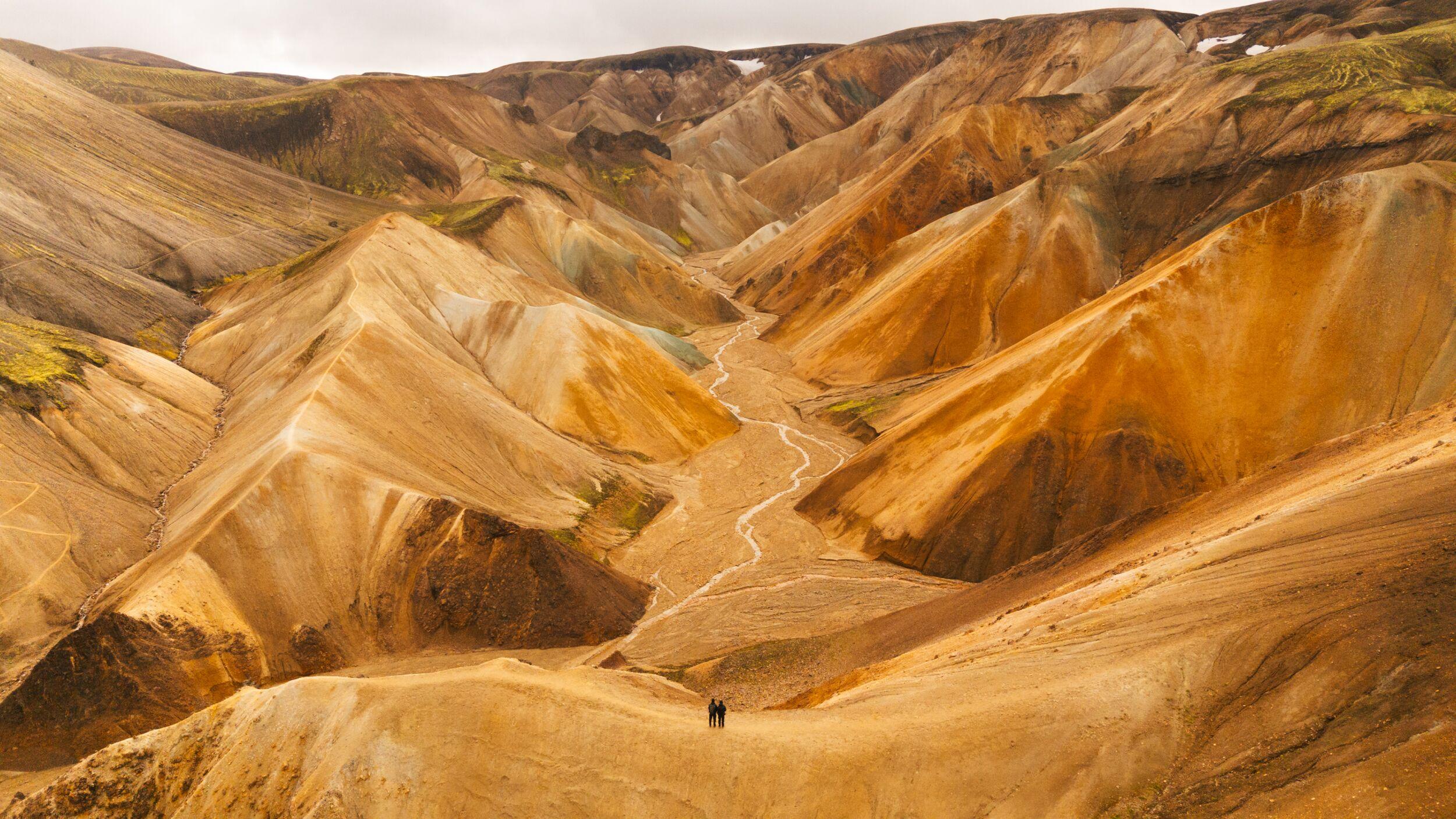
The Highlands begin opening, and routes such as Landmannalaugar become accessible as conditions allow.
June is ideal for:
- Early-season multi-day hikes
- Landmannalaugar adventures
- Longer day hikes
The landscape is especially vibrant at this time of year, with rivers flowing strongly and snow patches contrasting against green valleys and colourful mountains.
Hiking in Iceland in July
July is the height of Iceland’s hiking season and one of the best months for classic Highland trekking.
The combination of long daylight hours, accessible trails and generally more stable weather makes it the most popular time for routes such as the Laugavegur Trail.
July is ideal for:
- Multi-day trekking
- Laugavegur hiking
- Þórsmörk adventures
Popular trails can be busy during this month, so hikers should plan accommodation and transport well in advance.
Hiking in Iceland in August
August offers some of the best conditions for hiking in Iceland. The Highlands remain accessible, trails are well established and the landscapes begin to shift towards autumn.
It is an excellent month for:
- Fimmvörðuháls Trail combinations
- Longer trekking routes
- Remote Highland exploration
While temperatures can start dropping towards the end of the month, August remains one of the most reliable periods for Icelandic trekking.
Hiking in Iceland in September
September is one of the most rewarding months for experienced hikers who want to explore Iceland with fewer visitors and changing seasonal colours. Early September often still offers excellent access to Highland routes, while the first signs of autumn begin appearing across the landscape.
For many hikers, hiking in Iceland in September provides a balance between summer accessibility and a quieter trail experience. The weather is generally cooler than July and August, and conditions can become more unpredictable, especially later in the month.
September is a great choice for:
- Laugavegur Trail hiking
- Scenic day hikes
- Photography-focused trips
Daylight remains generous, with around 12–15 hours available during the month. As nights become darker, September also marks the beginning of the season for spotting the Northern Lights in Iceland.
Hikers should be prepared for changing conditions, including rain, wind and colder temperatures at higher elevations.
Hiking in Iceland in October
October is a transition month between autumn and winter. The Highlands are generally no longer accessible for traditional trekking, but Iceland still offers plenty of opportunities for outdoor adventure.
The weather in Iceland during October can be highly variable, with a mix of autumn rain, strong winds and the possibility of early snow.
Suitable October experiences include:
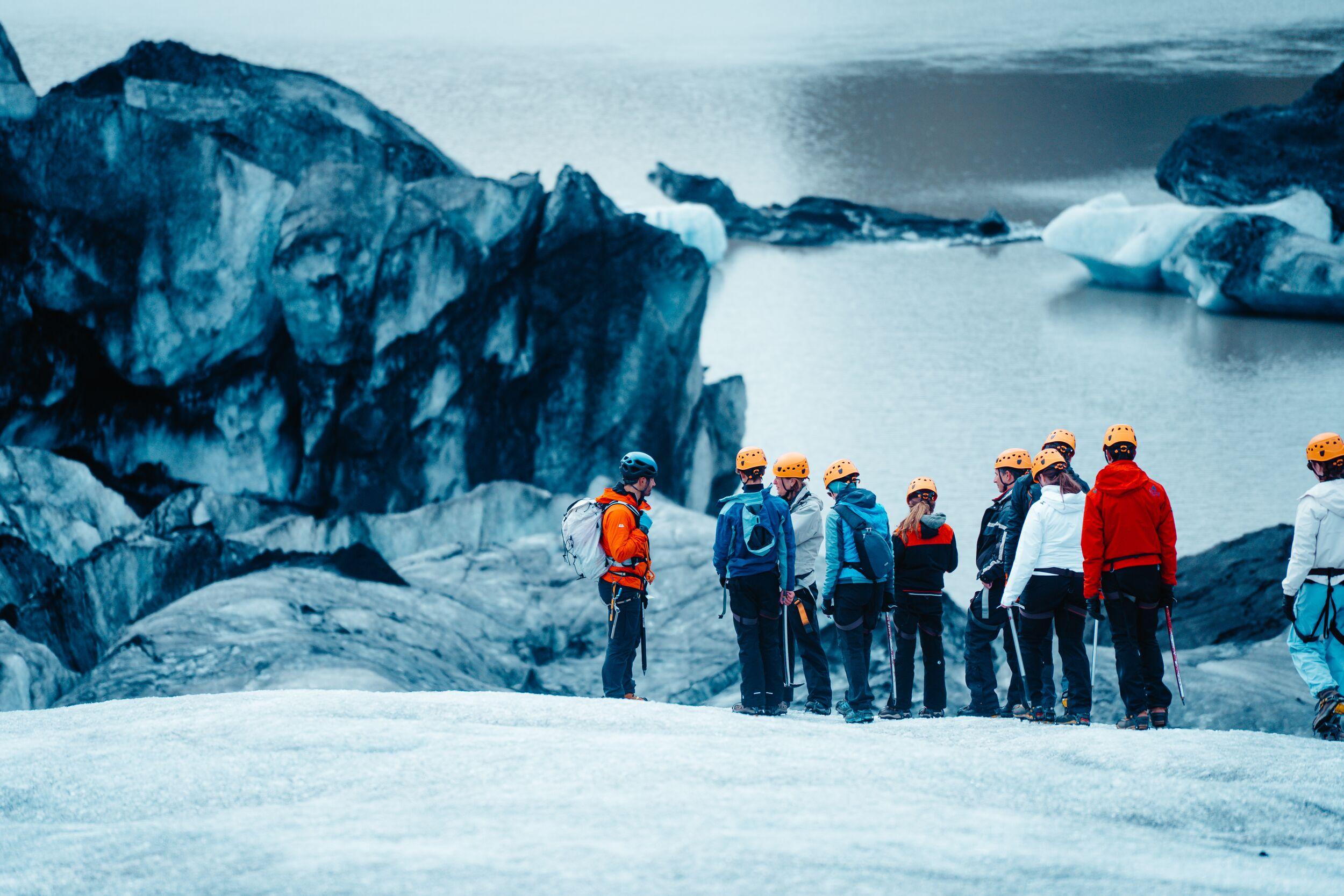
- Glacier hiking
- South Coast walks
- Day hikes close to Reykjavík
The shorter days create a different rhythm for hiking. With around 8–10 hours of daylight, routes are usually shorter and carefully planned.
October is also an excellent month for travellers hoping to combine hiking with geothermal experiences, such as relaxing in a hot spring after a day outdoors.
Hiking in Iceland in November
November brings a return to full winter conditions. While the long-distance summer hiking trails are closed or inaccessible, Iceland remains an exciting destination for guided outdoor experiences.
Snow and ice become more common, and daylight is limited to approximately five to seven hours.
For visitors hiking in Iceland in November, recommended experiences include:
- Winter landscape walks
- Guided outdoor excursions
This is a month where local expertise becomes especially valuable. Conditions can change quickly, and experienced guides can adapt routes according to weather, safety and accessibility.
November is also a quieter time to visit Iceland, with fewer visitors and excellent opportunities to experience dramatic winter scenery.
Hiking in Iceland in December
December offers a completely different style of hiking experience. The Highlands are covered in snow, but winter adventures continue throughout Iceland’s more accessible areas.
With only around four to five hours of daylight, hiking days are shorter in December, but the low winter light creates unique conditions for photography.
December is ideal for:
- Glacier hiking
- Winter walks
- Ice cave adventures
- Northern Lights experiences
Visitors should expect cold temperatures, icy paths and rapidly changing weather. Warm layers, waterproof clothing and suitable footwear are essential.
For many travellers, December offers one of the most memorable ways to experience Iceland: quiet landscapes, frozen waterfalls and winter skies.
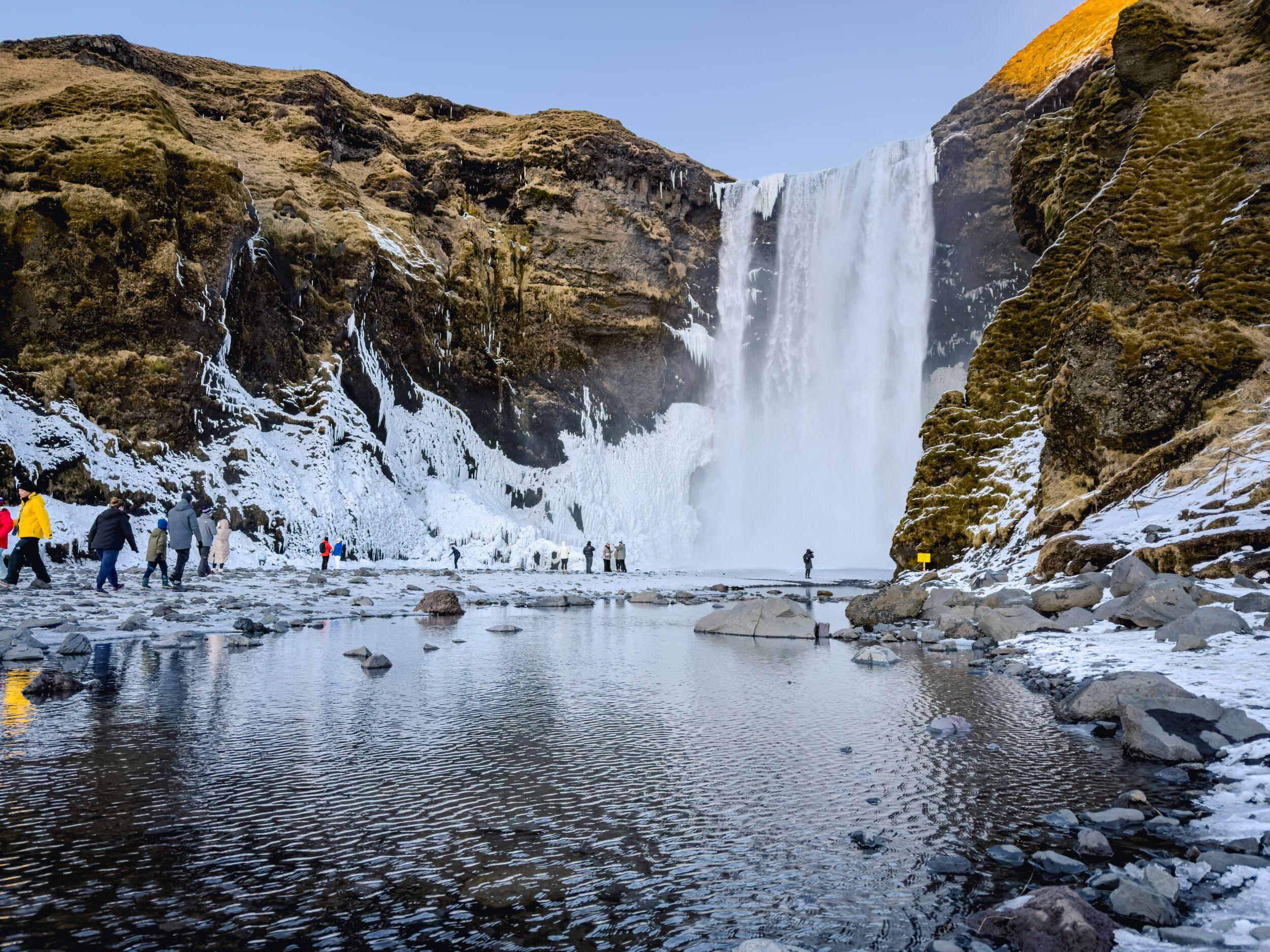
For many travellers, December offers one of the most memorable ways to experience Iceland: quiet landscapes, frozen waterfalls and winter skies.
Guided Hikes to Match Every Season
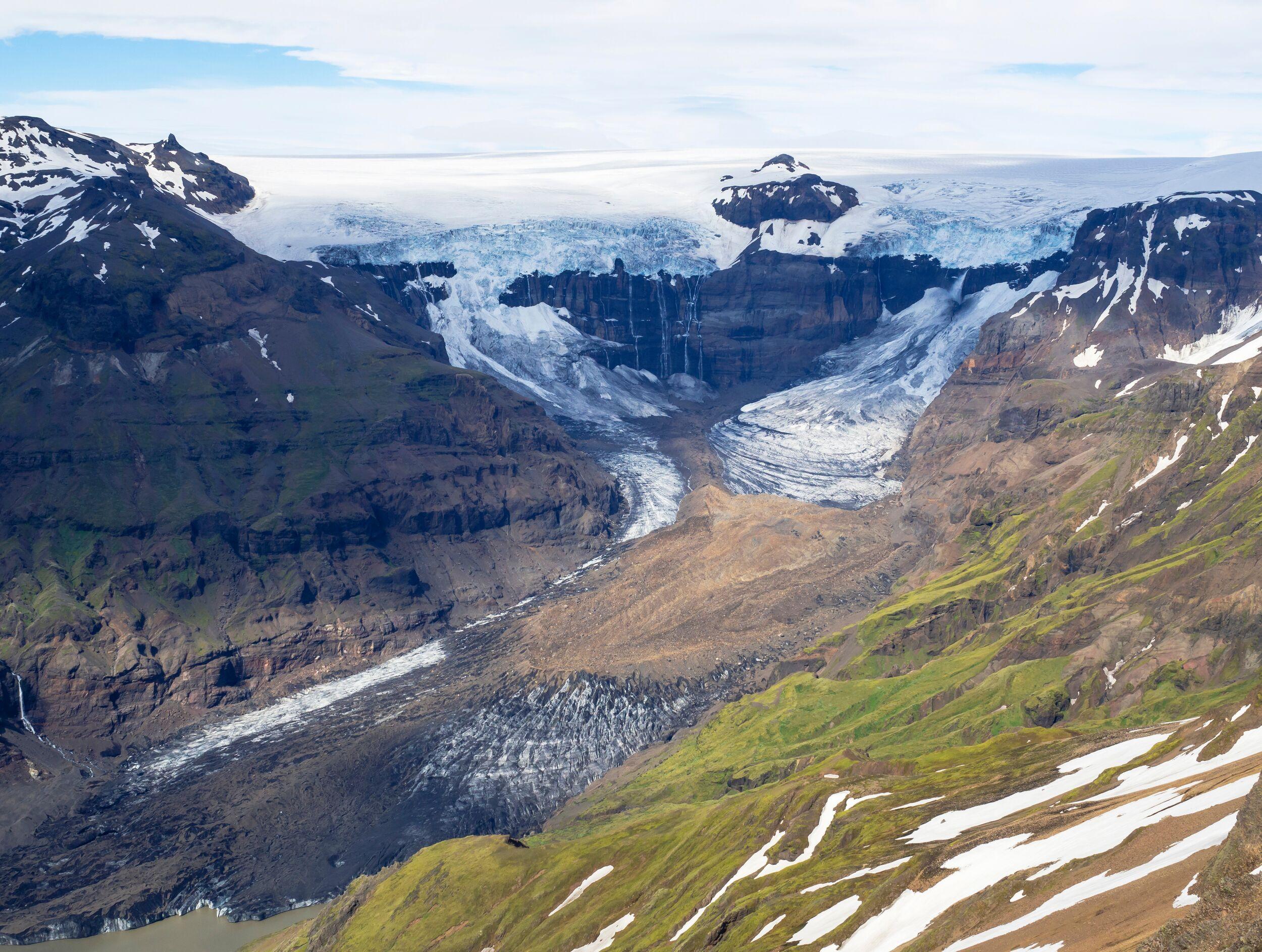
Skaftafell Panorama Hike
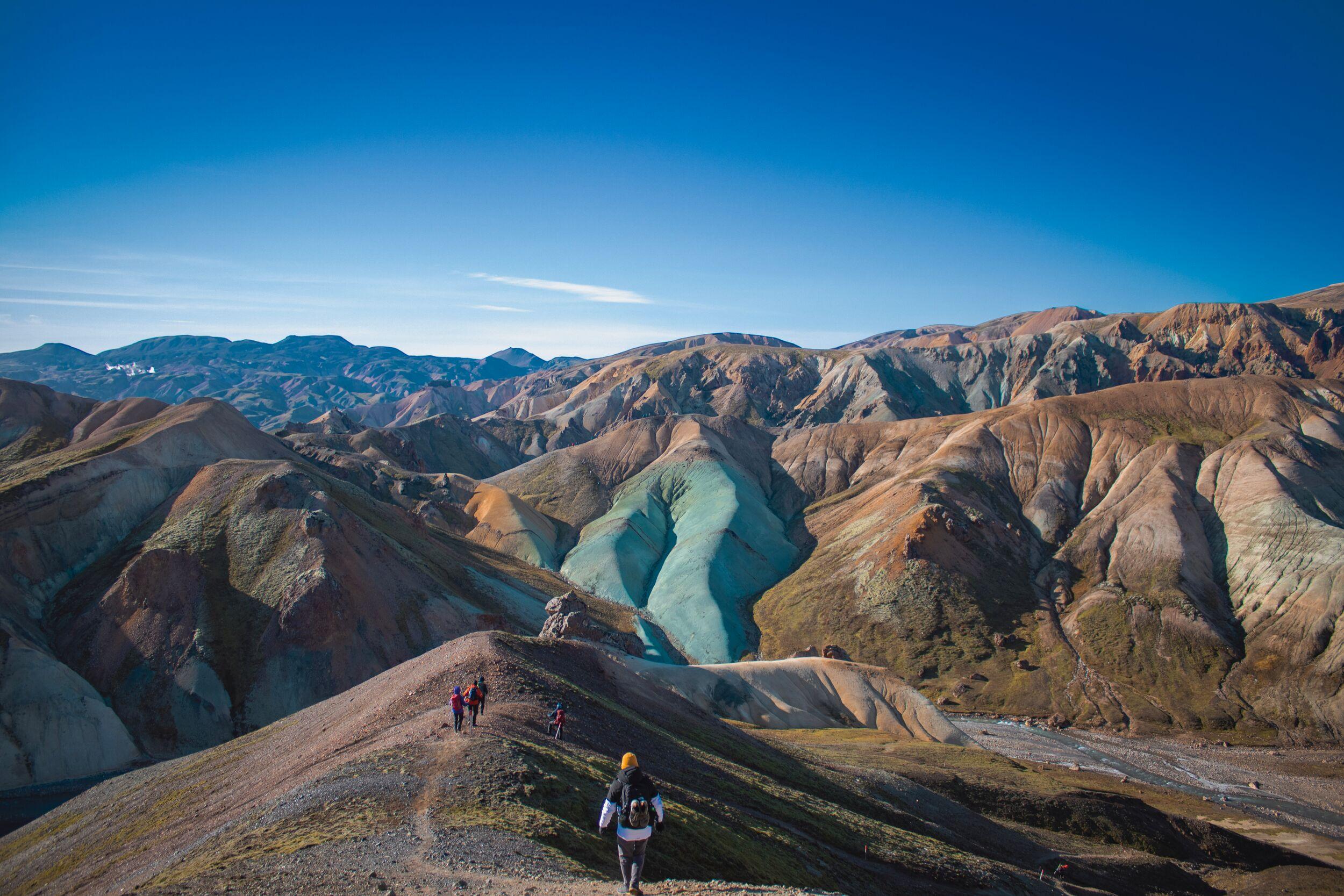
The Green Ridge Hike
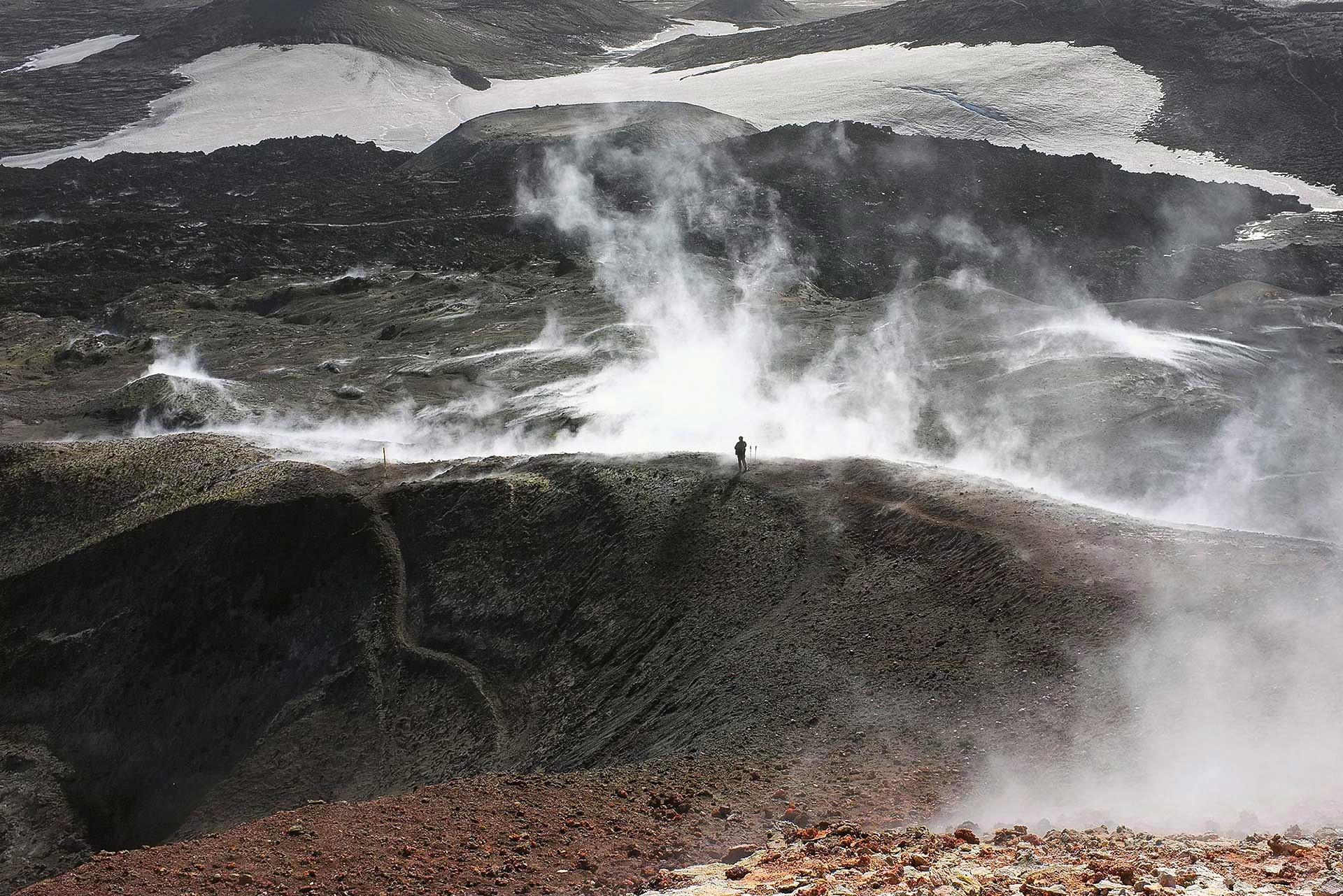
Day Hike over Fimmvörðuháls
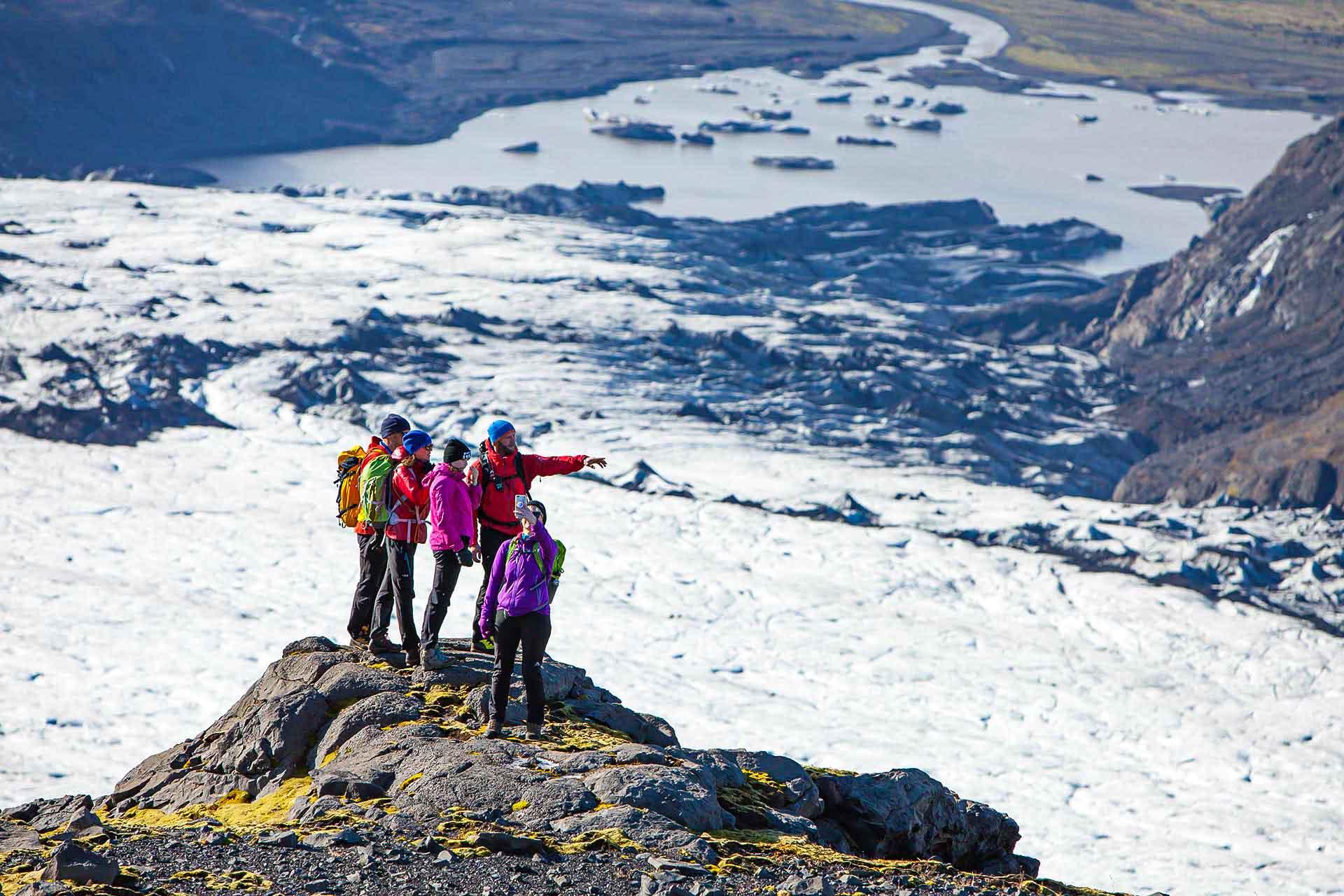
Glacier Panorama Trail
Laugavegur Trek Classic (Huts)
Which Month Is Best for Hiking in Iceland?
The best month for hiking in Iceland depends on the type of adventure you want. There is no single perfect time. Each season offers a different perspective on the country’s landscapes.
Conclusion
Hiking in Iceland is a year-round experience, but every season reveals a different side of the country.
Choosing the right month is about matching the conditions with the experience you want. A challenging multi-day trek through the Highlands requires different planning from a winter glacier adventure or a short scenic hike near Reykjavík.
With the right preparation, suitable equipment and an understanding of Iceland’s changing environment, hiking here becomes an opportunity to experience the country beyond its famous viewpoints and attractions.
Whether you are crossing the volcanic landscapes of the Laugavegur Trail, exploring the valleys of Þórsmörk or stepping onto ancient glacier ice, Iceland rewards those who take the time to explore it on foot.
Frequently Asked Questions
What is the best time of year to hike in Iceland?
The best time to hike in Iceland depends on the experience you're looking for. July and August are ideal for Highland trails like the Laugavegur Trail, thanks to long daylight hours and accessible routes. June and September offer fewer crowds, while winter is best for glacier hiking and guided snow adventures. Whatever the season, be prepared for rapidly changing weather.
What animal is only found in Iceland?
The Arctic fox is Iceland's only native land mammal. It arrived naturally before human settlement and is well adapted to the country's harsh climate. Although sightings are uncommon, hikers may spot Arctic foxes in remote areas, particularly in the Westfjords.
What should you be careful of in Iceland?
The biggest hazards in Iceland are natural rather than man-made. Be prepared for rapidly changing weather, strong winds, river crossings and seasonal trail conditions. Always stay on marked paths, respect geothermal areas and take extra care around the coastline, where powerful waves can be dangerous.
What are some hidden gems in Iceland?
Beyond the famous sights, Iceland has many quieter hiking destinations. Þakgil offers dramatic canyons near Vík, Kerlingarfjöll is known for colourful geothermal mountains, Hornstrandir Nature Reserve provides remote wilderness, and Þórsmörk is one of Iceland's finest hiking valleys.
Can you recommend a multi-day trek in Iceland?
The Laugavegur Trail is Iceland's best-known multi-day hike, taking around four days from Landmannalaugar to Þórsmörk through colourful mountains, lava fields and black sand landscapes. For a longer adventure, continue over the Fimmvörðuháls Trail to Skógar.
What are the most popular hiking trails in Iceland?
Some of Iceland's most popular hiking trails include the Laugavegur Trail, Fimmvörðuháls Trail, the hiking routes around Landmannalaugar, the scenic trails in Þórsmörk, and guided glacier hikes on Sólheimajökull. Each offers a different way to experience Iceland's unique landscapes.
Are there guided tours for the Laugavegur Trail?
Yes. Guided Laugavegur Trail tours are a popular option for hikers who want expert support with navigation, logistics and safety. Mountain Guides offers hut-based, backpacking and extended trekking options, allowing visitors to explore Iceland's Highlands with experienced local guides.
What should I pack for hiking in Iceland?
No matter the season, pack waterproof clothing, warm layers and sturdy hiking boots. In summer, lightweight layers and rain gear are usually sufficient, while spring and autumn require extra insulation. Winter hiking calls for insulated clothing, waterproof outer layers and appropriate footwear. For guided glacier hikes, specialist equipment is typically provided.
Keep me informed about the Icelandic Mountain Guides Blog
Outdoor adventure in Iceland is our specialty. Subscribe to our free monthly newsletter to learn when to go, what to do and where to have the best adventures in Iceland.
Related Blog Posts
Related Tours
Skaftafell Panorama Hike
The Green Ridge Hike
Day Hike over Fimmvörðuháls
Glacier Panorama Trail