Why Does Iceland’s Nature Still Feel So Untouched?
| All, Travel Guide, highlands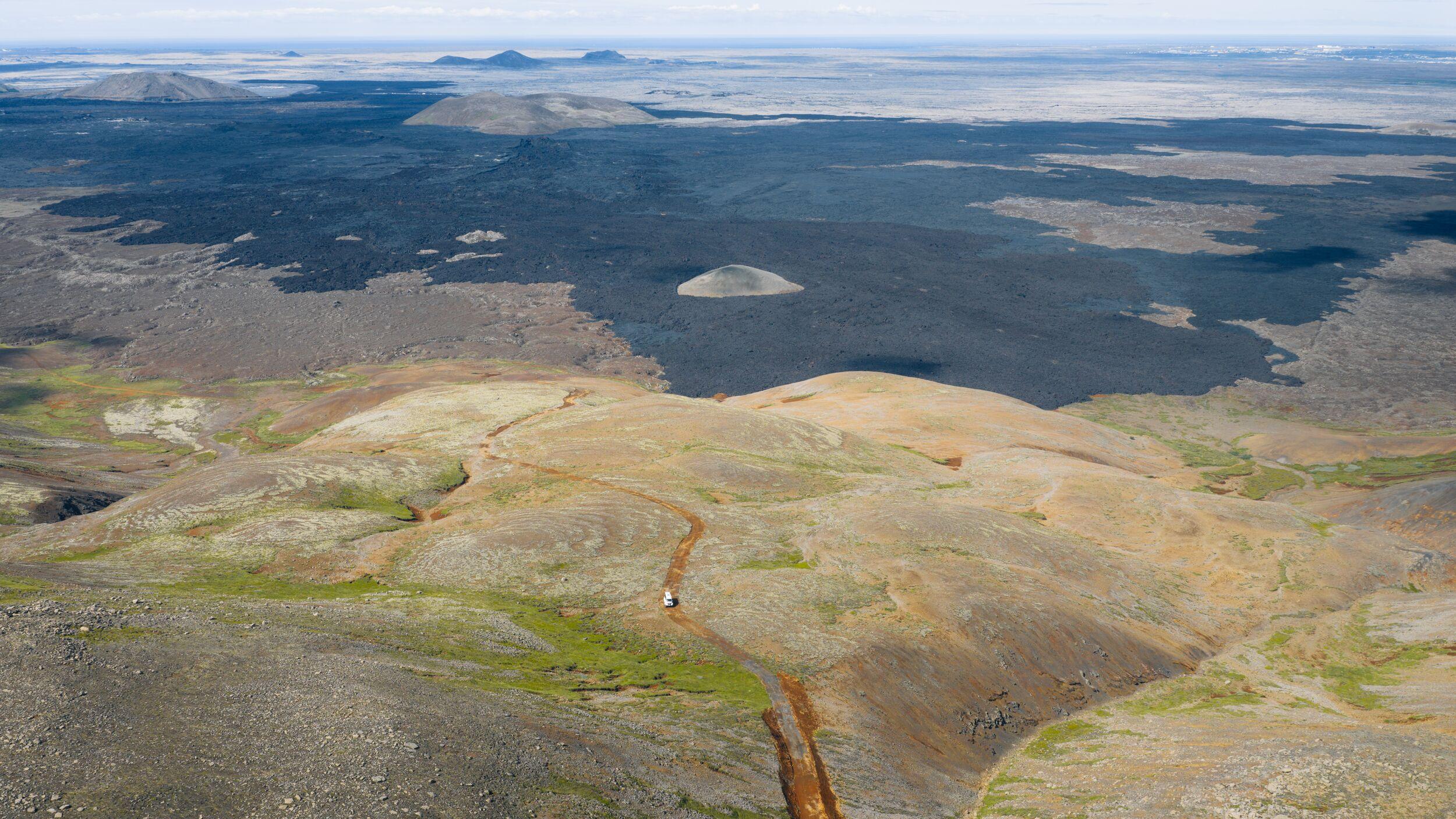
Iceland is well known for the dramatic landscapes that are visible and accessible to those driving the Ring Road. But for those who venture inland, off the main roads, another quality really leaps out: space.
You can stand beside a glacier, cross a black volcanic plain or hike through a remote Highland valley without seeing a town, building or road for miles. That sense of openness is one reason visitors often describe Icelandic nature as feeling untouched.
Of course, Iceland is not untouched in the literal sense — people have lived here for centuries, and tourism has brought roads, trails, huts and other infrastructure to many parts of the country. But compared with densely populated destinations, large areas still remain sparsely settled and lightly developed.
That combination of a small population, rugged geography and powerful natural forces gives nature in Iceland a distinctive character.
What Makes Iceland's Nature So Unique?
A Landscape Still Being Formed
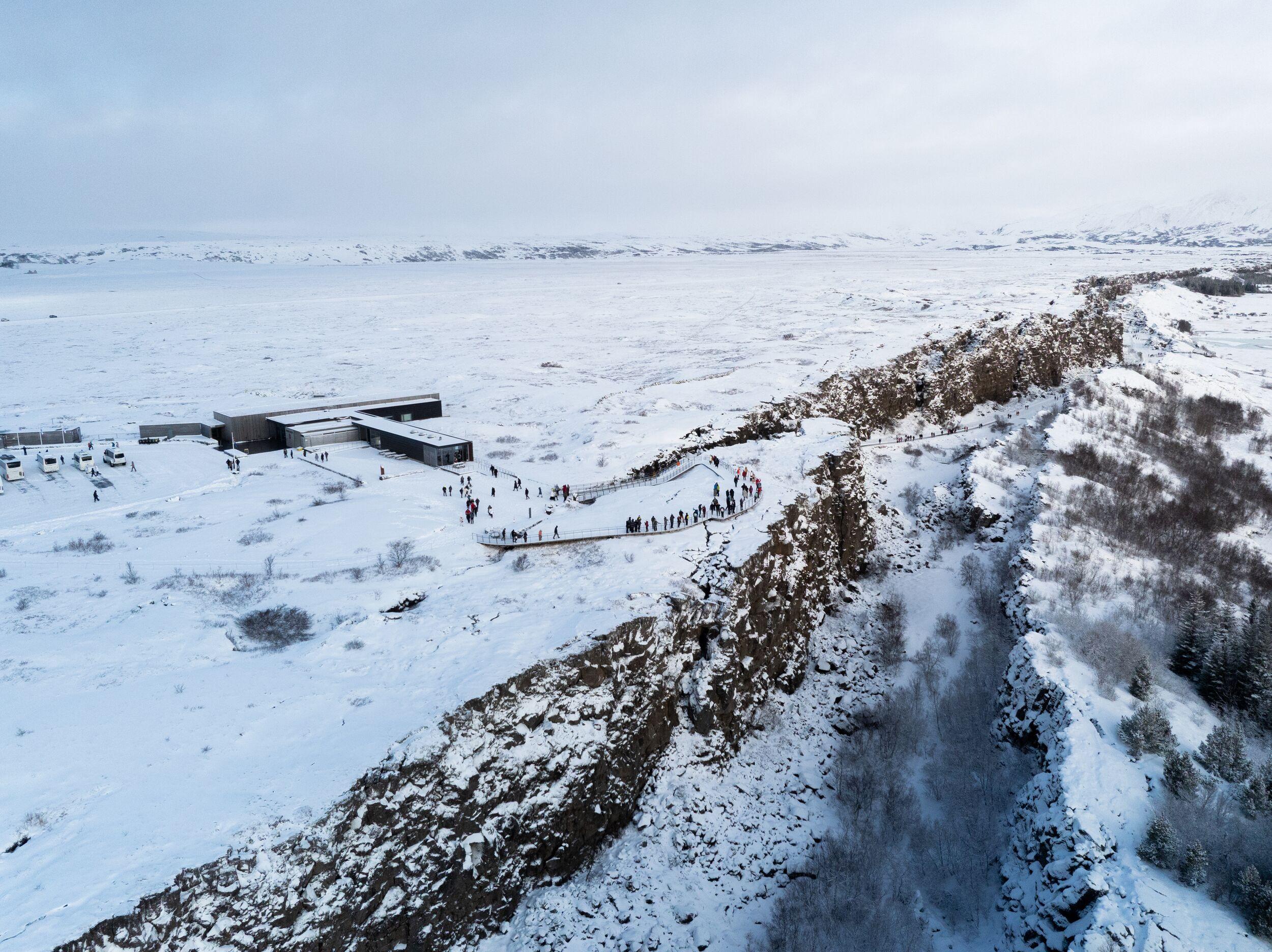
Iceland is a geologically young country and its position on the Mid-Atlantic Ridge — the island straddles the North American and Eurasian tectonic plates — makes that easy to see. Volcanic and geothermal activity continue to shape the land, while erosion, glaciers and rivers constantly modify what has already been created.
For visitors, that means the geology is not hidden beneath the surface. Some landscapes look surprisingly new. Others show the effects of thousands of years of erosion. Together, they create the variety that defines Iceland landscapes.
The Power of Fire and Ice
Iceland's nickname, “the land of fire and ice”, is rather appropriate. Glaciers cover large areas of the country, while volcanic systems continue to operate beneath and around them. Glacial meltwater feeds powerful rivers. Volcanic eruptions create new rock and reshape existing terrain.
These forces often meet in a single landscape. A glacier may flow from an ice cap above a volcanic valley, while black volcanic rock surrounds green vegetation below.
This interaction between fire, ice and water is central to understanding Iceland’s nature. It also explains why the landscape can feel so dynamic. You are not simply looking at an ancient environment. You are looking at one that continues to change.
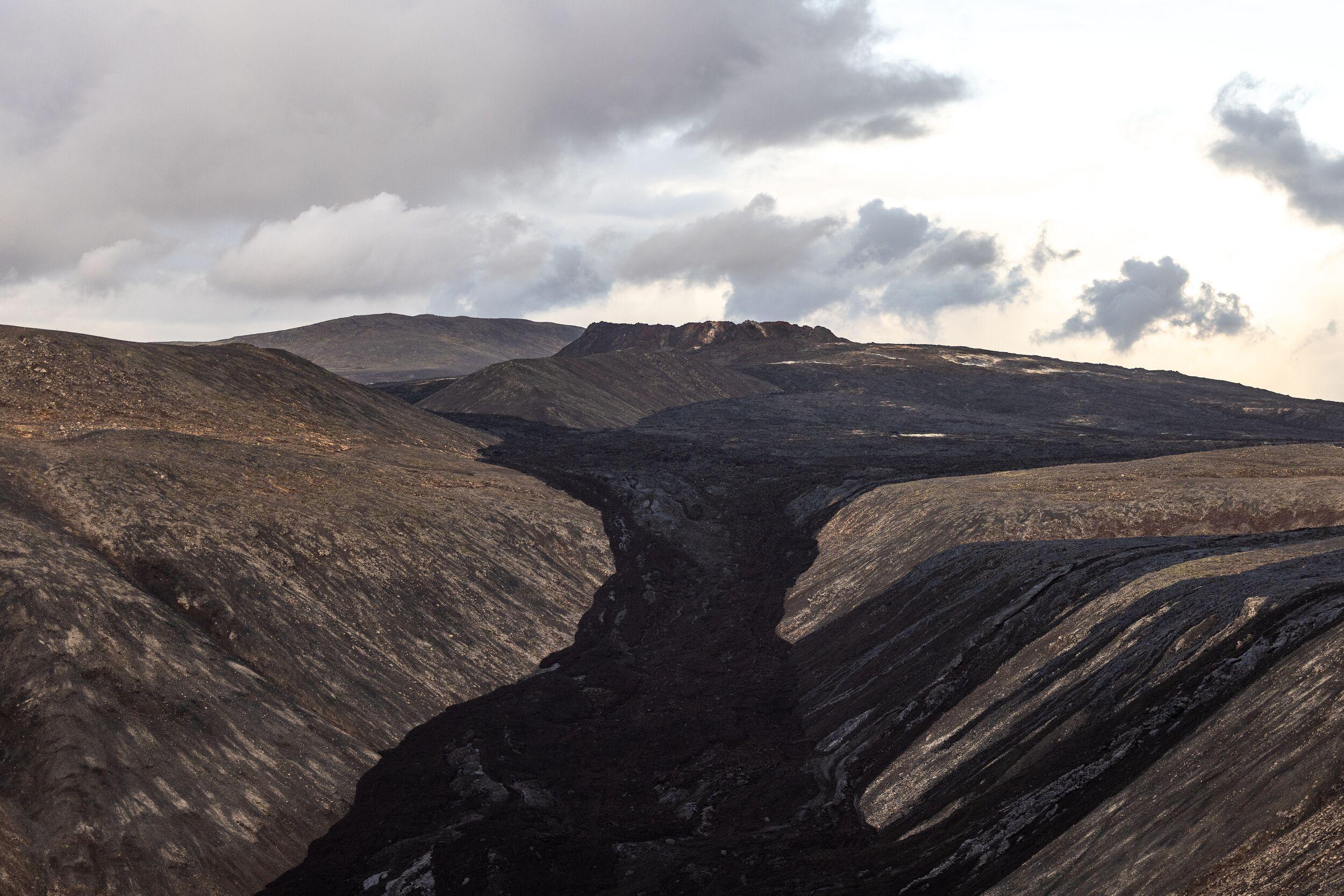

You are not simply looking at an ancient environment. You are looking at one that continues to change.
Iceland's Most Remarkable Natural Landscapes
Glaciers and Ice Caps
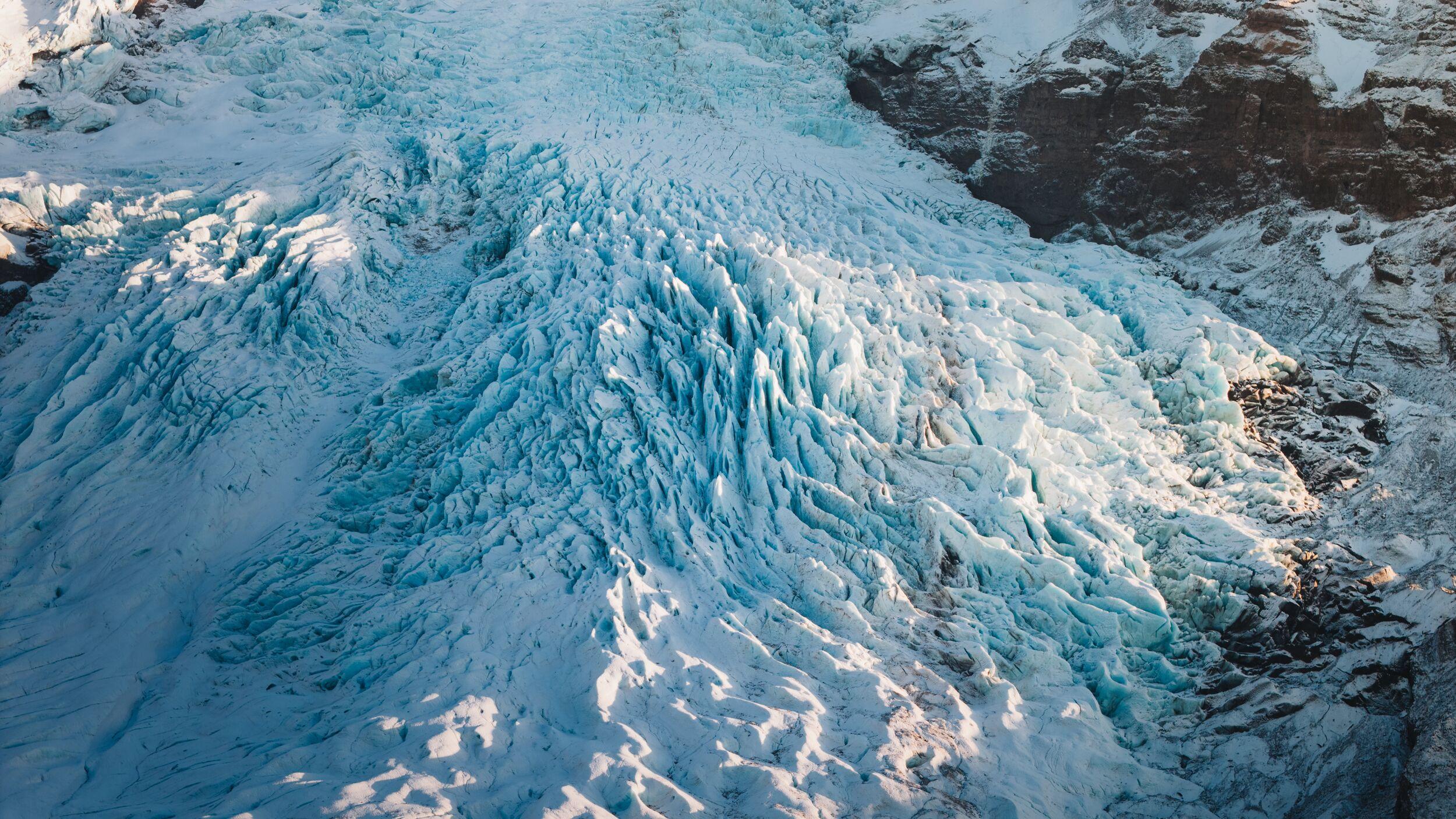
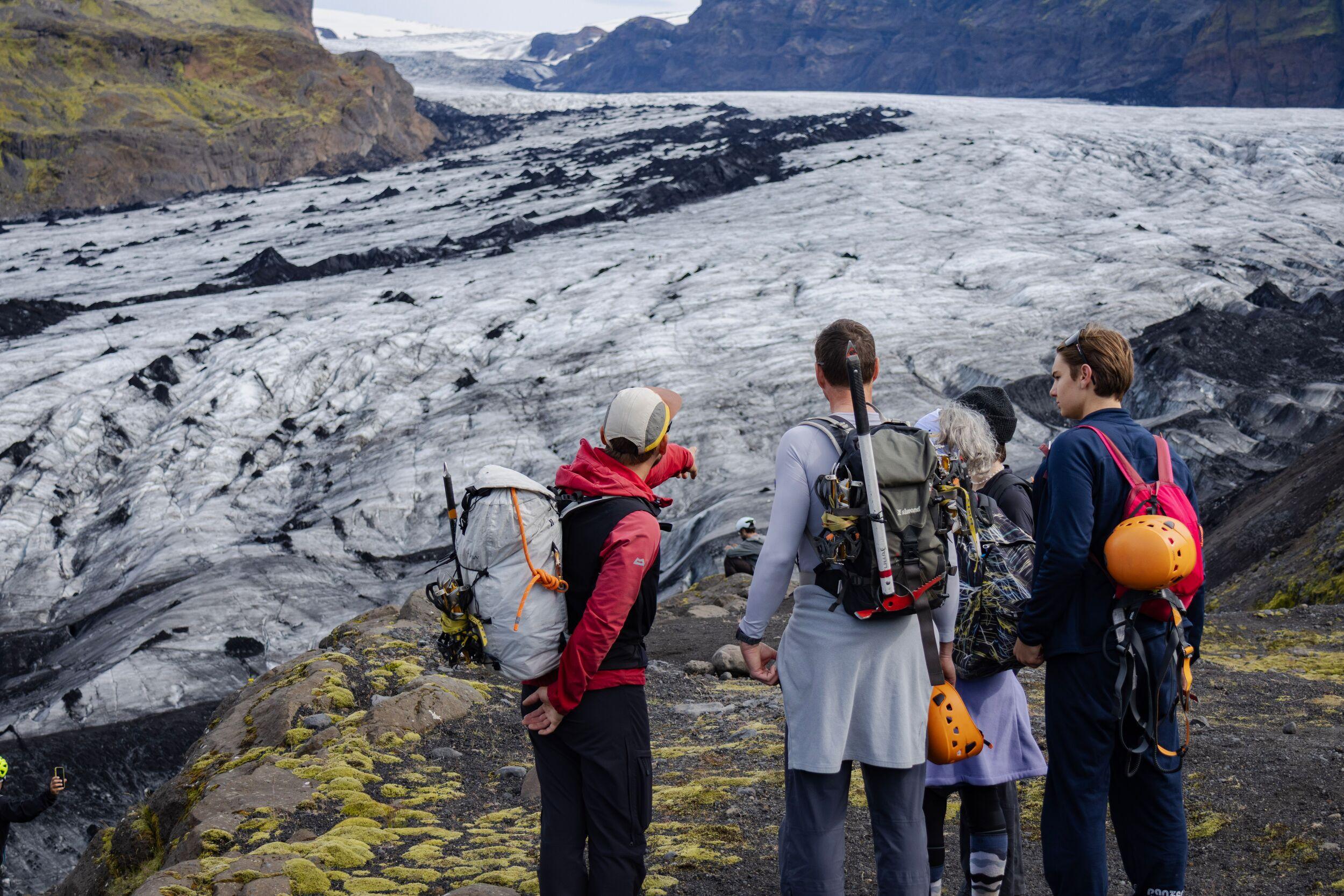
Iceland is home to extensive ice-covered landscapes, including Vatnajökull, Europe's largest glacier by volume. Other well-known glaciers and glacier tongues include Mýrdalsjökull and Sólheimajökull. These are not static blocks of ice. Glaciers move, retreat, advance and carve the terrain beneath them.
Their influence is visible well beyond the ice itself. Meltwater carries sediment into rivers and plains, while past glacial movement has shaped valleys and mountain landscapes.
For visitors, glacier hiking offers a direct way to experience these environments. But it is also a reminder that these are dynamic places. A glacier is real mountain terrain and conditions can change quickly. IMG’s experienced guides are trained to assess the ice and choose appropriate routes.
The Icelandic Highlands
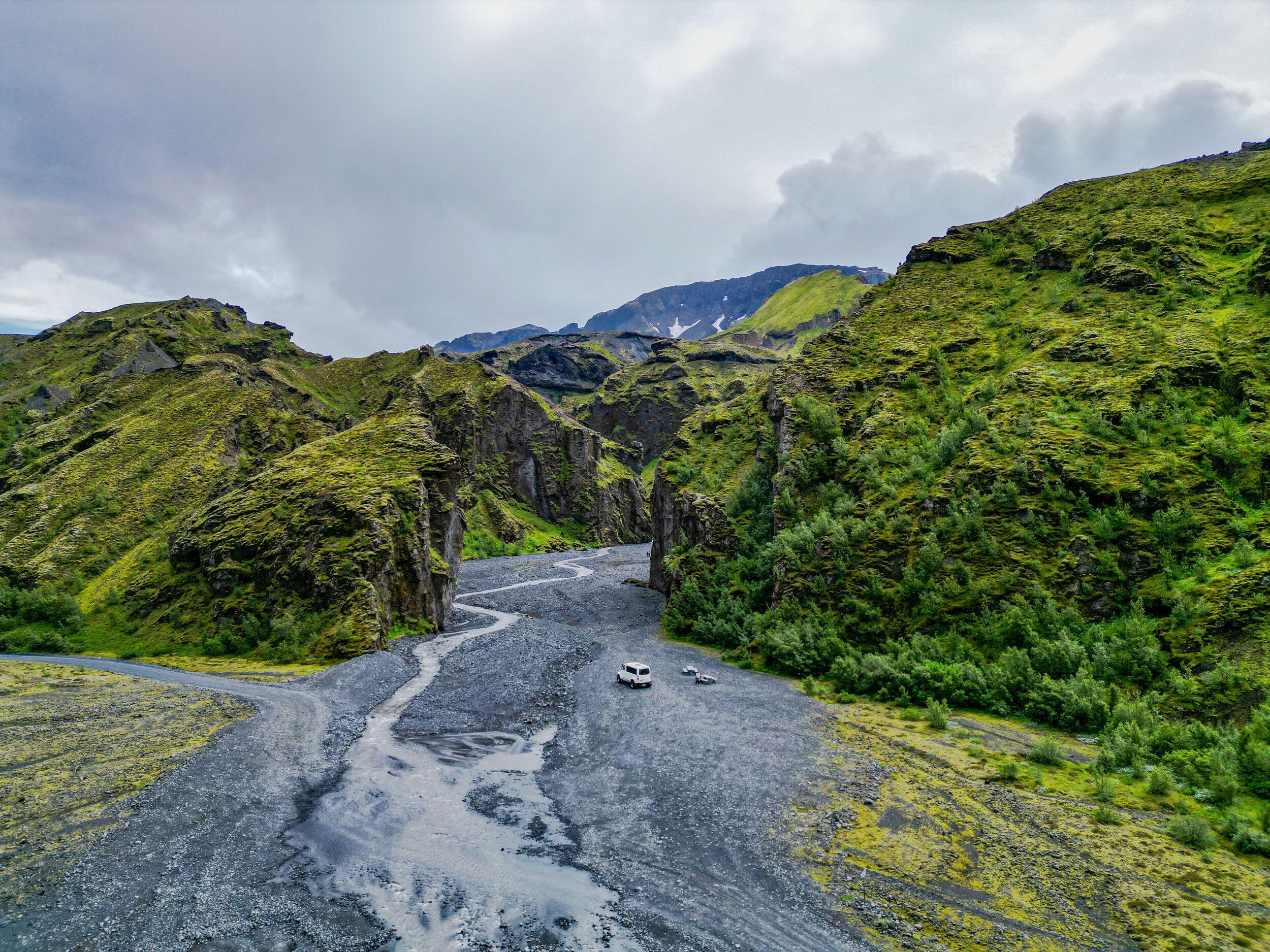
The Iceland Highlands cover much of the country's interior and contain some of its most remote landscapes.
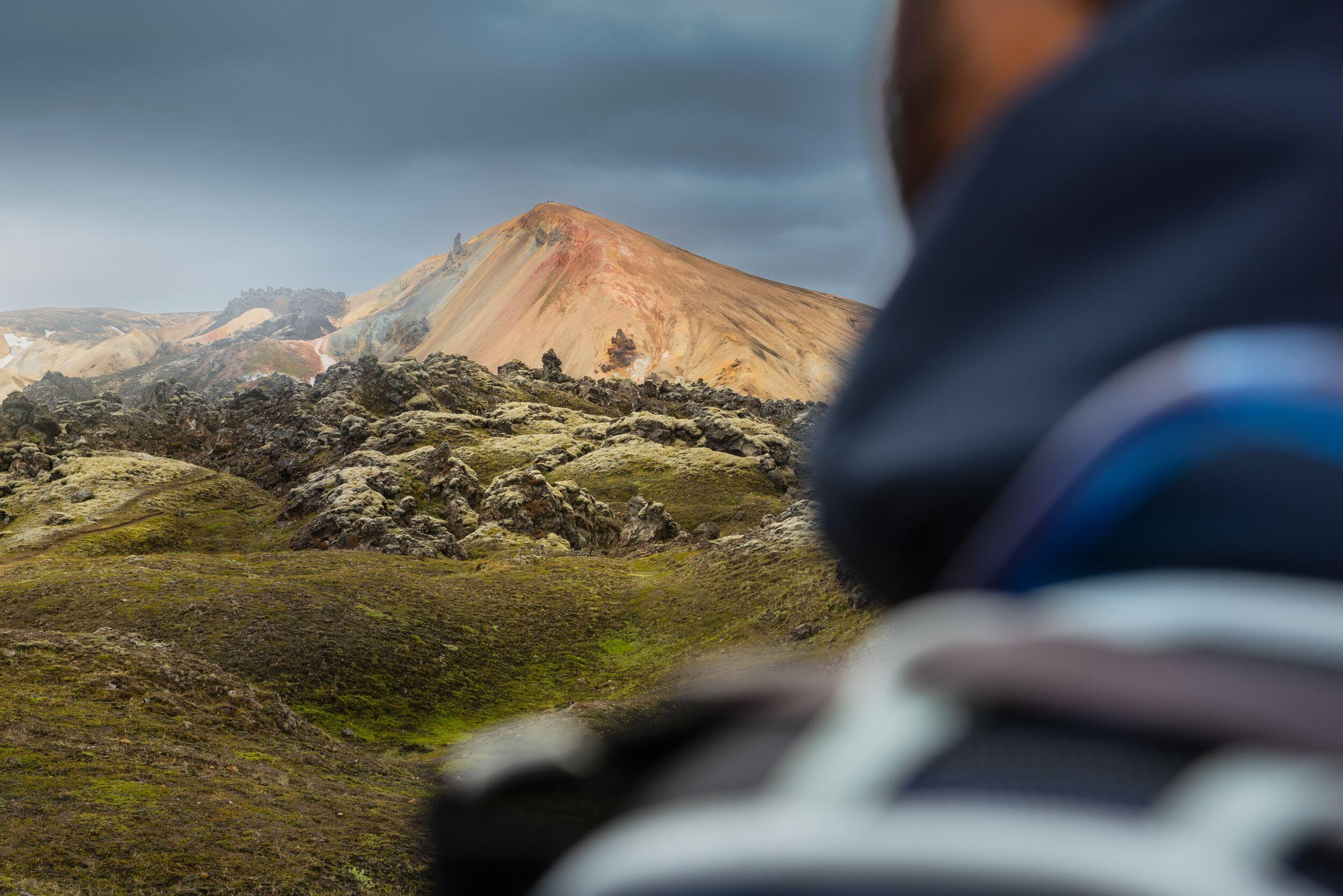
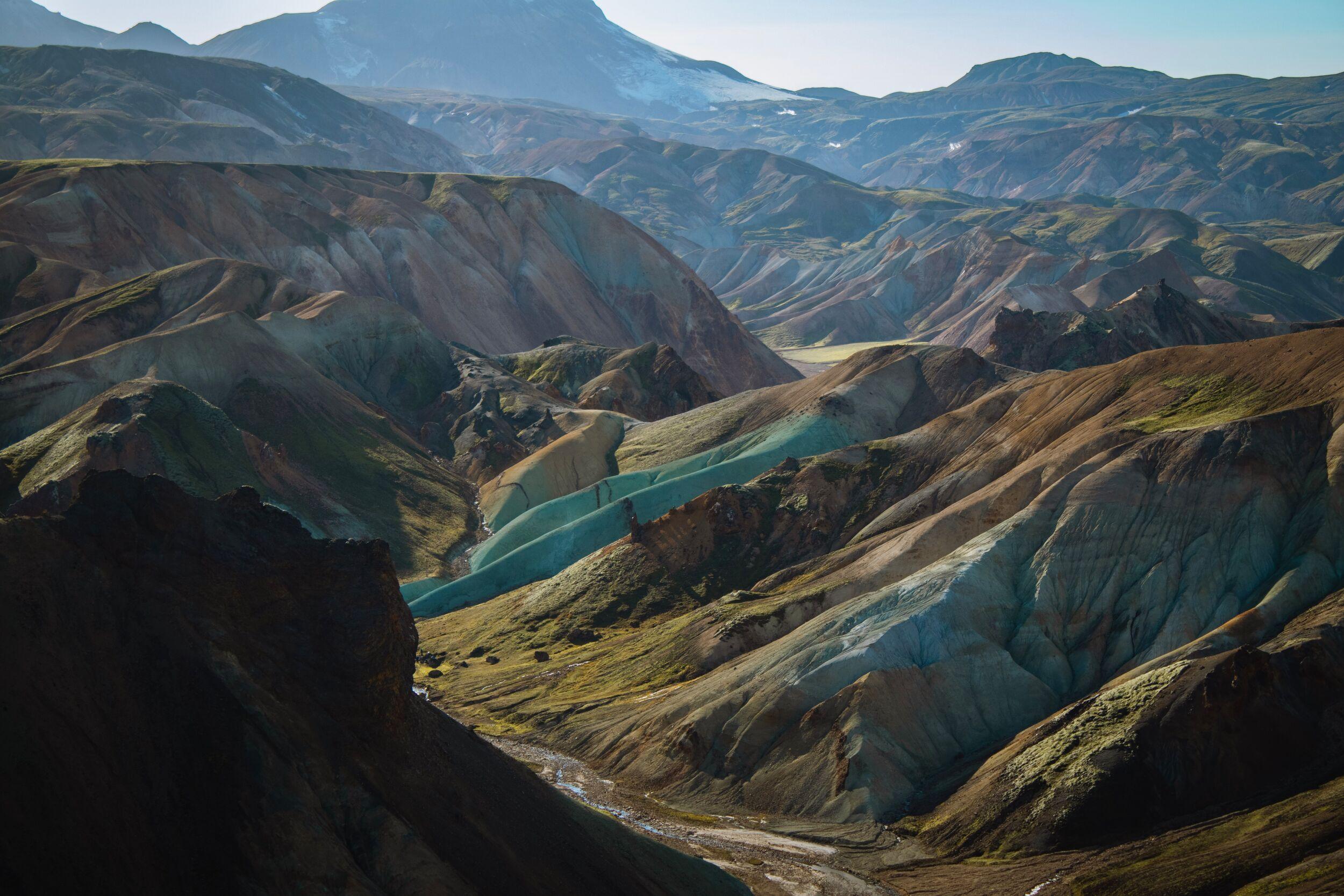
Here, you can find colourful mountains, volcanic deserts, lava fields, glaciers, rivers and geothermal areas with surprisingly little development between them.
Access is limited for practical reasons. Highland roads are seasonal, conditions can be difficult and many areas have little infrastructure. Some routes require specialist vehicles, while hiking routes may involve river crossings and long stretches without services.
That limited accessibility is part of what makes the Iceland wilderness feel so expansive.
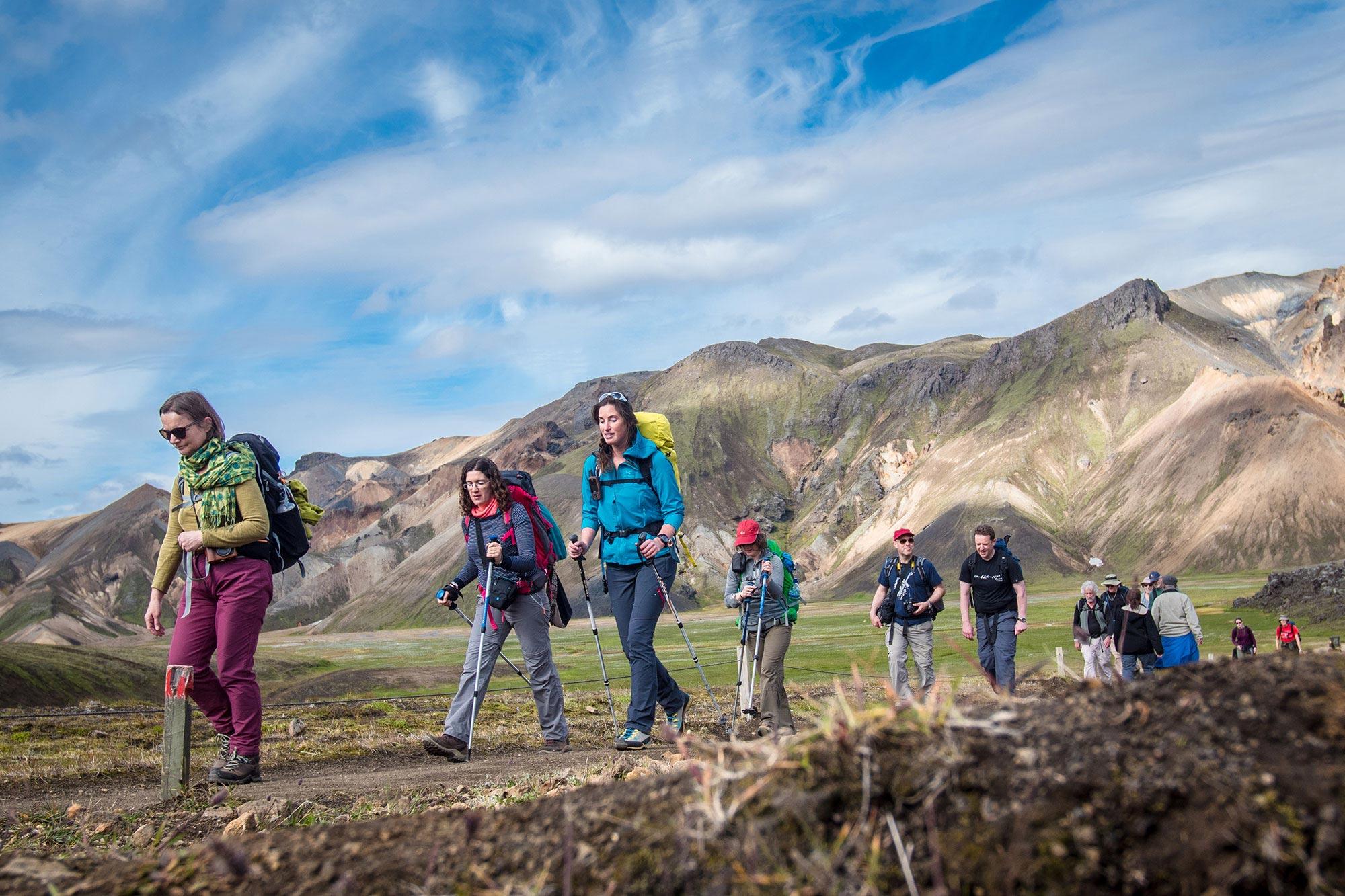
The Highlands are also home to some of the country's best-known trekking routes. The Laugavegur Trail, for example, crosses the Fjallabak Nature Reserve between Landmannalaugar and Þórsmörk, moving through several distinct landscapes in just a few days.
Volcanoes and Lava Fields
Volcanic activity has left an enormous mark on Iceland over the millennia and right up to recent years.
Historic eruptions have produced extensive lava fields, craters and volcanic formations across the country that are fascinating to visit. Some areas have since been covered in thick moss, while others remain expanses of dark, craggy lava rock.
Volcanic landscapes are particularly rewarding when visited on foot because walking reveals details that can easily be missed from a vehicle: changes in rock colour, moss-covered lava formations, fissures and subtle variations in the ground.
For a more remote experience, Icelandic Mountain Guides' Volcanic Trails trek travels through the volcanic landscapes of the southern Highlands, including lava formations, waterfalls, canyons and the Eldgjá volcanic fissure.
Waterfalls, Rivers, and Black Sand Plains
Water is another major force shaping Iceland nature.
Glacial rivers cut through valleys and carry sediment towards the coast. Waterfalls drop from cliffs and mountain plateaus. Along the southern coast, glacial material and volcanic rock contribute to broad black sand landscapes.
These environments can change dramatically over relatively short distances. A hiking route might move from a green valley to a barren volcanic plain before reaching a river or waterfall.

Why Does Iceland's Nature Still Feel Untouched?
A Small Population in a Large Country
At just shy of 400,000 people, Iceland’s population is small and spread across a relatively large island. Most people — some 250,000 of us — live in the capital region, while the rest inhabit other coastal settlements.
Travel into the interior, though, and the population density drops quickly.
That makes a significant difference to how the landscape feels. There are fewer roads, fewer buildings and fewer signs of permanent settlement in many of Iceland's remote landscapes.
Vast Areas Without Permanent Settlement
Large parts of the interior are simply unsuitable for conventional settlement. The climate is harsh, vegetation is limited and access can be difficult. The result is extensive open country with little to no infrastructure.
In the Highlands, you can spend hours hiking without encountering the kind of development that is common in more densely populated hiking destinations.
Limited Development in Remote Regions
Iceland has invested in infrastructure for visitors, but much of the country's remote terrain remains deliberately low-impact.
Mountain huts and marked trails provide access to important hiking areas without turning them into conventional resorts. In places such as Fjallabak Nature Reserve or along the Laugavegur trek, the emphasis remains on experiencing the landscape rather than building on it.
Nature Still Sets the Rules
Perhaps the biggest difference is that the environment remains difficult to control.
Weather can close a road. Rivers can rise. Snow can remain late into summer. Volcanic activity can alter access.
This is especially true in the Highlands, where travel requires flexibility and preparation because conditions, rather than convenience, ultimately determine what is possible. That can be inconvenient, but it is also what makes untouched nature in Iceland feel so convincing.
How Iceland's Nature Changes Throughout the Year
Spring
Spring brings longer days and gradually improving access, but conditions can remain distinctly wintry in the mountains.
Snow and mud may affect higher hiking routes, while lower-elevation trails become increasingly accessible. Spring is a good time for shorter hikes and lower-altitude landscapes, provided you check conditions carefully.
Summer
Summer is the main season for hiking many of Iceland's Highland trails.
Long daylight hours make multi-day trekking practical, and many seasonal roads and hiking routes become accessible. This is the best window for classic Highland routes such as Laugavegur and for exploring more remote wild places in Iceland.
Conditions can still be wet, windy and cold. Summer does not mean guaranteed sunshine.
Autumn
Autumn brings changing colours, cooler temperatures and shorter days.
Early autumn can still offer excellent hiking conditions, particularly in the Highlands, but access becomes increasingly dependent on weather. Later in the season, snow and storms can affect higher routes.
The trade-off is fewer people and the possibility of crisp, clear days.
Winter
Winter transforms Iceland into a very different hiking destination.
Snow, ice, wind and limited daylight make many Highland routes unsuitable. However, winter opens other possibilities, including guided glacier experiences and snow-based adventures.
It is also a good season for experiencing Iceland's frozen landscapes and, when conditions cooperate, the Northern Lights.
Can You Explore Iceland's Wild Landscapes Safely?
Challenges of Remote Environments
Remote hiking is rewarding because it takes you away from roads and infrastructure. That also means you need to be more self-sufficient. On longer routes, hikers need to understand their route, carry appropriate equipment and be prepared for changes in weather and terrain.
There may be no shop, mobile signal or easy way out if conditions deteriorate.
Weather and Rapidly Changing Conditions
Weather in Iceland can change quickly, particularly in exposed mountain areas. Rain, strong winds, fog and sudden drops in temperature are all possibilities. Even during summer, waterproof clothing and warm layers should be part of a sensible hiking kit.
On glaciers and in the Highlands, conditions need to be taken seriously. A route that looks straightforward on a map may feel very different in poor visibility or strong wind.
Why Local Knowledge Matters
Local knowledge can make a significant difference in remote terrain. Professional guides understand the region, seasonal conditions and practical challenges of the route. They can adjust plans when necessary rather than treating an itinerary as fixed.
This is particularly valuable on glaciers and in the Highlands, where terrain can change and access depends heavily on conditions.
Icelandic Mountain Guides' approach combines experienced guides with careful planning and professional safety standards. The aim is not to remove the adventure, but to help you experience challenging environments responsibly.
How to Experience Iceland's Nature Responsibly
Staying on Marked Trails
Stay on established trails wherever they are provided.
This is especially important in fragile vegetation and geothermal areas. A shortcut can take only a few minutes but leave damage that takes years to recover.
Respecting Fragile Ecosystems
Some of Iceland's vegetation grows slowly and is easily damaged.
Moss-covered lava is a good example. It may look tough, but repeated foot traffic can cause lasting damage.
Give geothermal features plenty of space and follow local guidance around hot ground, springs and other unstable areas.
Following Leave No Trace Principles
The basic rules are simple:
- Take all rubbish with you.
- Leave natural features where you find them.
- Use designated facilities where available.
- Avoid disturbing wildlife.
- Camp only where permitted.
- Keep to marked routes.
Responsible hiking helps protect the landscapes that make Iceland special in the first place.
Supporting Sustainable Tourism
Sustainable travel is not only about reducing physical impact. It also means choosing operators who take safety, local environments and communities seriously.
Small-group experiences can provide a more personal way to travel while reducing the pressure associated with mass tourism. Experienced guides can also help visitors understand why certain areas need extra care.
For Icelandic Mountain Guides, respect for the environment is part of responsible adventure. The objective is to provide access to remarkable places while helping preserve them for future travellers.
Why Iceland's Nature Is Still Worth Exploring
The appeal of Iceland nature is not only that it is incredibly dramatic. It is that the landscape feels active, spacious and relatively unfiltered.
You can walk beside a glacier in the morning and cross volcanic terrain later the same day. You can move from a green river valley into a black desert, or from a quiet Highland trail towards steaming geothermal ground.
The variety and sense of scale are remarkable.
Iceland's nature still feels untouched because large parts of the country remain sparsely populated and lightly developed. More importantly, natural forces still have a strong say in how the country works. Weather, ice, rivers and volcanic activity continue to shape the landscape and influence how people move through it.
That is why exploring Iceland on foot can be so rewarding. A hiking trail does not simply take you to a viewpoint. It puts you inside the landscape.
With the right preparation, appropriate equipment and respect for changing conditions, hikers can experience some of the most unique natural environments in Europe while leaving as little trace as possible.
A hiking trail does not simply take you to a viewpoint. It puts you inside the landscape.
Explore Iceland's Nature with Expert Guides
Laugavegur Trek Classic (Huts)
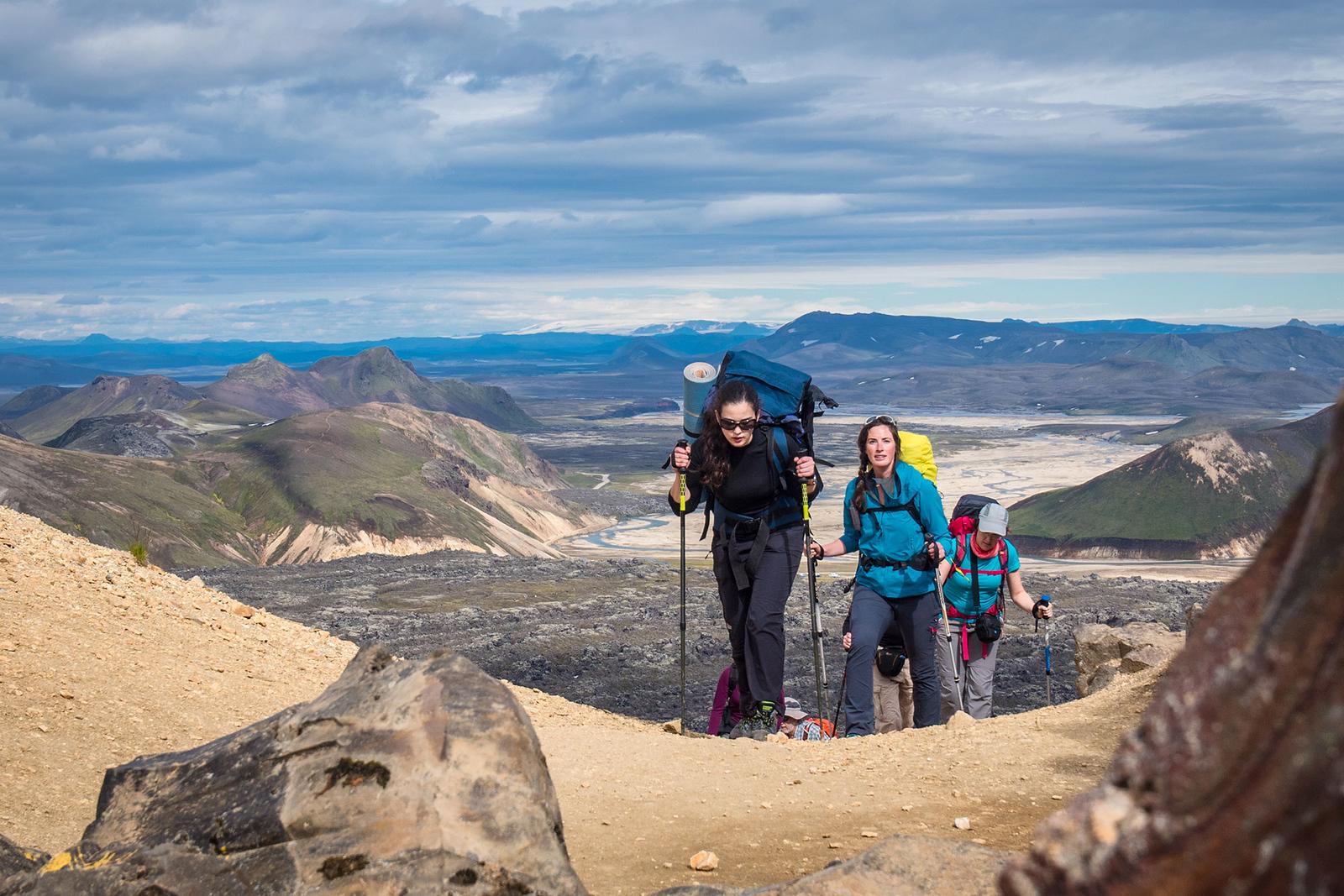
4-Day Laugavegur Trek (Huts)
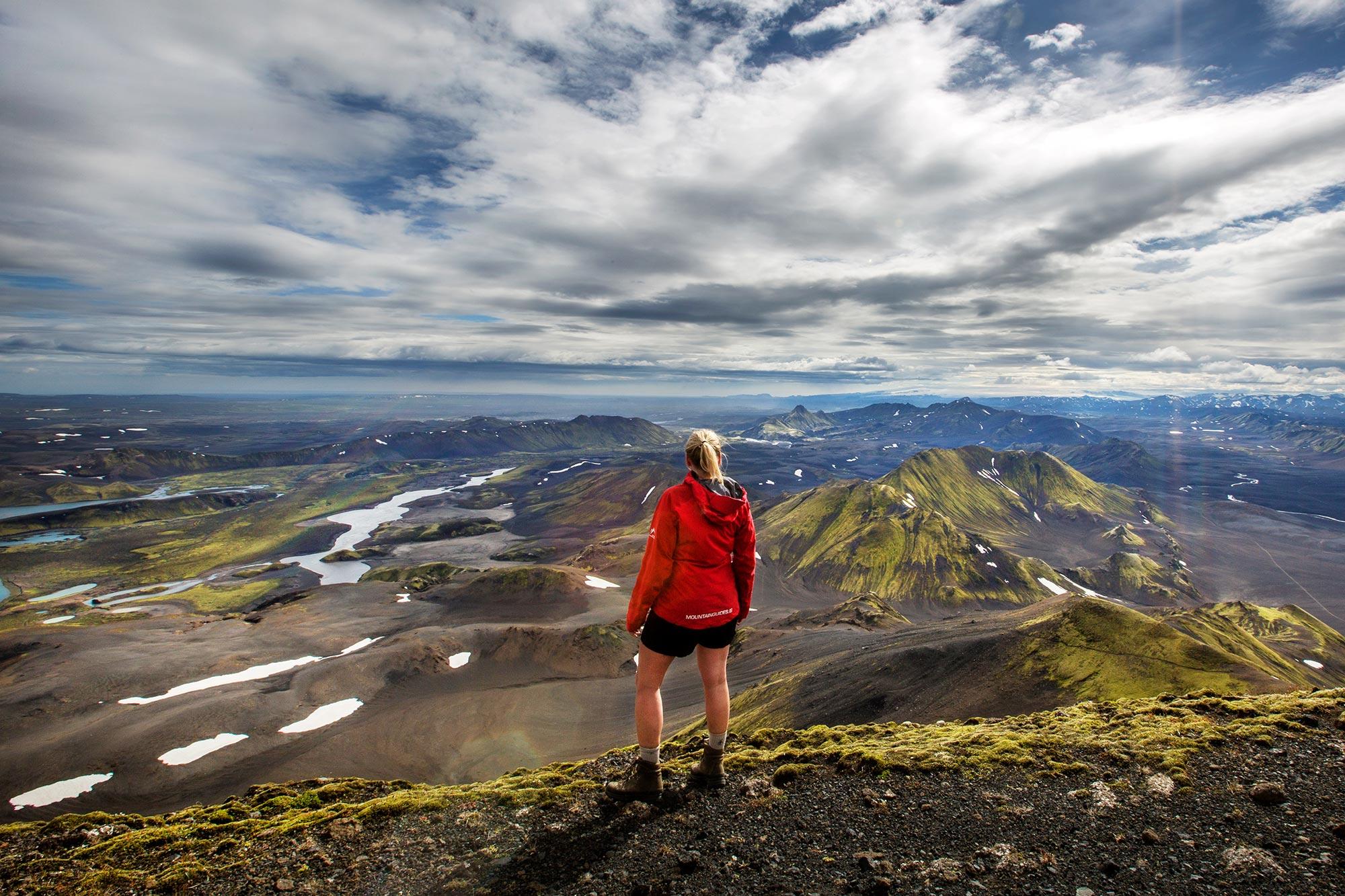
Volcanic Trails
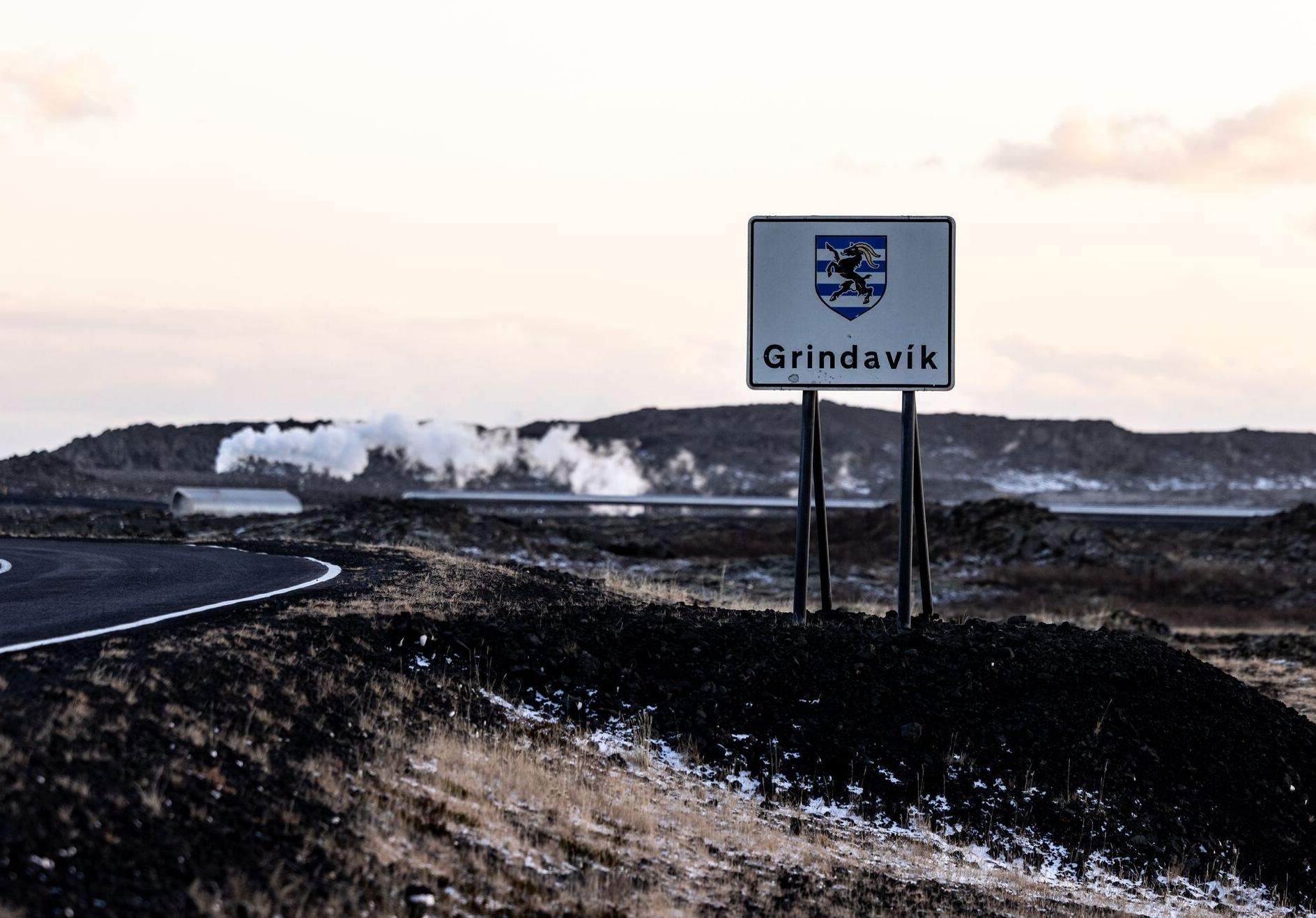
Volcanic Wonders with Grindavik Visit
Frequently Asked Questions
Why is Iceland called the land of fire and ice?
Iceland is known as the land of fire and ice because glaciers and volcanic activity exist side by side. Large ice caps and glaciers cover parts of the country, while active volcanic systems continue to shape the landscape. You can see the influence of both forces in lava fields, volcanic mountains, glacial valleys and geothermal areas.
What is the most untouched area of Iceland?
The Icelandic Highlands are among the country's least developed and most remote regions. Large areas have no permanent settlements, roads or other infrastructure, creating a strong sense of wilderness. Places within the Highlands, including the Fjallabak Nature Reserve, offer some of Iceland's most expansive landscapes and rewarding hiking.
What makes Iceland's nature unique?
Iceland's nature is shaped by the combination of volcanic activity, glaciers, rivers, geothermal heat and a relatively small population. The landscape is still evolving, and dramatic changes in terrain can occur over surprisingly short distances. Hikers can experience glaciers, lava fields, black sand plains, waterfalls and geothermal landscapes within a single trip.
Are the Icelandic Highlands worth visiting?
Absolutely! The Highlands offer colourful mountains, volcanic deserts, lava fields, valleys and geothermal landscapes with relatively little development. Access is seasonal and conditions can be challenging, so planning and local knowledge are important. For hikers, routes such as Laugavegur provide an excellent way to experience the region on foot.
When is the best time to experience Iceland's nature?
There is no single best time. Summer is generally the main season for hiking in the Highlands, with long daylight hours and better access to many trails. Spring and autumn offer different conditions and fewer visitors, while winter provides snow-covered landscapes and opportunities for activities such as glacier hiking and Northern Lights viewing. The best time depends on the landscapes and experiences you want from your trip.
Keep me informed about the Icelandic Mountain Guides Blog
Outdoor adventure in Iceland is our specialty. Subscribe to our free monthly newsletter to learn when to go, what to do and where to have the best adventures in Iceland.
Related Blog Posts
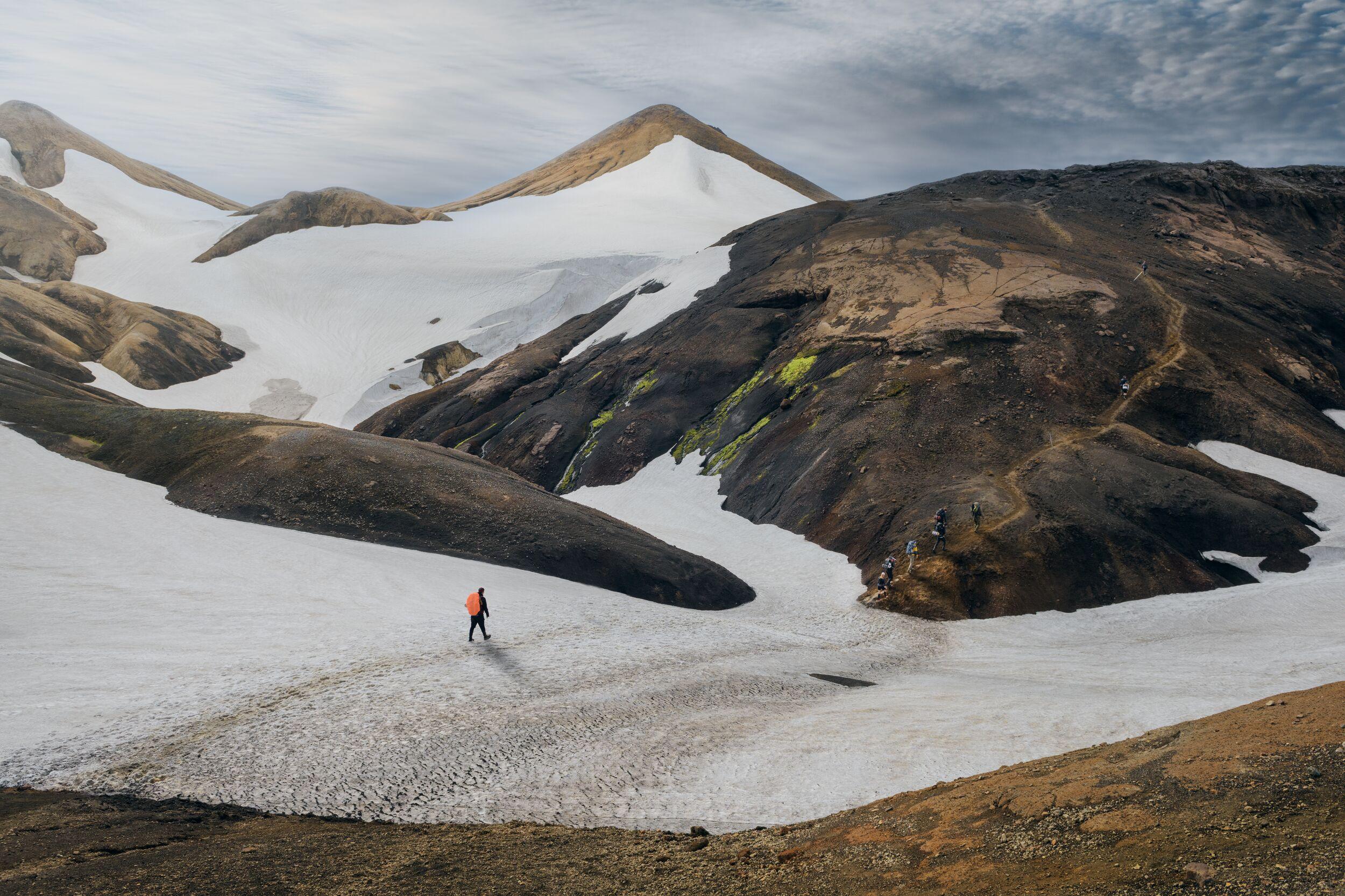
Related Tours
Laugavegur Trek Classic (Huts)
4-Day Laugavegur Trek (Huts)
Volcanic Trails